

Have you ever wondered why your brand‑new glasses seem to scuff and loosen in just a few months? Many of us unknowingly develop habits that shorten the lifespan of our eyewear. You might set your frames on your nightstand without thinking, clean them on your shirt sleeve or delay annual eye exams. Over time these small missteps can lead to scratches, warped frames and outdated prescriptions. The good news is that with a few simple changes you can keep your spectacles in top shape.
In this guide you’ll learn what optometrists and ophthalmologists say about eyewear longevity. We’ll clear up myths about prescriptions, explain why proper cleaning matters and share nine common mistakes that cause glasses to wear out faster. The article ends with practical tips you can put into action today.
Why take care of your glasses?
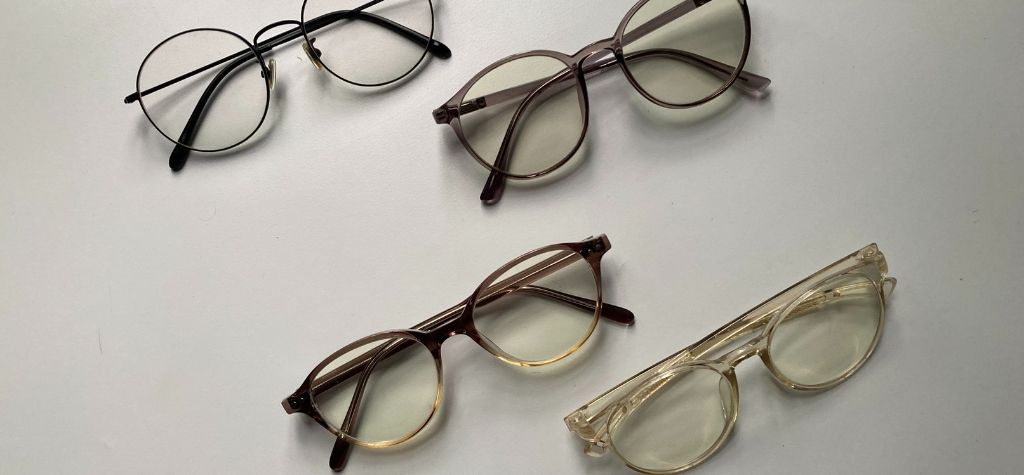
Eyeglasses are more than a fashion accessory; they’re a medical device that helps you see clearly. According to the National Eye Institute (NEI), glasses work by bending light so it focuses properly on your retina, improving clarity for conditions like myopia, hyperopia and astigmatism. The NEI emphasizes that glasses “make your vision clearer while you’re wearing them” but they don’t change your eyes or make your vision worse. In other words, treating your eyewear well doesn’t just protect an investment—it ensures you’re getting the full benefit of your prescription.
Misusing or neglecting glasses can lead to more than cosmetic issues. The Mayo Clinic debunks a common myth that wearing glasses that are too strong will damage your eyes; while an incorrect prescription doesn’t harm the eyes, it can cause temporary headaches and discomfort. Similarly, the Cleveland Clinic notes that wearing the wrong glasses may temporarily cause eye strain, headaches, blurry vision or dizziness. Keeping your prescription up‑to‑date and maintaining lenses properly can help you avoid these symptoms.
With the basics covered, let’s dive into the mistakes that often make glasses wear out faster—and how to avoid them.
Mistake 1: Wearing an outdated prescription
It’s tempting to hold onto an old pair of glasses if the frames still look good. However, vision can change subtly over time. The NEI recommends regular eye exams so your doctor can ensure you’re seeing clearly. When you continue to wear an outdated prescription you might experience eye strain, headaches, blurred vision or dizziness. These symptoms don’t damage the eyes, but they make it harder to see comfortably and may encourage poor posture as you lean forward or squint.
Why it happens: Our eyes change with age. Optometrist Heather Cimino, OD, notes that our ability to focus peaks in early adulthood and declines gradually into the 40s. The natural lens becomes less flexible, and conditions like presbyopia or cataracts can develop. A prescription that was perfect two years ago may now be off by a fraction—enough to cause fatigue when reading or driving.
How to fix it: Schedule comprehensive eye exams as your optometrist recommends. Adults under 40 often need exams every two years; after 40 or if you have an existing eye condition, annual visits are best. During an exam your eye doctor can detect changes in your vision and adjust your prescription accordingly. If you notice persistent headaches or blurred vision between visits, make an appointment sooner rather than later.
Mistake 2: Cleaning lenses with your shirt or paper towels
One of the fastest ways to scratch lenses is wiping them with whatever cloth is nearby—shirt sleeves, napkins or tissues. These fabrics trap dust and are often abrasive. A Veterans Affairs (VA) patient guide on eyeglass care advises rinsing glasses with cold water or using a cleaning solution to remove debris, then wiping with a microfiber lens cloth to avoid scratches. Paper towels and clothing fibers can create micro‑scratches that gradually cloud your lenses.
Why it happens: It’s convenient to wipe lenses when they smudge, especially if you don’t have a cleaning cloth handy. Unfortunately, the tiny fibers of cotton shirts or paper towels act like sandpaper on coatings. Over time, small scratches accumulate and reduce clarity.
How to fix it: Keep a microfiber cloth and small bottle of lens cleaner in your bag, desk and car. Before wiping, rinse lenses under lukewarm water to remove grit. Never use hot water because heat can damage anti‑reflective or scratch‑resistant coatings. If you’re traveling, pre‑moistened lens wipes formulated for glasses are a safe alternative. When the microfiber cloth becomes dirty, wash it separately in cold water without fabric softener to maintain its cleaning ability.
Mistake 3: Skipping the rinse before cleaning
Even if you use a microfiber cloth, wiping lenses without rinsing can grind dust or sand into the coating. The VA guide specifically recommends rinsing with cold water or a cleaning solution first. This small step removes abrasive particles that might otherwise scratch the surface.
Why it happens: Many people grab the cloth and wipe immediately, especially when they’re in a hurry. Yet outdoor grit, makeup, and even tiny bits of airborne pollen can cling to lenses.
How to fix it: Make rinsing part of your routine. It only takes a few seconds: hold your glasses under a gentle stream of lukewarm water or spray with an approved lens cleaner, then wipe dry with a microfiber cloth. If you’re on the go, gently blow off loose dust before using a cleaning wipe.
Mistake 4: Leaving glasses in hot environments
Extreme heat can warp plastic frames and crack lens coatings. The VA notes that you should avoid leaving glasses in high‑temperature places because heat may crack the coating on your lenses. On a summer day the interior of a parked car can exceed 50 °C (122 °F), hot enough to soften plastic and damage special coatings. Similarly, placing glasses near a stove, hairdryer or space heater exposes them to unnecessary stress.
Why it happens: It’s easy to forget your glasses in a car or set them on a bathroom counter while drying your hair. Some people also use hot tap water to rinse lenses, not realizing that heat can break down coatings.
How to fix it: Store glasses in a protective case and keep them out of cars or direct sunlight when you’re not wearing them. Use lukewarm—not hot—water for cleaning. When visiting a sauna or hot tub, leave your glasses outside the steam room to prevent warping.
Mistake 5: Laying glasses face down or unprotected
Placing your glasses with the lenses down on a table or nightstand invites scratches. The VA guide advises always placing glasses with the lenses facing up to reduce wear. When left loose in a bag or pocket, your frames can become bent and the lenses can rub against keys, pens or zippers.
Why it happens: Many people take off their glasses before bed or during meals and set them wherever there’s space. Without a case, the lenses contact rough surfaces. Over time the constant friction dulls the coating.
How to fix it: Use a hard‑shell case whenever you take your glasses off. Always set glasses lens‑side up on a clean, flat surface. Consider keeping a dedicated glasses tray on your nightstand to form a new habit. This small change drastically reduces the risk of scratches.
Mistake 6: Using glasses as a headband or hanging them from your shirt
Resting glasses on top of your head or hooking them onto your shirt collar stretches the temples (arms) and misaligns the frame. Over time the frames loosen, causing them to slide down your nose or sit crookedly on your face. Misaligned frames may also affect the way lenses sit in front of your eyes, reducing visual clarity.
Why it happens: It’s convenient to push glasses up when switching between near and distance tasks. But the human head is wider at the top than at eye level, which forces the temples to splay outward. Hanging glasses by one temple stretches the hinge on that side.
How to fix it: If you need to remove glasses frequently, invest in a lanyard or chain that lets you wear them around your neck. Alternatively, get a pair of inexpensive reading glasses for quick tasks like checking a menu so you aren’t constantly adjusting your prescription frames.
Mistake 7: DIY repairs and adjustments
Bent nose pads or crooked temples are annoying, but attempting to bend frames back into place with pliers or by hand can lead to broken hinges or cracked plastic. Although this mistake doesn’t directly shorten lens life, a broken frame may make you keep wearing damaged glasses with scratched lenses.
Why it happens: Glasses are small and seem easy to adjust. People often apply too much force or use the wrong tools. Certain materials, like titanium or acetate, require special heating or tools to adjust safely.
How to fix it: Visit an optician for adjustments. Many optical shops will tighten screws, adjust nose pads and realign frames for free or a small fee. If you must do a quick repair at home, use a glasses repair kit with proper screwdrivers and follow manufacturer instructions.
Mistake 8: Neglecting to clean the frames
While we often focus on lenses, dirty frames can degrade the hinge mechanisms and accumulate oils that drip onto the lenses. Sweat and skin oils weaken the finish on metal frames and cause screws to loosen. This can lead to misalignment, causing you to set the glasses down more often (and risk scratches).
Why it happens: Frames sit against your skin all day, especially around the nose and ears. Dirt and oils build up but are less noticeable than smudged lenses.
How to fix it: When cleaning your lenses, take a moment to gently clean the frames with warm water and mild dish soap. Use a soft toothbrush to remove grime around nose pads and hinges. Dry thoroughly with a soft towel. Avoid using household cleaners or alcohol, which can degrade some finishes. Tighten screws occasionally with a glasses screwdriver, or ask an optician to check them during your eye exam.
Mistake 9: Delaying comprehensive eye exams
Regular eye exams protect your vision and your eyewear. The NEI notes that if you wear glasses and still have symptoms like blurred vision, headaches or trouble focusing, you might need a new prescription. The Mayo Clinic adds that glasses will not permanently solve refractive errors and won’t weaken your eyes, so postponing exams only prolongs discomfort.
The UCLA Health “Ask the Doctors” column reassures readers that over‑the‑counter readers won’t damage your eyes but recommends using changes in vision as a prompt to schedule a professional eye exam. During an exam your eye doctor will check for conditions such as glaucoma and macular degeneration, which may not have obvious symptoms. The article also warns that wearing the wrong generic glasses can lead to headaches and fatigue.
Why it happens: Life gets busy, and if you can still see reasonably well you may not prioritize an exam. You might also assume that headaches are due to stress or dehydration rather than your eyes.
How to fix it: Put your eye exams on a recurring schedule. Many clinics send reminders; you can also note it on your calendar or smartphone. If you experience sudden changes—such as increased floaters, flashes of light, or persistent headaches—see your eye doctor right away. Early detection of problems protects your vision and helps your glasses work effectively.
Additional tips for longer‑lasting eyewear
The nine mistakes above cover the most common ways glasses wear out quickly. Here are a few extra tips to preserve your investment:
- Choose quality lenses and coatings. Scratch‑resistant and anti‑reflective coatings can extend lens life. However, they still require proper care—avoid abrasive cleaners and high heat. When selecting options, consider your lifestyle; if you spend long hours on screens, blue‑light filtering coatings may reduce eye strain.
- Handle glasses with both hands. The VA guide advises taking glasses off with both hands to reduce misalignment. Using one hand can twist the frame and loosen hinges.
- Invest in multiple pairs. If you routinely switch between tasks, having separate pairs (e.g., for reading and computer work) prevents constant removal and reduces wear on hinges and lenses. UCLA Health suggests that if you wear bifocals or progressive lenses, you may still benefit from a dedicated reading pair for sustained close work.
- Know when to replace lenses. Small scratches may be manageable, but once lenses are visibly scuffed or coatings peel, it’s time to replace them. Replacing just the lenses can be less expensive than buying new frames, and many optical shops offer this service.
Conclusion
Your glasses serve you every day, so it’s worth taking a few extra minutes to care for them properly. The evidence is clear: wearing glasses doesn’t weaken your eyes, and using the wrong prescription won’t damage them, though it may cause headaches. The real culprits behind prematurely worn‑out glasses are our habits—wiping lenses with our shirts, tossing frames on the car dashboard or delaying eye exams. By avoiding the nine mistakes outlined here and following the practical tips, you can extend the life of your eyewear, see more comfortably and protect your eye health.
Consider performing a quick glasses check‑up today: inspect your lenses for scratches, tighten loose screws and schedule your next eye exam. With mindful care, your glasses can stay clear and comfortable long past their warranty, saving you money and frustration in the long run.
