
Imagine getting new glasses delivered to your doorstep every year without visiting an optical shop. In 2026, several companies offer glasses subscription services that promise convenience and stylish frames at affordable monthly prices. These plans sound appealing, especially for busy people and families with children whose prescriptions change often.
But before you sign up, it’s smart to know what you’re paying for and what risks might come with remote ordering. As eye health experts remind us, clear vision isn’t just about picking frames—it relies on accurate prescriptions, proper fit and regular comprehensive eye exams to detect silent diseases. This article explores seven things you should know before joining a subscription glasses program in 2026.
1. Know Your Prescription Rights

You are entitled to your prescription
The Federal Trade Commission (FTC) enforces the Eyeglass Rule, which gives you important rights as a patient. After completing a refractive eye exam, your eye care provider must give you a copy of your eyeglass prescription immediately at no extra cost. It doesn’t matter whether you pay with cash or insurance—proof of insurance counts as payment and prescribers cannot withhold your prescription.
If your prescriber sells eyewear in their office, they must ask you to sign a confirmation that you received the prescription. You may choose a digital copy instead of paper, but the provider needs your written or electronic consent and must record that consent. Keeping a record of your prescription gives you the freedom to shop around, whether you buy from a local optician, an online retailer or through a subscription plan.
Why prescription rights matter for subscriptions
Glasses subscription services often require you to upload your prescription and pupillary distance (PD) measurements. When you have a recent and accurate prescription, you reduce the risk of receiving glasses that don’t correct your vision properly.
Action tip: At your next eye exam, make sure you receive and save a copy of your prescription. Ask your provider to measure your PD and include it. Knowing your rights also lets you report any provider who doesn’t comply with the Eyeglass Rule to the FTC’s consumer protection portal.
2. Understand the Importance of Proper Fit and Measurements
The role of PD and MRP
Your pupillary distance (PD) and major reference point (MRP) determine where the optical center of each lens sits relative to your eyes. Proper placement of these measurements ensures that light passes through the lenses correctly. An article from Ohio State University’s College of Optometry explains that misaligned optical centers can cause blurred vision, distortion, double vision and headaches.
Most online eyewear retailers ask you to measure your PD at home. The Ohio State article compares this to “giving yourself a haircut” because it’s easy to get wrong. PD measures only the horizontal distance between pupils, but the vertical measurement (MRP) is also crucial. Professionals take both measurements during an in-person fitting to align the lenses precisely.
Why fit matters for subscription glasses
Subscription services typically ship glasses directly to your home. Without an in‑person fitting, the risk of incorrect PD or frame fit increases. According to the same Ohio State article, lower-quality materials and misaligned measurements lead to frequent returns and dissatisfied customers.
Poorly fitting glasses can slip, pinch or cause headaches. For children or people with progressive lenses, misalignment may even interfere with binocular vision development.
Action tip: Before subscribing, consider visiting a local optician to get precise PD and MRP measurements. Some subscriptions allow you to upload those measurements, which improves the likelihood that your glasses will fit correctly.
3. Evaluate Safety and Quality Concerns
Results from an American Optometric Association study
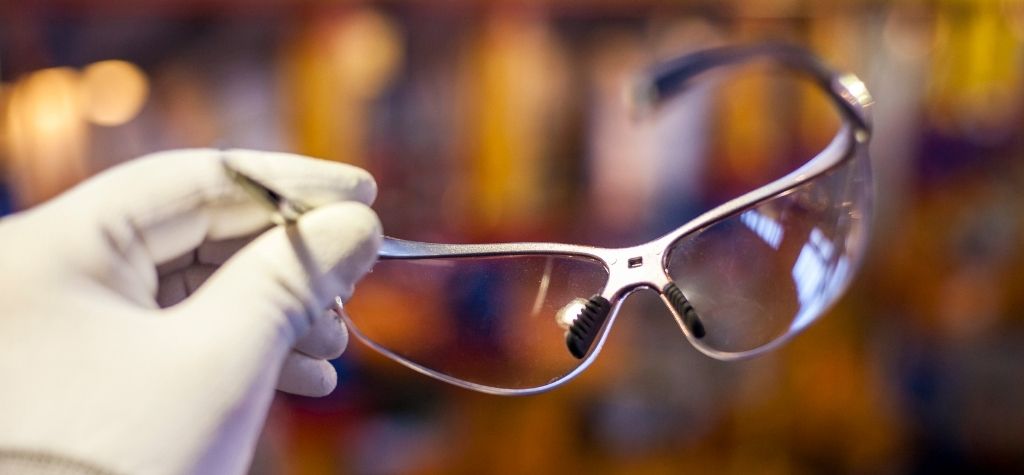
Buying glasses online may save money, but it can come with safety risks. In a study conducted by the American Optometric Association (AOA) along with the Optical Laboratories Association and The Vision Council, researchers ordered 200 pairs of glasses from popular online vendors. They found that 44.8 % of glasses had an inaccurate prescription or failed safety standards.
- 29 % of the pairs had at least one lens that did not meet the specified prescription.
- 23 % failed impact resistance testing, meaning the lenses could break more easily.
- Children’s glasses performed worse, with 29 % failing impact tests, putting kids at risk of eye injuries.
These numbers highlight why professional optometrists emphasise careful selection of lenses and frames. When glasses do not meet prescription and safety standards, you may experience eyestrain, blurred vision or even injury if lenses shatter.
How subscription services compare
Many subscription programs use the same manufacturers as online retailers. While some offer high‑quality lenses, others may cut corners to keep costs low. The risk is that you might receive glasses that look stylish but don’t meet safety standards.
When evaluating a subscription service, ask about impact resistance certifications, lens materials and quality control. Program reviews can provide insight, but the safest route is to ensure your subscription comes from a reputable company with strong consumer protections.
Action tip: If a subscription service offers an in‑store fitting or partnership with local opticians, take advantage of it. Otherwise, consider ordering a single pair first to test the fit and quality before committing to a longer subscription.
4. Recognize the Limitations of Online or Home Vision Tests

Online tests don’t detect eye diseases
Subscription glasses programs often pair with online vision tests to renew your prescription quickly. However, experts warn that these tests are limited. The American Academy of Ophthalmology (AAO) explains that online tests can measure the power of your eyeglass prescription but cannot detect eye diseases that often have no symptoms.
Home vision tests may involve standing a certain distance from a screen or using a handheld device. While convenient, they miss conditions like glaucoma, diabetic retinopathy or macular degeneration, which require dilated exams and specialised equipment. The AAO notes that online tests are only suitable for healthy adults aged 18–39 with mild prescriptions and no risk factors.
The Cleveland Clinic also warns that telehealth eye exams cannot measure intraocular pressure or perform a dilated exam, though they can help diagnose issues like dry eye or conjunctivitis. Innovations in home-based tonometry and retinal imaging are emerging, but they are not yet standard.
Subscription services still require regular in‑person exams
If a subscription plan encourages you to rely solely on home vision tests, it could put your eye health at risk. Even if your prescription appears stable, a comprehensive eye exam can detect hidden problems and ensure that your lenses remain safe and effective.
Action tip: Schedule a comprehensive eye exam at the frequency recommended by your eye doctor—usually every one to two years. Use online or subscription tests only to supplement regular care, not to replace it.
5. Compare Return Policies, Warranties and Insurance Coverage
Questions to ask before subscribing
The AOA’s consumer guide on buying glasses online highlights the importance of reading the fine print. Before ordering from any online or subscription service, check the return policy. You should know whether the company will replace glasses that arrive with incorrect prescriptions or damage and how long the return window lasts.
In addition, confirm whether the subscription includes warranties for lenses and frames. Some companies cover scratches or breakage for a set period, while others charge extra for protection.
Shipping and handling can also affect the value of a subscription. You’ll want to know who pays for return shipping and whether initial shipping costs are included.
Vision insurance and flexible spending accounts
Some subscription plans accept vision insurance, but not all do. AOA’s guide advises consumers to verify whether the retailer accepts insurance or flexible spending accounts (FSAs). This is especially important if you rely on your employer‑sponsored vision plan to cover most of the cost.
If a program does not accept insurance, compare its total cost over the subscription period to what you would pay through your insurance network. Keep in mind that the FTC’s Eyeglass Rule ensures you can take your prescription anywhere—you are not obligated to purchase from the prescriber.
Action tip: Create a comparison chart of subscription plans, listing monthly fees, included pairs per year, return and warranty policies, and insurance acceptance. This will help you decide whether the convenience outweighs potential extra costs.
6. Weigh the Costs and Sustainability of a Subscription

Subscription pricing vs. one‑time purchases
Subscription glasses programs typically charge a monthly fee in exchange for a set number of frames per year. For example, a program might offer two pairs per year for a fixed monthly cost. While this spreads out payments, you may end up paying more over time than if you bought frames outright when needed.
Consider how often your prescription changes. If your vision is stable, you might not need multiple pairs every year. On the other hand, children and teenagers often experience rapid changes in prescription, which could make subscriptions appealing.
Environmental impact
Disposable fashion is a growing concern. Subscriptions encourage frequent frame turnover, which can lead to waste if old glasses are not recycled or reused. Traditional optical shops often adjust or repair frames rather than replacing them.
Some subscription companies claim to recycle frames or use sustainable materials. Evaluate whether those claims are verified and look for programs that offer recycling or donation options.
Action tip: Ask subscription companies about their sustainability practices. If you decide to join, donate old frames to charity or recycling programs to reduce waste.
7. Explore Alternatives and Get Personalized Advice
Local optometrists and optical shops
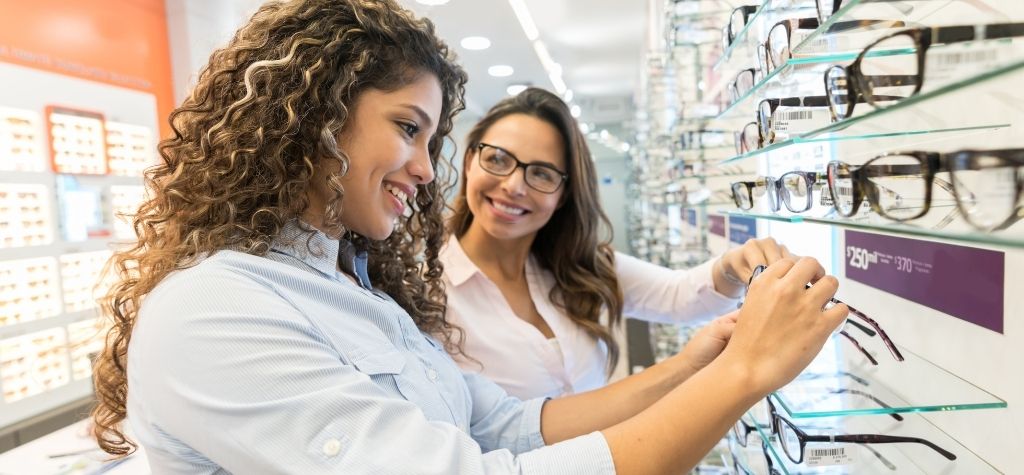
While subscription services provide convenience, in‑person care remains the gold standard. Visiting a local optometrist ensures proper measurements, lens fitting and on‑site adjustments if your glasses need tweaking. Eye care professionals can also discuss lens coatings, materials and frame styles that suit your lifestyle and prescription needs.
Local shops often offer packages or discounts for multiple pairs without the commitment of a subscription. They may also handle warranty claims and repairs quickly.
Hybrid models and trials
Some companies offer hybrid models—you order online but visit a partner optical shop for fitting and adjustments. Others provide home try‑on kits so you can test frames before committing.
If you’re curious about a subscription, consider starting with a short trial. Many programs let you cancel after a few months if the service isn’t a good fit.
Conclusion and Takeaway
Signing up for a glasses subscription in 2026 might seem like the ultimate convenience. However, eye health is not a one‑size‑fits‑all service. Before committing, ensure you know your rights under the Eyeglass Rule, understand the importance of accurate measurements and consider the safety and quality of the lenses you’ll receive.
Remember that online or home vision tests cannot replace comprehensive eye exams. Review return policies, warranties and insurance acceptance. Compare costs, consider environmental impact and seek professional advice when necessary.
Ultimately, the best vision solution is the one that fits your lifestyle and protects your eye health. Use subscriptions wisely and stay informed—your eyes are worth it.
