

Having a strong eyeglass prescription used to mean wearing thick, heavy lenses that added bulk to your frames. Those “coke‑bottle” glasses were unattractive and uncomfortable for many people. Thankfully, lens technology has evolved. High‑index lenses are thinner, lighter and designed to correct strong refractive errors without the chunky look. If you’re considering new glasses, this guide breaks down seven important things you should know about high‑index lenses.
What Are High‑Index Lenses?
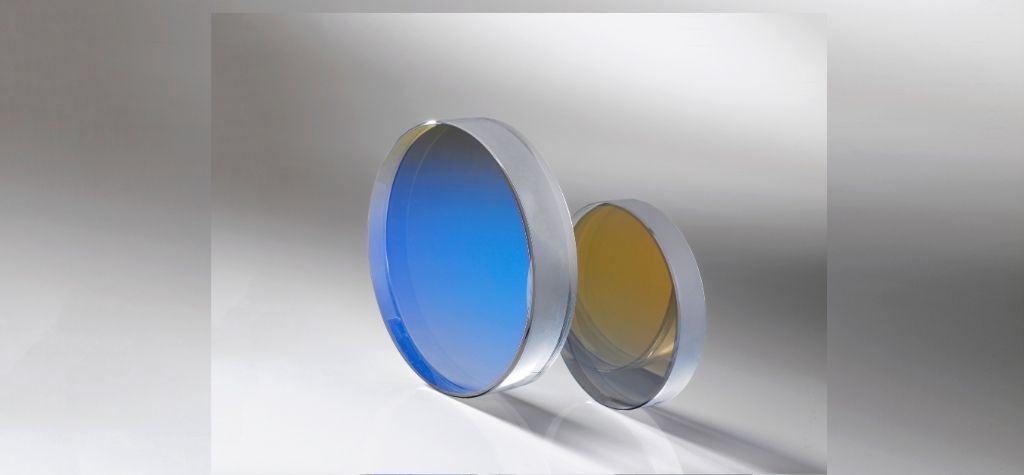
High‑index lenses are made from materials that bend light more efficiently than standard glass or plastic. Regular plastic lenses have a refractive index of about 1.50. High‑index lenses have values ranging from about 1.53 to 1.74, meaning they can bend (refract) the same amount of light with less lens material. As a result, high‑index lenses are thinner and lighter compared with traditional lenses of the same prescription. These lenses are usually recommended for people with strong prescriptions who want a slimmer lens profile.
Definition in plain language: A lens’s refractive index tells us how strongly it bends light. Higher numbers mean the lens material is denser and bends light more with less thickness. High‑index lenses take advantage of this property to make strong prescriptions look less bulky.
How Are High‑Index Lenses Different?
- Thinner design: They use dense materials to reduce lens thickness while maintaining optical power.
- Lighter weight: Less material means a lighter lens, which improves comfort.
- Improved appearance: Because they are thinner, they minimize the “coke‑bottle” effect and allow a broader range of frame styles.
- Suitable for high prescriptions: Eye doctors may recommend them when prescriptions exceed about ±2.00 diopters, though they can benefit anyone seeking thinner glasses.
1. High‑Index Lenses Are Much Thinner Than Regular Lenses
The main reason people choose high‑index lenses is to reduce thickness. A strong prescription requires the lens to bend light more, which usually means thicker edges (for nearsightedness) or thicker centers (for farsightedness). High‑index materials bend light more efficiently, so the same prescription can be achieved with a thinner lens.
According to Optometrists.org, a lens with an index of 1.74 can be up to 50 % thinner than a standard 1.50 plastic lens. A 1.67 high‑index lens is thinner than 1.60 or 1.50 lenses, but 1.74 lenses provide the greatest reduction in thickness. Thinner lenses not only look better but also fit more securely in modern rimless and semi‑rimless frames.
Why Thin Lenses Matter
- Aesthetics: Thinner lenses reduce the bulky appearance, making your glasses look more like fashion accessories.
- Frame choice: Thick lenses limit the types of frames you can wear. High‑index lenses allow you to choose slimmer or rimless frames without worrying about lens edges protruding.
- Comfort: Thick edges can be uncomfortable against the face. A thinner edge is less likely to cause pressure or leave marks.
Suggestion: A visual infographic comparing a 1.50 standard lens to 1.60, 1.67 and 1.74 high‑index lenses can help readers see the dramatic reduction in thickness.
2. High‑Index Lenses Are Lighter and More Comfortable
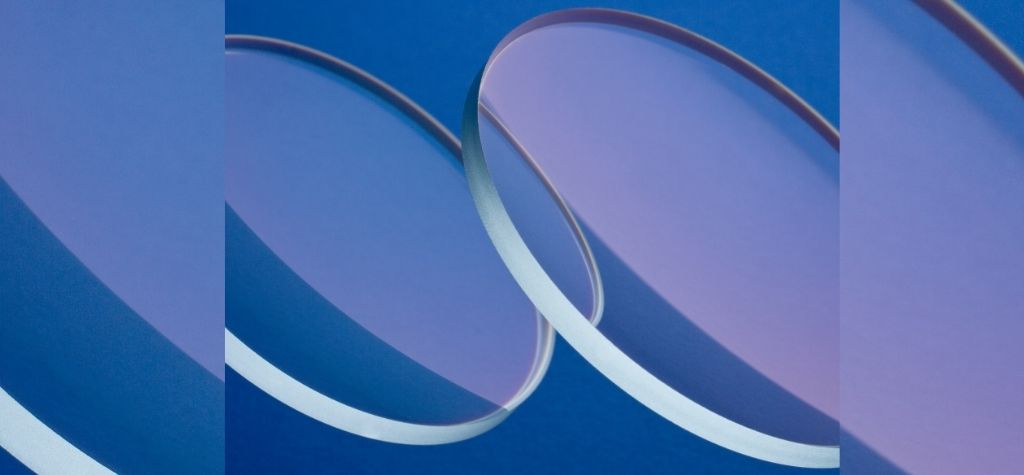
Because high‑index lenses contain less material, they weigh less than standard plastic or glass lenses. Lighter glasses reduce the pressure on the bridge of your nose and the tops of your ears. Emory University’s Ophthalmology department notes that high‑index lenses are considerably thinner and lighter, which makes them more comfortable to wear. Similarly, Western Michigan University points out that a thinner lens material improves comfort and cosmetic appearance.
Practical Benefits of Lighter Lenses
- Less slippage: Heavy glasses often slide down your nose. Lightweight high‑index lenses help them stay in place.
- Reduced pressure: You may experience fewer headaches or sore spots caused by heavy frames.
- Better for long wear: Lighter lenses are ideal if you wear glasses all day, as they minimize fatigue.
3. High‑Index Lenses Look More Attractive
A thick lens can distort facial features and magnify your eyes, leading to the “coke‑bottle” look. High‑index lenses dramatically reduce this effect. The American Academy of Ophthalmology (AAO) explains that high‑index lenses are thin, lightweight plastic lenses that reduce the “coke‑bottle” appearance associated with thick lenses. Thinner lenses also allow for stylish frames and keep the edges of the lenses from sticking out.
Improved Aesthetics for Strong Prescriptions
- Less magnification: For farsighted prescriptions, high‑index lenses have flatter curves (aspheric design) that reduce magnification and make your eyes look more natural.
- Slimmer edges: Nearsighted lenses often have thick edges. High‑index lenses reduce this thickness, enhancing the overall look of your glasses.
- Variety of styles: You can choose from more frame styles—rimless, semi‑rimless, or thin metal frames—without worrying about thick lenses.
4. Understand Your Index Options (1.60, 1.67, 1.74)
High‑index lenses come in several refractive indexes, each offering different levels of thinness and weight. Here’s a simple breakdown:
| Index | Approx. thinness vs. standard 1.50 plastic | Typical use |
|---|---|---|
| 1.60 | About 20–25 % thinner | Moderate prescriptions (±2.00 to ±4.00 diopters) |
| 1.67 | Around 30–40 % thinner | Strong prescriptions (±4.00 to ±6.00 diopters) |
| 1.74 | Up to 50 % thinner | Very strong prescriptions (±6.00 diopters or higher) |
Choosing the Right Index
- Moderate prescriptions: If your prescription isn’t extremely strong, a 1.60 lens may provide sufficient thinness and save on cost.
- High prescriptions: For stronger corrections, a 1.67 lens offers a balance between thickness reduction and affordability.
- Ultra‑high prescriptions: When your prescription is very high (±6.00 diopters or more), 1.74 lenses provide the thinnest and lightest option available.
Note: You won’t always notice a huge difference between a 1.67 and 1.74 lens in everyday use. Some people choose 1.74 for cosmetic reasons, while others find 1.67 sufficient. Ask your eye doctor which index best fits your prescription and budget.
5. High‑Index Lenses Are Ideal for Strong Prescriptions

High‑index lenses were developed to help people with strong refractive errors enjoy thinner, more comfortable glasses. The Michigan College of Optometry explains that high‑index lenses bend more light through less thickness and are therefore beneficial for patients with strong prescriptions. Johns Hopkins Medicine also notes that high‑index lenses create a thinner profile for people with strong prescriptions.
Who Should Consider High‑Index Lenses?
- Nearsighted individuals with high minus powers: Traditional lenses can have thick edges that protrude beyond the frame. High‑index lenses reduce that edge thickness.
- Farsighted individuals with high plus powers: Regular lenses can appear bulging and magnify the eyes. High‑index lenses use aspheric designs to reduce magnification.
- People seeking cosmetic improvements: If you dislike the look of thick lenses, high‑index materials offer a more streamlined appearance.
- Those with sensitive noses or ears: The lighter weight can prevent discomfort from heavy glasses.
Tip: If your prescription is only mildly strong, you may not need high‑index lenses. Discuss your needs and lifestyle with an eye doctor before investing in them.
6. High‑Index Lenses Need Proper Coatings
High‑index materials are dense and can reflect more light than standard lenses. Uncoated high‑index lenses may produce distracting glare and reflections. Eye care professionals often recommend the following treatments:
Anti‑Reflective (AR) Coating
- Reduces glare: AR coatings allow more light to pass through the lens, improving visual clarity and comfort. They are especially useful for high‑index lenses, which tend to reflect more light.
- Enhances appearance: With less reflection, your eyes are more visible through the lenses, improving eye contact and aesthetics.
- Needed for high prescriptions: The American Academy of Ophthalmology points out that anti‑reflective coatings reduce glare and help you see small patterns and letters more clearly.
Scratch‑Resistant Coating
- Protects the lens surface: High‑index materials are more prone to scratches, so a hard coating helps maintain clarity.
- Mandatory with some materials: Many lens makers include scratch‑resistant coatings by default, but confirm with your optician.
UV‑Protection Coating
- Blocks harmful ultraviolet rays: Some high‑index materials do not naturally block UV light. Adding a UV‑blocking coating protects your eyes from long‑term damage such as cataracts and macular degeneration.
Without these coatings, high‑index lenses may not deliver the best visual performance. Ask your eye care provider which coatings are necessary for your prescription and lifestyle.
7. Consider the Cost and Durability

High‑index lenses offer cosmetic and comfort benefits, but they can be more expensive than standard lenses. Optometrists.org notes that the higher cost is one of the disadvantages of high‑index lenses. Additionally, some materials may be more fragile and need to be handled carefully.
Factors That Affect Cost
- Refractive index: Generally, the higher the index (e.g., 1.74), the more expensive the lens.
- Coatings: Adding anti‑reflective, scratch‑resistant and UV‑blocking coatings increases the price.
- Lens design: Specialized designs like progressives or bifocals combined with high‑index materials cost more.
- Brand and quality: Premium lens brands may charge higher prices for better optical quality or warranties.
Insurance and Coverage
- Vision plans: Some insurance plans cover high‑index lenses if your prescription is above a certain threshold (often around ±5.00 or ±8.00 diopters). Check your policy details or speak to your benefits administrator.
- Medical necessity: In some cases, high‑index lenses may be covered when thick lenses could cause medical issues (like heavy glasses causing skin irritation).
- Out‑of‑pocket expenses: If your insurance does not cover high‑index lenses, compare prices from different optical providers and look for seasonal promotions.
Durability and Care
High‑index lenses can be more brittle than standard plastic lenses. EyeWiki, the ophthalmology reference of the American Academy of Ophthalmology, cautions that none of the high‑index materials fully meet ANSI impact resistance standards. High‑index glass is particularly heavy and fragile. Because of this:
- Handle with care: Avoid dropping your glasses or exposing them to extreme heat.
- Choose appropriate frames: Sturdy frames may protect the lenses better.
- Consider polycarbonate: For children or sports use, polycarbonate or Trivex lenses offer better impact resistance, though they may not be as thin.
Additional Pros and Cons at a Glance
Pros
- Thin and light: High‑index lenses reduce thickness and weight dramatically.
- Better aesthetics: They lessen the “coke‑bottle” appearance and improve frame options.
- Improved comfort: Less weight reduces pressure on the nose and ears.
- Can include advanced coatings: Anti‑reflective and UV‑blocking coatings enhance performance.
Cons
- Higher cost: Premium materials and coatings make them more expensive.
- Fragility: Some high‑index materials are brittle and may not meet impact standards.
- More reflections without coatings: They require anti‑reflective coatings to prevent glare.
- Not always necessary for mild prescriptions: People with moderate prescriptions may find standard lenses sufficient.
Conclusion and Takeaway
High‑index lenses offer a compelling solution for people with strong prescriptions who want thinner, lighter and more attractive glasses. By using materials that bend light more efficiently, these lenses can be up to 50 % thinner than standard plastic lenses. They reduce weight and improve comfort, giving you more frame options and enhancing your appearance. When choosing high‑index lenses, consider the refractive index (1.60, 1.67 or 1.74), the need for anti‑reflective and scratch‑resistant coatings, and the overall cost.
Although high‑index lenses are more expensive, many wearers find the investment worthwhile for the comfort and confidence they provide. Discuss your prescription, lifestyle and budget with an eye care professional to decide whether high‑index lenses are right for you. With the right choice, you can enjoy clear vision and stylish frames without the weight of traditional thick lenses.
Note: This article is for educational purposes only and does not replace professional medical advice. Consult an optometrist or ophthalmologist for personalized recommendations.
