

Have you ever rubbed your eyes after a long day and wondered if your vision is as sharp as it should be? Many of us brush off subtle vision changes or blame them on tiredness. In reality, your eyes often whisper warnings long before serious problems develop. Recognizing the signs that you need an eye test can protect your vision and overall health.
Keeping eye appointments isn’t only about reading tiny letters on a chart. Regular eye exams help detect problems early, track changes over time, and uncover underlying health conditions. Vision problems don’t always start with dramatic symptoms, either. The following seven signs are common hints that you should schedule a comprehensive eye exam. Each section explains what the symptom means, why it matters, and what to do next.
Why Regular Eye Exams Matter
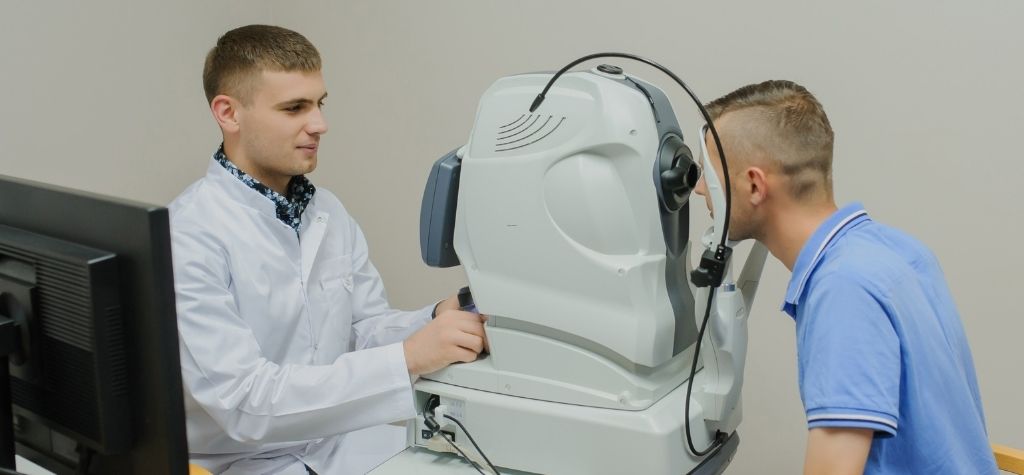
Vision health is closely tied to quality of life. Blurry vision, eye pain, or constant headaches can affect school work, productivity, driving safety and mental well‑being. In addition, optometrists and ophthalmologists can detect diseases such as glaucoma, cataracts, macular degeneration, diabetes and high blood pressure during an eye exam. Some of these conditions have no obvious symptoms until damage has progressed. Addressing signs early makes treatment easier and helps prevent vision loss.
According to a Healthline overview of acupressure and eye health, people often explore eye remedies when they experience blurry vision, dry eyes, irritation, eye strain or double vision. These symptoms are also clear indications that professional eye care is needed. Many eye diseases can be managed successfully when they’re caught early. That’s why optometrists recommend regular comprehensive eye exams—even if you feel you see fine.
1. Persistent Blurry or Double Vision
What it feels like
Blurry vision is among the most common reasons people see an eye doctor. You might notice that distant road signs look fuzzy while driving, printed words bleed together on a page, or digital screens appear hazy. In some cases, images may overlap or appear doubled. These changes can develop gradually or seem to come on overnight.
Why it happens
Blurred or double vision often results from refractive errors—conditions in which the shape of the eye prevents light from focusing correctly on the retina. Common refractive errors include:
- Myopia (nearsightedness): Nearby objects are clear while distant objects look blurry. Myopia often begins in childhood and progresses as the eye grows.
- Hyperopia (farsightedness): Distant objects are clear but close work is challenging.
- Astigmatism: Irregular curvature of the cornea or lens causes distorted or blurred vision at all distances.
- Presbyopia: Age‑related loss of near focusing ability that starts around age 40.
Blurred vision can also signal more serious conditions such as cataracts, glaucoma or macular degeneration. A Pacific College of Health and Science article on eye acupressure lists several eye points used to treat cataracts, glaucoma, conjunctivitis and blurred vision. Even though the article focuses on complementary therapies, it emphasizes that these eye issues require professional attention.
What to do
If you notice persistent blurriness or doubled images, schedule an eye exam. Your eye doctor will determine whether you need corrective lenses, medication or further testing. Children with undiagnosed refractive errors may struggle academically because they can’t see the board clearly. Adults may experience eyestrain and headaches from squinting to compensate. Corrective eyewear or surgery can restore sharp vision, improve safety and reduce fatigue.
During your visit, discuss any other symptoms you notice, such as halos around lights, trouble seeing at night, or changes in peripheral vision. Early detection and treatment not only improve sight but can also prevent dangerous accidents.
2. Frequent Headaches or Eye Strain

When headaches signal a vision problem
Occasional headaches are common, but persistent or worsening headaches may indicate eye problems. You might feel a dull ache around the eyes, temples or brow after reading, using a computer or driving. Some people experience migraines accompanied by blurred vision or sensitivity to light.
Headaches can stem from uncorrected refractive errors—if your eyes constantly strain to focus, they become fatigued. Prolonged screen use, poor lighting and improper ergonomics also contribute to digital eye strain. According to a University of Minnesota acupressure guide, massaging the temples (Taiyang point) and the hand’s LI 4 point can temporarily relieve headaches. However, the guide cautions that acupressure “protocols are general in nature and more serious symptoms require professional care”. In other words, treating the symptom without addressing its cause is not enough.
When to act
See an eye doctor if:
- You frequently reach for painkillers due to eye‑area headaches.
- Headaches worsen after prolonged reading or screen time.
- You experience pain behind the eyes or in the temples.
A comprehensive eye exam can identify whether vision problems or underlying health issues are contributing to your headaches. Your optometrist may prescribe glasses with anti‑fatigue lenses, blue‑light filters or adjust your prescription. In addition, they may recommend posture changes, proper lighting, regular breaks using the 20‑20‑20 rule (every 20 minutes, look 20 feet away for 20 seconds) and good hydration. If headaches persist, follow up with your primary care physician to investigate other causes.
3. Dry, Itchy or Watery Eyes
Recognizing dry eye symptoms
Your eyes naturally produce tears to lubricate the surface, wash away debris and prevent infection. When tear production decreases or the tears evaporate too quickly, dry eye disease can develop. Symptoms include:
- Redness or irritation
- Sandy, gritty or burning sensations
- Excessive tearing (a reflex to dryness)
- Blurred or fluctuating vision
- Light sensitivity and eye fatigue
A 2021 systematic review noted that dry eye disease symptoms such as redness, dryness, poor visual quality, photophobia and ocular irritation affect a significant portion of adults. Although dry eye is often associated with aging, it can affect anyone who spends long hours reading, using digital devices or in dry environments. Contact lenses, certain medications, autoimmune diseases and hormonal changes also contribute.
When to see an eye doctor
Occasional dryness from dusty air or screen time can often be relieved by blinking more often and using artificial tears. However, persistent dryness, burning or watering should be evaluated. Chronic dry eye can damage the cornea and increase infection risk. Your optometrist may recommend lubricating drops, prescription medication, lifestyle changes (such as increasing humidity and taking screen breaks) or procedures to preserve tear film. Don’t ignore dryness; addressing it promptly can make reading, working and outdoor activities more comfortable.
4. Night Vision Problems or Difficulty Adapting to Light Changes

What it means
Do you find it hard to read road signs at night, see pedestrians in dimly lit areas or adjust quickly when leaving a bright room? Difficulty seeing at night or adapting to light changes can indicate vision changes that warrant a comprehensive eye exam.
Poor night vision may be caused by:
- Cataracts, which cloud the eye’s natural lens and scatter light. Early cataracts may not cause noticeable daytime symptoms but can significantly reduce night driving safety.
- Vitamin A deficiency, which is necessary for the retina to detect light.
- Refractive errors that become more noticeable in low light when pupils dilate.
- Retinal disorders such as retinitis pigmentosa.
Light sensitivity (photophobia) is sometimes tied to dry eye disease, migraines, infections or inflammation. If you need extra light to read or often avoid dark environments, schedule an eye exam.
Steps to take
An eye doctor can identify whether glasses, surgery or lifestyle changes can improve night vision. They may recommend anti‑reflective lens coatings, tinted lenses or surgery to remove cataracts. Taking vitamin A through diet (carrots, sweet potatoes, leafy greens) or supplements under medical supervision can help if deficiency is a factor. Always use proper lighting when reading at night and avoid driving in poorly lit conditions until your vision is corrected.
5. Floaters, Flashes or a Curtain Over Your Vision
Identifying the symptoms
Seeing occasional tiny spots, squiggly lines or “cobwebs” drifting across your field of vision is common, particularly as we age. These floaters are usually harmless clumps of collagen in the vitreous humor. However, a sudden increase in floaters, flashes of light or the sensation of a curtain or shadow moving across your vision may signal a retinal tear or detachment. This is a medical emergency—retinal detachment can lead to permanent vision loss if not treated promptly.
Other serious causes of floaters or flashes include:
- Posterior vitreous detachment, in which the vitreous separates from the retina.
- Uveitis, inflammation of the eye’s middle layer.
- Eye injury or trauma.
What to do
If you suddenly notice new floaters, flashes or a dark curtain, call an eye doctor immediately or go to the emergency room. Early treatment, often via laser or surgery, can prevent permanent damage. Even if floaters are mild, mention them at your next eye exam so your optometrist can monitor changes. Protect your eyes from injury by wearing sunglasses, safety goggles and avoiding direct sun exposure.
6. Eye Pain, Redness or Swelling

Recognizing discomfort
Pain, redness or swelling in one or both eyes is never normal. You might experience sharp, aching or throbbing pain, notice bloodshot eyes or feel pressure. Some conditions associated with these symptoms include infections (conjunctivitis or “pink eye”), inflammation, corneal abrasions, foreign bodies, glaucoma or uveitis.
A Healthline overview notes that acupuncture points around the eyes are used to relieve conditions such as headache, eye strain, conjunctivitis, redness, swelling, pain and eyelid twitching. While acupressure may provide temporary comfort, underlying causes require professional diagnosis and treatment.
When to seek help
See an eye doctor immediately if you experience:
- Sudden severe eye pain or headache.
- Redness accompanied by discharge or sensitivity to light.
- Swelling around the eye, especially if you were recently injured.
Infections like bacterial conjunctivitis usually resolve with antibiotic drops, while viral infections may require observation. Glaucoma and uveitis need urgent care to prevent vision loss. Don’t wait for pain to subside on its own; ignoring it can lead to complications.
7. Trouble Focusing or Performing Daily Visual Tasks
Understanding focus changes
Do you squint at road signs, pull things closer to see details, or lean forward to read your phone? Trouble focusing or performing routine tasks like reading, driving or working at a computer indicates you may need an eye test. Children often tilt their heads or sit close to the television to compensate for poor vision. Adults may find themselves enlarging text on screens or avoiding tasks that require sustained focus.
Factors contributing to focusing issues include:
- Untreated refractive errors (myopia, hyperopia, astigmatism).
- Presbyopia, which affects near vision after age 40.
- Eye teaming or focusing disorders, where the eyes don’t work together smoothly.
Digital devices exacerbate focusing problems. Staring at screens reduces blinking, dries the eyes and forces the visual system to constantly adjust. Healthline notes that eye strain and fatigue are common reasons people explore eye remedies. A thorough eye exam can determine the cause and provide solutions.
Strategies and solutions
Your optometrist may prescribe single‑vision or multifocal glasses, contact lenses or vision therapy. They can also educate you about ergonomic practices such as adjusting monitor height, increasing font size and taking regular breaks. Children with focusing issues may benefit from early intervention to prevent academic difficulties and improve hand‑eye coordination. If left untreated, focusing problems can lead to headaches, neck pain and decreased productivity.
When to Schedule an Eye Test Even If You Feel Fine
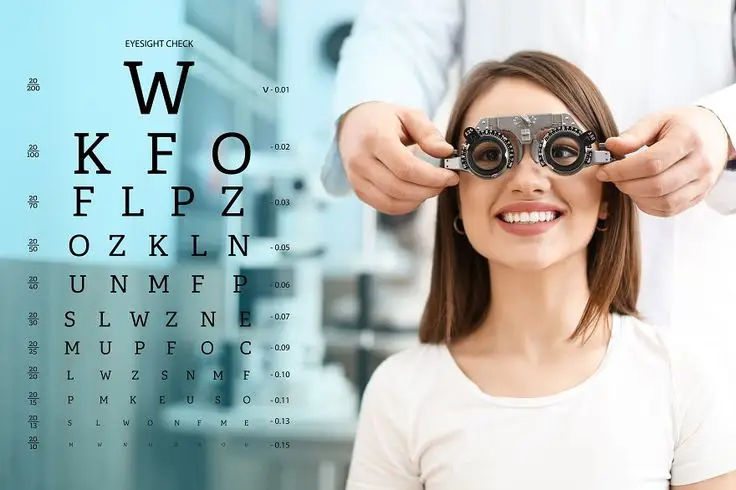
While the seven signs above are clear indicators that you should see an eye doctor, regular check‑ups are essential even when your vision feels stable. Experts recommend:
- Children and teens: Eye exams at six months, three years, before starting school and every one to two years thereafter. Early detection of lazy eye (amblyopia) and misalignment ensures proper development.
- Adults under 40: Every two years, or more often if you wear glasses or contacts.
- Adults over 40: Annual exams to monitor presbyopia, cataracts and glaucoma.
- People with diabetes or high risk of eye disease: Annual or more frequent exams.
Regular visits allow your eye doctor to track subtle changes, update prescriptions, and counsel you on nutrition (vitamins A, C, E, zinc and omega‑3s), UV protection and healthy screen habits. They can also coordinate care with your primary doctor if systemic illnesses such as diabetes, hypertension or autoimmune disorders affect your eyes.
Lifestyle Tips for Healthier Eyes
Maintaining eye health involves more than scheduling eye exams. Simple daily practices can relieve discomfort and reduce the risk of vision problems:
- Follow the 20‑20‑20 rule: Take a 20‑second break every 20 minutes to look 20 feet away. This relieves strain and encourages blinking.
- Blink often and use lubricating drops: Especially in dry environments or when using digital devices.
- Wear UV‑blocking sunglasses: Protect your eyes from ultraviolet rays and reduce the risk of cataracts and macular degeneration.
- Eat a balanced diet: Include leafy greens, colorful fruits, fish and nuts rich in vitamins A, C, E and omega‑3 fatty acids. These nutrients support retinal health and tear production.
- Stay hydrated: Dehydration contributes to dry eyes. Drink water throughout the day.
- Practice safe hygiene: Wash your hands before touching your eyes, replace makeup regularly and follow lens care instructions.
- Manage underlying health conditions: Control blood sugar and blood pressure to reduce the risk of diabetic retinopathy and hypertensive retinopathy.
Conclusion: Listen to Your Eyes
Your eyes are intricate organs that reflect your overall health. Blurry vision, persistent headaches, dry eyes, night vision problems, floaters, eye pain and trouble focusing are signals that you should not ignore. As Healthline notes, people often seek eye remedies when they experience blurry vision, dry eyes, irritation or eye strain, and acupressure points are used to relieve symptoms like headaches, redness and swelling. However, acupressure and home remedies are not substitutes for professional eye care.
Scheduling a comprehensive eye exam is an actionable step you can take today. Regular check‑ups help prevent vision loss, improve performance in school and work, and detect systemic conditions early. Alongside professional care, adopt healthy eye habits—limit screen time, wear protective eyewear, eat nutrient‑rich foods and manage health conditions. By paying attention to subtle signs and acting promptly, you preserve not only your sight but also your independence and quality of life.
