
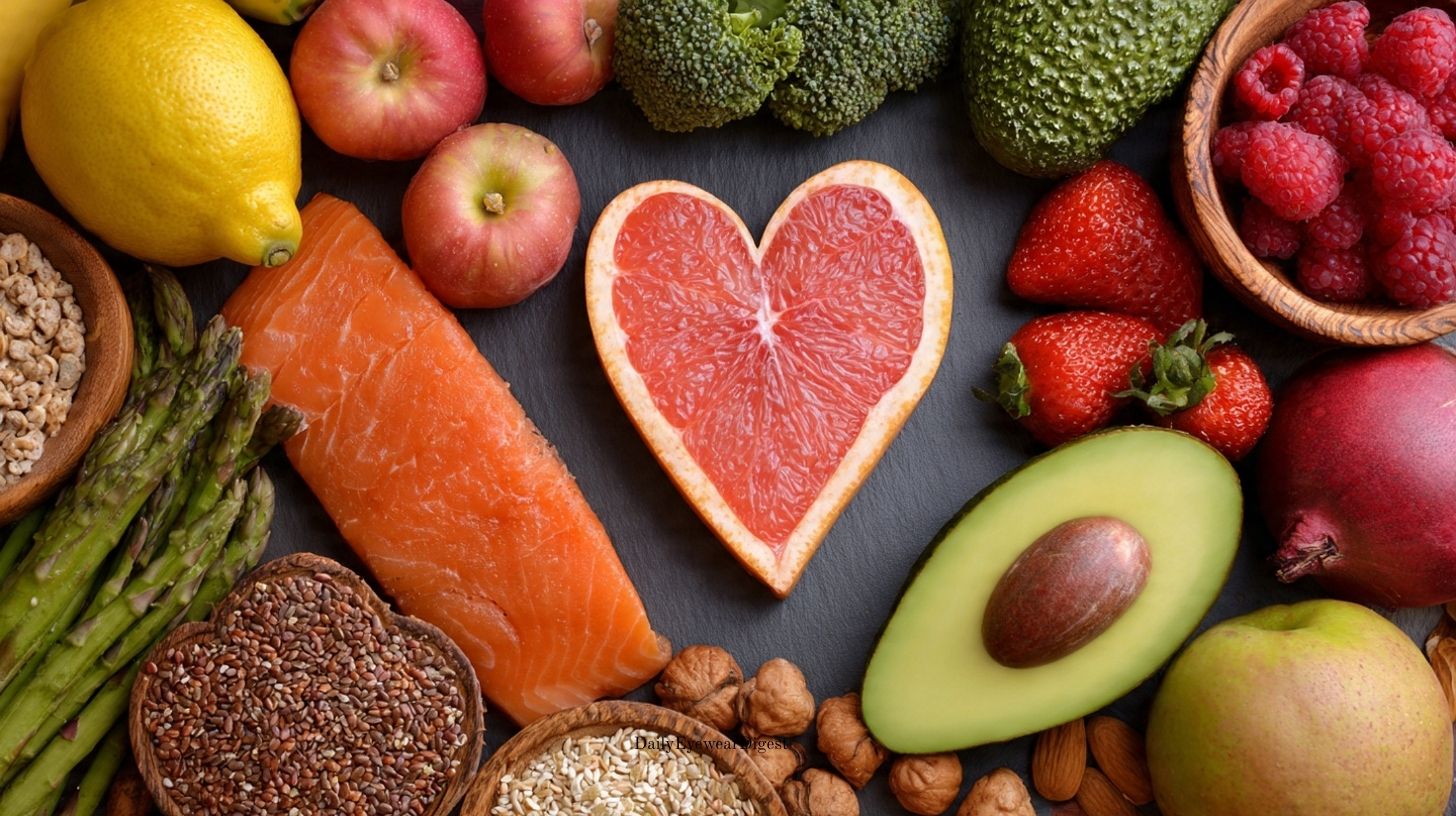
You may have heard that carrots are good for your eyes, but they are only part of the story. Our eyes are complex organs that rely on a range of nutrients to stay healthy. Research shows that certain vitamins and minerals can help maintain vision, protect against age‑related diseases and support the long‑term health of the retina. The good news is that you can find these nutrients in everyday foods, and they work best when eaten as part of a balanced diet. This article explores six nutrients that play a vital role in keeping your eyes healthy and offers practical tips on how to include them in your meals.
Why Nutrition Matters for Eye Health

As we age, the risk of eye diseases such as cataracts, diabetic retinopathy and age‑related macular degeneration (AMD) increases. The eye is particularly vulnerable to oxidative damage because it is exposed to light and has a high metabolic rate. Antioxidants and anti‑inflammatory compounds in food can help counteract this damage. Studies such as the National Eye Institute’s Age‑Related Eye Disease Study (AREDS) have shown that high doses of vitamins C and E, beta‑carotene (a form of vitamin A), zinc and copper can reduce the risk of developing advanced AMD by about 25 percent. Later research (AREDS2) refined this formula by replacing beta‑carotene with lutein and zeaxanthin to make it safer for smokers. These findings highlight the value of specific nutrients in protecting vision.
Below are six nutrients that have been identified as important for eye health. For each nutrient, you’ll learn how it helps your eyes, where to find it and how much you might need. Remember that the best approach is to eat a variety of foods, as nutrients often work together to support vision.
1. Vitamin A and Beta‑Carotene
Role in Eye Health
Vitamin A is essential for maintaining the integrity of surface tissues and for vision in low light. It supports the mucous membranes of the eye and helps prevent infections. In the retina, vitamin A combines with protein to form rhodopsin, a pigment necessary for seeing at night. A deficiency can lead to night blindness and dry eyes. The body cannot make vitamin A on its own, so it must come from foods.
Beta‑carotene is a carotenoid that the body converts into vitamin A. It is abundant in orange and dark‑green fruits and vegetables. The AREDS1 trial showed that supplementation with beta‑carotene plus vitamins C and E and zinc reduced the risk of advanced AMD. However, very high doses of beta‑carotene supplements can increase lung cancer risk in smokers. For this reason, the AREDS2 formulation replaced beta‑carotene with lutein and zeaxanthin.
Top Food Sources
Vitamin A exists in two forms: preformed vitamin A (from animal sources) and provitamin A carotenoids (from plants). Including both forms can help meet your needs:
- Orange and dark‑green vegetables: Carrots, sweet potatoes, pumpkins, spinach and kale are rich in beta‑carotene. Just one medium carrot contains over 5 mg of beta‑carotene.
- Fruits: Mangoes, papayas and apricots provide beta‑carotene and other carotenoids.
- Animal sources: Liver, egg yolks and dairy products like milk and cheese offer preformed vitamin A.
- Dark leafy greens: Although less sweet, collard greens and spinach deliver carotenoids that the body can convert to vitamin A.
Tip: Vitamin A is fat‑soluble, so pair these foods with a small amount of healthy fat—such as olive oil or nuts—to improve absorption.
2. Vitamin C (Ascorbic Acid)
Role in Eye Health
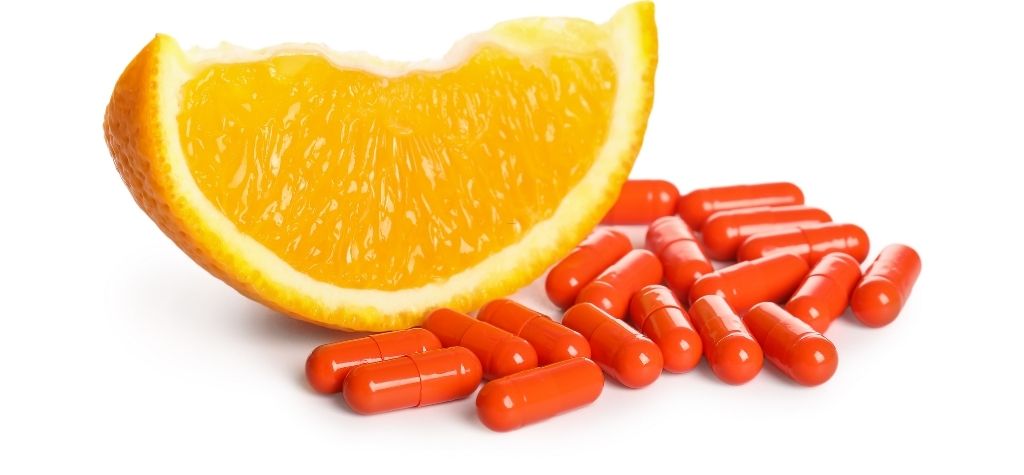
Vitamin C is a powerful water‑soluble antioxidant. It helps build collagen, a structural protein that strengthens blood vessels in the eye. Vitamin C also protects proteins, lipids and DNA from oxidative damage and can regenerate vitamin E, restoring its antioxidant capacity. The eye has a high concentration of vitamin C, and blood levels of this vitamin correlate with its levels in ocular tissues.
The AREDS study used 500 mg of vitamin C daily, significantly higher than the Recommended Dietary Allowance (RDA) of 75 mg for women and 90 mg for men. While high doses are used in clinical trials, you can obtain plenty of vitamin C through diet. Many fruits and vegetables provide more than the RDA in a single serving.
Top Food Sources
- Citrus fruits: Oranges, grapefruit and tangerines are classic vitamin C sources. A single orange provides about 70 mg.
- Berries: Strawberries, blueberries and kiwis are packed with vitamin C.
- Vegetables: Tomatoes, red and green peppers and broccoli contain significant amounts. Cooked Brussels sprouts and kale also provide vitamin C.
- Herbs: Fresh parsley and thyme can boost vitamin C intake when used in cooking.
Quote: “Good sources of vitamin C include citrus fruits, berries, tomatoes and broccoli”. Including these foods helps protect the eye’s collagen‑rich structures.
3. Vitamin E (α‑Tocopherol)
Role in Eye Health
Vitamin E is a family of eight fat‑soluble antioxidants. α‑Tocopherol is the form maintained in human tissues and the one that meets the RDA. The retina is rich in polyunsaturated fatty acids, which are especially vulnerable to oxidation. Vitamin E protects cell membranes by neutralizing free radicals, preventing chain reactions of lipid peroxidation. It also influences immune function and reduces inflammation. Studies suggest that vitamin E works together with vitamin C; vitamin C can regenerate oxidized vitamin E, restoring its antioxidant activity.
The RDA for vitamin E is 15 mg of α‑tocopherol for adults. According to national dietary surveys, many adults consume less than this amount. Eating vitamin E‑rich foods can help bridge the gap.
Top Food Sources
- Nuts and seeds: Almonds, sunflower seeds and hazelnuts provide high amounts of vitamin E. For example, a quarter cup of sunflower seeds contains 12 mg.
- Vegetable oils: Wheat‑germ oil, safflower oil and sunflower oil are concentrated sources.
- Green leafy vegetables: Spinach and Swiss chard offer moderate amounts of vitamin E while also supplying other antioxidants.
- Avocado: This fruit is rich in healthy fats and provides about 3 mg of vitamin E per serving.
Tip: Because vitamin E is fat‑soluble, include these foods as part of meals containing healthy fats to aid absorption.
4. Zinc
Role in Eye Health
Zinc is a trace mineral essential for retina health and overall visual function. It is a cofactor for over 300 enzymes. In the eye, zinc is part of the antioxidant enzyme superoxide dismutase, which helps neutralize harmful free radicals. Zinc also plays a role in immune function, protein structure and cell membrane stability. Without enough zinc, the retina becomes more susceptible to oxidative damage and may suffer impaired function.
The AREDS formula includes 80 mg of zinc (as zinc oxide) along with copper to prevent zinc‑induced copper deficiency. While this dose is higher than the RDA (11 mg/day for men and 8 mg/day for women), it was used to slow disease progression in clinical trials. Most people can meet their needs through diet.
Top Food Sources
- Seafood: Oysters, crab and other shellfish provide large amounts of zinc. A serving of oysters contains nearly 25 mg.
- Meat and poultry: Beef, pork and turkey dark meat supply between 1 and 4 mg of zinc per serving.
- Legumes and beans: Chickpeas, lentils and baked beans are vegetarian sources of zinc.
- Nuts and seeds: Cashews and almonds contribute smaller amounts.
- Dairy products: Milk and yogurt provide zinc along with protein and calcium.
Tip: Some plant foods contain phytates, which can reduce zinc absorption. Soaking, sprouting or fermenting grains and legumes can improve bioavailability.
5. Lutein and Zeaxanthin

Role in Eye Health
Lutein and zeaxanthin are carotenoids concentrated in the macula, the central region of the retina. Unlike beta‑carotene, they do not have vitamin A activity. Instead, they act as macular pigment, absorbing high‑energy blue light and quenching reactive oxygen species. By filtering blue light and reducing oxidative stress, these pigments may help protect against AMD and cataracts. Studies suggest that consuming around 6 mg per day of lutein and zeaxanthin is associated with a decreased risk of AMD, but many adults consume less than 2 mg per day.
Top Food Sources
- Leafy green vegetables: Kale and spinach are top sources, with cooked kale supplying over 10 mg per half‑cup.
- Other vegetables: Broccoli, peas and Brussels sprouts contain modest amounts.
- Yellow and orange produce: Corn, pumpkin and yellow peppers provide lutein and zeaxanthin along with beta‑carotene.
- Egg yolks: Eggs are an accessible animal source; their carotenoids are highly bioavailable.
Quote: Lutein and zeaxanthin “are concentrated in the macula… and are believed to limit retinal oxidative damage by absorbing incoming blue light”.
6. Omega‑3 Fatty Acids (EPA & DHA)
Role in Eye Health
Omega‑3 fatty acids, particularly eicosapentaenoic acid (EPA) and docosahexaenoic acid (DHA), play several roles in eye health. DHA is a major component of the retina. Omega‑3s modulate inflammation, reduce oxidative stress and support blood vessel health in the eye. The NEI notes that long‑chain omega‑3 fatty acids may influence membrane properties in photoreceptor cells and affect signalling. Studies in mice have shown that increasing omega‑3 intake and reducing omega‑6 fatty acids can decrease retinopathy severity by 40–50 percent. This animal research suggests that omega‑3s may protect against abnormal blood vessel growth in the retina, which is relevant to retinopathy and AMD.
There is no RDA for EPA or DHA. However, the American Heart Association recommends eating fish rich in omega‑3s (such as salmon or sardines) twice per week. The FDA considers up to 3 g per day of combined EPA and DHA safe for adults. People with heart disease may benefit from higher intakes, but always consult a doctor before taking supplements.
Top Food Sources
- Fatty fish: Salmon, mackerel, herring and sardines provide 0.9–1.8 g of EPA+DHA per 3‑ounce serving. Wild and farmed salmon are both good sources.
- Seafood: Trout, tuna and crab also contain substantial omega‑3s.
- Plant sources: Flaxseed, chia seeds and walnuts contain alpha‑linolenic acid (ALA), a precursor that the body can convert to EPA and DHA, though conversion is limited.
- Algae oil: For vegetarians and vegans, algae‑derived supplements provide DHA and EPA directly.
Tip: To get omega‑3s through diet, aim for two servings of fish per week and sprinkle ground flaxseed on cereals or salads.
Evidence From the Age‑Related Eye Disease Studies

The AREDS and AREDS2 clinical trials, conducted by the National Eye Institute, provide strong evidence for nutrient supplementation in high‑risk individuals. Key findings include:
- Reduced risk of AMD progression: Taking the AREDS or AREDS2 supplements lowered the risk of progression from intermediate to advanced AMD by about 25 percent.
- No effect on AMD onset: The supplements do not prevent AMD from developing initially.
- No effect on cataracts: There was no significant impact on cataract progression.
- Smokers should avoid beta‑carotene: Because high doses of beta‑carotene may increase lung cancer risk, current and former smokers should use the AREDS2 formula without beta‑carotene.
- Omega‑3 supplements: Omega‑3 supplements did not have a measurable effect on AMD or cataract in AREDS2, though dietary omega‑3s still offer other health benefits.
The AREDS2 formula includes vitamin C (500 mg), vitamin E (400 IU), lutein (10 mg), zeaxanthin (2 mg), zinc oxide (80 mg) and copper oxide (2 mg). These nutrients correspond to the ones highlighted above. If you have intermediate AMD or are at high risk, talk to your ophthalmologist about whether these supplements are appropriate for you.
Dietary Patterns for Eye Health
Mediterranean Diet
Beyond individual nutrients, research highlights the benefits of the Mediterranean diet for eye and overall health. This eating pattern emphasizes plant‑based foods, whole grains, olive oil and fish. The American Academy of Ophthalmology reports that following the Mediterranean diet can lower the progression of late‑stage AMD by 25 percent or more. The diet is also linked to reduced risk of cognitive decline and cardiovascular disease.
Features of the Mediterranean diet:
- High consumption of fruits and vegetables (including leafy greens rich in lutein and zeaxanthin).
- Primary fat source from olive oil instead of butter.
- Regular intake of fatty fish (source of omega‑3s).
- Moderate intake of dairy products and limited red meat and sweets.
Following this diet aligns naturally with the six nutrients discussed. It provides a framework for balanced meals that support eye health.
Balanced Diet and Lifestyle Tips
- Eat a rainbow of produce: Different colors represent different phytonutrients. Dark greens supply lutein and zeaxanthin, oranges and yellows provide beta‑carotene and vitamin C, and reds and blues contribute other antioxidants.
- Include healthy fats: Nutrients like vitamins A, E and carotenoids require fat for absorption. Use olive oil, nuts and seeds to enhance uptake.
- Consume fish twice weekly: This ensures adequate omega‑3 intake and supports heart and eye health.
- Limit processed foods and added sugars: A diet high in refined grains and sugar can promote inflammation and oxidative stress, countering the benefits of antioxidants.
- Stay hydrated: Water helps maintain the balance of fluids in your eyes and prevents dry eye.
- Don’t rely solely on supplements: Whole foods deliver a package of nutrients that work together. Supplements can be helpful for those at high risk or with deficiencies, but they should complement, not replace, a nutritious diet.
Conclusion: Nourish Your Eyes for the Future
Eye health isn’t just about genetics or regular eye exams. What you eat today can influence how well you see tomorrow. Vitamins A, C and E, zinc, lutein, zeaxanthin and omega‑3 fatty acids are powerful allies in maintaining long‑term vision. Studies like AREDS show that specific combinations of these nutrients can slow the progression of diseases like macular degeneration. However, the best way to protect your eyes is through a balanced diet rich in colorful fruits and vegetables, lean proteins and healthy fats.
Make small changes: snack on almonds instead of chips, add spinach to your omelet, choose salmon over processed meats, and top your salad with a citrus vinaigrette. These simple steps ensure your diet provides the nutrients your eyes need to stay healthy. Talk with your eye care provider about any supplements, especially if you have a family history of eye disease or are a smoker. By nourishing your body with these six essential nutrients, you are taking proactive steps toward clearer vision and healthy eyes for years to come.
Disclaimer: This article is for informational purposes and does not replace professional medical advice. Consult a healthcare provider for personalized dietary recommendations.