

You wake up after eight hours of sleep, but your eyes feel heavy, dry or achy. The rest of your body seems rested, yet your vision is blurry and you find yourself rubbing your eyes before breakfast. This common experience leaves many people asking, “Why are my eyes still tired?” Eye fatigue isn’t always tied to how long you sleep. It’s often a sign of strain, dryness, allergies or even underlying health conditions. Understanding these causes can help you adjust your routine and protect your vision.
Digital Eye Strain: A Modern Culprit
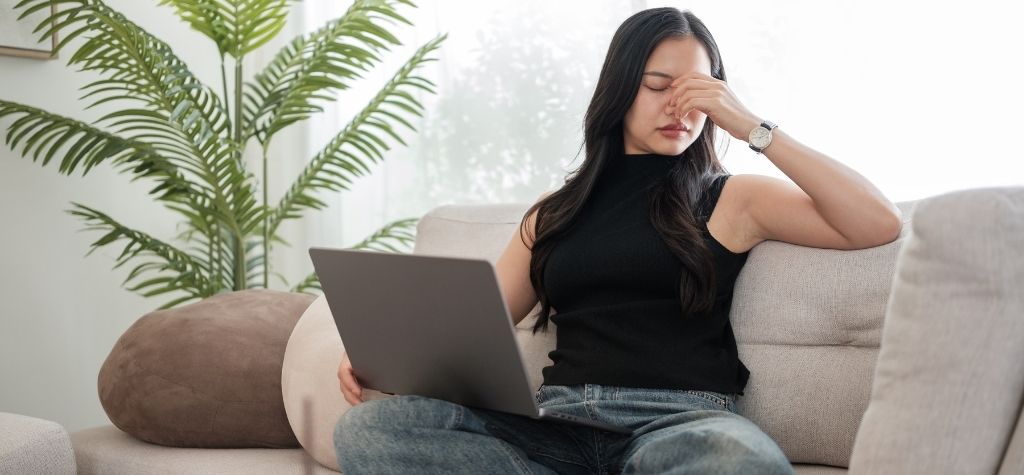
Digital devices dominate daily life. Phones, tablets and computers deliver information at a cost: they make our eyes work harder. Computer vision syndrome, also called digital eye strain, is a collection of symptoms that include tired eyes, blurry vision, headaches and neck pain. The Cleveland Clinic explains that digital screens cause constant refocusing on pixels and low‑contrast images, and they reduce our blink rate to just three to seven blinks per minute. Less blinking dries the eyes and leaves them feeling gritty and fatigued.
Why Screens Strain Your Eyes
- Reduced blinking: When you stare at screens, you blink less often. Fewer blinks mean your tears evaporate faster, leading to dry, irritated eyes.
- Poor posture and viewing angle: Looking at screens that are too high or too close forces your eye muscles to stay tense. Cedars‑Sinai notes that extended use of digital devices, poor posture and wrong viewing distance are key causes of digital eye strain.
- Uncorrected vision problems: If you need glasses but aren’t wearing the right prescription, your eyes will strain to focus. Cleveland Clinic recommends correcting refractive errors with appropriate glasses or contact lenses to lessen digital eye strain.
- Glare and contrast: Glare from windows or overhead lights and poor screen contrast make your eyes work harder to distinguish details.
How to Reduce Digital Eye Strain
- Follow the 20‑20‑20 rule: Every 20 minutes, look at something at least 20 feet away for 20 seconds. Cedars‑Sinai recommends this simple habit to relax eye muscles.
- Position screens correctly: Place monitors 4–5 inches below eye level and 20–28 inches from your eyes. Adjusting your viewing angle reduces stress on eye muscles.
- Blink consciously and use lubricating drops: Make a conscious effort to blink more often. Over‑the‑counter artificial tears can replenish moisture when blinking isn’t enough.
- Adjust lighting and contrast: Reduce glare by closing blinds, using low‑wattage bulbs and adjusting the contrast settings on your devices.
- Wear the right prescription: A vision check every year helps ensure your glasses or contacts match your current needs.
Dry Eye Disease and Hydration
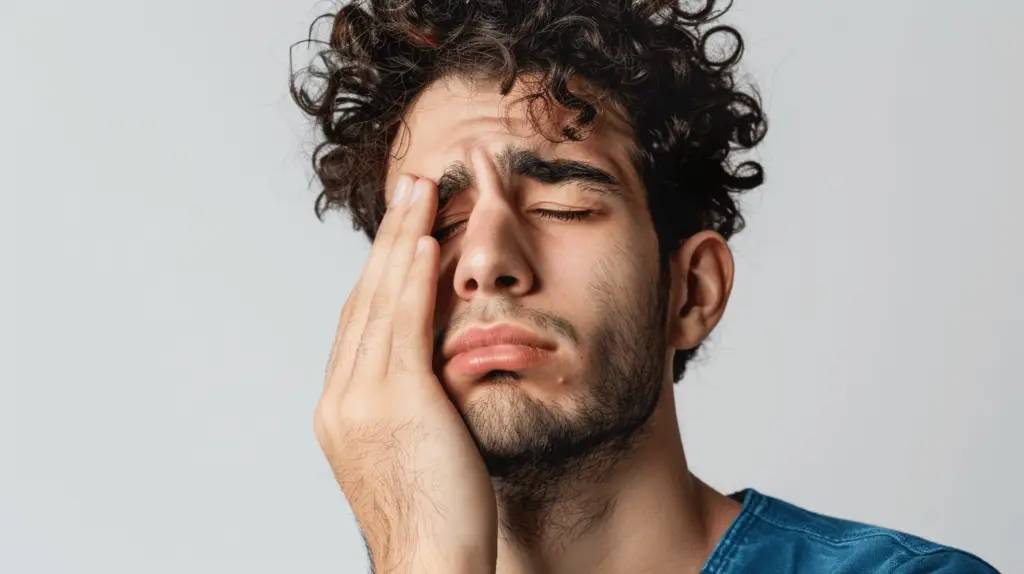
If your eyes feel dry and gritty when you wake up, dry eye disease may be involved. Dry eye occurs when your tear film, composed of water, oils and mucus, doesn’t provide enough lubrication. Cleveland Clinic notes that dry eyes develop when you don’t produce enough tears or when tears evaporate too quickly. Symptoms include burning, itching, fluctuating vision and watery eyes. Dry eye is common in older adults, but younger people can also develop it due to environment, medications or prolonged screen use.
The Role of Dehydration
Hydration matters because tears are mostly water. Medical News Today reports that dehydration dries the mucous membranes, including the conjunctiva (the tissue lining the eyelid and surface of the eye), which can contribute to dry eyes. Drinking enough fluids and using artificial tears may help resolve dry eyes caused by dehydration. The American Optometric Association (AOA) recommends drinking 8–10 glasses of water daily to prevent dehydration and reduce dry eye symptoms.
The BostonSight nonprofit cited research showing that older adults with sub‑optimal hydration had higher rates of dry eye. Another study reviewed by BostonSight concluded that assessing hydration status is important in managing chronic eye diseases. These findings highlight that simple habits like refilling a water bottle throughout the day can make a difference.
Other Causes of Dry Eye
Dry eye has many triggers:
- Environment: Low humidity, air conditioning and wind can cause tears to evaporate quickly.
- Medications: Certain drugs used to treat depression, allergies, high blood pressure and glaucoma reduce tear production.
- Health conditions: Autoimmune diseases (such as Sjögren’s syndrome), thyroid disease and diabetes are associated with dry eye.
- Contact lens use: Wearing lenses for long periods can disrupt the tear film.
- Hormonal changes and aging: Women and people over 50 are more likely to develop dry eye due to hormonal shifts.
Dry Eye Relief Tips
- Stay hydrated: Sip water throughout the day. Fruits and vegetables with high water content (cucumbers, watermelon) also contribute to fluid intake.
- Use artificial tears: Lubricating drops mimic natural tears and relieve dryness.
- Apply warm compresses: Warm compresses help open blocked oil glands in the eyelids.
- Add omega‑3 fatty acids: Foods like fatty fish and flaxseed or supplements can support tear production.
- Control your environment: Use a humidifier, avoid direct airflow from fans or heaters, and wear wraparound sunglasses on windy days.
- Talk to a doctor: Persistent dry eye can signal underlying health issues. An eye exam checks tear production, eyelid health and tear evaporation time.
Sleep Quality and Dry Eye
Sleep Disorders and Dry Eye
Sometimes, the problem isn’t the length of sleep but its quality. Sleep disorders such as insomnia, sleep apnea and circadian rhythm disturbances affect tear production and eye health. A 2022 review in Nature and Science of Sleep noted that poor sleep quality and sleep dysfunction are significantly associated with the severity of dry eye. In a large study, sleep apnea, insomnia and sleeping less than five hours were independently linked to dry eye symptoms. People with autoimmune conditions like Sjögren’s syndrome often experience sleep disorders, with one study reporting that over 80 % of patients had sleep problems.
Sleep deprivation reduces tear secretion and alters tear composition. Experimental research cited in the same review showed that lack of sleep leads to hypertonic (salty) tears, shorter tear breakup time and reduced tear secretion. Ten days of sleep deprivation caused corneal epithelial defects and lacrimal gland changes, although some changes reversed after two weeks of rest. These findings explain why your eyes may still feel tired if you sleep poorly or have untreated sleep apnea.
How to Improve Sleep Quality
- Establish regular sleep patterns: Go to bed and wake up at consistent times, even on weekends. The National Institutes of Health recommend adults get at least seven hours of sleep each night.
- Limit screen time before bed: Blue light from screens can suppress melatonin and disrupt circadian rhythms. Put devices away an hour before bedtime and use “night mode” settings.
- Manage sleep apnea: If you snore loudly or feel exhausted during the day, talk to your doctor about sleep apnea. Treatment (such as CPAP machines or oral appliances) can improve sleep quality and reduce eye fatigue.
- Create a sleep‑friendly environment: Keep your bedroom cool, dark and quiet. Consider blackout curtains and white noise machines.
- Avoid stimulants: Reduce caffeine and nicotine late in the day.
- Exercise regularly: Moderate exercise during the day promotes better sleep but avoid vigorous workouts close to bedtime.
Eye Allergies and Irritants
If your eyes itch, burn or tear, allergic conjunctivitis might be the culprit. The American College of Allergy, Asthma and Immunology (ACAAI) explains that eye allergy symptoms include itching, redness, burning and clear, watery discharge. Common triggers include pollen, pet dander, dust mites, mold and smoke. When your eyes react to allergens, the body releases histamine, causing blood vessels to dilate and making the eyes swell and water.
Allergies can make eyes feel tired because constant itching and rubbing inflame the ocular surface. Moreover, oral antihistamines used to treat allergies can dry out the eyes. If you wake up with puffy, irritated eyes, allergens in your bedroom (dust mites, pet hair or mold) may be to blame.
Allergy Management Tips
- Avoid triggers: Keep windows closed during high pollen seasons, use air conditioning, and dust frequently. Wear sunglasses outside to shield your eyes from pollen.
- Use artificial tears: Lubricating drops wash away allergens and relieve irritation.
- Consider antihistamine eye drops: Topical antihistamine or mast‑cell stabilizer drops can reduce itching. Note that some decongestant drops should not be used longer than a week.
- Consult an allergist: Persistent symptoms warrant evaluation. Testing can identify specific allergens and immunotherapy may provide long‑term relief.
Uncorrected Vision and Refraction Issues
Your prescription might be the reason your eyes feel tired. Attempting to read, drive or use screens without the correct glasses forces your focusing muscles to work overtime. The Cleveland Clinic notes that uncorrected refractive errors can make digital eye strain worse, and correcting vision issues is a key part of treatment. If it’s been over a year since your last eye exam or you’re noticing blurred vision or headaches when you read, schedule a check‑up.
Systemic Health Conditions: When Eye Fatigue Signals Something More

Sometimes eye fatigue reflects broader health issues. Iron deficiency anemia occurs when your body lacks iron to produce hemoglobin. Mayo Clinic explains that without enough hemoglobin, less oxygen reaches your tissues, which can cause extreme tiredness, weakness and headaches. If you wake up tired despite good sleep and experience symptoms like paleness, dizziness or shortness of breath, see your healthcare provider for a blood test.
Chronic illnesses such as thyroid disease, diabetes and autoimmune disorders can also cause dry eyes or fatigue. If over‑the‑counter solutions don’t relieve your eye discomfort, a comprehensive medical evaluation can uncover underlying conditions.
Environmental Factors and Lifestyle Habits
- Dry indoor air: Air conditioners, heaters and fans can strip moisture from the air, worsening dry eye. Use a humidifier in your bedroom, especially in winter.
- Smoke and pollution: Smoke and chemical irritants inflame the ocular surface. Avoid smoking and limit exposure to secondhand smoke.
- Contact lens overuse: Sleeping in contact lenses or wearing them for long hours deprives the cornea of oxygen and can cause dryness and inflammation.
- Medications: Besides antihistamines, medications for depression, blood pressure, acne and hormonal therapy can affect tear production.
When to Seek Professional Help
Occasional eye tiredness usually improves with rest and self‑care. However, you should see an eye doctor if:
- Symptoms persist: Burning, itching, redness or blurred vision that doesn’t improve with hydration or screen breaks warrants an exam.
- Vision changes: Sudden changes in visual clarity or double vision may signal refractive or neurological problems.
- Pain or discharge: Eye pain, discharge or sensitivity to light could indicate infection or inflammation.
- Systemic symptoms: Fatigue accompanied by paleness, dizziness or breathlessness may suggest anemia or other medical issues.
Conclusion: Listen to Your Eyes
Feeling like you haven’t slept even after a full night’s rest can be frustrating, but your eyes are sending you valuable messages. Modern habits — constant screen time, dry environments and late‑night scrolling — are common culprits. Underlying conditions like dry eye disease, sleep disorders, allergies, anemia or uncorrected vision problems can also make your eyes feel tired.
The good news is that many causes are treatable. Hydrate regularly, follow the 20‑20‑20 rule, adjust your screen setup, maintain a consistent sleep schedule, manage allergies and update your eyewear prescription. Simple changes, such as using a humidifier or limiting screen exposure before bed, can provide relief. If self‑care doesn’t help, schedule an eye exam or discuss your symptoms with a healthcare professional. By paying attention to your eye health and overall well‑being, you can wake up with eyes that feel as refreshed as the rest of you.
