

Waking Up to Gritty Eyes
Do you wake up feeling like there’s sand in your eyes? Many people start their day with burning, itchy or gritty eyes. A scratchy feeling first thing in the morning can make you dread getting out of bed. Instead of shrugging it off, it helps to learn what’s going on. In this article we unpack why your eyes get dry overnight and share research‑backed solutions that ease the sting.
Dry eye disease is common. The National Eye Institute notes that dry eye happens when your eyes don’t produce enough tears or the tears don’t work correctly. Without a stable tear film, your eyes can feel uncomfortable and vision can blur. Morning dryness has some unique triggers that can often be managed with simple changes. Let’s explore these triggers and what you can do about them.
What Your Tears Do
Your eyes stay healthy thanks to a thin film of tears that coats the surface. This tear film has three layers: an oily layer, a watery layer and a mucus layer. Each layer has a job. The American Academy of Ophthalmology explains that the oily layer from your meibomian glands prevents tears from evaporating, the watery layer from the lacrimal glands washes away particles, and the mucus layer helps spread tears evenly over your eye. When any of these layers is lacking, your eyes may not stay moist overnight.
Why You Wake Up With Dry Eyes

Morning dryness can stem from several causes. Some factors relate to how your eyelids work during sleep, while others involve environment, age, medications or underlying conditions. Understanding the likely triggers helps you choose the right remedies.
1. Incomplete Eyelid Closure (Nocturnal Lagophthalmos)
One common cause of morning dryness is nocturnal lagophthalmos—the inability to close your eyelids completely while sleeping. Banner Health notes that when your eyelids stay slightly open, tears evaporate more quickly and the exposed part of the eye becomes dry and irritated. Lagophthalmos can occur after nerve injury, eyelid surgery, thyroid disease or facial trauma. Even a small gap between the lids can let air dry out the surface overnight.
Symptoms of nocturnal lagophthalmos include:
- Waking up with irritation, burning or a gritty sensation
- Redness or blurry vision first thing in the morning
- Excess tearing as your eyes try to compensate for the dryness
If you suspect you sleep with your eyes partly open, ask a family member to watch you or record yourself. An eye doctor can diagnose lagophthalmos and suggest treatments like moisture goggles or, in severe cases, eyelid surgery.
2. Blepharitis and Meibomian Gland Dysfunction
Blepharitis is an inflammation of the eyelids that causes redness, crusting and a feeling like something is in your eye. It can be triggered by bacterial overgrowth on the lid margins. The Optometrists Network explains that blepharitis often flares at night, leading to red, itchy eyes upon waking. When blepharitis affects the meibomian glands in your eyelids, it can disrupt the oily layer of your tear film. Without enough oil, tears evaporate faster, especially in dry bedroom air.
Meibomian gland dysfunction (MGD) is actually one of the leading causes of evaporative dry eye. The American Academy of Ophthalmology notes that the meibomian glands may become obstructed, causing the oily layer to disappear and tears to evaporate. Conservative management includes warm compresses and eyelid hygiene to clear blockages and restore oil flow.
3. Environmental Factors
Your bedroom environment plays a big role in how your eyes feel in the morning. Sleeping directly under a ceiling fan, next to a heating or air‑conditioning vent or in a room with very low humidity can dry the tears on your eyes. The Eye & Ear of the Palm Beaches clinic points out that fans and vents blowing across your face can cause a gritty, irritated sensation when you wake up. Dust, pet dander or other allergens in your room can also inflame your eyes overnight, especially if you have allergies.
4. Medications and Systemic Conditions
Some medications are known to decrease tear production. Antihistamines, decongestants, antidepressants, antipsychotics, blood pressure medicines, hormones and pain relievers can all contribute to dry eye. You may not realize that a pill you take at night leaves your eyes feeling parched the next morning. Hormonal changes during menopause or pregnancy can also reduce tear production, making women more prone to morning dryness.
Autoimmune conditions like rheumatoid arthritis, Sjögren’s syndrome, thyroid disease and lupus can affect tear glands and lead to chronic dry eye. If you have these conditions, talk with your doctor about managing both the systemic disease and your eye symptoms.
5. Age and Hormonal Changes
As we age, tear production declines. Mayo Clinic notes that being older than 50 is a significant risk factor for dry eyes. The hormonal shifts of menopause can also lead to decreased tears. Older adults and post‑menopausal women often notice the worst dryness in the morning because tears evaporate overnight and replenish more slowly.
6. Screen Time and Reduced Blinking
If you fall asleep watching TV or scroll your phone right before bed, you might blink less often than usual. Reduced blinking, common when focusing on screens, contributes to increased tear evaporation. Going to sleep after prolonged screen exposure can leave your eyes drier the next morning. Cleveland Clinic warns that environment and lifestyle factors, including screen time and contact lens wear, are major risk factors for dry eye.
How Morning Dry Eye Feels

Dry eye symptoms vary, but many people describe waking up to a burning, stinging or scratchy sensation. You might see stringy mucus in your eyes, feel like something is stuck under your lid or notice increased tearing as your eyes try to lubricate themselves. Light sensitivity and blurry vision can make it hard to start your day. In severe cases, chronic morning dryness can even damage the cornea or lead to infections.
What Helps: Practical Solutions
Fortunately, there are straightforward steps you can take to reduce morning dry eye. These approaches range from lifestyle tweaks to medical treatments and work best when tailored to the cause of your dryness. In mild cases, home remedies may be all you need. For persistent or severe symptoms, partner with an eye care professional.
1. Improve Your Sleep Environment
- Use a humidifier: Increasing moisture in your bedroom helps slow tear evaporation. The National Eye Institute suggests using a humidifier to keep indoor air from becoming too dry. Cleveland Clinic also recommends a humidifier if your home has low humidity. Place it near your bed and clean it regularly to prevent mold.
- Position fans and vents away from your face: If you need a ceiling fan or HVAC unit for comfort, make sure it isn’t blowing directly on your eyes while you sleep. Redirect airflow or use diffusers to keep air from drying your tear film.
- Reduce allergens: Wash bedding regularly, use allergy‑proof pillow covers and vacuum carpets to minimize dust mites and pet dander. Consider an air purifier if you are sensitive to indoor allergens.
- Dim screens before bed: Limit screen time an hour before sleep to encourage natural blinking. This gives your tear film a chance to stabilize before you close your eyes for the night.
2. Practice Eyelid Hygiene
Keeping your eyelids clean helps control blepharitis and meibomian gland dysfunction. Try these steps:
- Warm compress: Apply a clean, warm compress over closed eyes for 5–10 minutes. The warmth softens hardened oils in your meibomian glands and encourages them to flow. Cleveland Clinic suggests using a heat mask from the drugstore each evening.
- Lid massage: After the compress, gently massage your eyelids with clean fingers or a cotton swab. Move from the base of the lashes toward the lid margin to express oils. Be careful not to press on your eyeball.
- Lid scrub: Use a mild, preservative‑free eyelid cleanser or diluted baby shampoo on a cotton pad to clean the lash line. This removes debris and bacteria that contribute to inflammation. Rinse with warm water and pat dry.
Performing this routine before bed can prevent overnight buildup and keep your glands functioning. If you have severe blepharitis, your doctor might prescribe medicated wipes or antibiotics.
3. Lubricate Your Eyes at Night
- Artificial tears: Over‑the‑counter lubricating eye drops can soothe dryness and provide temporary relief. Choose preservative‑free artificial tears and use them during the day as needed. For nighttime, look for a thicker gel or ointment. Mayo Clinic recommends using artificial tears regularly to keep the eyes lubricated.
- Ophthalmic ointments: These petroleum‑based gels coat the eye surface and stay in place longer than watery drops. Apply a small amount in the lower lid before bedtime. Be aware that ointments can blur your vision temporarily, so use them right before sleep. If you wake up with crusty lashes, gently clean them to avoid irritation.
- Moisture goggles or sleep masks: Special goggles or sleep masks designed to trap moisture help reduce evaporation during sleep. They are particularly useful for people with nocturnal lagophthalmos.
4. Adjust Medications (With Doctor Guidance)
Since many medications can contribute to dryness, ask your physician whether any drugs you take might be causing morning dry eye. Cleveland Clinic lists medications for depression, allergies, blood pressure, glaucoma, menopause and pain as potential culprits. Do not stop prescription medicines on your own. Your doctor may be able to adjust the dose, switch to a different drug or recommend eye drops to counteract side effects.
5. Stay Hydrated and Eat a Balanced Diet
Dehydration reduces tear volume. Aim to drink eight to ten glasses of water a day, as recommended by the National Eye Institute. Eating foods rich in vitamin A and omega‑3 fatty acids also supports tear production. Vitamin A is abundant in carrots, broccoli and liver. Omega‑3s are found in fatty fish, walnuts and vegetable oils. If your diet lacks these nutrients, talk to your doctor about supplements. Cleveland Clinic notes that omega‑3 supplements may help some people with dry eye, though research is mixed and they are not a cure‑all.
6. Blink Breaks and Eye Exercises
When you spend hours looking at screens, you blink less often and tears evaporate. To counter this, follow the 20‑20‑20 rule: every 20 minutes, look at something 20 feet away for at least 20 seconds. This relaxes your eye muscles and encourages blinking. You can also consciously blink five to ten times before bed to refresh your tear film.
7. See an Eye Care Professional
If home remedies don’t improve your morning dryness, schedule an eye exam. An optometrist or ophthalmologist can check for underlying issues like lagophthalmos, MGD or autoimmune disease. Diagnostic tests such as tear breakup time or Schirmer’s test measure how fast your tears evaporate and how much you produce. Depending on the cause, your doctor may suggest:
- Prescription eye drops: Medications like cyclosporine (Restasis) or lifitegrast (Xiidra) can help your eyes make more tears.
- Punctal plugs: Tiny plugs placed in your tear ducts help keep tears on your eyes.
- Thermal pulsation or intense pulsed light (IPL): These treatments heat and massage the meibomian glands to release trapped oils.
- Surgery: In severe cases of lagophthalmos or eyelid malposition, surgical correction may be necessary.
Prevention Tips: Keep Eyes Moist Overnight
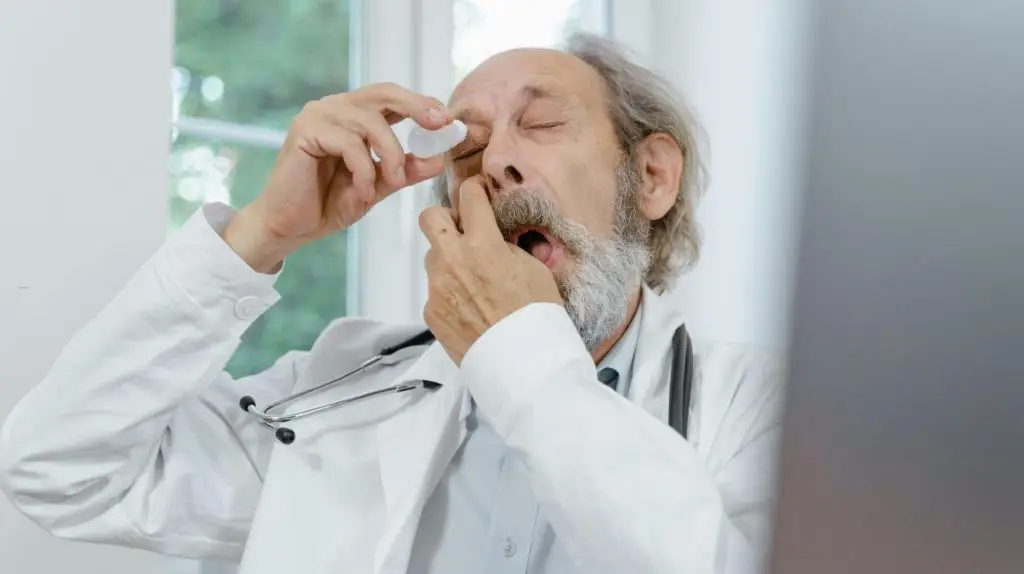
Prevention is key to reducing morning dry eye. Mayo Clinic offers several practical tips:
“Avoid air blowing in your eyes … Add moisture to the air … Take eye breaks during long tasks … Position your computer screen below eye level … Stop smoking and avoid smoke.”
These suggestions help maintain a stable tear film. Combining them with healthy habits—such as getting 7–8 hours of sleep, staying hydrated and protecting your eyes with sunglasses when outdoors—further reduces dryness.
When to Seek Medical Help
Occasional morning dryness is often manageable, but persistent symptoms require professional evaluation. See an eye doctor if you experience:
- Symptoms lasting longer than a few weeks or worsening over time
- Severe pain or sudden vision changes
- Signs of infection, such as yellow discharge or swelling
- A history of autoimmune disease or thyroid problems
Untreated dry eye can lead to complications like corneal ulcers, infections and vision loss. Early diagnosis and treatment protect your sight and improve quality of life.
Conclusion: Start the Day with Comfortable Eyes
Dry eyes every morning can be frustrating, but you’re not powerless. By understanding the causes—such as incomplete eyelid closure, blepharitis, environmental factors, medications, age and screen habits—you can take targeted steps to reduce discomfort. Simple changes like using a humidifier, practicing eyelid hygiene, lubricating your eyes before bed and staying hydrated often bring relief. For persistent or severe symptoms, don’t hesitate to consult an eye care professional; modern treatments can restore your tear film and help you wake up to clear, comfortable vision.
