

Why Midday Dryness Happens More Often Than You Think

If you wear contact lenses regularly, you’ve probably noticed a familiar pattern. Your eyes feel perfectly fine in the morning—clear, comfortable, and hydrated. But by midday, things start to change. Your lenses feel dry, your eyes become irritated, and blinking no longer brings relief.
This isn’t just a minor inconvenience. Understanding why your contact lenses feel dry by midday is essential for protecting your eye health and preventing long-term complications.
Just like the habits highlighted in your reference article , many everyday behaviors quietly impact your eyes without you realizing it. Midday dryness is often the result of multiple small factors working together—your environment, habits, lens type, and even your diet.
The good news? Once you understand the causes, simple changes can dramatically improve your comfort.
How Contact Lenses Interact With Your Eyes
The Tear Film: Your Eye’s Natural Defense System
Your eyes are naturally protected by a thin layer of moisture called the tear film. This film plays a critical role in keeping your vision clear and your eyes comfortable.
It consists of three layers:
- Lipid (oil) layer: Prevents tears from evaporating too quickly
- Aqueous (water) layer: Provides hydration and nutrients
- Mucin layer: Ensures tears spread evenly across the eye
Contact lenses sit directly on this tear film. When everything is balanced, your lenses feel smooth and invisible. But when the tear film becomes unstable, dryness quickly develops.
Why Contact Lenses Can Disrupt This Balance
Unlike glasses, contact lenses interact directly with your eye surface. This creates a few challenges:
- They can absorb moisture from your tears
- They may reduce oxygen flow to the cornea
- They can trap debris or deposits over time
As the day progresses, these effects become more noticeable—especially if your eyes are already under stress.
Why Your Contact Lenses Feel Dry by Midday
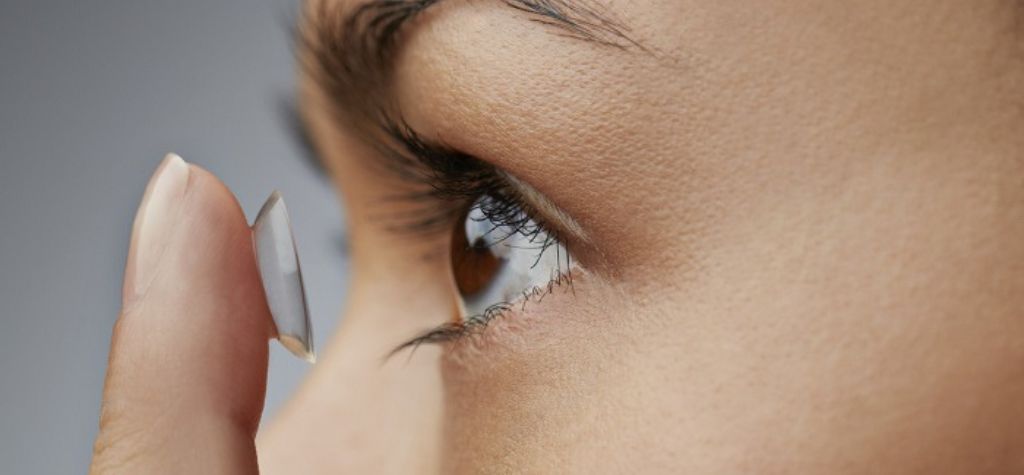
1. Natural Decline in Tear Production
Your body doesn’t maintain the same level of tear production throughout the day. Tear secretion often decreases as the hours pass, especially if you’re tired, dehydrated, or stressed.
By midday, your eyes may simply not be producing enough moisture to keep your lenses comfortable.
2. Environmental Factors That Speed Up Dryness
Modern environments are not eye-friendly. Several common conditions accelerate tear evaporation:
- Air conditioning systems
- Indoor heating
- Wind exposure
- Low humidity rooms
These factors strip moisture from your eyes faster than your body can replace it.
Why it matters: Even if your eyes are healthy, a dry environment can quickly lead to discomfort.
3. Digital Eye Strain and Reduced Blinking
One of the biggest hidden causes—just like excessive screen use discussed in your reference article—is reduced blinking.
When using phones, laptops, or tablets:
- Blink rate drops by nearly 50%
- Tears are not evenly distributed
- Dry spots form on the eye surface
This is a major reason why your contact lenses feel dry by midday, especially for students and office workers.
4. Contact Lens Material and Design
Not all lenses are created equal. Some materials:
- Absorb more water
- Lose moisture faster
- Allow less oxygen to pass through
Older or low-quality lenses tend to worsen dryness.
5. Poor Contact Lens Hygiene
As emphasized in your uploaded article , hygiene habits play a huge role in eye health.
Common mistakes include:
- Not washing hands before handling lenses
- Reusing old solution
- Wearing lenses longer than recommended
These habits can lead to irritation, dryness, and even infection.
The Science Behind Midday Dryness
Tear Evaporation and the Lipid Layer
The oil layer of your tear film acts like a seal. When this layer weakens:
- Tears evaporate faster
- The eye surface becomes exposed
- Lenses lose hydration
This process is often gradual, which is why dryness becomes noticeable later in the day.
Blinking: A Simple Yet Powerful Mechanism
Blinking spreads fresh tears across your eyes. Without it:
- Moisture isn’t evenly distributed
- Debris builds up
- Lenses become uncomfortable
It’s a small action—but critical for comfort.
Lifestyle Habits That Contribute to Dry Contact Lenses
1. Dehydration
Your eyes depend on overall body hydration. If you’re not drinking enough water:
- Tear production decreases
- Eyes become dry faster
2. Poor Diet
As highlighted in your reference content , nutrition plays a major role in eye health.
Important nutrients include:
- Omega-3 fatty acids: Help maintain tear quality
- Vitamin A: Supports eye surface health
- Vitamin C & E: Protect against damage
3. Lack of Sleep
Sleep allows your eyes to recover and restore moisture balance. Without enough rest:
- Tear production drops
- Sensitivity increases
- Dryness worsens
Medical Conditions That May Be Involved
Dry Eye Syndrome
A common condition where your eyes either:
- Don’t produce enough tears
- Produce poor-quality tears
This condition often makes contact lens wear more difficult.
Allergies
Allergens can cause:
- Itching
- Redness
- Increased dryness
Rubbing your eyes (a habit warned against in your reference article) can make things worse.
Hormonal Changes
Hormonal fluctuations—especially in teenagers and adults—can affect tear production and eye sensitivity.
How Screen Time Makes Everything Worse
Reduced Blink Rate
When focused on a screen, your blink rate drops dramatically. This leads to:
- Uneven tear distribution
- Increased evaporation
- Faster lens dehydration
Eye Fatigue and Discomfort
Digital strain doesn’t just dry your eyes—it also makes dryness feel more intense.
Best Contact Lens Options for Dry Eyes
Daily Disposable Lenses
- Fresh pair every day
- Less buildup of deposits
- Better moisture retention
Silicone Hydrogel Lenses
- Allow more oxygen
- Improve comfort for long wear
Specialized Moisture-Retaining Lenses
Designed specifically for people with dry eyes.
Practical Tips to Prevent Midday Dryness
Follow Proper Lens Hygiene
- Wash hands before handling lenses
- Replace lenses as recommended
- Use fresh solution daily
Use Lubricating Eye Drops
Artificial tears can:
- Restore moisture instantly
- Improve comfort throughout the day
Take Regular Screen Breaks
Follow the 20-20-20 rule:
- Every 20 minutes
- Look 20 feet away
- For 20 seconds
Stay Hydrated
Drink water consistently throughout the day—not just when thirsty.
Home Remedies for Quick Relief
Warm Compresses
Help improve oil gland function and reduce tear evaporation.
Conscious Blinking Exercises
Make a habit of blinking fully and frequently—especially during screen use.
When You Should See an Eye Specialist
Seek professional help if you experience:
- Persistent dryness
- Pain or redness
- Blurry vision
- Sensitivity to light
Early intervention can prevent serious complications.
FAQs: Why Your Contact Lenses Feel Dry by Midday
1. Is midday dryness normal?
Yes, but frequent discomfort may indicate underlying issues.
2. Can I wear contacts all day comfortably?
Yes—with proper care, hydration, and the right lenses.
3. Do eye drops help?
Yes, especially contact lens–safe lubricating drops.
4. Are daily lenses better?
Often, yes—they reduce buildup and improve comfort.
5. Does screen time affect dryness?
Absolutely. Reduced blinking is a major cause.
6. Can diet improve eye moisture?
Yes—nutrients like omega-3s and vitamins support tear health.
Conclusion: Small Changes, Big Impact on Eye Comfort
Just like the everyday habits outlined in your reference article , the causes of dry contact lenses are often subtle—but powerful.
Understanding why your contact lenses feel dry by midday allows you to take control of your eye health. Whether it’s improving hydration, reducing screen time, or choosing better lenses, small adjustments can make a huge difference.
Your eyes are one of your most valuable assets. Taking care of them today ensures clear, comfortable vision for years to come.
