

Your pupils are tiny dark circles, but they tell a big story. Each one is like a window into how your eyes and nervous system are working. You might notice that your pupils shrink in bright sunlight and open wide in a dim room. Those changes are normal and help your eyes control how much light enters. But sometimes pupil size can point to health issues you shouldn’t ignore. This article will explain how pupil size works, what influences it and when to pay attention so that you can take better care of your vision.
Understanding pupil anatomy and function
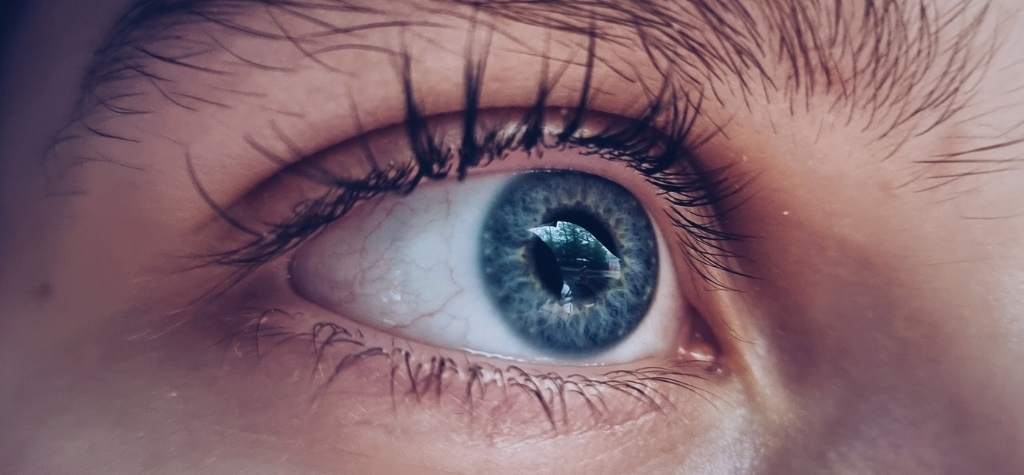
The pupil isn’t a black dot—it’s a circular opening in the colored part of the eye (the iris) that lets light reach the retina. Muscles in the iris control this opening. When it’s bright, the muscles contract and the pupil constricts. In darkness, the muscles relax and the pupil dilates, letting more light in. According to the Cleveland Clinic, a normal pupil measures 2–4 millimeters in bright light and 4–8 millimeters in dim light. Most people have pupils of equal size that change smoothly in response to light and focus changes. Doctors sometimes refer to these reactions as the direct response (change due to light) and the accommodative response (change when focusing on near versus distant objects).
At a glance: pupil size basics
- Normal range: 2–4 mm in bright light; 4–8 mm in low light.
- Equal pupils: Both pupils should be roughly the same size and react similarly to light.
- Light reflex: Pupils constrict in bright light to protect the retina and dilate in darkness to gather more light.
- Accommodation: Pupils shrink when focusing on close objects and widen when looking at something far away.
How pupils react to light, focus and emotions
Light isn’t the only thing that causes your pupils to change. Focusing on a near object stimulates muscles in your iris to constrict the pupils. When you shift your gaze far away, those muscles relax and the pupils widen. Emotions and hormones also play a role. The Cleveland Clinic notes that adrenaline, sexual arousal and even stress can cause pupils to dilate. Research has shown that feelings such as fear or attraction release hormones like adrenaline or oxytocin that trigger the “fight‑or‑flight” response and can make the pupils larger. These changes are usually brief—pupils can return to normal size within minutes.
Doctors sometimes check how pupils respond using a swinging light test or other exam techniques. WebMD explains that by comparing how each pupil reacts, an eye specialist can spot problems like differences in nerve function. A sudden change in pupil reaction or size without an obvious reason is a sign you should see a doctor.
When pupil size signals trouble: anisocoria (unequal pupils)
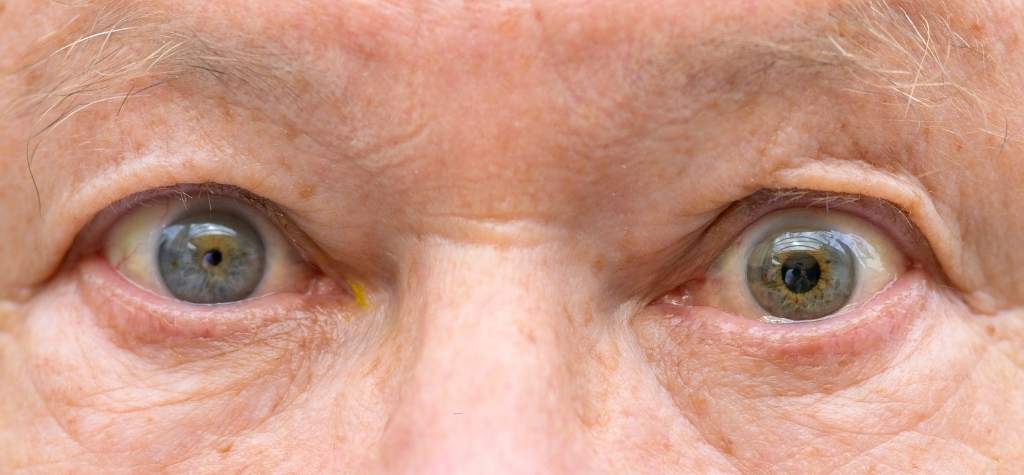
Sometimes one pupil looks larger than the other. This condition is called anisocoria. Johns Hopkins Medicine states that up to 20 percent of people have a slight natural difference in pupil size (physiologic anisocoria) and it’s usually harmless. However, if the difference in size appears suddenly or is accompanied by symptoms like double vision, drooping eyelids or eye pain, it could point to a serious problem and you should seek emergency care.
The Cleveland Clinic warns that new unequal pupils, especially if one pupil is stuck larger or smaller than normal, can be a sign of underlying conditions like migraines, reaction to medications, eye injuries or more serious issues such as brain aneurysms, strokes or tumors. Unequal pupils combined with headaches, vision loss or neck pain warrant immediate medical attention. An ophthalmologist may perform a detailed exam with a slit‑lamp microscope and order imaging tests like MRI if an underlying neurological cause is suspected.
Fortunately, physiologic anisocoria requires no treatment. If a health condition is causing the asymmetry, the underlying problem must be treated, and the pupil size typically returns to normal.
Dilated pupils (mydriasis): causes and implications
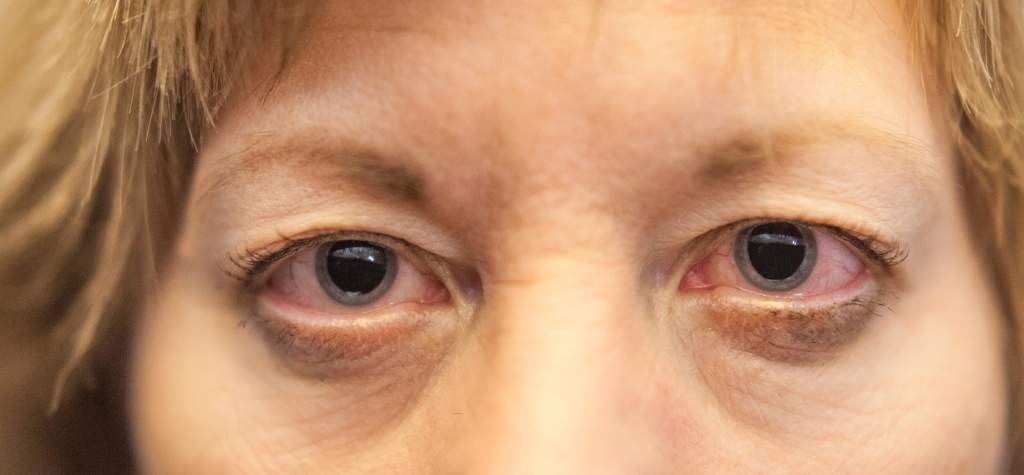
Mydriasis is the term for abnormally large pupils that don’t constrict properly. The Cleveland Clinic notes that pupils are considered dilated when they remain larger than normal or do not respond to light. Mydriasis can occur in one or both eyes. Common causes include:
- Eye exams: Dilating drops used during eye exams cause temporary mydriasis.
- Medications and drugs: Many prescription and over‑the‑counter medications—such as antidepressants, antihistamines, anti‑nausea drugs, seizure medications and eye drops containing atropine—can dilate pupils. Recreational drugs like cocaine, ecstasy, LSD and certain psychedelics are also known causes.
- Brain or eye injuries: Head trauma, microvascular nerve palsy and eye injuries can damage the nerves that control the iris, causing one or both pupils to dilate.
- Emotions and hormones: Adrenaline and oxytocin released during stress, attraction or sexual arousal can temporarily enlarge the pupils.
- Medical conditions: Disorders such as Adie’s pupil, ocular or classic migraines and neurological conditions can lead to persistent pupil dilation.
Most dilated pupils return to normal when the underlying cause passes (for example, when the effect of eye drops or adrenaline wears off). However, sudden or persistent dilation accompanied by dizziness, headache or confusion may signal a stroke or brain injury and requires urgent medical evaluation. Treatment focuses on addressing the cause—such as stopping medications, treating head trauma or controlling migraines. In rare cases where one pupil stays enlarged and affects appearance, prosthetic contact lenses or surgery may be considered.
Constricted pupils (miosis): causes and implications
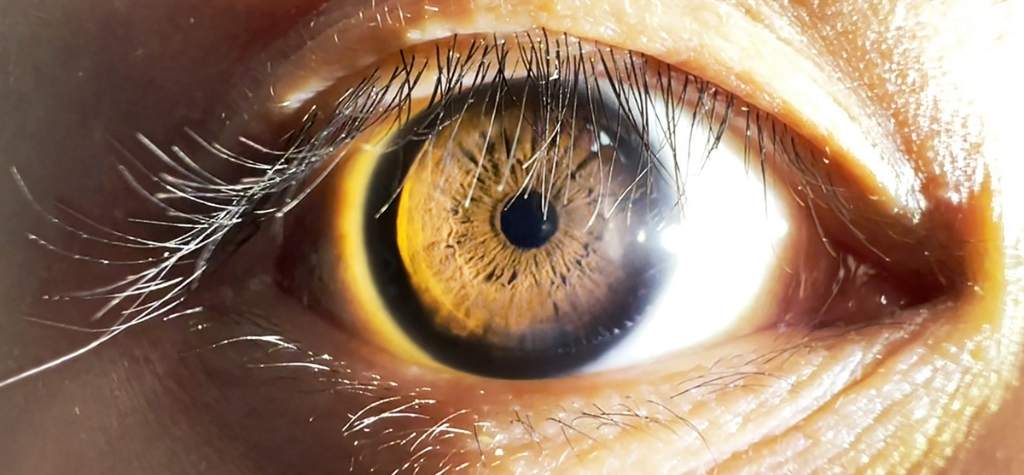
When the pupils remain unusually small, the condition is called miosis or pinpoint pupils. The Cleveland Clinic explains that with miosis the iris muscles tighten around the pupil, so it stays small even if the light changes. Causes include:
- Opioids and other medications: Painkillers like codeine, oxycodone and fentanyl, as well as barbiturates and glaucoma drops like pilocarpine, can cause pinpoint pupils.
- Horner’s syndrome: Damage to the sympathetic nerves connecting the brain to the eye results in a persistently small pupil, drooping eyelid and reduced sweating on one side of the face. Mayo Clinic notes that Horner syndrome’s signs include a small pupil that dilates slowly in dim light, ptosis and lack of facial sweating.
- Poisoning: Exposure to organophosphate insecticides, benzodiazepines or clonidine can constrict pupils.
- Inflammatory eye diseases: Uveitis and iritis cause inflammation in the uvea or iris, leading to miosis and light sensitivity.
- Brainstem injuries and strokes: Damage to the pons area of the brainstem or bleeding within the skull can cause pinpoint pupils.
- Neurosyphilis: Untreated syphilis can lead to Argyll Robertson pupils—small pupils that don’t react to light.
- Cluster headaches: Severe headaches that occur in clusters sometimes produce miosis and drooping on one side.
Because miosis often signals an underlying condition, it should nearly always be evaluated by a healthcare provider. Treatment may involve discontinuing the offending drug, using anti‑inflammatory drops or addressing systemic diseases such as syphilis or brain injury. Protecting your eyes from injury—by wearing safety goggles or helmets during sports—and avoiding misuse of medications can help prevent some causes of pinpoint pupils.
Systemic health factors that influence pupil size
While immediate causes of pupil changes often involve the eyes or nervous system, research suggests that general health and medications can affect baseline pupil size. A population‑based study of more than 9,500 participants (18,335 eyes) from the Gutenberg Health Study reported that the median pupil diameter was about 4.19 mm in the right eye and 4.12 mm in the left eye—within the normal range noted earlier. The study found that smaller pupils were associated with older age, hyperopia (farsightedness), previous cataract surgery, diabetes, obesity and use of ACE inhibitor medications, whereas wider pupils were linked to female sex, arterial hypertension and use of certain antidepressants (tricyclic or SNRI). Smoking and socioeconomic status were not related to pupil size. These findings suggest that systemic health factors, medications and even gender can subtly influence how wide your pupils typically are.
Knowing these associations can help clinicians interpret pupil size during eye exams. For example, a patient with diabetes or a history of cataract surgery may naturally have smaller pupils. That baseline difference should be considered when evaluating for anisocoria or planning imaging procedures requiring a certain pupil size, such as fundus photography for diabetic retinopathy screening.
Neurological and emotional insights
Pupil size is also an important neurological sign. Unequal or abnormal pupils can be the first clue to a third cranial nerve palsy or brain aneurysm—conditions that require urgent treatment. WebMD explains that third‑nerve palsy can cause one pupil to dilate along with a drooping eyelid and double vision, often signalling pressure on the nerve from an aneurysm or tumor. Horner’s syndrome, discussed above, usually results from injury along the sympathetic nerve pathway and may point to stroke, tumor, lung cancer or a problem in the neck or chest.
Doctors routinely use pupillary responses as part of the neurological exam. After a blow to the head or a suspected concussion, unequal or fixed pupils can be a sign of serious brain injury. That’s why coaches and emergency responders are trained to “check the pupils” after trauma.
Emotional and cognitive states can also influence pupil size through the autonomic nervous system. While more subtle than the changes caused by light, increased mental effort, excitement or stress can trigger adrenaline release and dilate the pupils. Some researchers have explored using pupil dilation as a marker of cognitive load or emotional arousal, but such uses remain experimental. For everyday purposes, remember that momentary changes due to emotions are normal and generally short‑lived.
Protecting your eyes and when to seek help
Your pupils work hard every day to regulate light and focus, but they need your support. Here are practical tips to keep them healthy:
- Schedule regular eye exams. An optometrist or ophthalmologist can detect subtle pupil abnormalities and underlying conditions early.
- Protect your eyes from injury. Wear safety glasses when playing sports or doing yard work and use helmets when biking or skateboarding.
- Use medications responsibly. Only take prescribed doses of painkillers, antihistamines or other drugs that may affect pupil size. If you notice changes, ask your doctor whether medication adjustments are needed.
- Manage chronic health conditions. Keeping blood sugar under control, maintaining a healthy weight and treating hypertension can reduce systemic factors linked to abnormal pupil size.
- Listen to your body. Seek medical care if you notice sudden pupil changes, unequal pupils, severe headaches, vision loss, dizziness or confusion. These may signal serious eye or brain problems like stroke, aneurysm or infection.
When to call a doctor
Call a healthcare provider right away if:
- One pupil is larger than the other and you also experience pain, vision changes or headaches.
- Both pupils are extremely dilated or constricted without an obvious cause and don’t respond to light.
- Pupil changes occur after a head injury or are accompanied by confusion, difficulty walking or slurred speech.
Conclusion: A small window with big insights
Pupil size is more than just a cosmetic feature—it offers clues about your eye health, your nervous system and sometimes your overall wellness. Normal pupils adjust to light, focus and even emotions, while persistent changes like anisocoria, mydriasis or miosis may indicate underlying problems. Systemic factors such as age, medications, diabetes and hypertension can also influence baseline pupil size. By paying attention to your pupils and getting regular eye exams, you can catch potential issues early and keep your eyes in top condition. If you notice sudden or unexplained changes in your pupils, don’t wait—contact an eye care specialist. Your pupils may be tiny, but they can reveal a great deal about your health.
