

A World Tinted in Color
Picture yourself walking down a busy street. Some people wear standard clear glasses. Others have lenses tinted in rose, amber, green or blue. These colored lenses aren’t just for fashion. They can change how we see the world and how others see us. What does your lens color say about you? Scientists and psychologists have studied how color influences mood, attention and even physical well‑being. In this article we’ll explore the science of color, the psychology behind different tints and how to choose a shade that matches your personality and needs.
The Science Behind Colored Lenses
How Color Affects Mood and Attention
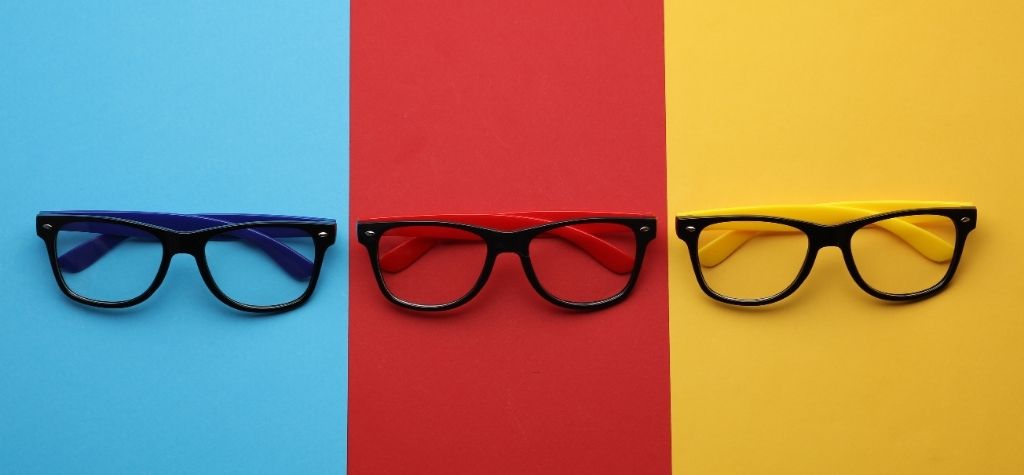
Colors have long been linked with emotions and behavior. Research shows that color associations may have roots in evolution. For example, red coloration in animals signals dominance and mating success. In humans, seeing red can evoke excitement or arousal, but it can also be linked to danger and anger. Green often brings to mind safety and nature. Studies found that green can promote creativity and has a calming, stress‑reducing effect. Yellow is commonly used for warning signs; its high visibility tells our brains to pay attention.
These associations happen because our visual system evolved to detect certain colors for survival. The Ecological Valence Theory suggests that we like colors linked to positive experiences such as ripe fruit or healthy plants. Color perception also follows the circumplex model of emotion, where feelings are plotted on axes of arousal and valence. Red lies in the high‑arousal end of this model, while green and blue sit in the low‑arousal, positive area. These biological and cultural associations influence how we react to tinted lenses.
Blue Light and Your Circadian Rhythm
Light doesn’t just let us see. It tells our bodies when to sleep and wake. Special cells in the retina called intrinsically photosensitive retinal ganglion cells contain melanopsin, a photopigment most sensitive to wavelengths around 460–480 nm. These cells regulate melatonin, the hormone that helps us sleep. Studies have shown that blue light in the 460–480 nm range is particularly effective at shifting our internal clock and increasing alertness and cognitive performance. This is why looking at bright screens before bed can make it harder to fall asleep.
Wearing lenses that filter blue light may help protect your circadian rhythm. Some clear lenses have a subtle amber tint to block short‑wavelength light while still allowing enough brightness for daytime activities. However, blocking too much blue light during the day could reduce alertness. As with many things in life, balance is key.
Tinted Lenses for Health and Comfort
Colored lenses aren’t just for style. They can ease eye conditions such as photophobia (light sensitivity) and migraines. Rose‑colored FL‑41 lenses, which filter wavelengths around 480 nm, have been studied as a treatment for chronic migraine and benign essential blepharospasm (a condition causing involuntary eyelid spasms). In a study of 37 individuals with chronic migraine, lenses that blocked 480 nm light improved headache impact and photophobia scores over two weeks. Another study found that people with blepharospasm reported less photophobia, improved reading and decreased spasm frequency when wearing FL‑41 lenses. These findings suggest that certain tinted lenses can reduce uncomfortable symptoms for people with specific conditions.
Yellow tinted lenses have also been shown to modulate attention. Research cited by neuroscientists found that yellow tints improved reading speed and reaction time. They also enlarge the pupils and block harmful short‑wavelength light, which may protect the eyes from damage. Blue‑blocking lenses, often marketed for computer use, filter out shorter wavelengths and can reduce glare and eye strain. Green lenses are sometimes recommended for people with migraines because they exacerbate headaches less than white, blue, amber or red light.
What Your Lens Color Says About You
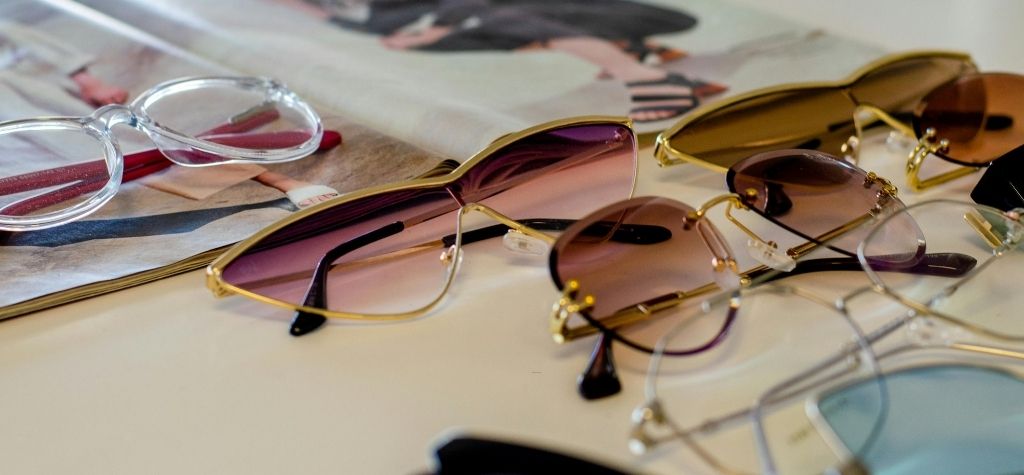
Colored lenses can reflect aspects of your personality, even when worn for practical reasons. The following sections explore common tints and what they might convey.
Red or Rose Tints: Bold and Energetic
Red tinted lenses are eye‑catching. Because red is linked with excitement, dominance and attraction, wearing rose or amber lenses can project confidence and daring. At the same time, red is also associated with danger and anger. People who choose red tints might enjoy standing out in a crowd or expressing a passionate personality. Athletes sometimes use red or amber lenses to increase contrast on green playing fields; this functional benefit pairs well with the color’s energetic vibe.
Orange or Amber Tints: Warm and Adventurous
Amber lenses sit between yellow and red on the spectrum. They block much of the blue light while preserving color perception, which can sharpen contrast in hazy conditions. People who wear amber tints might enjoy outdoor activities like fishing or hiking, where improved depth perception helps them see details. The warm hue signals enthusiasm and adventure, and it can be easier on the eyes than a deep red.
Yellow Tints: Alert and Optimistic
Yellow tinted lenses filter out blue light and are often used for low‑light or foggy conditions. Studies have shown that yellow tints can boost reading speed and reaction time. In psychology, yellow is linked to optimism and attention — think of bright caution signs and cheerful flowers. Wearing yellow lenses might signal that you’re upbeat and ready to focus. They’re popular among cyclists and indoor gamers who want crisp vision without too much darkness.
Green Tints: Calm and Balanced
Green is a calming color associated with nature, safety and creativity. Green tinted lenses reduce glare while maintaining true color balance, making them comfortable for all‑day wear. Because green light exacerbates migraines less than other colors, many people choose green tints for migraine relief. Fashion‑wise, green lenses convey a relaxed, balanced personality. They can also complement many skin tones and outfits.
Blue Tints: Cool and Tech‑Savvy
Blue tinted lenses often come with reflective mirrored coatings that reduce glare from water, snow or digital screens. Blue is linked with calmness, intelligence and technical skill. In scientific studies, exposure to blue light increases alertness and cognitive performance, though it may disrupt sleep if used late in the day. Wearing blue lenses can give off a modern, cool vibe. They’re popular in fashion but should be used carefully if you’re sensitive to light or have trouble sleeping.
Purple or Violet Tints: Imaginative and Unique
Purple combines the energy of red with the calm of blue. It’s often associated with creativity, luxury and spirituality. Violet lenses are less common and can make a bold fashion statement. Because purple sits between red and blue, it provides a balance of contrast enhancement and glare reduction. People who choose purple lenses might be artistic, independent and eager to express individuality.
Grey or Smoke Tints: Neutral and Practical
Grey lenses are the most common sunglass tint. They reduce overall brightness without distorting colors, making them suitable for most situations. Wearing grey lenses suggests a practical personality that values clarity and understated style. Grey doesn’t carry strong emotional associations, so it conveys neutrality. People who want functional protection without making a bold statement often opt for grey.
Mirror and Gradient Tints: Fashion Forward
Some lenses have mirrored coatings or gradient tints that shift from dark at the top to light at the bottom. Mirror tints bounce light away and are popular for snow sports or desert environments. Gradient lenses offer strong protection from overhead sunlight while allowing more light at the bottom for dashboard viewing. These tints combine functionality with fashion. They often appeal to people who enjoy current trends and want eyewear that stands out.
How to Choose the Right Tint for You

Selecting a colored lens is both an art and a science. Consider the following factors:
- Purpose – Are you wearing the lenses to manage a medical condition, improve vision in certain environments, or purely for fashion? If you suffer from migraines or photophobia, talk to an eye doctor about FL‑41 or green lenses. For general outdoor use, grey or green tints maintain color balance.
- Environment – Think about where you’ll use the glasses. Amber and yellow are great for low‑light conditions or foggy mornings. Blue or mirrored lenses help on bright water or snow. Red and purple are more style‑oriented and may not be ideal for driving.
- Comfort – Try different tints to see how your eyes feel. Yellow and green can be easy on the eyes for extended wear. Strong red or blue tints might be stimulating and could cause fatigue if worn too long.
- Personality and Style – Since colors convey emotion, choose a tint that matches how you want to feel and be perceived. Bold colors draw attention. Neutral tones blend in.
- Protection – Regardless of tint, ensure your lenses block 100% of UVA and UVB radiation. Look for labels like “UV 400” or certification from a reputable organization.
When Fashion Meets Function
Sometimes style and science align. For example, rose‑colored lenses not only give a vintage look but may reduce blue light and improve contrast. Green lenses can be fashionable and also relieve migraines. When you choose a tint thoughtfully, your glasses become both a personal statement and a tool for visual comfort.
Safety and Myths About Colored Lenses
One common myth is that tinted lenses can harm your eyes or permanently change your vision. The Mayo Clinic explains that wearing lenses that are too strong or the wrong prescription may cause temporary headaches or blurred vision but won’t damage your eyes. The same holds true for colored lenses: they may feel strange at first, especially if the color alters contrast, but they are generally safe when worn in the right context.
However, not all colored lenses are created equal. Cheap novelty glasses may lack proper UV protection and optical quality. Wearing lenses that don’t block ultraviolet light can increase the risk of eye damage. Always purchase tinted lenses from reputable sources and verify that they meet safety standards. If you’re considering colored lenses to manage a medical condition, consult an optometrist or ophthalmologist.
Conclusion: Express Yourself Through Color
Colored lenses offer more than just eye protection. They tap into deep biological responses to light and color, shaping our mood and how others perceive us. Red tints can make us feel energized and bold, green shades calm and creative, yellow lenses alert and optimistic. Studies show that certain tints can even help with migraines and visual performance. At the same time, blue light influences our sleep cycles, so choosing the right tint for your lifestyle matters.
When selecting a colored lens, think about your purpose, environment and personal style. Make sure the lenses offer UV protection and are made by trusted manufacturers. If you have medical concerns, consult an eye care professional. Ultimately, the color you choose is a personal statement. Whether you want to project confidence with bold red, stay relaxed with green or keep things neutral with grey, there’s a tint that speaks to you. Let your lenses be a reflection of who you are and how you want to see the world.
