

Shine Bright Without the Glare: Why Driving Sunglasses Matter
Driving on a sunny day should be a pleasure, not a battle against squinting and headaches. Glare bouncing off the road and surrounding surfaces can dazzle you and reduce depth perception, making it harder to react in time to changing conditions. Even worse, the sun’s ultraviolet (UV) rays damage tissues at the eye’s surface and inside your eyeball, increasing risks of cataracts, macular degeneration and skin cancers on the lids. The right driving sunglasses shield your eyes from UV radiation, cut glare, improve contrast and keep you alert behind the wheel. This guide explores what makes a great pair and how to choose sunglasses that fit your lifestyle in 2026.
What to Expect in This Guide
You’ll learn the difference between UV protection and polarization, which tint levels and lens colours work best for driving, and how to avoid common pitfalls like overly dark lenses or poor fit. We’ll highlight recent research and authoritative advice from optometrists, universities and health organisations to help you make an informed choice. You’ll also find suggestions for related reading on Daily Eyewear Digest and ideas for images to enhance your article.
Understanding UV Protection: Non‑Negotiable Safety
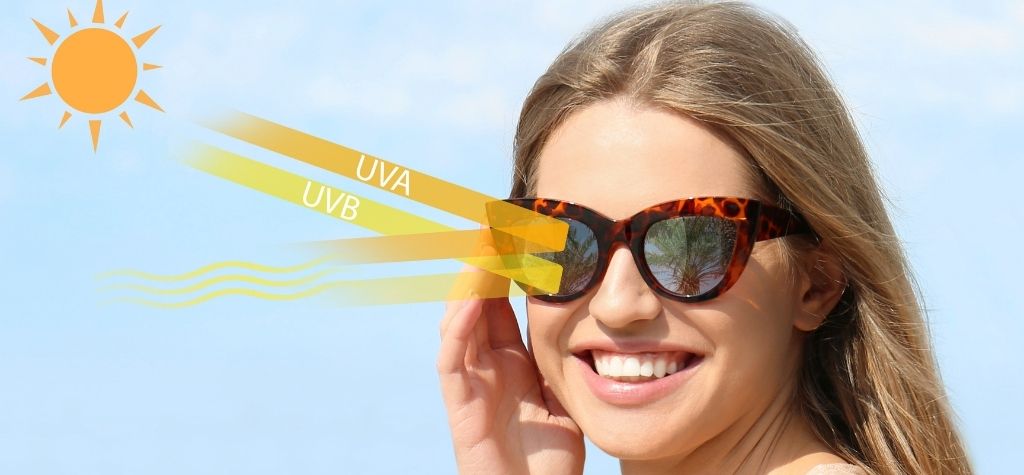
UV rays and eye health
Ultraviolet radiation penetrates clouds and reflects off water, sand and pavement. Without protection, UV exposure can damage the cornea and lens, accelerate cataracts, cause painful sunburn of the eye (photokeratitis) and increase the risk of eye cancers. A good driving sunglass should therefore always block 100 % of UVA and UVB radiation. Look for labels reading “100 % UV protection,” “UV400,” or “100 % protection against UVA and UVB”. Dark lenses without UV protection are actually worse than wearing no glasses because they make your pupils dilate, letting more harmful rays in.
Visible Light Transmission (VLT)
Besides blocking ultraviolet light, sunglass lenses vary in how much visible light they let through—a figure called Visible Light Transmission (VLT). The Blue Cross of Vermont recommends a VLT of 20–40 % for general use, while lenses darker than 20 % suit extremely bright conditions but may make driving difficult as you move between sunlight and shade. Tinted lenses that transmit less than 75 % of light are unsuitable for night driving.
Polarization: Reducing Glare Without Sacrificing Safety
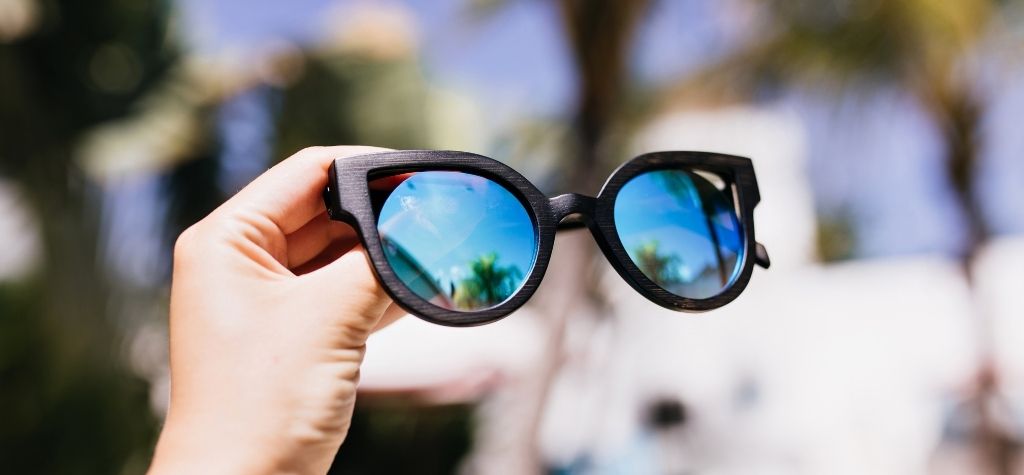
How polarized lenses work
Polarized lenses contain a special filter that blocks horizontally oriented light waves. When sunlight hits flat surfaces—such as a road, car hood or lake—it reflects in one direction, producing harsh glare that can temporarily blind you. By allowing mainly vertical light waves to pass, polarized lenses reduce this glare and make details appear clearer. Health experts note that wearing polarized glasses while driving on a flat road reduces eye strain and helps you make out details more easily.
Pros and cons of polarization
- Pros: Polarization is particularly useful for drivers because it cuts glare from wet roads and windshields. Studies have shown that polarized lenses minimize glare and reduce eye strain, enhancing visual comfort. They can also improve contrast, which is helpful in bright sunlight.
- Cons: Polarized lenses do not block UV light on their own; you still need lenses with 100 % UV protection. Because both many LCD displays and polarized lenses use filters, viewing devices such as phones, gas‑pump screens, car dashboards or heads‑up displays can be difficult. The Federal Aviation Administration even advises pilots to avoid polarization because it interferes with reading cockpit displays. Polarized lenses should never be worn for night driving; they reduce the amount of light reaching the eye and could worsen visibility.
Lens Categories: How Dark Should Driving Sunglasses Be?
Sunglasses sold in Europe and many other regions carry a filter category number that corresponds to their darkness and VLT. The Automobile Association (AA) explains that lenses are graded from Category 0 (80–100 % VLT) to Category 4 (3–8 % VLT). For daytime driving, Category 2 lenses (18–43 % VLT) are recommended because they provide adequate tint without obscuring vision; Category 3 lenses (8–18 % VLT) are also legal for bright sun but not at night. Category 4 lenses are extremely dark and must be labelled “Not suitable for driving or road use”.
The U.S. Food and Drug Administration (FDA) suggests placing reminders on sunglass labels that tinted eyewear should not be worn for night driving. Yellow lenses are not recommended for night driving either. Keep a pair of clear or lightly tinted glasses in your car for twilight or night conditions.
Choosing the Right Lens Colour for Driving
Lens colour affects how you perceive contrast, depth and the world’s hues. While colour is partly a matter of personal preference, certain tints are better suited to driving.
Neutral colours: Grey and green
Grey lenses filter light evenly across the spectrum. They maintain true colour balance, reduce overall brightness and are useful for driving and water activities. Green lenses also reduce glare and help preserve colour accuracy; they are popular for sports like tennis and golf.
Enhancing contrast: Amber, brown and rose
Amber or brown lenses enhance contrast and depth perception by filtering some blue light, making them ideal for driving, golf and baseball. Rose- or red‑tinted lenses similarly filter blue light, which can improve depth perception and may enhance driving visibility.
Special-purpose colours
- Yellow or gold: Improve visibility in low light and fog but can distort colours; not suitable for bright sunlight.
- Blue or purple: Enhance colour perception and contours in snowy or overcast conditions, but they are less common for driving.
- Green: As mentioned, good for reducing glare and blue light.
When choosing a tint, think about when and where you drive most often. For everyday urban commuting with frequent transitions between sun and shade, a medium tint (Category 2) in grey or brown offers a comfortable balance. If you often drive long distances in bright open landscapes, a slightly darker Category 3 amber or brown lens could reduce glare without sacrificing detail.
Lens Styles and Features for Driving Comfort
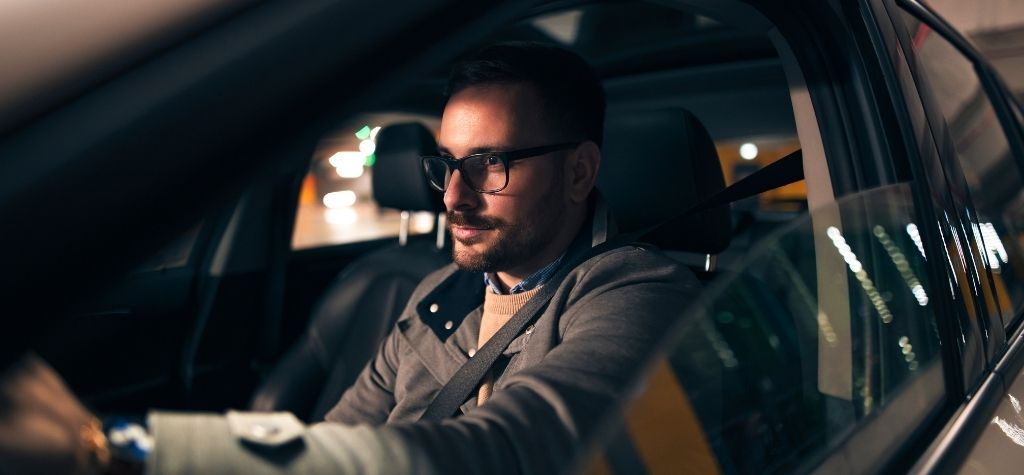
Frame design and coverage
Sunglasses should cover the entire field of vision and sit comfortably so you’ll actually wear them. Wraparound frames block UV light coming from the sides and shield eyes from wind, dust and debris. Avoid frames with deep side arms that block peripheral vision; the AA notes that such frames are not recommended for driving. Lightweight materials, adjustable nose pads and a snug fit prevent slippage during long journeys.
Lens coatings and materials
- Anti‑reflective (AR) coating: Reduces reflections from the back of the lens, improving clarity and reducing distracting reflections off your own eyes. The AA recommends combining an anti‑reflection coating with a scratch‑resistant coating for safer driving.
- Scratch-resistant coating: Keeps lenses clear and free of scuffs that could distort your vision.
- Impact-resistant materials: Polycarbonate and Trivex lenses are lightweight and withstand impacts better than standard plastic or glass. For sports or convertible cars where debris is more likely, choose impact-resistant lenses..
- Photochromic lenses: Also called variable tint lenses, these darken in response to UV light. While convenient for everyday use, they may not darken sufficiently in the car because windshields filter UV; the AA advises selecting photochromic lenses that also react to visible light to ensure they adapt appropriately when driving.
- Graduated lenses: Darker at the top and lighter at the bottom, these lenses keep the road ahead dim while allowing you to see dashboard instruments clearly. The AA notes that graduated lenses may be an excellent choice for driving.
Specialty driving lenses
Some eyewear companies offer lenses specifically designed for driving. These often combine polarization with a moderate tint and anti-reflective coating. Consult your optometrist about specialized driving lenses that meet your prescription needs and account for astigmatism or other vision conditions. A comprehensive eye exam every two years will ensure your prescription is up to date.
Legal and Safety Considerations
Different countries regulate the darkness and design of lenses for driving. In the UK, for example, the Highway Code requires that sunglasses not be so dark that they impair vision and that they not be used at night. Failing to meet these requirements could invalidate your insurance in a crash. The AA also cautions that wearing unsuitable sunglasses or neglecting vision correction can lead to prosecution if they contribute to an accident.
The FDA’s guidance reminds manufacturers to advise consumers that tinted eyewear is not recommended for night driving. Always switch to clear or lightly tinted lenses once the sun sets.
Tips for Choosing the Best Driving Sunglasses in 2026
Use this checklist when shopping for your next pair of driving sunglasses:
- Check the UV label: Ensure lenses block 100 % of UVA and UVB rays or carry a UV400 label.
- Pick the right filter category: For daytime driving, choose Category 2 or 3 lenses with a VLT between 18 % and 43 %. Avoid Category 4 lenses.
- Choose a suitable colour: Grey or brown tints maintain colour accuracy and reduce glare. Amber or rose tints enhance contrast for bright conditions.
- Consider polarization: If glare from wet roads or reflective surfaces bothers you, polarized lenses can reduce eyestrain. Remember polarization does not replace UV protection and may hinder viewing LCD displays.
- Look for quality coatings: Anti‑reflective and scratch-resistant coatings improve clarity and durability.
- Assess fit and coverage: Wraparound frames block side light and debris, while graduated lenses help read the dashboard. Avoid styles that hinder peripheral vision.
- Test lens quality: Hold the glasses and look at a rectangular grid (like tile). If lines appear wavy or distorted, choose another pair.
- Keep a spare pair: Conditions can change quickly. Store a backup pair in your car so you’re never caught without proper eyewear.
Sunglasses Trends for 2026: What’s New?

Sustainable materials and eco‑friendly frames
Consumers increasingly demand environmentally conscious products. Many 2026 sunglasses feature frames made from recycled plastics, bio‑acetate derived from plant fibres or renewable wood. These materials reduce environmental impact without compromising durability or style. If sustainability matters to you, check the brand’s environmental policies and choose frames that align with your values.
Smart lenses and digital compatibility
Advances in lens technology seek to solve the conflict between polarization and digital displays. Some new lenses incorporate partial polarization or customized filters that reduce glare while preserving visibility of LCD screens. Others integrate photochromic and polarized layers that respond to visible and ultraviolet light. Though still emerging, these innovations could make future driving sunglasses even more versatile.
Fashionable yet functional designs
Oversized shields and aviator styles remain popular, but designers now blend fashion with functionality. Expect to see more wraparound designs with thin side arms that protect without obstructing peripheral vision, as well as sleek frames with adjustable nose pads and temple tips to ensure comfort on long drives.
Conclusion: See the Road Clearly and Safely
Driving without the right eyewear is like heading out in the rain without a windshield wiper. Quality sunglasses keep your eyes comfortable, improve visibility and protect against long‑term damage. When choosing the best sunglasses for driving in 2026, prioritize 100 % UV protection, select an appropriate tint and filter category, and consider polarization for reducing glare. Comfort, fit and quality coatings are just as important as style. Armed with the information in this guide, you’re ready to navigate the open road safely and in style.
