
Choosing a pair of glasses is both an art and a science. If you have a round face, you may have tried on dozens of frames only to feel they accentuate your cheeks or hide your features. Round faces tend to have soft curves and roughly equal width and height, so finding eyewear that adds definition can make a dramatic difference. Thankfully, 2026 brings a wide range of glasses styles and lens technologies that are not only flattering but also protective and eco‑friendly.
This guide breaks down the best glasses for round faces, highlighting the latest trends, materials and eye‑health considerations. Written at a seventh‑grade readability level, it uses short paragraphs and simple language to help you make informed choices. We’ll also link to trusted organizations and provide internal links to related articles for those interested in contact lenses and other vision topics.
Understanding Round Face Shapes
Round faces are characterized by soft, curved lines. The width and length of the face are roughly equal, and the jawline is rounded rather than angular. According to NVISION Eye Centers, round faces have “proportional dimensions and curved lines,” and rectangular frames are ideal because they add angles and create the illusion of a longer, thinner face. Similarly, eyewear experts interviewed by Vogue advise that square‑shaped glasses give a round face “greater definition”.
When choosing glasses, think about balance. Angular frames contrast with the soft curves of a round face and draw attention to the eyes rather than the cheeks. Avoid frames that are too small or circular; All About Vision notes that very round or small glasses emphasize the roundness of the face and make features appear exaggerated.
Key Characteristics of a Round Face
- Soft curves: No sharp angles in the jawline or forehead
- Equal width and height: The face appears almost circular
- Rounded chin and cheeks: Fullness in the cheeks can make the face look wider
- Limited definition in the jawline: The jaw blends into the rest of the face
Knowing these traits will help you select frames that create contrast and give your face more structure.
Frame Shapes That Flatter Round Faces
Eyeglass frames come in many shapes. For round faces, experts recommend angular styles that add definition and elongate the face. Here are the most flattering options.
Square and Rectangular Frames
Square and rectangular frames are classic choices for round faces. All About Vision explains that these angular frames add structure and help the face appear longer and slimmer. Because the width exceeds the height, rectangular frames draw the eye horizontally, balancing the face’s vertical proportions. When choosing rectangular frames, look for:
- Strong lines: Thick or pronounced rims provide more contrast.
- Wide temples: Wider temples can make the face look narrower.
- Correct placement: The top of the frame should follow the brow line and sit slightly below the eyebrows.
If you prefer a softer look, consider rounded corners on rectangular frames; they retain structure while adding subtle curves.
Geometric and Angular Frames
Angular frames such as pentagons, hexagons and other geometric shapes add definition and balance to a round face. All About Vision notes that geometric frames can provide the same structure as squares but with a modern twist. Because these frames have multiple angles, they break up the roundness of the face and draw attention to the eyes.
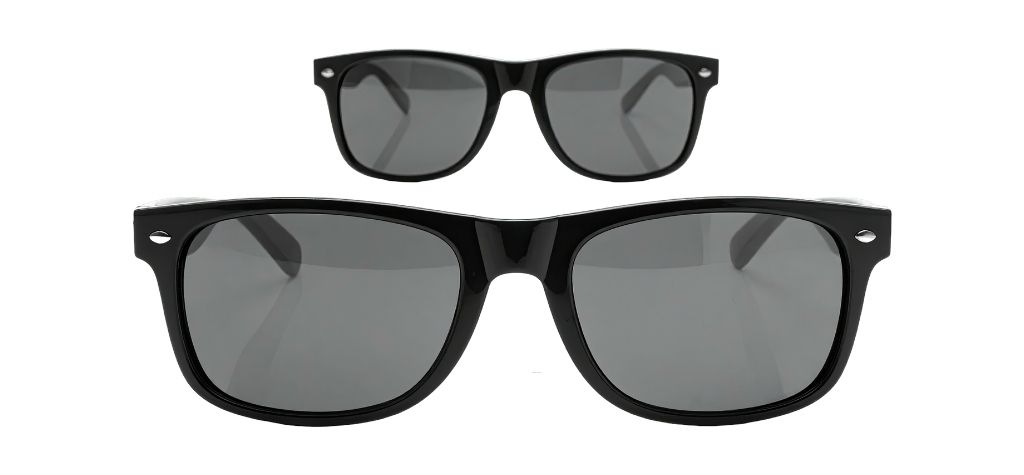
Wayfarer‑Style Glasses
The iconic Wayfarer shape is another flattering choice. Wayfarers are horizontally oriented rectangles with slightly curved edges. All About Vision explains that Wayfarer glasses balance the features of a round face and add “Hollywood glamour”. Look for Wayfarers with a wider frame width than your face to maximize contrast.
Cat‑Eye Frames
Cat‑eye frames have upswept outer edges that lift the face. This shape not only elongates the face but also adds a playful, retro vibe. All About Vision recommends choosing cat‑eye frames with squarer corners to avoid adding roundness. When the upswept tips are pronounced, they can draw attention to your brow line and lift the eye area.
D‑Frame Glasses
D‑frame glasses are characterized by a flat top and rounded bottom. All About Vision notes that these frames add width and structure to round faces and can be worn in oversized or classic square versions. The horizontal top line contrasts with the circular shape of the face, while the slightly rounded bottom complements softer features.
Oversized Frames
Oversized frames, including large squares and bold geometric shapes, add drama and definition. Because they cover more of the face, they can make soft features appear more structured. All About Vision states that oversized frames work well with soft round features. Choose oversized frames with thicker rims for an on‑trend look.
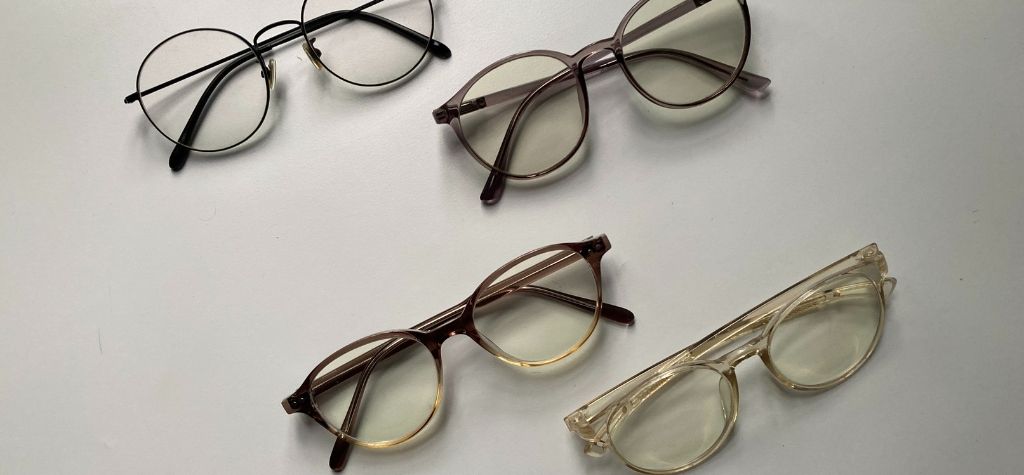
Transparent Frames
Transparent and translucent frames have become popular because they offer a minimalist look that doesn’t overwhelm the face. Woman & Home describes transparent glasses as “a subtle take on opticals” that remain a key trend in 2025 and beyond. Soft pastel tints like peach, pink or light yellow brighten the face and blend with skin tones. Because clear frames are less visually heavy, you can opt for larger or chunkier shapes without overpowering a round face. In other words, transparent frames allow you to enjoy bold shapes while maintaining a light, airy feel.
Frames to Avoid
While every face is unique, certain frames tend to exaggerate roundness. All About Vision cautions against very round or small glasses because they emphasize the circular shape of the face and make features appear exaggerated. Additionally, frames that are too narrow may break the line of the cheekbones and make the face look wider.
2026 Eyewear Trends for Round Faces
Fashion trends continually evolve, and eyewear is no exception. The good news is that many 2026 trends align with shapes that flatter round faces. Here are the top styles and materials to watch.
Transparent and Minimalist Styles
As noted above, transparent frames are a major trend that will continue into 2026. Woman & Home reports that translucent colours and invisible glasses remain popular because they offer a subtle, minimalist look. Pastel tints and clear acetate frames allow round‑faced wearers to experiment with bolder shapes without overwhelming their features. Experts also note that clear frames create “a flattering glow across the wearer’s face” and work well with neutrals and monochrome outfits.
Bold Colours and Patterns
While neutral frames have dominated for years, bright colours and patterns are making a comeback. Woman & Home explains that colourful frames add personality and can brighten the face. For those hesitant about vibrant colours, jewel tones such as sapphire blue, emerald green or ruby red provide a sophisticated pop without clashing with skin tone. Transparent versions of coloured frames soften the effect by allowing light to pass through.
Oversized and Geometric Shapes
Oversized frames and sculptural geometric styles continue to dominate runways and eyewear collections. Large acetate frames with interesting angles lend a statement look while offering plenty of room for thicker prescriptions. Since angular shapes complement round faces, this trend is especially helpful. When opting for oversized frames, ensure that the width doesn’t extend past the widest part of your face to maintain balance.
Sustainable and Eco‑Friendly Materials
Consumers are increasingly aware of environmental issues, and eyewear manufacturers are responding with sustainable materials. Look for frames made from plant‑based acetates, recycled metals or biodegradable materials. Recycled polycarbonate frames reduce plastic waste, while wooden or bamboo temples add warmth and natural texture. Choosing eco‑friendly glasses lets you look good while reducing your environmental footprint.
Smart and Adaptive Eyewear
Smart glasses and photochromic lenses (lenses that darken in sunlight) are gaining popularity. While these features can benefit anyone, they offer particular convenience for people with round faces because they eliminate the need to switch between prescription glasses and sunglasses. When purchasing photochromic lenses, ensure they provide 100 % UVA and UVB protection—a point we’ll expand on in the next section.
Lens Technologies and Eye Health

A stylish frame is only half the story; the right lenses protect your vision and enhance comfort. Here are key technologies to consider when selecting glasses in 2026.
UV Protection
Exposure to ultraviolet (UV) radiation can damage your eyes and increase the risk of cataracts and other problems. The U.S. National Eye Institute advises that sunglasses should block 99 % or 100 % of UVA and UVB radiation. Similarly, the U.S. Food and Drug Administration (FDA) recommends choosing sunglasses with a UV400 rating or “100 % UV protection” label. These labels indicate that the lenses block more than 99 % of harmful rays. Importantly, the FDA cautions that darker lenses do not necessarily provide UV protection—many light‑colored lenses also block UV rays. When selecting prescription lenses, ensure they include UV protection, and if you wear photochromic lenses, verify that they meet this standard.
Polarized and Anti‑Reflective Coatings
Polarized lenses reduce glare from reflective surfaces such as water or pavement. This feature enhances visual comfort, particularly when driving or spending time outdoors. Anti‑reflective (AR) coatings reduce internal reflections within the lens, improving clarity and making your eyes more visible to others. According to the nonprofit Prevent Blindness, anti‑reflective lenses reduce glare and increase contrast; they also block some blue light from digital devices.
Blue‑Light Filters and Computer Glasses
Many people spend long hours in front of screens, leading to digital eye strain (sometimes called Computer Vision Syndrome). Prevent Blindness notes that symptoms include dry or irritated eyes, blurred or double vision and headaches. To reduce digital eye strain, the organization recommends placing screens 20–26 inches away from your eyes, adjusting lighting to reduce glare and using computer glasses with yellow‑tinted lenses or anti‑reflective coatings. These lenses can block portions of blue light and increase contrast, which may help with comfort during prolonged screen time. However, keep in mind that scientific studies on the effectiveness of blue‑light filtering glasses remain mixed; talk to your eye‑care professional about whether you need them.
High‑Index and Thinner Lenses
High‑index lenses are made from materials that bend light more efficiently, allowing for thinner and lighter lenses—even with strong prescriptions. Choosing high‑index lenses can improve comfort and reduce the appearance of thick edges. If you select oversized or bold frames, high‑index lenses help maintain a sleek profile.
Photochromic (Transition) Lenses
Photochromic lenses darken automatically in response to UV light and return to clear indoors. These lenses simplify life by eliminating the need for separate prescription sunglasses. When purchasing photochromic lenses, verify the UV protection rating and consider pairing them with anti‑reflective coatings for maximum comfort.
Lens Tints and Colours
Coloured lens tints are not just a fashion statement; they can improve visual performance for specific activities. For example, yellow or amber tints enhance contrast in low‑light conditions, while green or gray tints provide true colour perception. Always ensure that tinted lenses include full UV protection—tint colour and darkness do not guarantee UV safety.
Finding the Perfect Fit
Even the best frame and lens combination can feel uncomfortable if the fit is off. Here are tips to ensure your glasses sit properly.
- Follow your brow line: Eyewear experts suggest that the top of the frame should follow the brow bone and fall slightly below your eyebrows. This creates a harmonious line and avoids obscuring your brows.
- Check the width: The frame should not extend far beyond the widest part of your face. Oversized frames should still align with your temples.
- Use adjustable nose pads: If you have a low nose bridge or find that frames slide down, opt for glasses with adjustable nose pads. Metal nose pads allow for fine‑tuning the alignment of the frame.
- Balance weight: Thicker plastic frames can be heavier; consider lightweight materials or high‑index lenses if you have a strong prescription.
- Consider your prescription: People with higher prescriptions may need smaller frames with thicker edges to accommodate the lens thickness. Discuss options with your optician.
Colour and Design Considerations
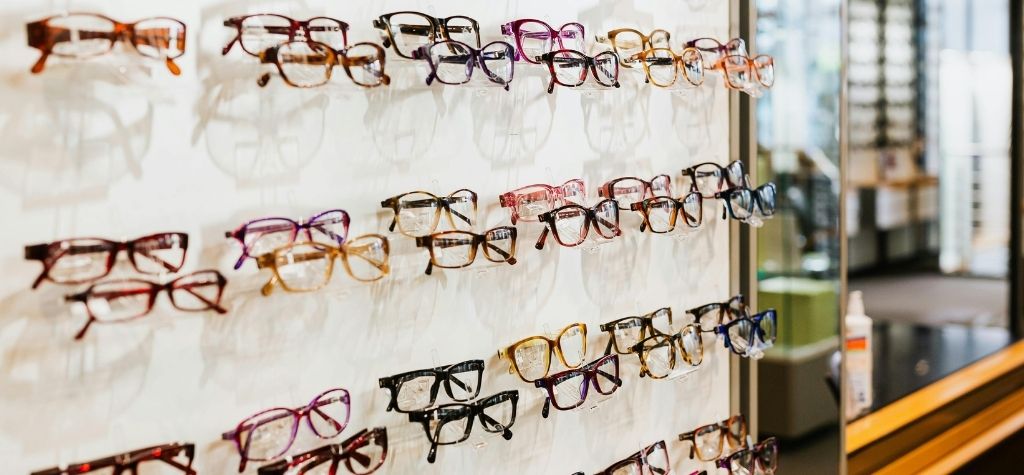
Colour can dramatically change how glasses look against your face. Bold hues make a statement, while neutrals and transparent frames offer subtlety.
Choosing Colours Based on Skin Tone
Woman & Home suggests that jewel tones like sapphire blue, emerald green and deep ruby work well for most skin tones and provide an easy entry into colourful eyewear. Those with yellow‑based skin tones may benefit from frames with red or pink undertones for warmth, while people with pink‑based skin can try blues and greens for contrast. If you have olive skin, almost any colour will complement your complexion.
Patterns and Textures
Tortoiseshell patterns, marbled acetates and gradient fades continue to trend. These patterns add visual interest without overwhelming the face. You can also mix materials, such as combining an acetate front with metal temples, to achieve a unique look.
Eye‑Health Tips Beyond Glasses
Glasses are only one part of maintaining healthy eyes. Consider these additional tips:
- Regular eye exams: Schedule comprehensive eye exams at least once every two years, or more frequently if recommended by your eye‑care professional. Exams detect changes in vision and eye health early.
- Protective eyewear for activities: The National Eye Institute advises wearing sports goggles with polycarbonate lenses during activities like basketball or soccer and using swim goggles to protect against dirt, germs and chemicals. Helmets with attached faceguards are necessary for sports like baseball and football.
- Sunscreen and hats: Even when wearing UV‑protective glasses, the FDA recommends wearing a wide‑brim hat and applying sunscreen around your eyes to reduce sun exposure.
- Workplace eye safety: Prevent Blindness reports that digital eye strain reduces productivity for nearly six out of ten employees and that 27 % of workers have taken time off due to eye strain. Follow their recommendations—place screens 20–26 inches away, use glare filters, adjust lighting and consider computer glasses—to protect your eyes at work.
Conclusion and Actionable Takeaways
Finding the best glasses for a round face in 2026 combines style, fit and eye‑health considerations. Angular frames such as squares, rectangles, geometric shapes and cat‑eye styles add definition to a round face. Transparent frames, pastel tints, bold colours and oversized shapes are on trend, providing plenty of options to express your personality. When selecting lenses, prioritize UV protection, consider anti‑reflective coatings and high‑index materials for comfort, and talk to your eye‑care professional about whether blue‑light filters suit your needs.
Most importantly, remember that the perfect pair of glasses is the one that makes you feel confident and comfortable. Don’t be afraid to experiment with different shapes, colours and materials. By understanding your face shape and the latest eyewear technologies, you’ll be well‑equipped to choose glasses that flatter your features and protect your eyes.
