

Why Sunglasses Aren’t Just Fashion
Imagine stepping outside on a bright day. The sunlight bounces off water, pavement and cars. Without protection, your eyes squint, and you may feel temporary blindness from glare. Sunglasses aren’t just fashion accessories – they shield your eyes from harmful ultraviolet (UV) radiation and prevent headaches caused by squinting. However, not all sunglasses are created equal. Some have polarized lenses designed to cut down glare, while others are non‑polarized and focus mainly on tint and UV protection. This article explains the differences, benefits and drawbacks of each lens type so you can make an informed choice.
How Light and Glare Work

Before comparing lens types, it helps to understand how light travels. Light waves normally vibrate in many directions. When sunlight hits uneven surfaces (grass, rocks), the scattered light doesn’t cause much glare. When it hits smooth surfaces like water, snow or a flat road, the light waves reflect in a single direction, creating intense horizontal glare. This glare reduces depth perception and can even temporarily blind you. According to Harvard Health Publishing, glare can harm vision when driving on a bright day, but polarized lenses minimize glare and help you see details more clearly.
What Are Polarized Sunglasses?
Polarized sunglasses have a special chemical filter applied in a vertical pattern. This filter blocks horizontally oriented light waves – the ones that cause glare – while letting through vertically oriented light. Harvard Health notes that the chemicals on polarized lenses filter reflected light, making it easier to see clearly. By reducing glare, these lenses enhance visual comfort, improve contrast, and can even reduce eye strain.
How They Work
- Selective filtering: Polarized lenses block horizontally polarized light. When sunlight reflects off water or pavement, it becomes horizontally polarized. The lens filter acts like a gate that only allows vertically oriented light to pass through.
- Improved contrast: Because the distracting glare is removed, objects appear sharper and colors may look richer. StatPearls explains that polarized eyewear reduces glare, enhances visual acuity and contrast sensitivity, and improves overall comfort.
- Better performance in high‑glare environments: Polarized sunglasses are especially beneficial for drivers, boaters and outdoor sports enthusiasts. They improve visual performance in high‑glare environments, such as on sunny days at the beach or while driving, and are helpful for people with light sensitivity.
Benefits of Polarized Lenses
“Polarized eyewear reduces glare, enhances visual acuity and contrast sensitivity, and improves overall visual comfort”.
- Glare reduction: By blocking reflected light from water, snow and roads, polarized lenses allow you to see beneath the surface of a lake or read road signs without squinting.
- Reduced eye strain: Without constant squinting, your eyes stay more relaxed. Harvard Health notes that wearing polarized glasses minimizes glare, reduces eye strain and can help you make out details more clearly.
- Better contrast and color perception: Removing glare enhances contrast so colors appear more vivid and details sharper.
- Enhanced safety: Drivers can more easily see obstacles on the road, and anglers can see fish under water. Skier and snowboarders can better perceive contours on snowy slopes.
Potential Drawbacks of Polarized Lenses
While polarized sunglasses have many advantages, they are not perfect for every situation:
- Difficulties with LCD screens: Polarized lenses can interfere with digital screens, such as smartphones and car dashboards. The filter may block or distort the light from liquid crystal displays (LCDs), causing dark spots or color shifts. This is important for pilots or drivers who rely on digital instrumentation.
- Not ideal for night driving: Polarized lenses reduce overall light entering the eye. Because night driving requires as much light as possible, a standard non‑tinted lens or clear lens with anti‑reflective coating is better at night.
- May distort depth perception on skis: In some cases, polarized lenses can make icy patches less visible on ski slopes because they reduce reflections. Skiers sometimes choose non‑polarized lenses with contrast‑enhancing tints.
- Cost: Polarized sunglasses tend to be pricier than non‑polarized models because of the extra filter.
What Are Non‑Polarized Sunglasses?

Non‑polarized sunglasses lack the specialized filter that blocks glare. Their primary purpose is to reduce brightness and protect the eyes from UV radiation. These lenses come in various tints (gray, brown, green) and typically cost less than polarized versions.
How They Work
- Simple tint: Non‑polarized lenses have an even tint that reduces overall light intensity. They do not differentiate between horizontally and vertically polarized light, so glare remains a problem when light reflects off smooth surfaces.
- UV protection: Many non‑polarized sunglasses include coatings that block 99–100 % of UVA and UVB rays. The U.S. Federal Aviation Administration (FAA) highlights that excessive or chronic exposure to UVA and UVB radiation can cause cataracts, macular degeneration and other eye maladies. The American Optometric Association recommends sunglasses with 99–100 % UVA and UVB protection.
- Better for reading digital screens: Because they don’t filter horizontal light, non‑polarized lenses do not interfere with digital screens. Pilots avoid polarized lenses because they can hinder visibility of cockpit instruments or anti‑glare displays.
Benefits of Non‑Polarized Lenses
- Affordability: Non‑polarized sunglasses are often more affordable, making them accessible for everyday use.
- Compatibility with screens: They don’t interfere with LCD or digital displays, which is crucial for pilots, drivers and heavy equipment operators.
- Versatility: Non‑polarized lenses come in a variety of tints and mirror finishes for different styles and lighting conditions.
- Adequate UV protection: When labeled as 100 % UV blocking, non‑polarized sunglasses can protect your eyes from harmful UVA and UVB radiation.
Drawbacks of Non‑Polarized Lenses
- Glare reduction is limited: Without a polarizing filter, non‑polarized sunglasses offer little help against reflected glare. This means bright reflections off water, snow and roads can still cause discomfort.
- Less color contrast: Glare washing out the view can make colors appear duller and details less sharp.
Key Differences Between Polarized and Non‑Polarized Sunglasses
| Feature | Polarized Sunglasses | Non‑Polarized Sunglasses |
|---|---|---|
| Glare Reduction | Excellent; reduces horizontally polarized glare | Poor; no special filter for glare |
| Visual Comfort | Improved contrast, sharper colors and reduced eye strain | Reduces brightness but does not reduce glare |
| Performance in Bright, Reflective Environments | Ideal for water sports, fishing, skiing and driving | Suitable for general use but glare may remain a problem |
| Screen Visibility | Can distort LCD screens and some car dashboards | Compatible with digital displays |
| Night Driving | Not recommended due to reduced light transmission | Clear or lightly tinted non‑polarized lenses are preferred |
| Cost | Generally higher due to polarizing filter | Typically lower price |
Choosing the Right Lens for Your Lifestyle
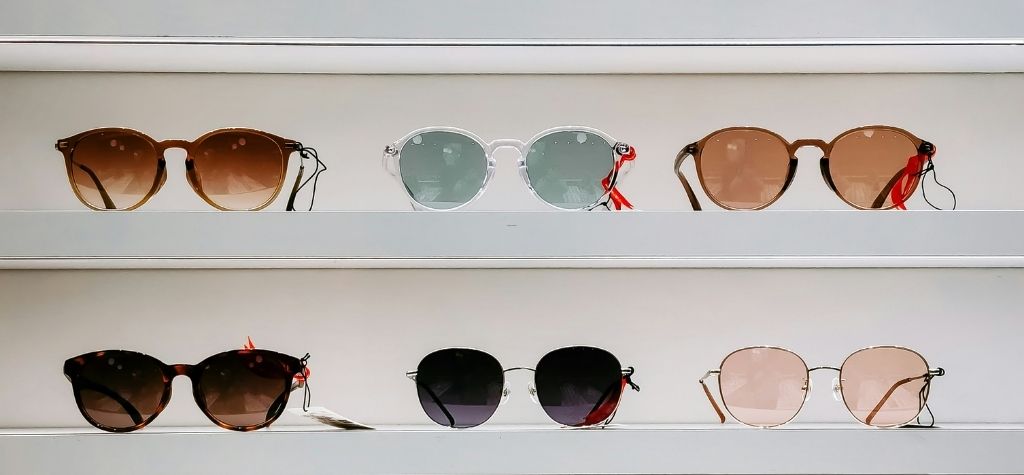
Selecting between polarized and non‑polarized sunglasses depends on your daily activities and needs. Consider the following questions to help decide:
- Do you spend time around water, snow or reflective surfaces? If you fish, boat or drive often, polarized lenses will greatly reduce glare and improve visibility. This can enhance safety and comfort.
- Do you rely on digital displays? If your job involves reading digital screens (pilots, heavy‑machinery operators or motorcyclists using heads‑up displays), non‑polarized lenses may be safer because they won’t obscure instrumentation.
- Are you sensitive to light? People with light‑colored eyes or conditions like migraine or photophobia may benefit from the glare‑reduction properties of polarized lenses.
- What’s your budget? Non‑polarized sunglasses can provide adequate UV protection at a lower cost. If your budget allows, investing in polarized lenses might be worthwhile for specific situations.
Lens Color and Material Considerations
- Lens tints: Gray lenses maintain true color balance and are suitable for everyday use. Brown and amber tints enhance contrast and are favored by golfers and pilots. Green tints offer a good balance of contrast and color accuracy.
- Lens material: The FAA brochure outlines that polycarbonate lenses are light and impact‑resistant, making them ideal for children and athletes. Glass lenses provide excellent optical clarity but are heavier and more prone to shattering.
- Photochromic lenses: These lenses darken in bright light and lighten indoors. They provide convenience but may not darken enough behind car windshields.
The Role of UV Protection and Eye Health
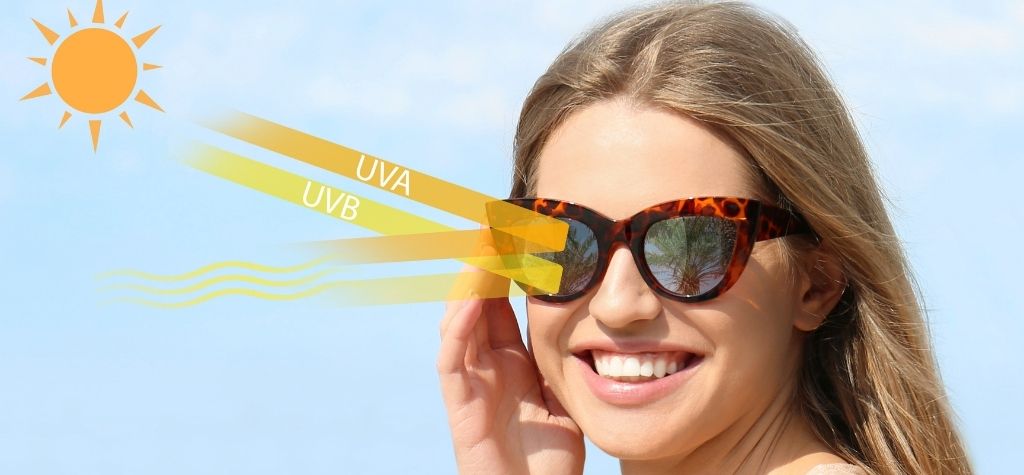
Regardless of lens type, UV protection is non‑negotiable. Chronic UV exposure increases your risk of cataracts and macular degeneration. Look for labels that state “100 % UV protection,” “UV400,” or “blocks 99–100 % UVA and UVB.” Even polarized lenses must include UV protection to shield your eyes effectively.
Tips for Buying Sunglasses
Harvard Health suggests several points when purchasing polarized sunglasses:
- Choose a comfortable tint: Darker doesn’t always mean better; select a tint that suits your environment and sensitivity.
- Opt for larger lenses or wraparound frames: Larger lenses block more light from entering around the edges, offering better protection.
- Verify UV protection: Check labels or packaging to ensure the lenses block 99–100 % of UVA and UVB rays.
- Consider impact resistance: Polycarbonate lenses and durable frame materials help protect your eyes from debris or accidents.
When Polarized Lenses Are Not Recommended
The FAA’s pilot safety brochure warns that polarized lenses may reduce or eliminate visibility of instruments that use anti‑glare filters. They may also interfere with windshields and laminated materials, hiding reflections that serve as warning cues for pilots. For this reason, pilots and drivers who rely heavily on digital instrumentation may opt for non‑polarized lenses or use polarized sunglasses only in specific conditions, such as on the water.
Polarized vs. Non‑Polarized for Specific Activities
Driving
On sunny days, polarized lenses can improve safety by reducing glare off the road and other vehicles. They help drivers see clearly, particularly when sunlight reflects off wet pavement. However, ensure that they don’t interfere with digital displays on your dashboard or GPS device.
Boating and Fishing
Water reflects sunlight strongly, producing intense glare. Polarized sunglasses are ideal for boating and fishing because they allow you to see beneath the water’s surface and spot fish or obstacles.
Skiing and Snowboarding
Polarized lenses reduce glare from snow, making it easier to see bumps and dips. Some skiers prefer non‑polarized lenses or switch between the two depending on conditions because polarized lenses can hide icy patches.
Hiking and Outdoor Sports
For hiking in bright conditions or on sandy beaches, polarized lenses reduce glare and improve comfort. In forests or shaded trails, non‑polarized lenses with a lighter tint may suffice.
Everyday Wear
If your activities rarely involve water or reflective surfaces, non‑polarized sunglasses with full UV protection provide adequate eye safety at a lower cost. People who frequently move between indoor and outdoor settings may prefer non‑polarized or photochromic lenses.
Myth‑Busting and Common Questions
Do Polarized Sunglasses Provide UV Protection?
Not necessarily. Polarization and UV protection are separate features. A lens can be polarized but still allow harmful UV rays to pass through. Always confirm that your sunglasses block 99–100 % of UVA and UVB rays.
Are Polarized Sunglasses Worth the Extra Cost?
If you regularly encounter reflective glare (water sports, driving, skiing), polarized lenses significantly enhance comfort and safety. For everyday use without reflective surfaces, non‑polarized lenses with good UV protection may suffice. Budget plays a role – consider owning both types for different situations.
Can Kids Wear Polarized Sunglasses?
Yes. Children’s eyes are more vulnerable to UV damage. Polycarbonate polarized lenses offer impact resistance and glare reduction. Ensure the frame fits properly and choose a style your child will wear consistently.
Do Polarized Lenses Affect LED or Smartphone Screens?
Polarized lenses can darken or distort LCD and some LED screens. If you need to read screens frequently, consider clip‑on polarized lenses that you can flip up or use non‑polarized sunglasses for those tasks.
Conclusion
Both polarized and non‑polarized sunglasses play important roles in protecting your eyes. Polarized lenses excel at reducing glare and enhancing contrast, making them ideal for water sports, driving and high‑glare environments. Non‑polarized lenses, on the other hand, offer cost‑effective UV protection and maintain compatibility with digital screens. When choosing sunglasses, consider where you’ll wear them, how sensitive your eyes are to light and whether you need to read digital displays. Regardless of lens type, always select sunglasses that block 99–100 % of UVA and UVB rays. Your eyes will thank you for the clarity, comfort and protection.
