

Waking up with scratchy, burning eyes can feel like you slept with sand in your lids. It’s a frustrating way to start the day, and if it happens often you’re not alone. Millions of people experience dry eye disease, and many notice symptoms most when they open their eyes after a night of sleep. In this article we’ll explore why your eyes feel dry every morning and share simple, evidence‑based strategies that really help.
The Basics: How Healthy Tears Keep Your Eyes Comfortable
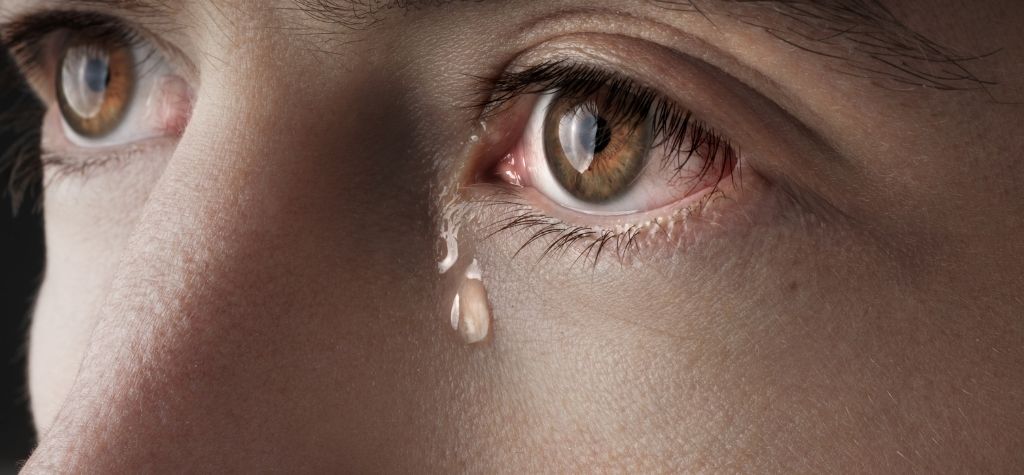
Your eyes are protected by a complex tear film made of three layers—oil, water and mucus. Each blink spreads this film across the cornea to provide moisture, remove debris and deliver nutrients. When the film doesn’t form correctly or evaporates too quickly, you develop dry eye, a condition that affects millions worldwide. Government‑funded eye health organizations explain that dry eye can occur when glands don’t make enough tears or when tears dry up too fast. You may notice a scratchy feeling, burning, redness or blurred vision.
Dry eye becomes more common as we age; women and people over 50 are at higher risk. Medical conditions like autoimmune diseases, vitamin A deficiency and Sjogren’s syndrome, as well as medications such as antihistamines and antidepressants, can also reduce tear production. On the other side of the equation, tears can evaporate more quickly if you blink less (for example, when you’re staring at a screen), have clogged eyelid glands or are exposed to wind and dry air.
Why Mornings Are Often the Worst
If you’re plagued with dry eyes right after waking, it isn’t your imagination. Several factors conspire at night to make mornings the driest time of day:
- Incomplete eyelid closure – Some people do not fully close their eyelids while sleeping, a condition called nocturnal lagophthalmos. It leaves the cornea exposed and tears evaporate quickly. Medical literature notes that full eyelid closure and a normal blink reflex are necessary to maintain a stable tear film; incomplete closure exposes the cornea and accelerates tear evaporation.
- Floppy eyelid syndrome and lagophthalmos – With floppy eyelid syndrome, eyelids become loose and can turn inside‑out. Symptoms are often worse after waking, including pain, a burning sensation and dry eyes. Lagophthalmos similarly causes dry or watery eyes and burning because the eye remains partially open.
- Low humidity – Bedrooms often have low humidity, especially in heated or air‑conditioned homes. Dry indoor air increases tear evaporation.
- Allergies and nasal congestion – When allergies block nasal passages, we may breathe through our mouths at night. This can direct air across the eyes, drying them. Allergic eye disease also makes the tear film unstable.
- Medications and health conditions – Antihistamines, decongestants, blood‑pressure medicines and antidepressants can reduce tear production. Medical conditions like thyroid disorders, rheumatoid arthritis and diabetes also contribute.
- Contact lenses or eyelid inflammation – Sleeping in contact lenses or having inflamed eyelids (blepharitis) can compromise tear quality. The American Optometric Association notes that poor quality tears occur when the oil, water or mucus layers are disrupted, which can result from eyelid inflammation or meibomian gland dysfunction.
- Dehydration – Not drinking enough water, consuming alcohol or caffeine before bed, or sleeping in a hot room can dehydrate the body and decrease tear volume.
These overlapping issues make morning a perfect storm for dry eye. Understanding which factors apply to you will inform the best treatment strategy.
Recognizing Dry Eye Symptoms
Dry eye can manifest in more than one way. Common signs include:
- Stinging, burning or a gritty feeling in the eyes.
- Redness and sensitivity to light.
- Excess tearing, where the eye produces watery tears that do not lubricate well.
- Mucus or stringy discharge around the eye.
- Blurred or fluctuating vision.
These symptoms may be mild or severe, occasional or constant. In the morning you might notice difficulty opening your eyes, extreme light sensitivity or pain until lubricating tears arrive. Severe dry eye can damage the cornea over time.
Unpacking the Causes of Morning Dry Eye

Decreased Tear Production
Tear production naturally decreases with age and is influenced by hormones and systemic health. According to the Mayo Clinic, decreased tear production (known as keratoconjunctivitis sicca) can result from aging, autoimmune diseases like Sjögren’s syndrome, rheumatoid arthritis or lupus, and medications such as antihistamines and antidepressants. Vitamin A deficiency is another notable cause.
Increased Tear Evaporation
When tears evaporate faster than normal, the eye surface dries out despite normal tear volume. Causes include:
- Eyelid gland blockage – The meibomian glands produce the oil layer of tears. Blockage (often called meibomian gland dysfunction or posterior blepharitis) lets tears evaporate quickly.
- Reduced blinking – We blink less when reading, driving or using screens, leading to increased evaporation. Many people also sleep with eyes partially open.
- Eyelid malpositions – Lids turning outward (ectropion) or inward (entropion), or conditions like floppy eyelid syndrome and lagophthalmos, expose the cornea to air.
- Environmental factors – Wind, smoke and dry air increase evaporation. Bedrooms with fans or heaters blowing across the face worsen symptoms. High altitudes, airplane cabins and desert climates are particularly drying.
- Poor tear quality – Inflammation of eyelid margins (blepharitis) alters the composition of tears, so they don’t coat the eye evenly and evaporate too quickly.
Lifestyle, Habits and Health
Several lifestyle factors can aggravate dry eyes:
- Long screen time – Digital device use reduces blink frequency, causing tear film instability.
- Contact lens wear – Prolonged use or overnight wear can cause corneal nerve desensitivity and decreased tear production.
- Sleep deprivation – Not getting enough rest impairs tear secretion and increases ocular inflammation.
- Dehydration and diet – Inadequate fluid intake reduces aqueous tear production. A diet low in vitamin A and omega‑3 fatty acids increases dry eye risk.
- Caffeine and alcohol – Both act as diuretics and contribute to dehydration, potentially reducing tear volume.
Underlying Medical Conditions
Beyond ocular factors, morning dry eye can signal systemic health issues:
- Sleep apnea – People with obstructive sleep apnea often sleep with their mouth open or experience nocturnal lagophthalmos. Floppy eyelid syndrome—associated with sleep apnea—causes loose eyelids that do not protect the cornea, leading to morning dryness, burning and irritation.
- Thyroid eye disease and diabetes – These conditions can affect eye structures and tear production.
- Facial nerve paralysis – Paralytic lagophthalmos occurs when facial nerves are damaged. It prevents complete eyelid closure, exposing the cornea and causing tear evaporation. The NCBI Bookshelf notes that complete eyelid closure and blinking maintain a stable tear film; without them, evaporation increases, leading to exposure keratopathy.
If you suspect an underlying condition, consult a healthcare provider for evaluation. Proper treatment of systemic diseases often improves dry eye symptoms.
What Actually Helps: Evidence‑Based Remedies
Relief from morning dry eye usually involves combining lifestyle adjustments with treatments that address tear production and evaporation. The National Eye Institute lists several therapies depending on the cause. Below are proven methods to try.
Start with Home and Lifestyle Changes
- Improve bedroom humidity – Use a humidifier in your bedroom to keep moisture levels comfortable. The Mayo Clinic suggests adding moisture to the air to reduce tear evaporation.
- Position fans and vents away from your face – Avoid directing heaters, air conditioners or fans toward your bed.
- Hydrate consistently – Drink 8–10 glasses of water daily to support tear production. Reduce alcohol and caffeine intake, especially in the evening.
- Apply warm compresses – A warm compress gently opens clogged meibomian glands. Cleveland Clinic recommends placing a heat mask over closed eyes for about ten minutes each evening.
- Blink exercises – While using screens, consciously blink more often. Set reminders to look away from devices and blink repeatedly to redistribute tears.
- Take omega‑3 supplements – Omega‑3 fatty acids may improve tear quality and reduce inflammation. Cleveland Clinic notes that some research supports taking these supplements for dry eye. Discuss dosage with your physician.
- Get enough sleep – Aim for 7–8 hours of sleep per night. Sleep supports tear gland function and reduces inflammation.
Protect the Eyes During Sleep
- Use lubricating ointments at night – If your eyes dry out while sleeping, Cleveland Clinic suggests applying a thicker lubricating ointment before bed. These ointments stay on the eye longer than drops.
- Consider moisture goggles or eye shields – Moisture goggles maintain a humid micro‑environment around your eyes. Eye shields protect against air currents if you sleep with a fan.
- Tape or patch eyelids – For nocturnal lagophthalmos, physicians may recommend gently taping the eyelids shut at night or using an eye patch. This keeps the cornea covered and reduces evaporation. However, consult your eye doctor before trying these methods.
Use Artificial Tears and Prescription Medications
- Artificial tears – Over‑the‑counter lubricating eye drops are a first‑line treatment for mild dry eye. Look for preservative‑free formulations if you use drops more than four times a day.
- Moisturizing gels and ointments – These thicker products provide longer‑lasting relief overnight.
- Prescription eye drops – For moderate to severe cases, doctors may prescribe medications like cyclosporine (Restasis) or lifitegrast (Xiidra) to increase tear production.
- Tear‑stimulating tablets – A medication called pilocarpine can stimulate tear glands and may improve symptoms.
Address Structural Issues
- Treat blepharitis and meibomian gland dysfunction – Clean the eyelid margins daily with a gentle cleanser or commercially available eyelid wipes. Warm compresses and eyelid massage can help break up oil blockages.
- Punctal plugs – If tears drain too quickly, ophthalmologists can insert tiny silicone or collagen plugs into the tear ducts to keep tears on the eye longer.
- Correct eyelid malpositions – Surgical procedures or small weights implanted in the eyelid may be necessary for lagophthalmos or floppy eyelid syndrome. Cleveland Clinic notes that surgery may be used to reduce tear evaporation and correct eyelid misalignment when other treatments fail.
Treat Underlying Conditions
If sleep apnea is contributing to floppy eyelid syndrome, addressing it with CPAP therapy or other treatments may reduce morning dry eye. Similarly, controlling thyroid disease, diabetes or autoimmune conditions helps improve tear production and quality. Always discuss medication side effects with your physician; alternative drugs may reduce dry eye symptoms without compromising your overall health.
A Step‑by‑Step Morning Routine for Dry Eyes
Implementing a gentle morning routine can ease discomfort and protect your eyes for the day ahead:
- Wash your eyelids – Use a clean cloth soaked in warm water to gently clean away crust or debris.
- Apply warm compresses – Hold a warm compress over closed eyes for 5–10 minutes to loosen oil glands and stimulate tear secretion.
- Use artificial tears – Instill preservative‑free artificial tears immediately after waking. Blink several times to distribute the drops.
- Massage eyelid margins – With clean hands, gently massage the upper and lower eyelids in small circles to express meibomian glands.
- Hydrate and eat a balanced breakfast – Include foods rich in vitamin A (carrots, leafy greens) and omega‑3 fatty acids (salmon, flaxseed). Drink water to replenish overnight fluid loss.
- Limit screen time early in the day – Give your eyes time to acclimate before spending hours on devices. When you do use screens, follow the 20‑20‑20 rule: every 20 minutes, look at something 20 feet away for 20 seconds.
This routine not only soothes morning dryness but also sets you up for healthier tear production throughout the day. Pair it with the long‑term strategies discussed above for best results.
When to See an Eye Doctor
While mild dry eye often responds to home care, persistent or severe symptoms warrant professional evaluation. See an eye doctor if:
- Over‑the‑counter drops provide little or no relief.
- You experience eye pain, significant redness or changes in vision.
- You notice you cannot close your eyes completely or suspect lagophthalmos.
- Dry eye interferes with daily activities or quality of life.
Doctors can perform tests to measure tear production, evaluate eyelid anatomy and identify underlying causes. They may recommend prescription medications, punctal plugs or surgery to address structural problems.
Conclusion: You Can Wake Up to Comfortable Eyes
Dry eyes in the morning are more than a nuisance; they signal an imbalance in tear production, tear quality or eyelid function. Fortunately, they can be managed. By understanding the causes—ranging from incomplete eyelid closure and low bedroom humidity to medications and underlying medical conditions—and adopting evidence‑based remedies, you can reduce morning discomfort and protect your vision. Start with lifestyle changes like increasing humidity, applying warm compresses and staying hydrated. Use artificial tears or ointments at night and consult an eye doctor for prescription treatments or to address structural issues.
Your eyes work hard all day. Taking a few extra steps each night and morning will ensure they stay healthy, comfortable and ready for whatever you have planned.
