

Introduction: A Nutty Idea?
If you’ve ever been told to eat carrots for better eyesight, you might be surprised to learn that nuts also play a role in eye health. While nuts won’t magically give you 20/20 vision overnight, they contain nutrients that support your eyes and may even help slow age‑related decline. This article explores the science behind nuts and vision, explains which nuts are most beneficial, and offers practical tips for adding them to your diet.
How Our Eyes Use Nutrients

Our eyes are complex organs that rely on specific nutrients to function properly. Antioxidants, vitamins and healthy fats protect the retina (the light‑sensitive layer at the back of the eye) from damage caused by light exposure and normal metabolism. Johns Hopkins Medicine notes that vitamin E, lutein, zeaxanthin and omega‑3 fatty acids are especially important for eye health. A diet rich in fruits, vegetables, lean proteins, fish and nuts provides these nutrients and has “many benefits… for age‑related eye health”.
Key Eye‑Health Nutrients
- Vitamin E: A group of antioxidants (tocopherols and tocotrienols) that protect cell membranes from oxidative damage. Johns Hopkins lists almonds, sunflower seeds and avocados as good sources. Nuts are particularly rich in vitamin E.
- Lutein and Zeaxanthin: Carotenoids that accumulate in the macula and filter blue light. Pistachios are unique among nuts for containing lutein.
- Omega‑3 Fatty Acids: Essential fats (such as alpha‑linolenic acid, ALA) that reduce inflammation and support cell membranes in the retina. Walnuts are notable plant sources of ALA.
- Zinc: A mineral involved in transporting vitamin A to the retina and supporting night vision. Nuts and legumes are relatively good plant sources of zinc.
What the Research Says: Nuts and Vision
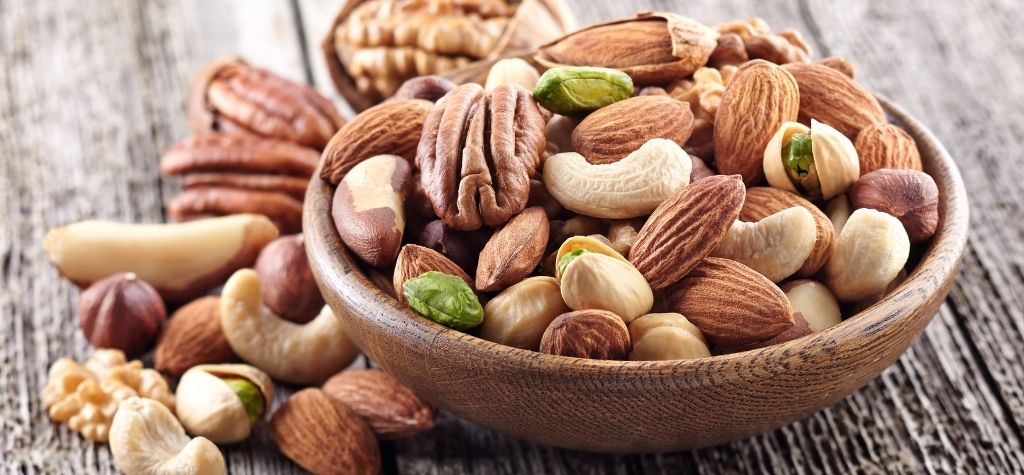
Research on nuts and eyesight is growing. While no food can cure poor vision, multiple studies highlight the benefits of nuts’ nutrients.
Pistachios and macular pigment: A 2025 randomized controlled trial found that people who ate 2 oz of pistachios daily for 12 weeks increased their macular pigment optical density (MPOD) compared with those on a usual diet. MPOD is a measure of lutein in the macula. Higher MPOD is linked to better visual function and protection from age‑related macular degeneration (AMD). The study concluded that pistachios “could be an effective dietary strategy for preserving eye health”.
Nuts and age‑related macular degeneration: The Blue Mountains Eye Study (an Australian cohort) reported that eating 1–2 handfuls of nuts per week was associated with a 35 % reduction in the risk of macular degeneration. Nuts supply antioxidants, carotenoids and essential fatty acids that may protect the retina from oxidative stress.
Walnuts and overall eye health: Walnuts contain alpha‑linolenic acid (ALA), polyphenols and other bioactive compounds. A review of prospective studies noted that nuts—especially walnuts—have a rich matrix of these components and may benefit the brain and retina. While direct clinical evidence is still emerging, the Walnuts and Healthy Aging (WAHA) trial is exploring whether regular walnut consumption over two years preserves macular health and cognitive function in older adults.
Vitamin E and Cataract Prevention
Vitamin E protects cell membranes from damage caused by free radicals. An article from a U.S. eye‑care clinic summarizes research showing that vitamin E may lower the risk of cataracts and AMD. In the Age‑Related Eye Disease Study, participants taking vitamin E along with vitamins A and C and zinc had a 25 % lower risk of progressing to advanced AMD. Nuts and seeds are among the richest dietary sources of vitamin E.
Why Nuts Are Beneficial for Your Eyes
Antioxidant Protection
Nuts are packed with antioxidants, including vitamin E and polyphenols. These compounds neutralize free radicals produced by light exposure, smoke and pollution. A healthy diet that includes nuts, vegetables and fish provides antioxidant vitamins and minerals and is considered safe and beneficial for eye health.
Healthy Fats
Walnuts, almonds and pistachios supply monounsaturated and polyunsaturated fats, including omega‑3 fatty acids. Omega‑3s support the structure of cell membranes in the eyes and reduce inflammation. Higher omega‑3 intake is associated with lower risk of dry eye syndrome and possibly AMD.
Lutein in Pistachios
Pistachios are the only commonly eaten nut containing significant lutein. Lutein and zeaxanthin accumulate in the macula, filtering harmful blue light and protecting against oxidative damage. Because lutein is fat‑soluble, the fats in pistachios enhance its absorption. That makes pistachios a particularly convenient snack for eye health.
Vitamin E in Almonds and Hazelnuts
Almonds and hazelnuts are excellent sources of vitamin E, providing about 7 mg (almost 50 % of the recommended daily allowance) per ounce. According to nutrition guidelines, “good sources of vitamin E are vegetable oils, wheat germ, nuts, and legumes”. Marano Eye Care notes that consuming nuts, especially almonds, helps you reach the recommended daily intake of vitamin E and may slow macular degeneration and prevent cataracts.
Zinc and Other Minerals
Nuts also supply zinc and selenium. While meat and seafood are primary sources of zinc, plant‑based eaters can obtain zinc from nuts and legumes. Selenium, found in Brazil nuts and other nuts, acts as an antioxidant and may help protect the eyes from oxidative stress..
Do Nuts Improve Eyesight?
Eating nuts will not cure nearsightedness or eliminate the need for glasses. Vision problems caused by the shape of your eye (myopia, hyperopia or astigmatism) require corrective lenses or surgery. However, nuts provide nutrients that help maintain overall eye health and may slow the progression of certain diseases:
- Age‑Related Macular Degeneration (AMD): Research suggests that diets high in nuts, leafy greens and fish are associated with a lower risk of advanced AMD. Pistachios increase macular pigment, which protects against AMD.
- Cataracts: Vitamin E may help prevent cataracts. Studies included in the Age‑Related Eye Disease Study found that vitamin E combined with other antioxidants reduced the risk of cataract progression.
- Dry Eye Syndrome: Omega‑3 fatty acids in walnuts and other nuts reduce inflammation and may alleviate dry eye symptoms.
How Much and Which Nuts to Eat

Recommended Intake
- Moderation is key. Nuts are calorie‑dense, so stick to about a small handful (1 oz or 28 g) per day to gain benefits without excess calories.
- Variety matters. Different nuts offer different nutrients. Combining almonds (vitamin E), walnuts (omega‑3 ALA) and pistachios (lutein) can provide a broader spectrum of eye‑protective compounds.
Top Nuts for Eye Health
| Nut | Key Nutrients | Eye‑Health Benefits |
|---|---|---|
| Almonds | Vitamin E, healthy fats | Antioxidant protection; may slow AMD and cataract development. |
| Walnuts | Alpha‑linolenic acid (omega‑3), polyphenols | Anti‑inflammatory; potential to support macular and cognitive health. |
| Pistachios | Lutein, vitamin B6, potassium | Increases macular pigment density; filters blue light. |
| Hazelnuts | Vitamin E, folate | Supports cell membranes; contributes to antioxidant defenses. |
| Brazil nuts | Selenium | Antioxidant mineral that helps prevent oxidative stress. |
| Peanuts (technically legumes) | Vitamin E, niacin, resveratrol | Affordable source of vitamin E; may support overall eye health. |
How to Add Nuts to Your Diet
- Snacks: Keep a small container of mixed nuts in your bag or desk for a quick, nutrient‑dense snack.
- Breakfast: Sprinkle chopped almonds or walnuts on oatmeal, yogurt or fruit.
- Salads: Toss pistachios or sliced almonds into salads for crunch and flavor.
- Nut Butters: Choose natural peanut or almond butter without added sugar or hydrogenated oils. Spread on whole‑grain toast or apple slices.
- Cooking: Use ground nuts as a crust for baked fish or chicken, or blend into sauces for a creamy texture.
Remember to choose unsalted nuts to keep sodium levels in check.
Other Foods That Support Eye Health
While nuts are beneficial, they’re just one part of an eye‑healthy diet. Marano Eye Care recommends the following foods:
- Leafy greens such as kale and spinach provide vitamin C, vitamin E, lutein and zeaxanthin.
- Eggs contain zinc and lutein, which protect the cornea and improve night vision.
- Fish like salmon and sardines supply omega‑3s that support retinal health and may reduce dry eye.
- Beans and legumes offer fiber and zinc, helping protect the retina.
- Citrus fruits provide vitamin C, which maintains blood vessels in the eyes and may lower cataract risk.
In general, a balanced diet full of colorful fruits, vegetables, whole grains, lean proteins and healthy fats will support both your overall health and your vision.
Common Questions
Can nuts restore lost eyesight?
No. Nuts can’t reverse conditions like myopia or cataracts. They provide nutrients that support eye health and may slow age‑related decline, but they are not a cure for vision loss.
How soon will I notice a difference?
Improvements in macular pigment, like those seen in the pistachio study, occurred over 6 weeks and were maintained at 12 weeks. However, these changes are internal and won’t necessarily result in dramatically sharper vision. Think of nuts as part of a long‑term preventive strategy rather than a quick fix.
Are supplements as effective as whole nuts?
Supplements can provide isolated nutrients, but whole foods offer a package of vitamins, minerals and healthy fats. The bioavailability (absorption) of lutein and other nutrients is better when consumed with natural fats. Eating whole nuts may therefore enhance nutrient absorption compared with pills.
What about allergies and weight gain?
People with tree‑nut allergies should avoid nuts and obtain eye‑healthy nutrients from other sources (seeds, fish, leafy greens, avocados). Because nuts are calorie‑dense, portion control is important to prevent weight gain. A registered dietitian or doctor can help tailor intake to your needs.
Conclusion: Crunching Toward Better Vision
Nuts are nutrient powerhouses that support many aspects of health, including your eyes. Almonds, pistachios, walnuts and other nuts provide vitamin E, lutein, omega‑3 fatty acids and minerals that protect the retina, increase macular pigment and may reduce the risk of age‑related eye conditions. They won’t restore lost vision, but they can be part of a long‑term strategy to maintain healthy eyes.
Pair nuts with leafy greens, fish, eggs, beans and citrus fruits for a balanced diet. Keep portion sizes reasonable, and if you have allergies or medical conditions, consult a health professional. By making simple dietary choices today—like reaching for a handful of nuts—you’re investing in your vision for years to come.
