

Imagine you wake up, grab your morning coffee, and reach for a fresh pair of contact lenses. Instead of cleaning yesterday’s lenses, you simply open a new package and slip in a crisp, comfortable pair. Daily disposable contact lenses promise convenience and comfort, but they can cost more than monthly or bi‑weekly lenses. If you’re wondering whether daily contacts are worth the extra expense, this guide will help you decide. We’ll explore the types of contact lenses available, compare costs, look at health and environmental factors, and offer practical tips to help you make an informed choice.
Understanding Contact Lens Types
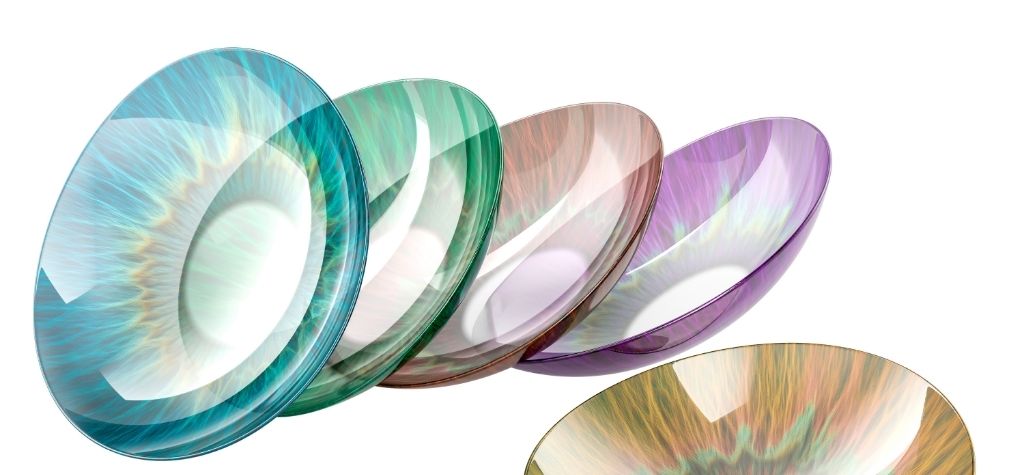
Before comparing costs, it’s important to understand the different types of contact lenses. Soft contact lenses fall into several categories based on how long each pair is designed to last:
Daily disposable lenses
These lenses are worn for one day and then thrown away. They come individually packaged in sterile blister packs and require no cleaning or storage. Because you use a fresh pair every day, daily disposables reduce the buildup of protein deposits and bacteria that can accumulate on reusable lenses.
Bi‑weekly and monthly lenses
Bi‑weekly lenses are replaced every two weeks, while monthly lenses are replaced every month. During their wear period, you must clean them each night using a recommended disinfecting solution and store them in a clean case. Reusable lenses cost less per lens, but they require additional time and supplies.
Extended‑wear lenses
Some lenses are approved for overnight wear, meaning you can sleep in them. These lenses are usually made from silicone hydrogel material that allows more oxygen to reach the cornea. Extended wear can be convenient, but sleeping in lenses increases the risk of eye infections, so this option should only be used under a doctor’s supervision.
The Cost Breakdown

Cost is often the first factor people consider when choosing between daily and reusable contacts. Let’s look at how prices compare and what influences them.
Comparing daily vs. monthly costs
Pricing can vary by brand, prescription and region, but general ranges can help you estimate yearly costs:
- Daily disposable lenses: A consumer guide from Felix Gray, a lens retailer, notes that daily disposables typically cost about $0.85 – $1.25 per day. That works out to roughly $310–$455 per year per eye if you wear contacts every day. The guide points out that subscription programs can reduce the per‑day price.
- Bi‑weekly lenses: Bi‑weekly lenses usually run about $0.70 – $1.20 per day, slightly less than daily disposables but more than monthlies.
- Monthly lenses: Monthly disposables cost around $0.55 – $0.90 per day. Because you only replace the lens once a month, these lenses are the most affordable in terms of per‑day price, but you must also buy cleaning solution and cases.
To illustrate the difference, the retailer ContactsDirect compared a popular lens brand in both monthly and daily versions. A 12‑pack of Acuvue Oasys monthly lenses costs about $115 per eye and can last a year, while the same lens in a daily disposable version costs about $77 per eye for a three‑month supply, adding up to about $280 per year per eye. Even after factoring in cleaning solution and cases, the daily version remains more than twice as expensive.
Factors that influence cost
Several variables affect how much you’ll spend on contact lenses:
- Lens type and material. Soft hydrogel lenses are usually the cheapest, while silicone hydrogel or custom rigid gas‑permeable lenses are more expensive.
- Prescription complexity. Lenses for astigmatism, presbyopia or unusual prescriptions often cost more because they must be custom‑made.
- Brand reputation. Well‑known manufacturers invest in research and development, which can raise prices.
- Additional features. Some lenses offer ultraviolet (UV) protection or moisture‑retention technology. These extras may improve comfort but can increase cost.
Hidden costs of reusable lenses
While monthly lenses have a lower sticker price, they come with hidden expenses. You must purchase disinfecting solution, protein‑removing tablets and replacement cases. Travel‑size bottles add to the cost if you travel often. Infrequent lens cleaning or using improper solutions raises the risk of infection and can lead to costly doctor visits. Daily contacts eliminate these ongoing expenses; you only pay for the lenses themselves.
Health and Safety Considerations

Cost is important, but your eyes’ health matters even more. Contact lenses are medical devices. If they are not worn, cleaned and stored properly, they can lead to serious eye infections.
How common are contact lens infections?
The U.S. Centers for Disease Control and Prevention (CDC) notes that about 45 million Americans wear contact lenses. While lenses are safe when used correctly, poor hygiene can increase the risk of microbial keratitis — an infection of the cornea that can cause vision loss. The CDC reminds wearers that contact lenses must be worn and cared for properly to avoid infection.
Data from Moorfields Eye Hospital, part of the UK National Health Service, estimate that microbial keratitis affects around four per 10,000 contact lens wearers each year. Acanthamoeba keratitis, a rarer but more severe infection, occurs in about two per 100,000 wearers, and 85 % of cases occur in otherwise healthy contact lens users.
Daily lenses and infection risk
Several studies suggest that daily disposables reduce the risk of infection compared with reusable lenses. A University College London (UCL) case‑control study reported that people who wore reusable soft lenses had 3.8 times the odds of developing Acanthamoeba keratitis compared with those using daily disposables. Showering with lenses increased the odds of infection 3.3‑fold, and sleeping in lenses increased the odds 3.9‑fold. The authors estimated that 30 %–62 % of cases could be prevented if patients switched from reusable to daily lenses. A summary from 2 Minute Medicine notes that a small case‑control study found reusable lens wearers were 4.14 times more likely to develop Acanthamoeba keratitis than daily disposable users.
Why might daily disposables be safer? Because the lenses are discarded after one use, there is no time for bacteria and biofilms to accumulate on the lens surface. There is also no storage case, which can harbour microbes if not cleaned properly. Without the need to disinfect and reuse lenses, there are fewer opportunities for contamination.
Hygiene still matters
Daily lenses reduce but do not eliminate infection risk. Moorfields Hospital provides several hygiene tips for all lens types:
Wash and dry your hands before handling lenses. Always clean your hands before inserting or removing lenses.
Use only recommended solutions. Rinse reusable lenses and cases with the appropriate saline or disinfecting solution. Never use tap water on lenses.
Keep cases clean and replace them regularly. Throw away the old solution, rinse the case with saline and let it air dry. Replace your lens case monthly.
Attend regular eye exams. Regular check‑ups help detect problems early and ensure your prescription is up to date.
Following these habits is essential, whether you choose daily or monthly lenses. Even daily wearers must wash their hands and avoid water exposure when inserting or removing lenses.
Convenience and Comfort
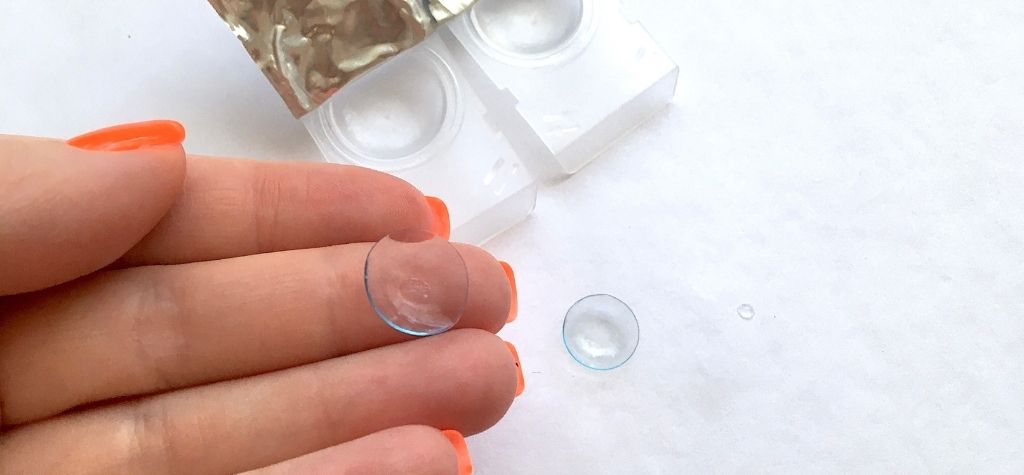
Beyond price and safety, lifestyle factors play a big role in choosing lenses.
Convenience
Daily disposables are popular because they are simple. There is no cleaning, disinfecting or storage routine. You open a sterile pack, insert the lens and throw it away at night. This convenience can be a game changer for busy students, travelers or anyone who struggles with lens care. People who wear contacts only occasionally for sports or social events may also find that buying dailies is more cost‑effective than throwing away half‑used monthly lenses.
In contrast, reusable lenses require nightly cleaning and proper storage. Skipping these steps, even once, increases the risk of infection. You must also bring solution and cases when traveling, which adds bulk to your bag. For frequent flyers who prefer to travel light, a pile of blister packs can still be easier to manage than bottles of solution.
Comfort
Many users report that daily disposable lenses feel more comfortable than monthlies. Because they are replaced each day, the lenses stay thin, moist and free from deposits. They often feature high‑water‑content or silicone hydrogel materials designed to maintain oxygen flow and moisture. Reusable lenses may become less comfortable toward the end of their lifespan because deposits build up despite cleaning.
If you suffer from allergies or mild dry eye, a fresh lens every day can reduce irritation. However, each person’s eyes are different, and some may find that certain monthly lenses provide excellent comfort. The best way to know is to consult an eye care professional and try different options.
Environmental Impact
One downside of daily disposables is that they generate more waste. Each pair of lenses comes in a plastic blister pack, and the lens itself is made from polymers. There is growing concern about plastic pollution from contact lenses.
A study by Arizona State University (ASU) highlighted that roughly 45 million Americans wear contact lenses and that 15 %–20 % of wearers flush used lenses down the sink or toilet. With around 1.8 – 3.36 billion lenses flushed each year, this contributes approximately 20–23 metric tons of wastewater‑borne plastic annually. Wastewater treatment plants fragment the lenses into microplastics, which can accumulate in sewage sludge and may end up in soil or water. Microplastics can be mistaken for food by aquatic organisms, entering the food chain.
Daily lens wearers can reduce their footprint by disposing of lenses in the trash rather than flushing them. Some manufacturers and optical shops participate in recycling programs that collect used lenses and blister packs. If environmental sustainability is a major concern, monthlies may generate slightly less waste. However, monthly lenses still produce plastic bottles of disinfecting solution, which means the difference in total plastic may be smaller than expected.
Who Should Choose Daily Contacts?
Daily disposables are not the right choice for everyone. They tend to be more expensive but offer unique benefits that suit certain lifestyles. Consider daily contacts if you:
- Wear contacts occasionally. If you switch between glasses and contacts, daily lenses prevent waste. You only use what you need, so you won’t discard a pair of monthlies that have expired after sitting in your case.
- Value convenience. People with busy schedules, frequent travelers or those who dislike cleaning routines appreciate the simplicity of daily disposables.
- Have allergies or mild dry eye. A fresh lens each day reduces allergen and protein buildup, which can improve comfort.
- Want lower infection risk. Evidence suggests daily lenses reduce the risk of Acanthamoeba keratitis compared with reusable lenses.
- Are new to contacts. Beginners may find that daily lenses help them build good habits because there is no cleaning process to master.
Monthly or bi‑weekly lenses may be better if you:
- Need a lower cost per day. If you wear contacts daily and must manage costs, monthly lenses are more affordable.
- Have a complex prescription. Specialized lenses such as toric or multifocal designs may not be available in daily formats or may be cost‑prohibitive.
- Are disciplined about lens care. If you are diligent about cleaning and storing lenses properly, you can minimize infection risk with reusable lenses.
Tips to Save Money on Daily Contacts
If you decide that daily disposables are right for you but worry about the price, consider these strategies to reduce costs:
- Compare brands. Not all daily lenses are priced the same. Less well‑known brands can be cheaper while still meeting quality standards. Talk to your eye doctor about affordable options.
- Buy in bulk or subscribe. Purchasing a six‑month or one‑year supply often comes with a discount. Some retailers offer subscription services that lower the per‑box cost.
- Use vision benefits. If you have vision insurance, flexible spending accounts (FSAs) or health savings accounts (HSAs), use those funds for contact lenses. These accounts let you pay with pre‑tax dollars, effectively lowering the cost.
- Alternate with glasses. Wearing glasses part of the time reduces the number of contact lenses you need. Even cutting out one or two days per week can yield significant savings over a year.
- Watch for rebates and sales. Manufacturers often provide rebates when you purchase multiple boxes at once. Eye care providers sometimes match online prices, so ask about price‑matching policies.
Conclusion
Daily disposable contact lenses offer unmatched convenience and may reduce the risk of serious eye infections. Studies from UCL and other researchers show that switching from reusable to daily lenses can lower the odds of Acanthamoeba keratitis by around three‑ to four‑fold, while maintaining proper hygiene remains vital for all lens users. Daily lenses also provide fresh comfort and are ideal for occasional wearers, frequent travellers or people with allergies. The downside is cost and environmental impact; daily lenses can cost more than twice as much as monthlies, and they generate more plastic waste if not disposed of responsibly.
Ultimately, the decision depends on your lifestyle, budget and commitment to lens care. Talk with your eye care professional to determine which type best suits your vision and health needs. If you choose daily lenses, follow proper hygiene, look for recycling programs and use cost‑saving strategies. With the right information, you can enjoy clear vision and healthy eyes without breaking the bank.
