

Having a pair of glasses that fits your style and corrects your vision makes daily life easier and more comfortable. But to keep them performing well, you need to store them properly. Without good habits, your frames can bend, lenses can scratch, and coatings may peel or craze (that shimmering, cracked look). This guide explains why glasses are so prone to damage, and how to store them so they last. It’s written in a conversational tone and at a seventh‑grade reading level, so you can share it with teens and grandparents alike.
Why Proper Storage Matters
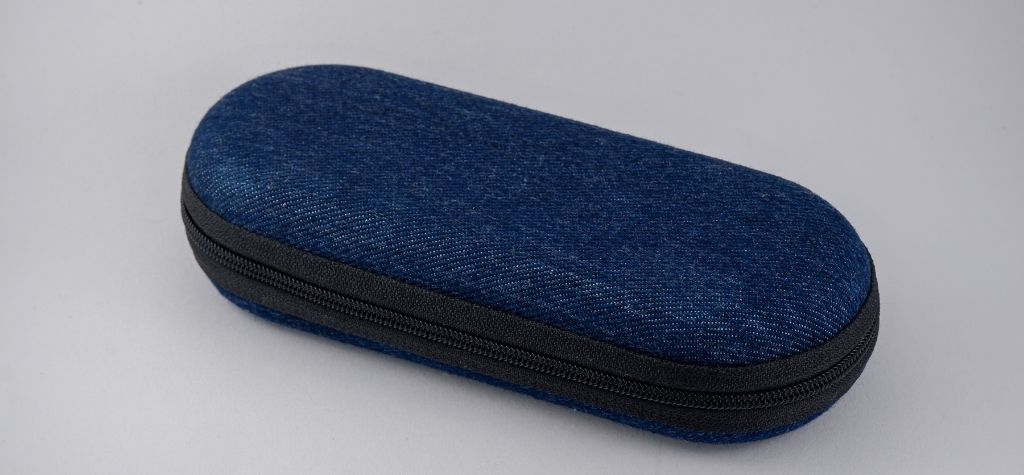
Glasses are lightweight, precisely engineered tools. The hinges, screws, and plastic or metal frames have been designed to balance on your nose and ears. Even minor bends can throw off that balance, leading to headaches or reduced vision. Scratches on the lenses can scatter light, causing glare or eye strain. And once coatings are damaged, your lenses may become more vulnerable to UV rays. Using the right storage habits protects your investment and keeps you seeing clearly.
Common Mistakes That Damage Glasses
Before learning how to protect your eyewear, it helps to know what not to do. The following mistakes are surprisingly common:
- Tossing glasses on the table lens‑down. It’s tempting to put your glasses face down, but the lenses will rub against hard surfaces and pick up scratches. Experts recommend setting them down with the arms open and the lenses facing up.
- Leaving glasses in hot places. Cars can heat up quickly. High temperatures and UV radiation can warp frames or cause coatings to craze. Don’t leave glasses on the dashboard or by a sunny window.
- Cleaning lenses with clothing or tissues. Clothing fibers and paper towels contain rough fibers that scratch lenses. Always use microfiber cloths or lens wipes.
- Using harsh chemicals. Bleach, ammonia, and window cleaners break down coatings. Opt for gentle dish soap or lens cleaners recommended by eye‑care professionals.
- Storing glasses loose in a bag or purse. Loose glasses jostle around and may rub against keys, coins, or other objects. Always use a protective case.
Now that you know the common pitfalls, let’s explore the right way to store and care for your glasses.
Choosing the Right Protective Case
A durable glasses case is your first line of defense against scratches and bending. There are several types to consider:
Hard‑Shell Cases
Hard cases have a rigid exterior, often made of plastic or metal, and a soft interior lining. Optometrists emphasize that hard protective cases shield glasses from crushing and scratching. Look for a case that matches the size of your frames so they don’t slide around inside.
Clamshell Cases vs. Pouch-Style Cases
- Clamshell cases are the most protective. They hinge open like a clam and often snap shut securely. A clamshell case prevents objects from pressing on your lenses when stored in a bag or pocket.
- Pouch‑style cases (often made of microfiber) are lighter and more flexible. They protect against dust and minor scratches, but they don’t prevent crushing. Use them when carrying glasses in your pocket for short periods, but consider a hard case for daily commuting or travel.
How to Properly Use a Case
- Clean the glasses before placing them in the case. Dust or grit trapped in the case can scratch lenses.
- Fold the temples so they don’t press against the lenses. Make sure the bridge (the part that rests on your nose) sits in the intended groove of the case.
- Close the case securely to keep out dirt and prevent accidental opening.
Avoiding Heat and Sun Damage

Your lenses likely have anti‑reflective and anti‑scratch coatings. Extreme temperatures and UV exposure can degrade these layers:
- Don’t leave glasses in your car. Even on cool days, the dashboard can reach high temperatures that warp frames and damage coatings. Eye care professionals warn that leaving glasses in a hot car can cause crazing, tiny cracks in the coatings that look like a spiderweb.
- Keep glasses away from stoves and heaters. Heat can loosen screws and warp plastic frames.
- Avoid direct sunlight when storing. If you set your glasses on a table outside, cover them or move them into the shade.
Alternatives When a Case Isn’t Handy
Sometimes you need to put your glasses down but don’t have a case. In those moments:
- Place them on a soft surface like a folded cloth or a book with a smooth cover.
- Lay them with lenses up and the temples open.
- Keep them away from food, liquids, and pets. Pets may chew on frames, and food residues can damage lens coatings.
Cleaning Your Glasses Before Storage
Even if you use a protective case, dirt left on your glasses can scratch them. Follow these simple steps to clean glasses correctly:
- Rinse under lukewarm water to remove dust and debris. Avoid hot water; it can damage coatings.
- Apply a drop of mild dish soap and rub gently with your fingers. Ophthalmologists recommend avoiding harsh cleaners like ammonia or bleach.
- Rinse thoroughly and gently shake off excess water.
- Dry with a clean microfiber cloth. Paper towels and clothing fibers can scratch lenses.
- Inspect for smudges and use a lens spray recommended by your eye‑care provider if needed.
Don’t Use Saliva or Breath
It’s common to fog lenses with your breath or even spit on them. However, mouth bacteria and acids can break down lens coatings. Always use clean water and lens cleaner instead.
Safe Places to Keep Glasses at Home
Designating a specific spot for your glasses reduces the risk of misplacing them or knocking them onto the floor. Consider the following ideas:
- Nightstand or bedside tray. SnapIt Screw’s guide to storing glasses suggests placing them in a dedicated tray near your bed, which prevents you from accidentally stepping on them.
- Desk organizer. If you spend hours at a computer, store your glasses in a small desk drawer or organizer when not in use. This protects them from spills and reduces clutter.
- Bathroom shelf with low humidity. The bathroom is convenient for storing reading glasses, but high humidity from showers can harm coatings. Keep them in a cabinet or on a shelf away from steam.
- Near the door. Use a small basket or case near the entryway so you remember to grab your glasses when leaving and put them in a safe place when you return.
Organizing Multiple Pairs
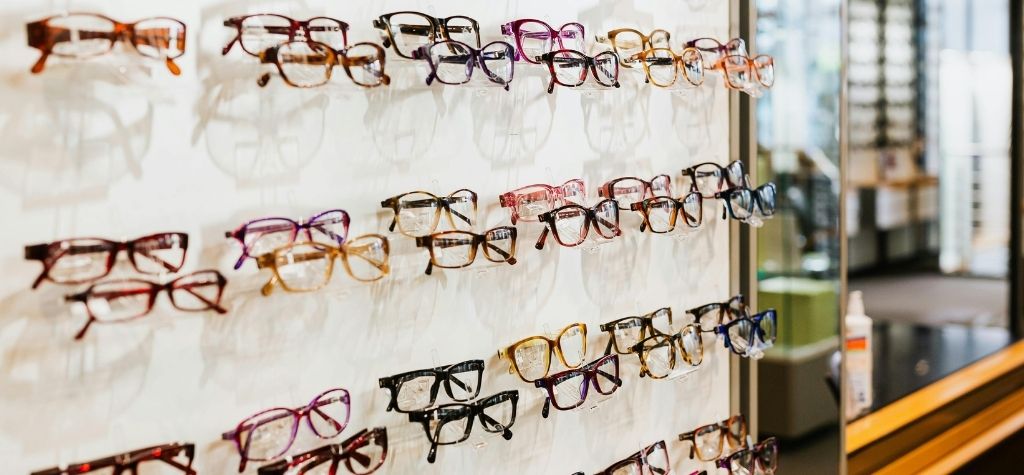
If you own several pairs—one for reading, one for driving, and maybe sunglasses—it’s important to organize them correctly:
Use a Display Case or Stand
Glass display cases or stands keep glasses visible and protected. They often have separate slots so pairs don’t rub against each other. These stands can be placed on a vanity or a shelf.
Label Cases for Easy Identification
When cases are closed, it’s easy to grab the wrong pair. Use small labels or colored stickers to mark reading glasses, computer glasses, and sunglasses. This prevents constant opening and closing which could wear out hinges.
Keep Sunglasses Separate
Sunglasses are often exposed to sand, salt, and sweat. Store them separately from your regular glasses to avoid transferring abrasive particles that could scratch other lenses.
Traveling With Glasses
Travel can be hard on eyewear. Follow these tips when on the move:
- Carry a spare pair. Eye care specialists suggest always having a backup in case your primary pair gets lost or broken.
- Use a hard case with a zipper or latch. When traveling, your bag may be tossed around. Choose a sturdy case that won’t open easily.
- Pack in your carry‑on. Checked luggage can get lost or damaged. Keep your glasses with you, especially if you rely on them for vision.
- Bring cleaning supplies. Pack a small bottle of lens cleaner and a microfiber cloth. Don’t rely on hotel towels or tissues.
- Avoid leaving glasses in a parked car. This cannot be stressed enough; high temperatures can warp frames and degrade lens coatings.
Proper Handling to Prevent Bending
Handling your glasses carefully is just as important as storing them properly. Here’s how to minimize stress on the frames:
Use Both Hands
Opticians recommend removing glasses with both hands. This ensures equal pressure on both hinges, preventing bending or misalignment.
Avoid Resting Glasses on Your Head
Many people slide their glasses up onto their heads like a headband. However, doing so can stretch the temples and misalign the frames. If you need to keep your glasses off your face briefly, hold them in your hand or store them properly.
Tighten Screws Regularly
Loose screws can cause arms to wobble or fall off. Use a small screwdriver (often included in glasses repair kits) to tighten screws gently. Replace lost screws promptly; many optical shops offer replacements at low cost or even for free.
Avoid One‑Handed Hinge Stress
Hooking glasses on your shirt or pulling them off with one hand puts uneven stress on the hinges. Over time, this can warp the frame and misalign the lenses. Always open and close both temples together.
Storing Glasses When You’re Active
Active lifestyles require extra care:
- Sports straps. If you wear glasses while running, cycling, or hiking, invest in adjustable straps. They keep glasses snug and reduce the chance of them falling or getting bent.
- Protective eyewear. For contact sports or hobbies like woodworking, use safety glasses or goggles over your prescription glasses. This adds a layer of protection against impacts and debris.
- Sweatbands or headbands. Sweat can drip down lenses and frames, potentially causing corrosion or leaving residue. A headband keeps sweat out of your eyes and off your glasses.
Special Considerations for Children’s Glasses

Children’s glasses need extra attention because kids are active and may be less careful. Here are a few tips tailored for younger wearers:
- Choose flexible, kid‑proof frames. Some manufacturers offer bendable, impact‑resistant materials that are less likely to break or bend.
- Teach good habits early. Show children how to use two hands to remove glasses and how to store them in a case.
- Consider straps or cables. For sports or playtime, attach a strap to the glasses to keep them secure.
- Check regularly for loose screws. Kids may not notice if their glasses start loosening. Tighten screws or visit an optometrist for adjustments.
When to Visit an Optician for Repairs
Even with the best care, glasses may eventually need adjustments. Signs that it’s time to see a professional include:
- The frames feel loose or slide down your nose regularly.
- One temple sits higher than the other when you look in a mirror.
- Lenses seem misaligned or your vision feels off.
- Screws won’t stay tight even after adjusting at home.
Opticians have the tools and expertise to realign frames, replace nose pads, and check lens coatings. Some repairs, like removing deep scratches, may not be possible; however, professionals can advise whether lenses need replacement.
Quick Reference: Do’s and Don’ts for Storing Glasses
Do’s
- Clean lenses with gentle soap and water before storage.
- Use a hard protective case to prevent crushing and scratches.
- Keep glasses out of hot cars or direct sunlight.
- Place glasses on a soft surface, lenses up, when a case isn’t available.
- Tighten screws periodically to maintain alignment.
Don’ts
- Avoid placing glasses lens‑down on any surface.
- Don’t leave glasses loose in your purse, pocket, or car.
- Never use clothing, paper towels, or tissues to clean lenses.
- Don’t use ammonia, bleach, or window cleaners.
- Don’t rest glasses on your head; it can stretch and bend the frames.
Conclusion: Small Habits Make a Big Difference
Properly storing your glasses is simple but essential. By using a protective case, cleaning lenses carefully, avoiding heat and direct sunlight, and handling your frames with care, you can prevent bending and scratching. Investing a few extra seconds to put your glasses in a case or set them on a soft surface can extend the life of your eyewear and keep your vision clear. When you treat your glasses with respect, they’ll serve you well for years to come.
Actionable takeaway: Start by purchasing a hard‑shell case if you don’t already have one. Place it in a location where you regularly remove your glasses, like a nightstand or desk. Clean your lenses with mild soap and water, dry them with a microfiber cloth, and always store them in the case when not in use. Teach these habits to your family members, and you’ll all benefit from longer‑lasting, scratch‑free glasses.
