

A Smooth Transition from Indoors to Sunlight
Imagine walking out of a dim coffee shop into the midday sun. Most people reach for their sunglasses or squint until their eyes adjust. Photochromic lenses promise to solve this problem by darkening automatically when exposed to ultraviolet (UV) light and returning to clear indoors. These “light‑adaptive” lenses have been around for decades, but recent innovations and marketing claims make many wearers wonder whether they are still worth the upgrade in 2026.
This article explains how photochromic lenses work, highlights the latest scientific research, covers their benefits and drawbacks, and offers practical advice for deciding if they’re right for you. The tone is conversational, the explanations are clear and you’ll come away with actionable tips.
What Are Photochromic Lenses?
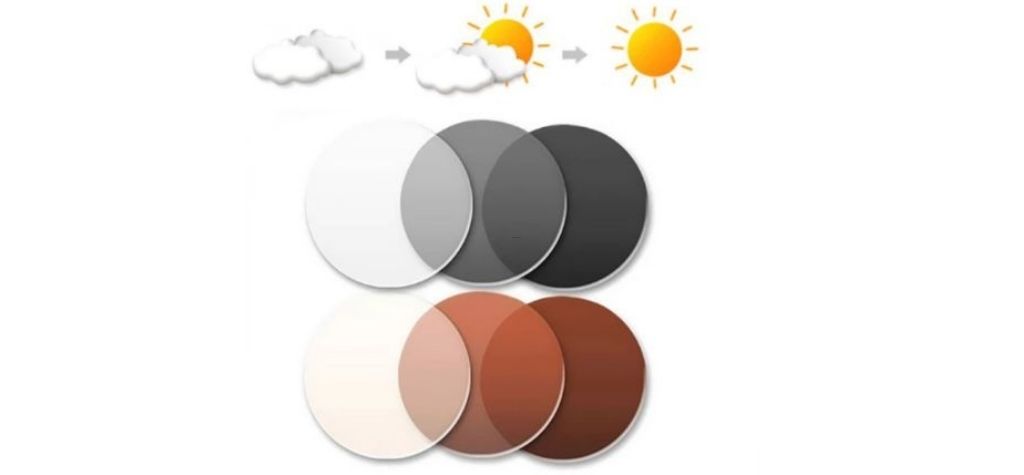
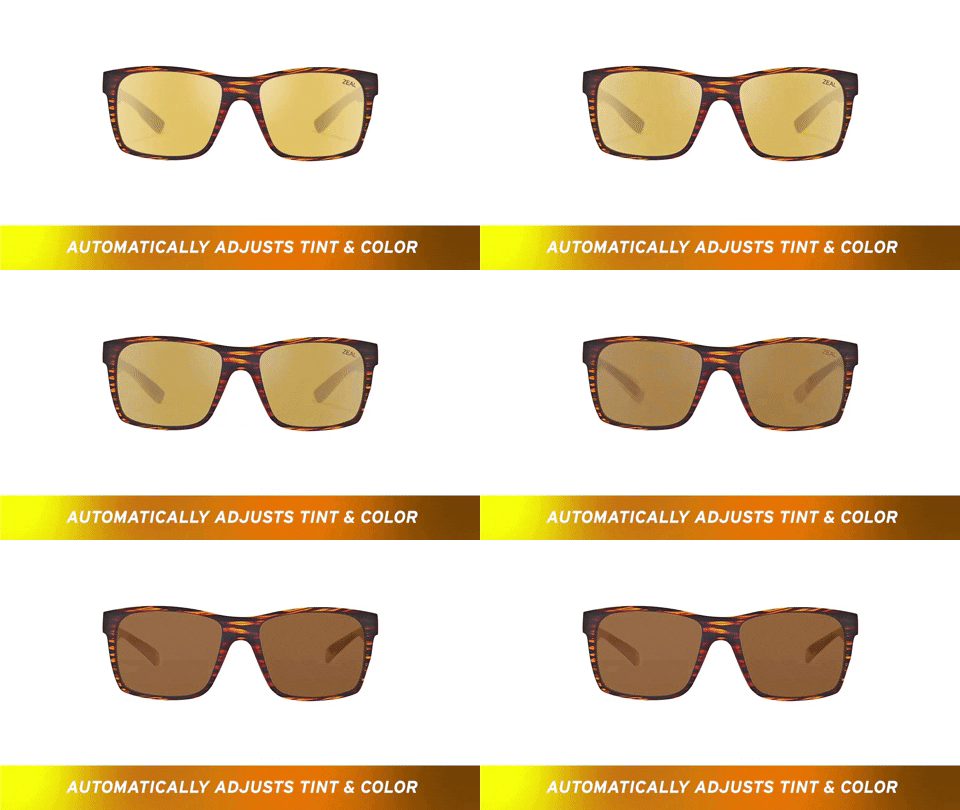
Photochromic lenses, sometimes branded as Transitions® or light‑adaptive lenses, are optical lenses that change tint depending on UV exposure. In their clear state indoors they look like regular eyeglass lenses, but they darken to a sunglass tint when exposed to sunlight.
How the Technology Works
Photochromic technology relies on a chemical reaction within the lens material. In glass photochromic lenses, silver halide crystals are embedded in the glass substrate. When ultraviolet light (320–400 nm) hits the lens, electrons combine with colourless silver ions to form elemental silver, causing the lens to darken. Removing the UV source reverses the reaction and returns the lens to a clear state. Plastic photochromic lenses use organic molecules such as spiropyrans, spirooxazines and naphthopyrans. These molecules change shape (isomerize) when exposed to UV, altering how they absorb visible light.
Definition: A photochromic lens is a spectacle or contact lens that darkens when exposed to ultraviolet radiation and returns to a clear state when the UV source is removed. The molecules inside the lens respond to UV light but not ordinary indoor lighting, so they remain mostly clear indoors.
Types of Photochromic Lenses
- Glass photochromic lenses – Contain silver halide crystals. They offer uniform darkening but are heavier and more prone to breakage.
- Plastic photochromic lenses – Made with organic photochromic molecules embedded or coated onto the lens. They are lighter and shatter‑resistant but may not darken as uniformly.
- Photochromic contact lenses – Newer silicone hydrogel lenses with a photochromic additive. A study comparing a standard silicone hydrogel lens and a photochromic contact lens found that the photochromic version blocked 99 % of UVA and 100 % of UVB while the standard lens blocked 96 % UVA and 99 % UVB.
Most modern eyewear uses plastic photochromic technology because it can be incorporated into lightweight materials such as CR‑39®, polycarbonate or high‑index plastics.
Benefits: Why People Love Photochromic Lenses

Photochromic lenses offer several advantages beyond simply darkening in the sun. Here are the key benefits supported by research and expert organizations.
Continuous UV Protection
Ultraviolet radiation can damage the eyes and contribute to cataracts, macular degeneration and skin cancers on the eyelids. Prevent Blindness, a national nonprofit, notes that eyewear should absorb both UV‑A and UV‑B rays and recommends options such as UV‑blocking lens materials, lens coatings and photochromic lenses. Because photochromic lenses darken in UV light, they provide full‑time protection without requiring a separate pair of sunglasses. Many manufacturers claim 100 % blockage of UVA and UVB; for example, educational material from Ferris State University’s Michigan College of Optometry states that Transitions lenses offer 100 % protection from UVA and UVB radiation and deliver optimal visual acuity and comfort.
Improved Visual Comfort and Glare Reduction
Glare from sunlight, snow or reflective surfaces can cause squinting and eye strain. Photochromic lenses reduce glare by darkening automatically when sunlight increases. In a randomized crossover trial analyzing two clinical studies with 250 participants, the photochromic contact lens (ACUVUE® OASYS with Transitions™) was preferred nearly 6:1 over a clear control lens in environments with activating light sources, such as outdoors. Even in conditions with less UV exposure—indoors, night driving and digital device use—the photochromic lens was preferred by margins of 4:1, nearly 4:1 and over 3:1 respectively. Participants reported better quality of vision, comfort and less squinting when using computers or driving at night.
Convenience and Versatility
Having a single pair of glasses that serves as both indoor eyewear and sunglasses eliminates the need to carry two pairs or clip‑on sunshades. The adaptive tint responds to UV light intensity, so you’re always protected without thinking about it.
Protection Against Digital Eye Strain
While photochromic lenses react primarily to UV light, some modern versions incorporate blue‑light filtering or anti‑reflective coatings to reduce glare from computer screens and LED lighting. Although research is ongoing, the reduction in glare and improved visual comfort reported in the randomized trial suggests potential relief when using digital devices.
Aesthetics and Safety for Children
Photochromic lenses for children can encourage consistent UV protection because kids are less likely to swap between clear glasses and sunglasses. The lenses also maintain peripheral vision better than wrap‑around sunglasses, which is useful for playground or sports activities (although impact‑rated sports goggles may still be necessary for certain sports). Because the tint changes gradually, the appearance remains natural during transitions.
Real‑World Performance: Evidence from Scientific Studies
Scientific investigations provide insights into how photochromic lenses perform in different environments.
Randomized Trials of Photochromic Contact Lenses
Two multi‑site randomized crossover trials evaluated a photochromic contact lens against a similar clear lens. Participants wore each lens for two weeks in various lighting conditions. The analysis found that in environments with activating UV light (outdoors), the photochromic lens was preferred nearly 6:1 over the control lens. In less activating conditions like indoor activities, night driving and using digital devices, the photochromic lens still outperformed the control lens, being preferred by margins ranging from 3:1 to 4:1. Participants noted improvements in clarity of vision, comfort and reduced squinting.
Temperature Effects on Darkening and Fading
Temperature significantly influences how quickly photochromic lenses darken and return to clear. A laboratory study measured the optical properties of twelve different plastic photochromic lenses at cold (6 ± 2 °C) and warm (21 ± 2 °C) conditions. Researchers found that at cold temperatures the lenses had lower transmittance, higher optical density and a greater change in luminous transmittance compared with warm conditions. Importantly, the fading rates (time to return to clear) were 2.7–5.4 times slower at the cold temperature, and the time required to reach 80 % transmittance was 6.4 times longer. In other words, photochromic lenses darken more and stay dark longer in cold weather.
Another article summarizing general disadvantages of photochromic lenses notes that they fade more slowly than they darken—typically within 20–30 seconds—and that consumers often find the slow return to a clear state inconvenient. Manufacturers should provide fading rate information so wearers know what to expect.
Effects of Windshields and UV‑Blocking Barriers
Because photochromic lenses rely on UV light to activate, some environments prevent them from darkening. The Penn State Center for Nanoscale Science explains that glass used in car windshields contains UV‑protective coatings; therefore, photochromic lenses will not darken in a car where the windshield blocks the UV light. This limitation means drivers may need separate sunglasses for bright driving conditions.
Innovative Solutions for Cars
Historically, windshields have prevented photochromic activation, but research and development are addressing this issue. A review of lens materials reports that new combinations of photochromic compounds with different spectral sensitivities allow lenses to activate behind a vehicle windscreen. Some brands now offer “drivewear” photochromic lenses that respond to both UV and visible light for improved performance while driving.
Visual Function and Pupil Size
A 2023 study assessed pupil size in young adults wearing standard silicone hydrogel contact lenses versus photochromic contact lenses. The photochromic lens blocked 99 % UVA and 100 % UVB. Pupil sizes were similar across lenses in mesopic and photopic (indoor) conditions, indicating that the photochromic additive did not adversely affect pupil response or vision clarity. The researchers concluded that photochromic lenses can reduce glare and improve comfort without compromising vision.
Limitations: Understanding the Drawbacks
Photochromic lenses are not perfect. Awareness of their limitations helps you decide whether an upgrade is worthwhile.
Slow Fade‑Back Indoors
Photochromic lenses typically darken quickly (within seconds) when exposed to UV light but fade back to clear more slowly. A study notes that they fade more slowly than they darken, taking 20–30 seconds to return to clear. When moving from bright sunlight into a movie theater or indoor conference, you may experience a brief period where the lenses remain tinted.
Reduced Activation Inside Cars
UV‑blocking windshields prevent standard photochromic lenses from darkening during daytime driving. Although newer lens designs attempt to overcome this, many consumers still report insufficient darkening in cars. If you spend significant time driving, you may need a separate pair of polarized sunglasses or choose photochromic lenses designed specifically for driving (often marketed as lenses that react to both UV and visible light).
Temperature Sensitivity
Cold temperatures cause photochromic lenses to darken more and fade back more slowly. In warm conditions they may not reach their darkest state. This could be an issue if you live in a very hot climate where the lenses stay lighter outdoors.
Style and Tint Color
Photochromic lenses are usually available in gray or brown. Some wearers dislike the residual tint that remains even when they return to clear, especially in low‑light conditions. Cosmetic concerns may influence whether you want photochromic lenses for professional or aesthetic reasons.
Cost and Insurance Coverage
Photochromic lenses cost more than standard clear lenses because of the specialized materials and manufacturing processes. Prices vary based on lens material (CR‑39®, polycarbonate, high‑index), brand and any additional coatings (anti‑reflective, blue‑light filtering). Insurance may cover part of the upgrade if photochromic lenses are considered medically necessary for light sensitivity, but many vision plans treat them as elective.
Not Suitable for Every Activity
While photochromic lenses protect against UV radiation, they are not substitutes for specialty eyewear. Sports requiring impact‑rated eye protection (such as racquetball or baseball), high‑glare environments (open water, snow sports) or industrial safety settings often require goggles or sunglasses with specific protection standards. Photochromic lenses may not darken sufficiently for these conditions or cover the sides of your eyes.
Temperature and Environment: What You Need to Know
Cold Weather: In cold climates, photochromic lenses darken more but take longer to fade back to clear. The study comparing cold (6 °C) and warm (21 °C) conditions found that the fading time to reach 80 % transmittance was 6.4 times longer at the cold temperature. If you live in a cold region, be prepared for your lenses to stay tinted when you come indoors, especially after winter outdoor activities.
Hot Weather: In very hot conditions (30 °C or more), photochromic lenses may not darken fully because the temperature affects the chemical reaction. Some people in tropical climates feel their lenses stay too light outdoors.
Driving: UV‑blocking windscreens limit activation. Newer photochromic formulations with broader spectral sensitivity aim to address this problem, but always test how they perform in your own vehicle.
Indoor Environments: Photochromic lenses remain mostly clear indoors because fluorescent and LED lighting emit little to no UV. However, the lenses may have a very slight residual tint, which some users notice.
Cost Considerations and Lens Options
The price of photochromic lenses depends on the base material, lens design and coatings. Here’s a general guide:
- CR‑39® plastic: Affordable and lightweight; available in photochromic tints and anti‑reflective coatings.
- Polycarbonate: Impact‑resistant with inherent UV protection, making it popular for children’s eyewear. It can be combined with photochromic and anti‑reflective coatings.
- High‑index plastics (e.g., MR‑8™, MR‑10™): Thinner and lighter for high prescriptions; available in photochromic versions.
When pricing lenses, consider the total package: frame cost, prescription strength, anti‑reflective coating, scratch resistance and any blue‑light or photochromic upgrades. Ask your optician if your vision insurance covers part of the upgrade or if there are package deals.
Emerging Innovations and the Future
Photochromic technology continues to evolve. Researchers are experimenting with multiple photochromic compounds in a single lens to achieve activation under both UV and visible light, enabling darkening behind car windshields. Manufacturers are also developing faster‑changing molecules to reduce the time it takes for lenses to clear when returning indoors. Photochromic contact lenses demonstrate that light‑adaptive technology can be embedded in soft lens materials while still maintaining high UV protection.
Another area of development is combining photochromic technology with polarization to reduce glare from reflective surfaces and with blue‑light filters to lessen digital eye strain. These multi‑function lenses offer a compelling glimpse into the future where a single pair of glasses can adapt to sunlight, reduce glare, filter blue light and protect against UV radiation.
Should You Upgrade? Practical Takeaways
Whether photochromic lenses are worth the upgrade depends on your lifestyle, environment and personal preferences:
- If you spend a lot of time moving between indoors and outdoors and prefer the convenience of one pair of glasses, photochromic lenses can save you from juggling multiple pairs.
- People sensitive to light or those concerned about long‑term UV exposure may appreciate the continuous UV protection. The 100 % UVA/UVB blockage offered by many modern photochromic lenses provides peace of mind.
- For drivers, test lenses specifically designed for use behind windscreens or keep a pair of polarized sunglasses handy because standard photochromic lenses may remain clear inside cars.
- In cold climates, be aware that lenses may take longer to clear after going indoors. If the slow fade is bothersome, consider newer formulations with faster fade rates or keep a spare pair of clear glasses for activities like indoor presentations.
- Budget‑conscious consumers should balance the cost against convenience. While photochromic lenses are more expensive than standard lenses, they might eliminate the need for a separate pair of prescription sunglasses.
Final Verdict
Photochromic lenses offer genuine benefits—UV protection, reduced glare, convenience and an adaptable aesthetic. Scientific studies show that users often prefer photochromic lenses for both outdoor and indoor activities. However, drawbacks such as slower fade times, reduced activation in cars and sensitivity to temperature mean they may not be ideal for everyone.
If you’re considering an upgrade in 2026, speak with your optician about your lifestyle and ask to try the latest lens formulations. The technology continues to improve, and understanding both the advantages and limitations will help you make an informed decision.
