

When you shop for new glasses, you might be drawn to a pair because of its style or price. But the material of the frame can make just as much of a difference as the shape or color. Frame materials affect how lightweight, durable, flexible and hypoallergenic your glasses are. Understanding these differences can help you choose a pair that fits both your face and your lifestyle. In this guide, we compare eight common frame materials—metal, plastic and natural—to help you decide which is worth your money.
Why Frame Material Matters
Most eyeglass shoppers are concerned with price and style, but there are other important factors: weight, strength, flexibility and resistance to corrosion. Frames made from titanium, stainless steel or other metals generally stand up well to wear and tear, while plastic frames often come in many colors and cost less. Some materials are hypoallergenic, meaning they are less likely to cause skin irritation. Others can be easily adjusted, making them a better choice for children or people with high prescriptions.
Choosing the right frame material affects how comfortable your glasses feel, how long they last and how they look over time. Below, we compare eight materials—titanium, beryllium, monel, stainless steel, Flexon, aluminum, plastic (including acetate, propionate and nylon) and wood—to highlight their pros, cons and value.
Titanium: Lightweight, Durable and Hypoallergenic
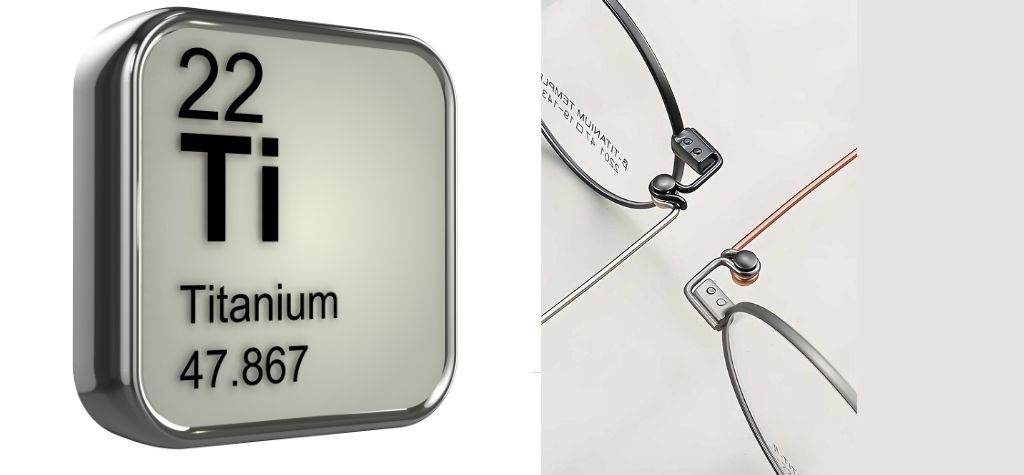
Titanium frames have become popular for good reason. According to the American Academy of Ophthalmology (AAO), titanium frames are very strong, lightweight and corrosion‑resistant. Titanium is hypoallergenic, making it ideal for people allergic to nickel. The material is used in spacecraft and implantable medical devices due to its strength and durability.
Pros
- Lightweight and strong – Titanium frames feel light on your face yet stand up to wear.
- Corrosion‑resistant – They don’t rust easily, even in humid or salty environments.
- Hypoallergenic – Good for people sensitive to nickel or other metals.
- Variety of colors – Titanium eyewear can come in many colors for a modern look.
Cons
- Higher cost – Pure titanium frames are more expensive than alloys or other metals.
- Rigid – Although strong, some titanium frames may be less flexible than materials like Flexon.
Worth the money?
Titanium frames are a smart investment if you need a durable, lightweight and hypoallergenic option, especially for active lifestyles or sensitive skin. If budget is your primary concern, titanium alloys (mixed with metals like nickel or copper) offer similar benefits at a lower price.
Beryllium: Budget-Friendly and Salt‑Water Resistant
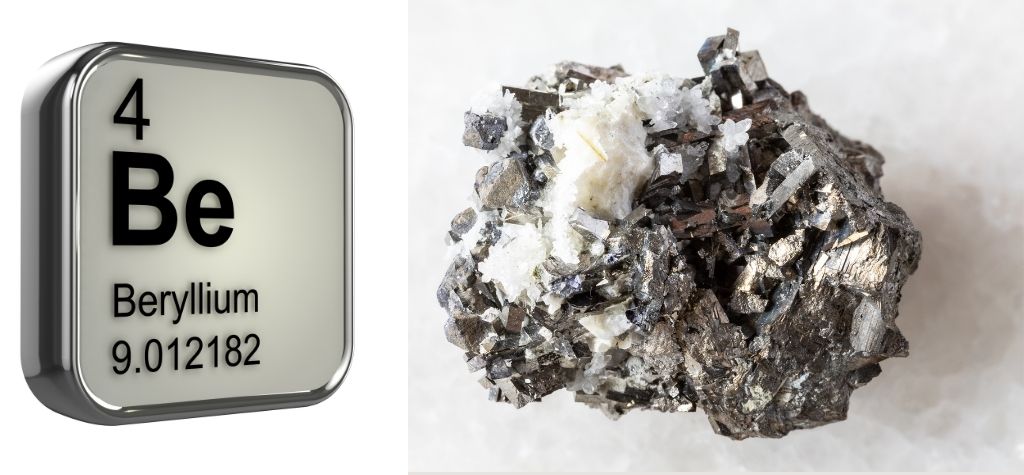
Beryllium is a steel‑gray metal that costs less than titanium but offers similar benefits. The AAO states that beryllium frames are very lightweight, strong and extremely corrosion‑resistant, making them a good choice for people who spend time in or around salt water. They are also flexible, so an optician can adjust them easily.
Pros
- Affordable alternative – Beryllium costs less than titanium.
- Lightweight and strong – Comfortable for all-day wear.
- Highly corrosion‑resistant – Ideal for humid climates or coastal living.
- Flexible – Easy for an optician to adjust.
Cons
- Limited availability – Fewer styles and colors compared with titanium or plastic.
- Potential allergies – Although rare, some people may be allergic to beryllium.
Worth the money?
For those on a budget who still want a metal frame that resists corrosion and feels light, beryllium offers excellent value. Its performance in salty environments makes it a smart pick for boaters or beach lovers.
Monel: The Common Choice
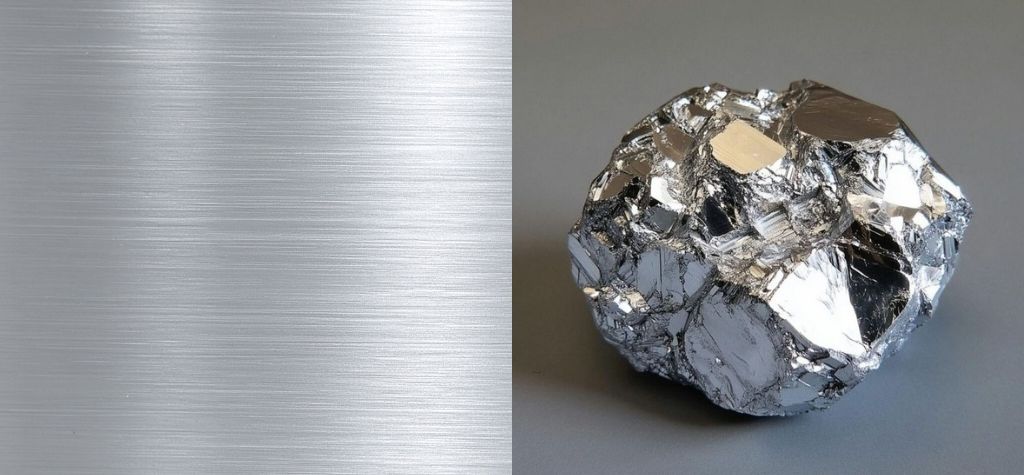
Monel is a widely used metal alloy composed primarily of nickel and copper. The AAO notes that while monel frames can cause allergic reactions because of the nickel content, most have a protective coating to prevent skin irritation. These frames are flexible and corrosion‑resistant, making them a workhorse option.
Pros
- Affordable and widely available – Commonly used in many mid‑range frames.
- Flexible and corrosion‑resistant – Good durability for everyday wear.
- Easy to repair – Monel can be welded, brazed or soldered.
Cons
- Allergy risk – Nickel content may irritate sensitive skin; look for plating that protects the skin.
- Heavier than titanium – Slightly heavier but still manageable for most wearers.
Worth the money?
Monel is a solid choice for people seeking affordable metal frames with good durability. If you have a nickel allergy, ask your optician for hypoallergenic plating or consider another material.
Stainless Steel: Affordable Strength
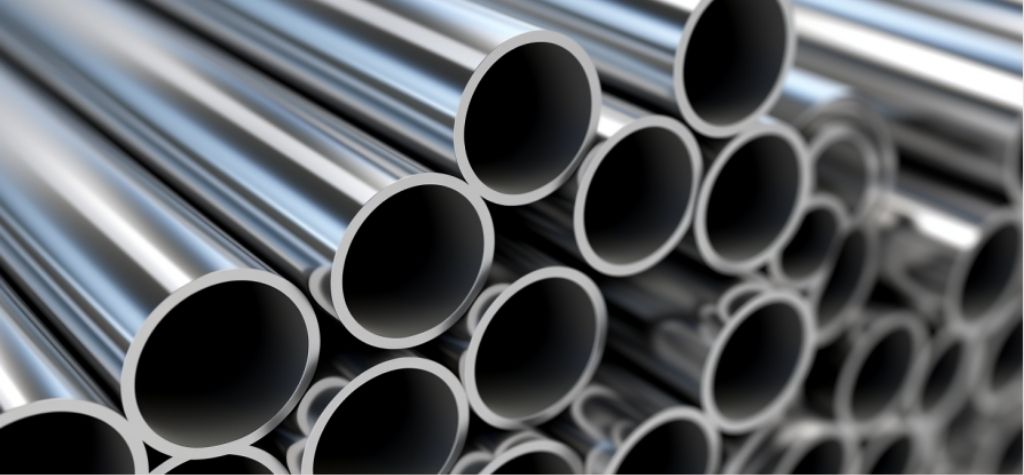
Stainless steel frames are known for their light weight and strength, though they are not as light as titanium. They are corrosion‑resistant and generally less expensive than many other metal frames. All About Vision adds that stainless steel contains chromium, which provides excellent resistance to corrosion, abrasion and heat.
Pros
- Durable and strong – Good for everyday wear and minor impacts.
- Lightweight – Comfortably light, though heavier than titanium.
- Corrosion‑resistant – Chromium content protects against rust and heat.
- Affordable – Less expensive than titanium or aluminum frames.
Cons
- Not the lightest – Slightly heavier than titanium or beryllium frames.
- Limited flexibility – Adjustments may be less forgiving than with Flexon.
Worth the money?
If you want a strong, corrosion‑resistant frame at a reasonable price, stainless steel is an excellent option. It strikes a good balance between cost and durability.
Flexon (Nickel‑Titanium Memory Metal): Bendable Resilience
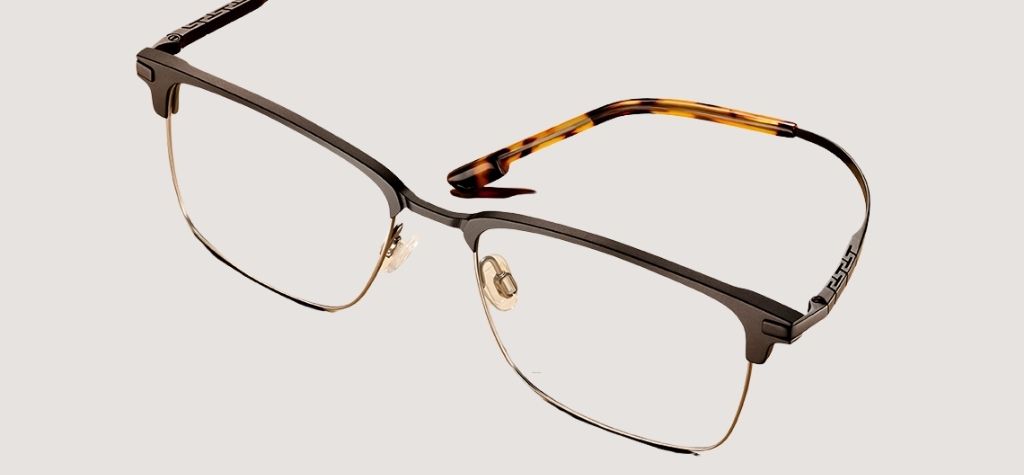
Flexon is a brand name for a titanium‑based memory metal. The AAO explains that Flexon frames are very flexible; they return to their original shape after being twisted or bent. They are lightweight, corrosion‑resistant and hypoallergenic. All About Vision notes that Flexon frames are about 25 percent lighter than standard metals.
Pros
- Highly flexible – Perfect for active lifestyles or kids who are hard on their glasses.
- Memory metal – Returns to shape after bending.
- Lightweight and hypoallergenic – Comfortable and suitable for sensitive skin.
- Corrosion‑resistant – Resists rust and tarnish.
Cons
- Higher cost – Usually priced between stainless steel and titanium.
- Limited color options – Fewer style variations than plastic or titanium.
Worth the money?
Flexon is a good investment for children, athletes or anyone who frequently drops or bends their glasses. The material’s ability to bounce back can save money in repairs and replacements over time.
Aluminum: Lightweight and Stylish
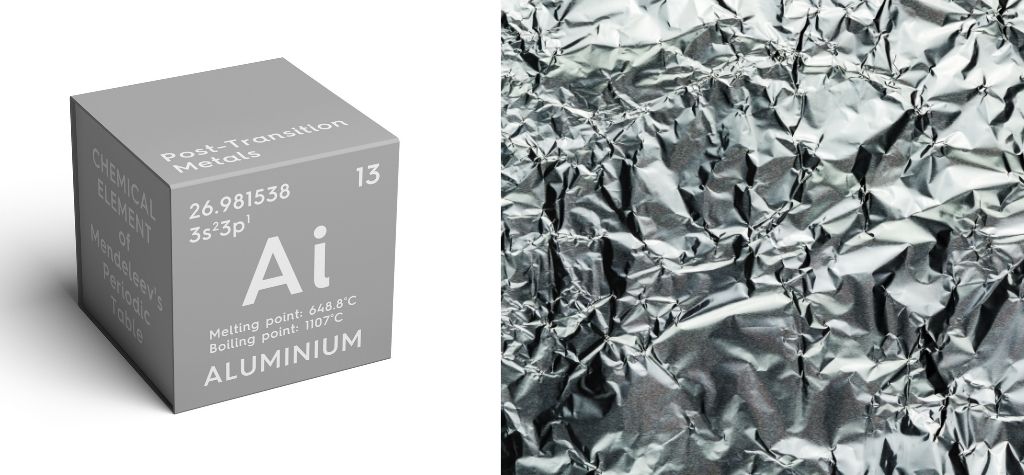
Aluminum frames are sometimes used in high‑end eyewear. The AAO notes that aluminum is corrosion‑resistant, flexible and strong. All About Vision describes aluminum as the world’s most abundant nonferrous metal; commercial aluminum alloys provide strength while remaining lightweight. Aluminum frames are often associated with modern, sleek designs.
Pros
- Lightweight – Feels comfortable for all‑day wear.
- Corrosion‑resistant – Resists rust and tarnish.
- Stylish – Allows unique sculpted designs and a distinctive look.
Cons
- Higher price – Typically used in high‑end frames.
- Rigidity – Pure aluminum is soft; alloys add strength but can make frames rigid and harder to adjust.
Worth the money?
Aluminum frames are worth considering if you value sleek design and lightness and don’t mind paying a premium. They are more of a fashion statement and may be less adjustable than other metals.
Plastic: Colorful, Lightweight and Budget‑Friendly
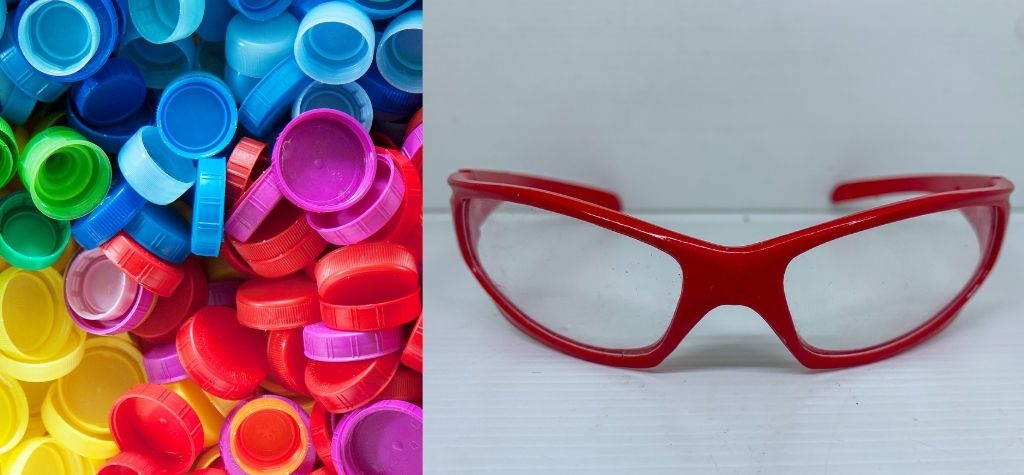
Plastic frames remain the most popular choice because they are less expensive, lightweight and come in a variety of colors and styles. The AAO notes that plastic frames are recommended for infants and small children because soft plastic is bendy and less likely to cause injury in a fall. However, plastic frames break more easily than metal frames, and over time their color and strength may fade.
Types of Plastic Frames
- Zyl (cellulose acetate or zylonite): Inexpensive, lightweight and available in many colors; easy to adjust. All About Vision adds that zyl is a cost‑effective option and extremely lightweight. Laminated zyl frames can feature layered colors for creative designs.
- Cellulose acetate propionate: A lightweight, nylon‑based plastic that is hypoallergenic and slightly softer than other plastics. Propionate frames have more transparency and gloss.
- Blended nylon (polyamides): Strong and lightweight; ideal for sports or safety frames and often used in wraparound styles because they can be easily molded.
- Optyl: A brand of epoxy resin that becomes malleable when heated, allowing opticians to mold the frame to your face.
Pros
- Affordable – Generally cheaper than metal frames.
- Colorful and stylish – Wide range of colors and patterns.
- Lightweight – Comfortable for prolonged wear, especially in zyl and propionate frames.
- Hypoallergenic options – Propionate, polyamide, nylon and Optyl frames are hypoallergenic.
Cons
- Less durable – More prone to breaking or cracking than metal frames.
- Color fading – Colors may fade over time.
- Limited adjustability – Some plastic frames can be difficult to adjust once set.
Worth the money?
Plastic frames offer excellent value if you’re on a budget, love color and don’t need maximum durability. They’re ideal for children, fashion-conscious adults or anyone wanting multiple pairs to match different outfits.
Wood and Natural Materials: Unique and Eco‑Friendly
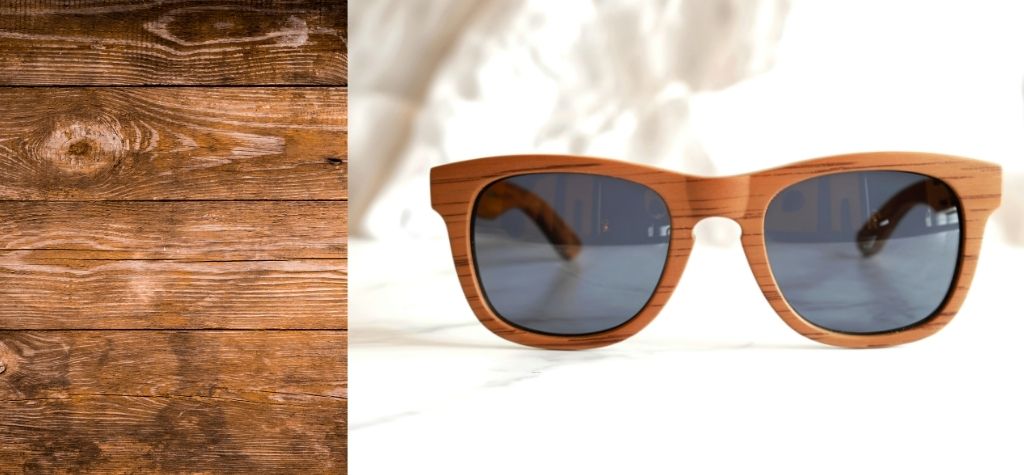
Wooden and other natural-material frames appeal to people who want a distinctive and sustainable option. Optometrists.org notes that wooden frames are available in many stains, are hypoallergenic, super lightweight and comfortable, and require little processing and energy to produce. All About Vision adds that wood, bone and buffalo horn frames are handmade, one‑of‑a‑kind pieces; they are stiffer, less adjustable and much more expensive than other materials.
Pros
- Unique appearance – Each piece has its own grain and pattern.
- Hypoallergenic and eco‑friendly – Made from natural materials and coated with plant‑based finishes.
- Lightweight and comfortable – Warm to your body temperature.
Cons
- Expensive – Considered high‑end; more costly than metal or plastic.
- Less adjustable – Harder to reshape or repair.
- Limited colors – Natural materials cannot incorporate artificial colors or textures.
Worth the money?
Wooden or horn frames are worth the splurge if you value craftsmanship, sustainability and uniqueness. They’re best suited for special occasions or for people who take excellent care of their eyewear.
Summary Comparison Table
The table below summarizes the key features of each frame material. Use it as a quick reference when weighing your options. Remember, a table should present concise data; avoid long sentences.
| Material | Weight | Durability | Corrosion‑Resistant | Hypoallergenic | Flexibility | Typical Cost |
|---|---|---|---|---|---|---|
| Titanium | Very light | Very strong | Yes | Yes | Moderate | High |
| Beryllium | Very light | Strong | Yes | Unknown/rare allergies | High | Moderate |
| Monel | Moderate | Good | Yes | Plated to avoid nickel allergy | High | Low to Moderate |
| Stainless Steel | Light | Strong | Yes | Often nickel‑free | Moderate | Low |
| Flexon | Very light | Strong | Yes | Yes | Very high (memory metal) | Moderate to High |
| Aluminum | Light | Strong | Yes | Often hypoallergenic | Low | High |
| Plastic (Zyl, Propionate, Nylon, Optyl) | Light | Lower durability | No (but doesn’t rust) | Some hypoallergenic types | Low to Moderate | Low |
| Wood/Natural | Very light | Lower durability | Natural (no rust) | Yes | Low | High |
Factors to Consider When Choosing a Frame Material
When deciding which frame material is worth your money, think about how you’ll use your glasses and what features are most important:
- Budget: Plastic and monel frames tend to be inexpensive. Titanium, Flexon and aluminum are pricier; wood and horn are the most expensive.
- Weight: If comfort is critical, consider titanium, beryllium or Flexon. Stainless steel and aluminum are light but slightly heavier than titanium.
- Durability: For maximum strength, choose titanium, stainless steel, Flexon or beryllium. Plastic frames break more easily.
- Flexibility: Flexon and beryllium are very flexible and bounce back after bending. Monel and plastic can be adjusted, but not as easily.
- Allergies: Hypoallergenic options include titanium, stainless steel, Flexon and some plastics like propionate and nylon.
- Corrosion resistance: If you spend time around water, choose titanium, beryllium, stainless steel or aluminum.
- Style and color: Plastic offers the widest range of colors and patterns, while wood gives a unique, natural look.
Conclusion and Actionable Takeaways
Eyeglass frames are more than just accessories; they provide structure and comfort to your lenses. From titanium’s lightweight strength to plastic’s budget‑friendly variety, each material has unique advantages and drawbacks. Flexon and beryllium offer flexibility and resilience, while stainless steel and monel deliver reliable strength at lower prices. Aluminum and wooden frames make stylish statements but come at a premium.
When choosing a frame, consider how often you wear your glasses, your budget, any skin sensitivities, and your style preferences. Don’t be afraid to try on different materials and ask your optician about hypoallergenic coatings or protective finishes. Investing in a high‑quality frame may save you money in the long run if it lasts longer and feels more comfortable. Ultimately, the best frame material is the one that matches your needs and makes you feel confident every time you put on your glasses.
