
Have you ever wondered what your optician really thinks when you show up for an eye exam? Eye care professionals spend their days helping people see clearly and protect their vision. They also see many of the same bad habits that hurt their patients’ eyes and eyewear. In this guide, we’ll explore seven common mistakes opticians wish you would stop doing and explain how small changes can keep your eyes healthier and your glasses lasting longer. The advice comes from leading vision authorities, including the U.S. National Eye Institute (NEI), the Centers for Disease Control and Prevention (CDC) and the Cleveland Clinic.
Why listening to your optician matters
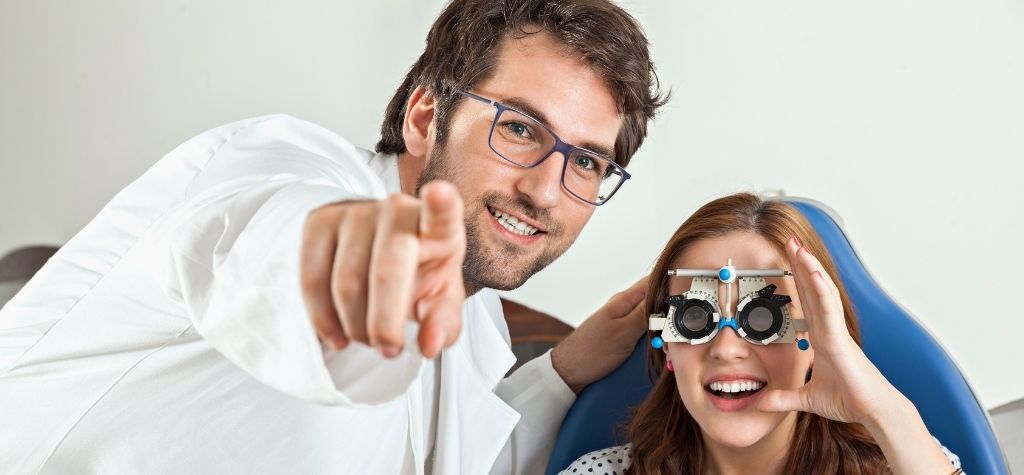
Your optician, optometrist or ophthalmologist isn’t just there to sell you glasses. These trained professionals understand the complex structure of your eye and how it changes over time. They know which habits increase your risk for eye diseases, infections and injuries. By following their advice, you can preserve your sight, reduce discomfort and avoid costly repairs or replacements. Now, let’s look at the seven things your optician wishes you’d stop doing.
1. Skipping regular eye exams
Many people only schedule an eye exam when they notice blurry vision. But regular comprehensive eye exams are essential, even when you feel fine. The NEI explains that a dilated eye exam is the only way to check for many eye diseases early on, before you notice symptoms. Conditions like glaucoma, diabetic retinopathy and macular degeneration can progress silently. A dilated exam allows your eye doctor to view the back of your eye and detect changes before they cause permanent damage.
Eye care professionals recommend that adults get a comprehensive exam every one to two years, depending on age, risk factors and current vision. Children should also have regular checkups to ensure proper development and catch problems early. By skipping exams, you risk missing early signs of disease and may end up with more complex treatments later. Make scheduling eye exams a priority, just like annual physicals or dental cleanings.
Symptoms are not always obvious
Many eye diseases don’t cause pain or noticeable vision changes until significant damage has occurred. This is why “waiting until something feels wrong” is not enough. A dilated exam can reveal issues such as high eye pressure, leaky blood vessels or changes in the optic nerve before you notice anything. Early detection can preserve vision and simplify treatment.
2. Wearing outdated prescriptions
It’s tempting to save money by using the same glasses or contact lenses for years, especially if they still help you see. But your eyes change over time. A Cleveland Clinic article notes that vision naturally changes with age; the ability to focus peaks in early adulthood and declines gradually through your 30s and 40s. Wearing an outdated or incorrect prescription can strain your eyes, cause headaches, dizziness and blurry vision.
Your optician wishes you would stop forcing yourself to wear old glasses that cause discomfort. Instead, schedule regular checkups to update your prescription. Updated lenses will give you crisp vision and prevent squinting or leaning forward to read, which can lead to posture issues and fatigue.
Old glasses won’t make your eyes weaker
Some people worry that stronger glasses will make their eyes “lazy” or dependent. The Cleveland Clinic debunks this myth: glasses don’t worsen your vision; they improve clarity by changing the way light enters your eyes. Vision changes happen due to natural aging and other factors, not because of wearing glasses. So don’t hesitate to get a new prescription when you need it. Staying up to date ensures comfortable vision and better quality of life.
3. Neglecting UV protection
Sunglasses are more than a fashion accessory. Ultraviolet (UV) radiation from the sun can damage your eyes and surrounding skin. Long-term exposure increases the risk of cataracts, macular degeneration and even skin cancer around the eyelids. The NEI recommends wearing sunglasses that block 99 to 100 percent of UVA and UVB radiation. This applies on sunny and cloudy days, since UV rays penetrate clouds.
Many people wear sunglasses but fail to check whether they provide full UV protection. Cheap, tinted lenses without UV filters can be worse than no sunglasses because the darker tint causes pupils to dilate, allowing more harmful rays to enter. When shopping for shades, look for a label indicating 100 percent UVA/UVB protection or UV400.
Don’t forget protective eyewear for sports and work
Sunglasses protect against UV light, but they’re not designed to prevent impact injuries. The NEI advises using safety glasses or goggles during sports and certain work tasks. Polycarbonate or Trivex lenses are impact resistant and protect eyes from fast‑moving objects, flying debris or chemical splashes. Regular sunglasses and everyday eyeglasses do not provide adequate protection. Your optician wishes you’d stop playing sports in your regular glasses or skipping eye protection while using power tools. Invest in sports goggles or safety glasses to keep your eyes safe during high‑risk activities.
4. Sleeping or swimming with contact lenses
Contact lenses are convenient, but they require careful use. Many wearers admit to napping or sleeping overnight in their lenses. Others leave lenses in while swimming or showering. These habits dramatically increase your risk of serious eye infections. A CDC study found that sleeping in lenses, exposing them to water, not adhering to replacement schedules and reusing disinfecting solution are key risk factors for contact lens–related infections. Another survey showed that 85 percent of adolescents, 81 percent of young adults and 88 percent of older adults who wear lenses reported at least one risky behavior.
Sleeping in contact lenses reduces oxygen to the cornea and creates a warm, moist environment for bacteria or amoebas. Water sources, including tap water, pools and hot tubs, contain microorganisms that can cling to your lenses and infect your eye. Even lenses approved for extended wear still carry more risk when worn overnight. Your optician wants you to stop these dangerous habits. Always remove lenses before sleeping or swimming, and follow the replacement schedule provided by your eye care professional.
Replace lenses and cases on time
Reusing old contacts or the same lens case for too long invites infection. The CDC notes that infrequent replacement of lenses and storage cases allows microorganisms to multiply. Replace daily lenses every day, monthly lenses every month and storage cases every three months. Never “top off” disinfecting solution; instead, empty and refill the case with fresh solution each time.
5. Ignoring proper lens hygiene
In addition to removal and replacement schedules, contact lenses require strict hygiene. Failing to wash your hands before handling lenses, using saliva to wet lenses or skipping proper cleaning steps can contaminate them. The CDC report emphasises that reusing disinfecting solution and not adhering to replacement schedules are risky behaviors associated with lens-related infections. Your optician urges you to stop cutting corners. Wash and dry your hands thoroughly before touching lenses. Use only recommended cleaning solutions and avoid water. Rub and rinse your lenses as directed, even if your solution says “no-rub.” Clean your lens case with fresh solution and let it air dry. Simple routines can prevent painful, sight-threatening infections.
Don’t stock up from unverified sources
Purchasing contact lenses or lens solution from unregulated vendors or without a prescription can be dangerous. Counterfeit or expired products may contain harmful chemicals or lack the necessary disinfection. Always buy contact lenses and solutions from your eye care provider or reputable retailers. In many countries, selling contact lenses without a prescription is illegal. Your optician wants you to stop ordering cheap lenses from questionable websites or vendors and instead prioritize quality and safety.
6. Overusing digital screens without breaks
Modern life revolves around computers, tablets and smartphones. Spending hours focused on screens can leave your eyes tired and dry. The NEI recommends following the 20‑20‑20 rule: every 20 minutes, look at something 20 feet away for 20 seconds. This simple habit relaxes your eye muscles and reduces digital eye strain. Symptoms of strain include blurry vision, headaches, dry eyes and neck or shoulder pain.
Digital screens also emit blue light. While blue light from devices is far weaker than sunlight, extended exposure may contribute to discomfort or disrupted sleep. Some opticians recommend blue‑light filtering lenses or screen settings to reduce glare. However, the American Academy of Ophthalmology notes that digital eye strain is caused by how we use devices—continuous close focus—rather than blue light itself. Taking regular breaks, adjusting your screen’s brightness and positioning it at arm’s length can relieve strain. If you work long hours on a computer, ask your optician about computer or office lenses designed for mid‑range vision.
Don’t forget to blink
When staring at screens, people tend to blink less frequently, leading to dry eyes. Make a conscious effort to blink, and consider using lubricating eye drops if you feel dryness. Adjust your seat and monitor so that the center of the screen is slightly below eye level. This reduces the exposed surface area of your eyes and helps maintain moisture.
7. Ignoring protective eyewear for sports and chores
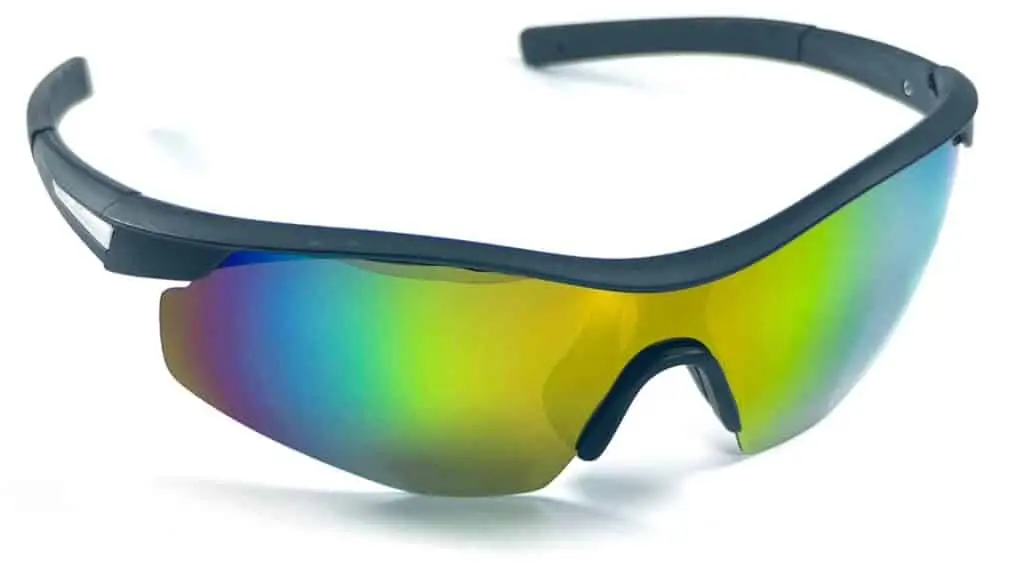
You might think only athletes need eye protection. But everyday tasks like mowing the lawn, doing home repairs, using power tools or cleaning with chemicals can also pose risks. The NEI urges people to wear protective eyewear during sports, construction work, home repairs and other activities where debris or impact is possible. Standard eyeglasses and sunglasses are not designed for impact protection. Safety glasses or goggles made of polycarbonate or Trivex can prevent serious injuries.
Sports injuries are common — and preventable
High‑risk sports for eye injuries include baseball, basketball, racquet sports, hockey and soccer. Kids and adults should wear sports goggles with polycarbonate lenses to protect against flying balls and elbows. Your optician would rather adjust a pair of sports goggles than treat an avoidable injury. Encourage children to wear protective eyewear during recess and sports, and set a good example by wearing it yourself.
Bonus: Stay healthy for your eyes
Beyond the seven habits above, general health plays a big role in eye health. The NEI emphasises that healthy habits like eating leafy greens and fish rich in omega‑3 fatty acids, staying active and not smoking lower your risk for vision problems. Smoking increases the risk of macular degeneration and cataracts. If you smoke, talk to your doctor about quitting programs. A balanced diet and regular exercise support overall health and eye health.
Final thoughts
Your optician wants you to see the world clearly and comfortably for years to come. That means breaking a few bad habits: skipping exams, clinging to old prescriptions, neglecting UV protection, misusing contact lenses, ignoring hygiene, overusing screens without breaks and forgoing protective eyewear. By making small changes—scheduling regular exams, updating your prescription, wearing UV‑blocking sunglasses, removing contacts before sleeping or swimming, following proper cleaning routines, resting your eyes during screen time and using safety goggles—you can protect your vision and avoid many common problems. Healthy eyes are an investment worth making.
