
Glaucoma is a major cause of vision loss worldwide. The World Health Organization estimates that it is responsible for about 15 % of global blindness. Yet the tragedy of glaucoma is not just its prevalence; it is that many people do not know they have the disease until irreversible damage has occurred. Up to half of those with glaucoma are unaware of their diagnosis, and vision that has been lost cannot be regained. Understanding why glaucoma often goes unnoticed for years is the first step toward changing this narrative.
This article explores six key reasons glaucoma flies under the radar. Written in a conversational style with short paragraphs and simple language, it aims to inform and empower readers. Each section contains evidence‑based explanations from reputable sources along with practical tips and internal linking suggestions to guide further reading on related topics.
Introduction
Imagine slowly losing your side vision but never noticing until objects start disappearing from view. This scenario is common for people with glaucoma. The disease damages the optic nerve, causing gradual loss of peripheral vision. Because the early stages are often free of pain or obvious symptoms, people may not realise anything is wrong. By the time the disease is detected, irreversible vision loss may have occurred.
Glaucoma can affect anyone, including babies and young adults, but the risk increases with age. Myths such as “only the elderly get glaucoma” and “if I can see well, I’m safe” lull many into a false sense of security. Socio‑economic barriers and uneven access to eye care further contribute to undiagnosed cases. Throughout this article we will unpack these issues and offer advice on how to protect your sight.
Quick overview of glaucoma
Glaucoma refers to a group of eye diseases that damage the optic nerve. The most common form is primary open‑angle glaucoma (POAG). In POAG, fluid drains poorly through the eye’s drainage angle, leading to increased pressure and optic‑nerve damage over time. Another form is normal‑tension glaucoma (NTG), where optic‑nerve damage occurs despite “normal” eye pressure. A third type, angle‑closure glaucoma, can cause sudden and painful pressure spikes and is treated as a medical emergency. While there is no cure, early detection and treatment—typically with eye drops, laser therapy or surgery—can slow disease progression.
Reason 1: Silent progression and subtle early vision loss
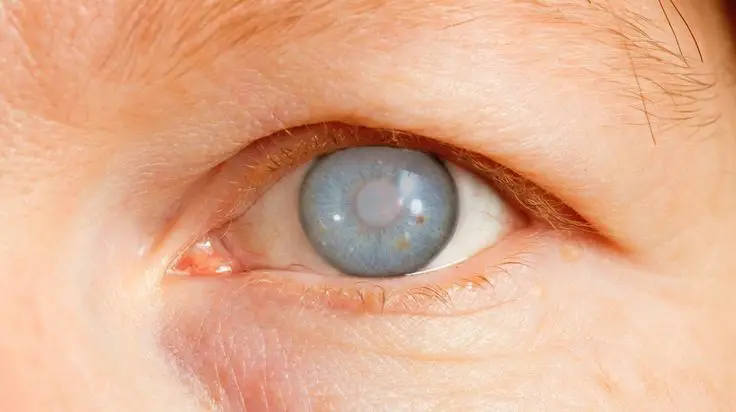
One of the most important reasons glaucoma goes undetected is that it usually has no early symptoms. The National Eye Institute notes that glaucoma does not usually cause any symptoms at first, and people may not notice changes until side vision starts to disappear. Even then, the loss of peripheral vision can be so gradual that it is not obvious. StatPearls explains that patients with primary open‑angle glaucoma are often asymptomatic until significant optic‑nerve damage has occurred. In other words, your eyes might seem fine while nerve fibres silently die.
How the disease hides
- Gradual peripheral vision loss: Glaucoma typically affects side vision first. Because humans rely heavily on central vision for reading and recognizing faces, peripheral vision loss can go unnoticed. The EPIC‑Norfolk eye study found that participants who reported no problems with their eyesight were more likely to have undiagnosed glaucoma.
- Unilateral or asymmetrical damage: Glaucoma often progresses at different rates in each eye. One eye can compensate for vision defects in the other, masking early field loss. BrightFocus Foundation notes that people may not notice changes because one eye compensates for defects in the other eye’s peripheral vision, allowing glaucoma to progress without the person realising it.
- Negative scotoma: Normal‑tension glaucoma can produce “silent” blind spots near fixation. EyeWiki states that open‑angle glaucoma, including NTG, is typically asymptomatic until very advanced.
Why delayed detection matters
Delaying diagnosis has serious consequences. Once optic‑nerve fibres are destroyed, they cannot be restored. Late diagnosis means the person starts treatment with more advanced damage, which reduces the chance of preserving remaining vision. The later glaucoma is detected, the worse the long‑term outcome, emphasising the need for early identification and treatment.
Tips to reduce silent progression
- Schedule comprehensive eye exams: A dilated eye exam with visual field testing is the only way to detect glaucoma early. Even if you have no symptoms, routine exams can reveal early optic‑nerve changes.
- Watch for subtle changes: Difficulty navigating at night, needing more light to read, or bumping into objects on one side could hint at peripheral vision loss. Report these changes to an eye doctor.
- Know your risk: People over 60, African Americans over 40, Hispanics/Latinos, those with a family history and people with diabetes are at higher risk. High‑risk individuals should have eye exams every 1–2 years.
Reason 2: Normal‑tension glaucoma and misinterpretation of “normal” eye pressure
A common misconception is that glaucoma only occurs when eye pressure (intraocular pressure or IOP) is elevated. In reality, normal‑tension glaucoma (NTG) accounts for a significant portion of open‑angle glaucoma cases. Patients with NTG have optic‑nerve damage and visual field loss even though their eye pressure falls within the statistically normal range.
What is normal‑tension glaucoma?
StatPearls describes NTG as an open‑angle glaucoma where IOP is normal but optic‑nerve damage still occurs. EyeWiki notes that NTG shares many features with primary open‑angle glaucoma but remains asymptomatic until very advanced, occasionally presenting with scotomas near fixation. Because the pressure appears normal during standard screenings, the disease can be missed unless the optic nerve is carefully examined and visual field tests are performed.
Why it goes undetected
- Assumption of safety: Many patients and some clinicians assume that a “normal” IOP means there is no glaucoma. The BrightFocus Foundation counters this myth by explaining that severe glaucoma can occur with so‑called “normal” eye pressures and that patients with normal‑tension glaucoma exist.
- Measurement variability: IOP fluctuates throughout the day and can be influenced by corneal thickness. Thinner corneas may lead to underestimation of pressure. NTG patients often have thin corneas, so their true pressures might actually be higher than recorded. Conversely, some people have ocular hypertension (high IOP) without nerve damage.
- Subtle optic‑nerve changes: In NTG, structural changes to the optic nerve (such as localized notching or retinal nerve fibre layer defects) may precede detectable visual field loss. Detecting these changes requires careful optic‑nerve examination and may not be part of a quick vision screening.
What you can do
- Ensure a dilated optic‑nerve evaluation: Routine screening that only measures eye pressure is not enough. Ask your eye doctor whether they are examining your optic nerve and ordering imaging like optical coherence tomography (OCT) when necessary.
- Inform your doctor of risk factors: Risk factors for NTG include age, family history, female gender, thin corneas, systemic hypertension, nocturnal hypotension, migraine and sleep apnoea. Knowing these risks helps guide more thorough evaluation.
- Do not dismiss symptoms: Even subtle vision changes like difficulty adjusting to lighting or noticing glare could signal NTG. Seek evaluation promptly.
Reason 3: Over‑reliance on intraocular pressure measurements
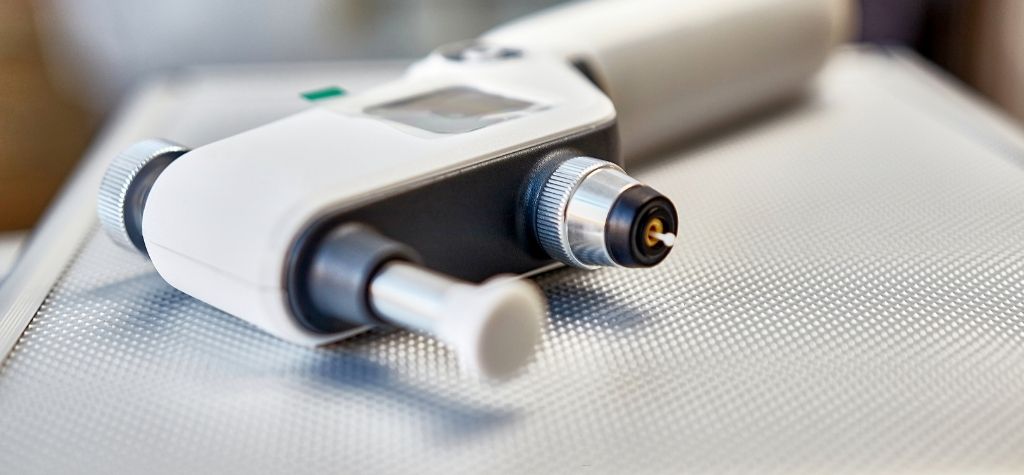
The third reason glaucoma goes undetected is that both patients and healthcare providers may rely too heavily on a single intraocular pressure reading. High IOP is a major risk factor, but it is not the only indicator of disease. Some individuals with elevated pressure never develop glaucoma, while others with normal pressure do. Over‑reliance on IOP can therefore lead to missed diagnoses.
Evidence of misdiagnosis
The EPIC‑Norfolk eye study reported that at least half of glaucoma cases in the studied Western population were undiagnosed. The study found that patients with lower pretreatment IOP and those reporting no vision problems were more likely to have undetected primary open‑angle glaucoma. Researchers cautioned that screening programs that focus mainly on measuring eye pressure may miss cases of glaucoma, particularly normal‑tension glaucoma.
Even for patients with ocular hypertension, high IOP does not always lead to glaucoma. The Ocular Hypertension Treatment Study (OHTS) showed that only 9.5 % of untreated participants with ocular hypertension developed glaucoma within five years, and treatment reduced the risk by more than 50 %. These findings emphasise that IOP measurement should be interpreted alongside optic‑nerve evaluation and visual field testing.
Factors that affect eye pressure measurements
- Diurnal variation: Eye pressure changes throughout the day. A single measurement may not capture peak pressures. StatPearls notes that larger than normal diurnal variations occur in both POAG and NTG.
- Corneal thickness: A thin cornea can lead to underestimation of IOP, while a thick cornea can lead to overestimation. Pachymetry—measurement of corneal thickness—helps interpret IOP readings accurately.
- Technique and calibration: Tonometry devices require proper calibration and technique. Variations can lead to inaccurate readings.
Improving detection beyond IOP
- Comprehensive dilated exams: Eye doctors should perform dilated exams to inspect the optic nerve and retina. Optical coherence tomography (OCT) and stereo disc photography help detect early structural changes.
- Visual field testing: Automated perimetry tests can detect functional loss even when IOP appears normal. BrightFocus emphasises that early glaucoma diagnosis is determined by optic‑nerve appearance and not by noticeable issues with peripheral vision.
- Risk‑stratified screening: People with risk factors such as age, family history, African ancestry or thin corneas should undergo more frequent eye exams. This targeted approach reduces reliance on pressure alone and improves detection.
Reason 4: Lack of regular eye exams and poor public awareness
Many people do not receive routine eye care, which is crucial for early glaucoma detection. A CDC announcement for Glaucoma Awareness Month reported that glaucoma has no warning signs and that approximately 50 % of individuals with glaucoma are unaware they have the disease. The National Eye Institute similarly notes that the only way to find out if you have glaucoma is to get a comprehensive dilated eye exam.
Why people skip eye exams
- Assuming good vision means healthy eyes: The BrightFocus Foundation warns that having 20/20 vision does not mean you won’t develop glaucoma . The disease is known as the “silent thief of sight” because people will not notice symptoms until moderate or advanced stages.
- Confusing aging with disease: Older adults often interpret declining vision as a normal part of aging rather than a sign of disease. NEI emphasises that some vision changes are normal, but vision loss from diseases such as glaucoma is preventable. Misconceptions about aging therefore reduce motivation to seek eye care.
- Cost and access barriers: Socio‑economic factors such as lack of insurance, transportation difficulties and high cost of appointments prevent many people from obtaining regular exams. (More on this in Reason 6.)
Recommended exam frequency
The American Academy of Ophthalmology recommends a baseline comprehensive eye exam at age 40 and follow‑up exams every 1–2 years for adults 40–54, every 1–3 years for ages 55–64, and every 1–2 years for those 65+. Individuals at higher risk—African Americans over 40, Hispanics/Latinos, people with a family history of glaucoma or those with high eye pressure—should be examined more often.
Improving awareness and access
- Public education campaigns: Educating communities about the silent nature of glaucoma and the importance of eye exams can motivate people to seek care. Eye‑health organisations often share stories and infographics during Glaucoma Awareness Month to spread the word.
- Mobile screening programs: Outreach clinics and mobile screening units can reach underserved populations who lack transportation or local eye doctors.
- Tele‑ophthalmology: Remote evaluation of optic‑nerve photographs and visual field tests can expand access. During the COVID‑19 pandemic, tele‑ophthalmology demonstrated potential for screening high‑risk patients.
Reason 5: Myths and misconceptions delay diagnosis

Misconceptions about glaucoma contribute to delayed detection. The BrightFocus Foundation article “Five Common Myths About Glaucoma” debunks several misunderstandings that keep people from seeking care. Let’s examine a few of these myths:
Myth 1: Only older people get glaucoma
Reality: Glaucoma can affect people of all ages. While open‑angle glaucoma is more common in older adults, other types—including congenital glaucoma and pigmentary glaucoma—can occur in infants and younger adults. Even though age is a significant risk factor, no age group is immune, and individuals over 70 are at three‑ to eight‑fold greater risk compared with people in their 40s. This myth can cause younger individuals to ignore symptoms or skip screenings.
Myth 2: Good vision means you don’t have glaucoma
Reality: Having 20/20 vision does not rule out glaucoma. Glaucoma is called the “silent thief of sight” because people rarely notice symptoms until the disease is moderate or advanced. Optic‑nerve damage can be present even when peripheral vision still seems normal. As BrightFocus notes, early diagnosis relies on your eye doctor’s observation of the optic nerve rather than self‑reported visual changes.
Myth 3: You can’t have glaucoma if your eye pressure is normal
Reality: People can develop severe glaucoma with normal eye pressure; this form is known as normal‑tension glaucoma. Conversely, some people with high eye pressure never develop glaucoma. An accurate diagnosis requires a combination of eye‑pressure measurement, optic‑nerve evaluation and visual field testing.
Myth 4: There is no need to treat glaucoma if there are no symptoms
Reality: Even though most forms of glaucoma do not produce symptoms, treatment is essential to slow the disease. Without treatment, many patients will continue to lose vision and may become blind. Effective treatments—eye drops, laser therapy and surgery—can preserve vision and maintain quality of life.
Myth 5: Glaucoma is always inherited
Reality: A family history of glaucoma increases risk, but many patients are the first in their family to be diagnosed. Lack of family history should not deter people from getting checked. Interestingly, some families may appear to have no history because relatives were never examined .
Combating myths
- Educate yourself and others: Share accurate information from trusted sources such as the National Eye Institute or the BrightFocus Foundation.
- Ask questions: If your eye doctor says your eyes are healthy, ask specifically whether they checked your optic nerve and visual field.
- Encourage family screening: Family members of glaucoma patients should have a dilated exam because early signs can occur around age 40.
Reason 6: Socio‑economic and access barriers
Beyond biology and myths, social determinants of health play a huge role in whether glaucoma is detected early. Socio‑economic factors such as insurance eligibility, education, income and access to transportation profoundly affect diagnosis and long‑term management. Here are key barriers:
Transportation and logistics
A review in Current Ophthalmology Reports found that 36 % of patients failed to follow up after a free glaucoma screening due to lack of transportation pmc.ncbi.nlm.nih.gov. Individuals who are single, unmarried or living alone may not have reliable transport to and from appointments. Transportation barriers are especially common in lower socio‑economic communities, where many at‑risk individuals do not own cars pmc.ncbi.nlm.nih.gov.
Insurance and cost
The cost of eye care and medications can deter patients. The same review notes that uninsured or underinsured patients face substantial barriers—both the cost of diagnostic exams and treatments may be prohibitive pmc.ncbi.nlm.nih.gov. Eye medications can be expensive, with brand‑name glaucoma medications in the United States costing significantly more than in Canada pmc.ncbi.nlm.nih.gov. Additionally, some insurance plans do not cover certain medications or require complex authorization processes, causing delays and non‑adherence pmc.ncbi.nlm.nih.gov. In a study, nearly half of patients with Medicaid did not undergo glaucoma testing after an initial diagnosis because of difficulties finding an in‑network provider pmc.ncbi.nlm.nih.gov.
Education and health literacy
Many individuals do not understand what glaucoma is or why regular eye care matters. Even when insurance coverage is available, knowledge gaps persist. In one study, only 29 % of participants could accurately define glaucoma despite 91 % having insurance pmc.ncbi.nlm.nih.gov. Miscommunication due to medical terminology and language barriers further hampers understanding pmc.ncbi.nlm.nih.gov. Without adequate education, patients may not seek eye exams or adhere to treatment plans.
Cultural and language barriers
Language differences can impede doctor–patient communication. A study cited in the same review found that 60–80 % of Latino and Asian‑Pacific Islander patients required interpreters. When interpretation is unavailable, misunderstandings occur, reducing adherence to follow‑up appointments and treatment.
Strategies to address socio‑economic barriers
- Community outreach: Offering free screenings and mobile eye clinics in underserved areas can reduce transportation barriers. However, follow‑up care is critical; simple screenings without follow‑up may not improve outcomes.
- Insurance reforms: Expanding coverage for comprehensive eye exams and glaucoma medications could improve early detection and adherence. Advocating for equitable reimbursement for tele‑ophthalmology services may also help.
- Educational programs: Providing culturally sensitive educational materials in multiple languages can improve understanding. Workshops and patient navigators help demystify glaucoma and assist with scheduling appointments.
- Caregiver support: Encouraging family members to assist with transportation, medication administration and appointment reminders can improve adherence.
Conclusion and takeaways
Glaucoma’s reputation as the “silent thief of sight” is well deserved. Many people lose vision because the disease progresses without obvious symptoms. Normal‑tension glaucoma can escape detection when eye pressure appears normal, and over‑reliance on a single pressure reading may miss cases. Misunderstandings—that good vision means healthy eyes or that only the elderly are at risk—provide false reassurance. Meanwhile, socio‑economic barriers hinder access to care and proper treatment.
The good news is that blindness from glaucoma is not inevitable. Early detection through comprehensive eye exams, coupled with appropriate treatment, can preserve vision. Here are actionable steps to protect your eyesight:
- Know your risk: Age, family history, race/ethnicity and other health conditions influence your risk. If you are at higher risk, schedule eye exams more frequently.
- Get regular dilated eye exams: Don’t wait for symptoms. Comprehensive exams detect early optic‑nerve changes.
- Discuss more than pressure: Ask your eye doctor about optic‑nerve evaluation, visual field testing and corneal thickness measurement.
- Educate yourself and others: Share accurate information to dispel myths and encourage loved ones to seek care. Encourage family members to have their eyes examined.
- Advocate for equitable care: Support community screening programs, push for expanded insurance coverage, and champion culturally sensitive education initiatives.
Protecting your vision from glaucoma begins with awareness. By understanding why glaucoma often goes undetected and taking proactive steps, you can help ensure that the “silent thief” never steals your sight.
