

Your eyes help you see the world. Yet many people unknowingly deprive these delicate organs of key nutrients.
When that happens, vision problems can creep in. In severe cases, the damage can lead to blindness.
A balanced diet provides vitamins and minerals that keep the eyes moist, repair tissues and protect against light‑induced damage. When the diet is low in certain nutrients, the eyes are among the first organs to suffer. The following sections look at vitamin A, vitamin C, vitamin E, zinc and vitamin D. Each section explains what the nutrient does for your eyes, the consequences of deficiency, and how you can get enough from food.
Why Nutrient Deficiencies Matter for Eye Health

Eyes are exposed to light and oxygen constantly. This exposure increases oxidative stress, which can damage the lens and retina over time. Antioxidant vitamins and minerals help neutralize these harmful molecules. Other nutrients, such as vitamin A and zinc, are building blocks for pigments and proteins that allow the eyes to work properly. When your body lacks these nutrients, you may notice symptoms like dryness, night blindness, blurred vision or slow wound healing. Long‑term deficiency can lead to more serious problems like cataracts, age‑related macular degeneration (AMD) or retinopathy.
Nutrient deficiencies are more common than many people realize. According to the Cleveland Clinic, vitamin A deficiency is the leading cause of blindness in children worldwide. Around two billion people suffer from zinc deficiency, mostly in developing countries. Even in wealthy countries, poor diets and certain health conditions can create deficiencies that threaten eye health.
Vitamin A Deficiency

What Vitamin A Does for Your Eyes
Vitamin A refers to a group of fat‑soluble compounds that include retinol and beta‑carotene. The body converts beta‑carotene from plant foods into retinol. Vitamin A plays several critical roles in vision:
- It is a component of rhodopsin, a light‑sensitive protein in the retina that absorbs light and allows you to see in low light. Without enough vitamin A, rhodopsin cannot regenerate properly, leading to night blindness.
- Vitamin A helps the eye produce moisture. The Cleveland Clinic explains that your eyes need vitamin A to produce tears and keep the cornea lubricated. A lack of moisture can make the cornea dry and prone to damage.
- Vitamin A supports the health of the conjunctiva (the thin membrane covering the white of the eye) and other epithelial tissues. Healthy epithelial cells provide a barrier against infection.
Signs and Symptoms of Vitamin A Deficiency
A mild deficiency may cause subtle vision changes. As the deficiency worsens, the following signs become more obvious:
- Night blindness (nyctalopia): Difficulty seeing in low light. The Cleveland Clinic notes that night blindness is one of the early signs of vitamin A deficiency.
- Dry eyes (xerophthalmia): The whites of the eyes and corneas become dry because the eyes cannot produce enough tears. Foamy Bitot spots may appear on the whites of the eyes.
- Corneal ulcers and keratomalacia: Untreated deficiency can cause open sores on the cornea or softening and clouding of the cornea, which may lead to blindness.
- Immune weakness: Vitamin A also supports immunity, so deficiency increases the risk of infections.
Eye Diseases Linked to Vitamin A Deficiency
Night blindness and corneal damage: Vitamin A deficiency prevents the eye from regenerating rhodopsin and limits vitamin A’s release from the liver. This can lead to poor dark adaptation and night blindness. If the deficiency continues, the cornea becomes dry and may ulcerate, potentially causing permanent blindness.
Preventable childhood blindness: The Cleveland Clinic reports that vitamin A deficiency is the leading cause of preventable childhood blindness worldwide. Between 250,000 and 500,000 children lose their sight every year because they lack vitamin A. In many developing countries, diets rely heavily on staple foods with little or no fat, fruits or animal products, leading to severe deficiency.
Dry eye disease: Without enough vitamin A, the surface of the eye loses its natural lubrication. This dryness can progress to keratinization (a buildup of skin‑like cells) and scarring. The condition is called xerophthalmia, which literally means “dry eye.”
How to Get Enough Vitamin A
Your body cannot make vitamin A, so you must obtain it from food or supplements. Good sources include:
- Animal sources (preformed vitamin A): beef liver, egg yolks, whole milk, butter and fish oils.
- Plant sources (provitamin A carotenoids): carrots, sweet potatoes, spinach, kale, pumpkin, mangoes and apricots. Dark green and orange vegetables are particularly rich in beta‑carotene.
- Fortified foods: Many cereals and dairy products are fortified with vitamin A.
Fat improves absorption, so adding a bit of healthy oil when you eat carrots or greens helps your body convert beta‑carotene to vitamin A. People with malabsorption disorders or liver problems should talk to a doctor about supplementation.
Takeaway
Vitamin A deficiency is rare in developed countries but remains a major cause of blindness in poorer regions. Night blindness and dry eyes are early warning signs. Eating a variety of colorful fruits and vegetables along with some animal products or fortified foods can prevent deficiency and keep the eyes moist and functioning properly.
Vitamin C Deficiency
Why Your Eyes Need Vitamin C
Vitamin C (ascorbic acid) is a water‑soluble antioxidant. Humans cannot make it, so daily intake is essential. The Linus Pauling Institute notes that vitamin C levels in the aqueous humor (the fluid in front of the lens) are 15 to 20 times higher than in blood. This high concentration suggests that vitamin C protects eye tissues from oxidative damage. Other roles include:
- Collagen synthesis: Vitamin C is required to synthesize collagen, the main structural protein in the cornea and sclera. Without enough vitamin C, wound healing slows and the eye’s structural integrity suffers.
- Antioxidant defense: Vitamin C neutralizes free radicals produced by sunlight exposure and metabolism. This may slow aging changes in the lens and retina.
- Regeneration of other antioxidants: Vitamin C regenerates vitamin E and other antioxidants, creating a network of protection.
Symptoms of Vitamin C Deficiency
Severe vitamin C deficiency causes scurvy, a disease characterized by bleeding gums, bruising and joint pain. The eyes can also show signs of deficiency:
- Slow wound healing and weak connective tissue: Low vitamin C levels impair collagen production, which slows healing of corneal injuries.
- Increased susceptibility to cataracts: The lens relies on antioxidants to remain clear. When vitamin C levels drop, oxidative stress can cloud the lens.
- Dry eyes: Some research suggests that inadequate vitamin C may reduce tear film stability.
Link Between Vitamin C Deficiency and Cataracts
The lens of the eye focuses light onto the retina. Age‑related changes and oxidative damage contribute to cataract formation. A section from the Linus Pauling Institute explains:
Cataracts form when proteins in the lens clump together, making it cloudy. Vitamin C levels in the eye are much higher than in the blood, and low levels have been linked to more severe cataracts.
Some studies suggest higher dietary vitamin C lowers cataract risk, but large long-term studies show little protective effect. High-dose vitamin C supplements may even increase risk in people using corticosteroids.
These mixed results suggest that dietary vitamin C from fruits and vegetables may lower the risk of cataract, while high‑dose supplements do not provide additional benefit and may even be harmful. Importantly, the analysis also found that high fruit and vegetable intake is consistently associated with a lower risk of cataract.
Good Sources of Vitamin C
- Fruits: citrus (oranges, grapefruits, lemons), strawberries, kiwi, guava and papaya.
- Vegetables: bell peppers, broccoli, Brussels sprouts, tomatoes and leafy greens.
- Fortified foods: Some cereals and beverages are fortified with vitamin C.
Vitamin C is sensitive to heat and water, so steam or eat raw vegetables when possible. Aim for a variety of fruits and vegetables every day to maintain healthy levels.
Practical Advice
While vitamin C deficiency severe enough to cause scurvy is rare in modern diets, low intake may contribute to lens clouding over decades. Eat plenty of fresh fruits and vegetables rather than relying on supplements. Those at risk of deficiency—such as smokers, people with malabsorption or limited diets—should speak with a healthcare provider about testing and supplementation.
Vitamin E Deficiency
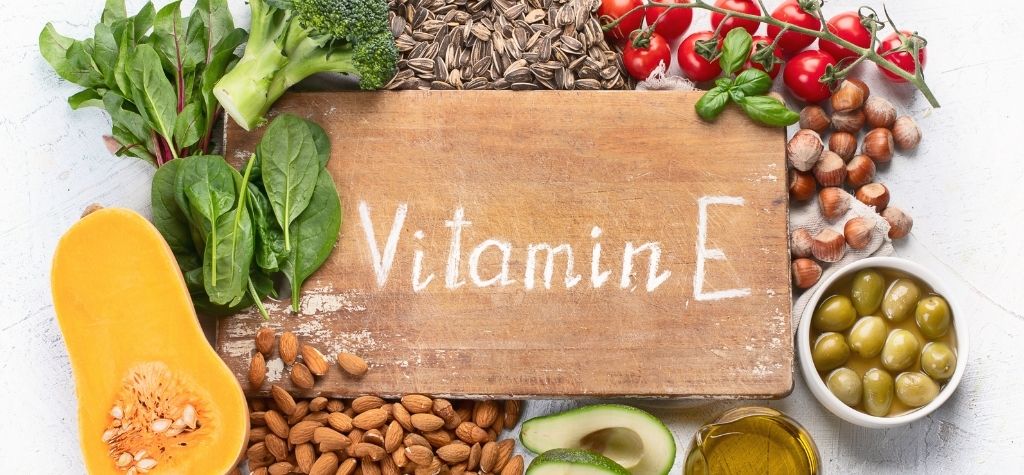
What Is Vitamin E?
Vitamin E is a group of fat‑soluble compounds called tocopherols and tocotrienols. The most common form, α‑tocopherol, is a potent antioxidant that protects cell membranes from oxidative damage. It works synergistically with vitamin C and selenium.
Effects of Vitamin E Deficiency on the Eye
Vitamin E deficiency is uncommon because the vitamin is widely distributed in foods. However, certain medical conditions—such as fat malabsorption, abetalipoproteinemia or cystic fibrosis—can lead to deficiency. The “Molecular Mechanisms Underlying the Therapeutic Role of Vitamin E in Age‑Related Macular Degeneration” review provides insight into the effects of deficiency:
- Irreversible retinal changes: The review notes that vitamin E deficiency leads to characteristic, irreversible changes in retinal structure and function. These changes include pigmentary retinopathy (degeneration of the retina’s pigment layer), loss of photoreceptor function and progressive neurological symptoms.
- Pigmentary retinopathy and neurological symptoms: Deficient individuals may develop cerebellar ataxia, loss of vibration sense, muscle weakness, scoliosis and abnormal eye movements. Because vitamin E protects neurons and photoreceptors, deficiency can cause visual field loss and problems with coordination.
- Retinopathy of prematurity (ROP): Premature infants have higher oxidative stress at birth. The review explains that vitamin E deficiency in premature infants can manifest as hemolytic anemia and impaired coordination, and that vitamin E supplements are sometimes used to treat retinopathy of prematurity.
Who Is at Risk?
People with the following conditions may develop vitamin E deficiency:
- Fat malabsorption disorders: cystic fibrosis, chronic cholestasis and Crohn’s disease.
- Lipoprotein disorders: abetalipoproteinemia and familial hypobetalipoproteinemia cause poor fat absorption.
- Premature infants: especially those receiving oxygen therapy; they may require vitamin E supplementation to reduce retinopathy risk.
Food Sources of Vitamin E
- Nuts and seeds: almonds, sunflower seeds, hazelnuts.
- Plant oils: wheat germ oil, sunflower oil, safflower oil and olive oil.
- Green leafy vegetables: spinach, Swiss chard.
- Fortified cereals: some breakfast cereals are fortified with vitamin E.
Because vitamin E is fat‑soluble, consuming it with a source of healthy fat improves absorption. People with malabsorption issues may need medical supervision and specialized supplements.
Bottom Line
Vitamin E protects the retina and nerves from oxidative damage. Deficiency is rare but can cause serious retinal degeneration and neurological problems. Eating a diet rich in nuts, seeds and plant oils or taking doctor‑approved supplements is essential for those at risk.
Zinc Deficiency
Why Zinc Matters for Vision
Zinc is a trace mineral needed in small amounts. It supports more than 300 enzymes and plays structural and regulatory roles. In the eye, zinc is especially important because:
- Zinc assists the enzyme that converts retinol (vitamin A) into 11‑cis‑retinal, the form required for rhodopsin synthesis. The Linus Pauling Institute notes that zinc deficiency reduces the release of vitamin A from the liver, which may contribute to night blindness.
- Zinc is concentrated in the retina and choroid, where it helps protect photoreceptor cells and facilitate communication between neurons.
- It works together with antioxidants like vitamin C and E to reduce oxidative stress.
Symptoms of Zinc Deficiency
Severe zinc deficiency is rare in industrialized nations but common in parts of the world where diets lack animal protein. Signs include:
- Night blindness and poor dark adaptation: Because zinc is required for vitamin A metabolism, deficiency can cause night blindness.
- Swelling and clouding of the cornea: Severe deficiency can lead to corneal edema and opacity.
- Delayed wound healing, skin rashes and impaired taste or appetite.
Eye Diseases Linked to Zinc Deficiency
Night blindness and corneal changes: The LPI notes that zinc deficiency can cause decreased release of vitamin A from the liver. Since vitamin A is needed for rhodopsin synthesis, deficiency manifests as night blindness. Severe deficiency also causes clouding of the cornea.
Age‑related macular degeneration (AMD): The Age‑Related Eye Disease Study (AREDS) found that a high‑dose combination of vitamin C, vitamin E, beta‑carotene and zinc reduced the risk of progression to advanced AMD by about 25 percent in people at high risk. The same nutrients reduced vision loss by about 19 percent. These findings suggest that zinc works with antioxidants to protect retinal cells. While AREDS used supplementation to slow disease progression, low zinc intake could contribute to oxidative damage and AMD in the first place.
Dietary Sources of Zinc
- Animal proteins: oysters, beef, pork, chicken and dairy products.
- Plant sources: beans, nuts, whole grains and seeds. Note that phytates in legumes and whole grains reduce zinc absorption, so vegetarians may need higher intakes.
- Fortified cereals: Many breakfast cereals and breads are fortified with zinc.
The recommended dietary allowance (RDA) is 11 mg/day for adult men and 8 mg/day for adult women. Pregnant and breastfeeding women need more. People with malabsorption, chronic diarrhea or excessive alcohol intake are at higher risk of deficiency.
Key Points
Zinc works closely with vitamin A to support night vision and prevent oxidative damage. Deficiency can cause night blindness and corneal clouding. Combining zinc with antioxidants, as in the AREDS formulation, may slow age‑related macular degeneration. Eat a varied diet of lean meats, legumes, nuts and whole grains to meet daily zinc needs.
Vitamin D Deficiency
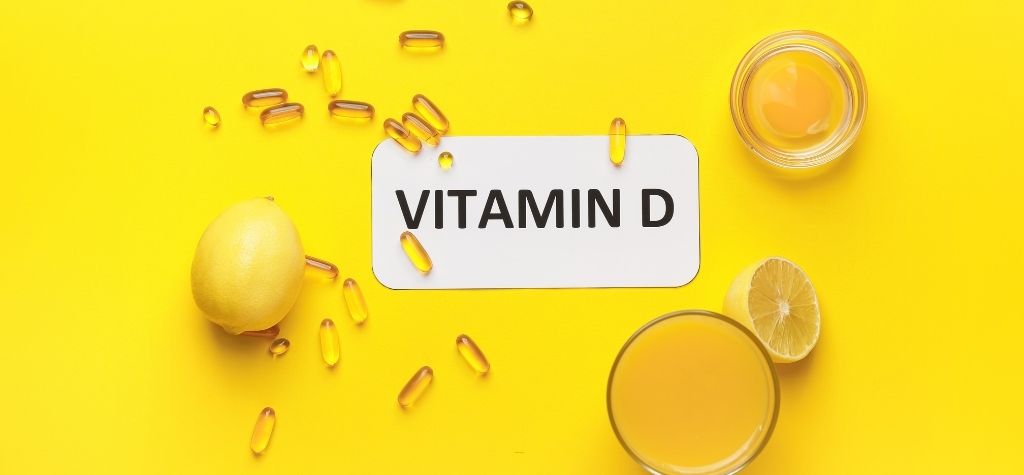
Role of Vitamin D in Eye Health
Vitamin D, often called the “sunshine vitamin,” is produced when sunlight hits the skin. It is also found in a few foods and available as a supplement. While known primarily for regulating calcium and bone health, vitamin D affects many tissues—including the eyes. Recent research has discovered vitamin D receptors (VDRs) in the cornea, lens, ciliary body, retinal pigment epithelium, ganglion cells and photoreceptors. These receptors suggest that vitamin D plays a role in eye physiology and protection.
How Deficiency Affects the Eyes
A study of ocular findings in vitamin D‑deficient patients summarized several associations:
- People with low 25‑hydroxyvitamin D levels are more likely to have diseases involving dry eyes, diabetic retinopathy, myopia and age‑related macular degeneration (AMD). Conversely, higher vitamin D levels are linked to a lower frequency of these diseases.
- Vitamin D receptors and vitamin D‑metabolizing enzymes have been found in multiple ocular tissues, indicating that vitamin D may help regulate inflammation, cell growth and immune responses in the eye.
- In the Carotenoids in Age‑related Eye Disease Study (CAREDS) of 1,313 women, those with blood vitamin D levels above 30 ng/mL had a 48% lower risk of early AMD. Another study of 7,752 people found that individuals with vitamin D levels above 34 ng/mL had a 36% lower risk of early AMD and 24% lower risk of drusen compared with those below 17 ng/mL.
- Deficiency may also contribute to macular thinning. The same study observed that lower vitamin D levels were associated with thinner central macular thickness (CMT), suggesting that vitamin D may help maintain retinal structure.
- Several studies suggest that vitamin D deficiency contributes to dry eye disease by affecting tear film stability and inflammation.
Controversies and Limitations
Not all studies agree on the role of vitamin D in ocular disease. Some research finds no association between vitamin D levels and glaucoma or certain refractive errors. Additionally, there is no standardized protocol for vitamin D research in ophthalmology, leading to inconsistent results. Sun exposure, diet, supplementation, genetics and other lifestyle factors complicate the picture.
Dietary and Lifestyle Sources of Vitamin D
- Sunlight: Fifteen minutes of midday sun exposure (on arms and legs) several times per week usually provides enough vitamin D for lighter‑skinned individuals. People with darker skin may need more sun exposure.
- Foods: Fatty fish (salmon, mackerel, sardines), cod liver oil, egg yolks and fortified milk or plant milks.
- Supplements: Vitamin D2 (ergocalciferol) and vitamin D3 (cholecalciferol) supplements are available. Vitamin D3 is the preferred form because it raises blood levels more effectively.
Speak with a healthcare provider before taking high‑dose supplements. Over‑supplementation can cause toxicity, whereas moderate supplementation may help people with limited sun exposure or malabsorption disorders.
Takeaway
Vitamin D may influence eye health by modulating inflammation, maintaining retinal structure and supporting tear production. Studies link deficiency with a higher risk of dry eye, diabetic retinopathy, myopia and macular degeneration. Maintaining adequate vitamin D through sensible sun exposure, diet and supplements can be part of an overall strategy to protect your vision.
Putting It All Together: Diet and Prevention Strategies
A diet rich in colorful fruits and vegetables, whole grains, nuts, seeds and lean proteins provides most of the nutrients your eyes need. Here are some practical tips:
- Eat the rainbow: Each color group of fruits and vegetables offers a different set of antioxidants. Orange and dark green produce supply beta‑carotene (vitamin A precursor), while red and purple berries offer vitamin C and other phytochemicals.
- Include healthy fats: Vitamins A, D and E are fat‑soluble. Include sources of healthy fat (such as olive oil, avocados or nuts) to enhance absorption.
- Choose lean proteins: Fish, poultry, beans and tofu provide zinc and omega‑3 fatty acids. Shellfish like oysters are among the richest sources of zinc.
- Limit processed foods: Diets high in processed foods may be low in vitamin E and other antioxidants. Focus on whole, minimally processed foods instead.
- Consider supplements carefully: Supplements may help certain individuals—such as those with malabsorption disorders or high risk of AMD—but can be harmful in high doses. For example, high‑dose vitamin C supplements did not prevent cataracts and might increase risk in specific populations. Always consult an eye care professional before taking high‑dose vitamins.
- Get regular eye exams: Early signs of deficiency and disease may only be detectable through a comprehensive exam. Children and adults with poor diets, chronic illnesses or limited access to fresh food should pay particular attention to eye health.
Conclusion: Protecting Your Vision Through Nutrition
Your eyes rely on a steady supply of vitamins and minerals. Vitamin A keeps the cornea moist and supports night vision. Vitamin C builds collagen and may reduce the risk of cataracts when consumed in whole foods. Vitamin E protects retinal cells from oxidative damage, and deficiency can cause irreversible retinal degeneration. Zinc enables vitamin A metabolism and, when paired with antioxidants, reduces the progression of age‑related macular degeneration. Vitamin D receptors are present in many eye tissues, and low vitamin D levels are associated with dry eye, diabetic retinopathy, myopia and AMD.
The good news is that simple dietary choices can prevent most deficiencies. A colorful plate, healthy fats, lean proteins and moderate sun exposure nourish your eyes and your entire body. When needed, targeted supplements—under professional guidance—can help fill gaps. By paying attention to nutrition today, you can support clear vision and eye health for years to come.
