

Do You Blame Your Head When Your Eyes Are the Culprit?
Have you ever rubbed your temples after a long day of screen time, telling yourself it’s just stress? Many people reach for pain medication or coffee when a headache strikes. Surprisingly, the discomfort in your head may be coming from your eyes. Vision‑related headaches are more common than you might think. In this guide we’ll explore ten headache types that are actually vision problems. We’ll use clear language, break down the science, and offer practical tips so you can know when to seek help from an eye professional.
1. Digital Eye Strain (Computer Vision Syndrome)

What is digital eye strain?
Digital eye strain – also called computer vision syndrome – occurs when your eyes become tired from staring at screens. The Cleveland Clinic explains that extended screen use makes your eyes continually refocus on high‑contrast text and images. This constant effort, combined with less blinking, leads to irritated eyes, blurry vision and headaches.
Why screens cause headaches
Several factors contribute to digital eye strain:
- Constant focusing: Your eyes repeatedly adjust to changing text sizes and animations, which taxes the focusing muscles.
- Reduced blinking: People blink less when staring at a screen. Fewer blinks mean less lubrication, leading to dryness and irritation.
- Low contrast and glare: Poor lighting or reflections from the screen cause your eyes to work harder.
When your eye muscles tire, the strain can radiate outward, causing a dull ache across your forehead or behind your eyes. You may also experience neck, shoulder or back pain because you lean forward to see better.
Tips to relieve digital eye strain
- Follow the 20‑20‑20 rule: Every 20 minutes, look at something 20 feet away for 20 seconds. This relaxes your focusing muscles.
- Blink often: Remind yourself to blink to keep your eyes moist.
- Adjust screen settings: Increase text size, reduce brightness and use anti‑glare screens.
- Check lighting: Position the screen to avoid reflections and ensure the room is evenly lit.
Key statistic: Digital eye strain affects about two out of three people in the U.S. who use computers or digital devices.
If simple adjustments don’t relieve the headaches, schedule an eye exam. You may need updated glasses or special lenses designed for computer use.
2. Refractive Errors (Myopia, Hyperopia, Astigmatism)

How refractive errors cause headaches
Refractive errors occur when the eye’s shape prevents light from focusing properly on the retina. Common types include myopia (nearsightedness), hyperopia (farsightedness), presbyopia and astigmatism. The Cleveland Clinic notes that all refractive errors distort vision and may cause symptoms such as double vision, eye strain, eye pain and headaches. When your eyes work extra hard to focus, the muscles around them fatigue, leading to tension headaches.
Signs you might have an uncorrected refractive error
- Blurry vision at specific distances (near or far).
- Squinting often to bring objects into focus.
- Eye strain or headaches after reading or driving.
- Tilting your head to see more clearly.
What to do
Schedule a comprehensive eye exam. If you wear glasses or contact lenses and still experience headaches, your prescription may need updating. Children who complain of headaches and have trouble in school should also be checked for refractive errors.
3. Presbyopia – Age‑Related Farsightedness

Why close work triggers headaches after 40
Presbyopia isn’t the same as ordinary farsightedness. It occurs when the lens inside your eye loses flexibility with age. The Cleveland Clinic Abu Dhabi explains that presbyopia typically appears around age 40 and causes blurred vision at reading distance, a need to hold reading material at arm’s length and headaches from doing close work. When your eyes struggle to focus on nearby objects, you may unconsciously strain your forehead muscles, leading to headaches.
How to manage presbyopia
- Get reading glasses: Over‑the‑counter reading glasses may be adequate at first. For precise correction, your optometrist can prescribe single‑vision, bifocal or progressive lenses.
- Use adequate lighting: Bright lighting reduces the strain of focusing on small print.
- Rest your eyes: Take breaks during extended reading or craft work.
- Consider contact lenses or surgery: Multifocal contact lenses and lens implants can address presbyopia if glasses don’t suit your lifestyle.
4. Binocular Vision Dysfunction (BVD) and Strabismus

When your eyes don’t work together
Binocular vision dysfunction means your eyes and brain don’t line up visual images properly. The Cleveland Clinic describes BVD as an umbrella term for conditions such as crossed eyes (strabismus) and lazy eye. BVD forces your eye and brain muscles to work harder, causing eye pain, eye strain and headaches.
Strabismus can be horizontal (esotropia or exotropia), vertical (hypotropia or hypertropia) or diagonal. When your eyes are misaligned, your brain receives conflicting images and must choose which one to process. The Cleveland Clinic’s page on hypotropia notes that blurred vision, double vision, eye strain and headaches are common when your eyes won’t coordinate.
Symptoms to watch for
- Double vision or images that don’t line up.
- Frequent headaches or neck pain from tilting your head to improve vision.
- Difficulty reading or concentrating.
- Sensitivity to crowded spaces or motion.
Getting help
An eye exam can diagnose BVD. Treatment may include prism glasses, vision therapy or surgery. Prism lenses bend light so that images align without forcing your eyes to converge. Vision therapy exercises train your eyes and brain to work together more effectively.
5. Glaucoma – Especially Angle‑Closure Glaucoma
What makes glaucoma different
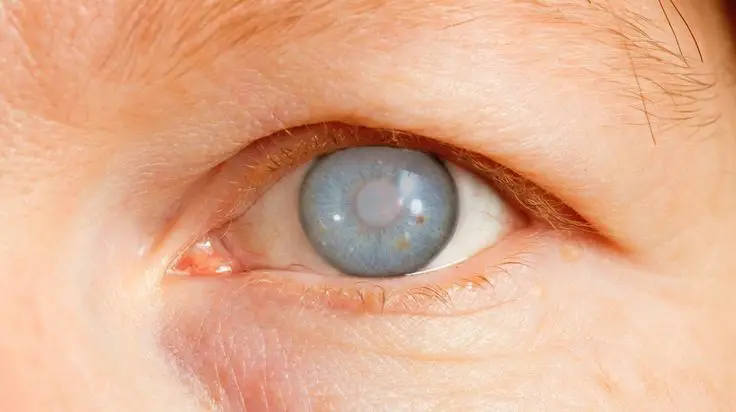
Glaucoma is a group of diseases that damage the optic nerve due to increased pressure inside the eye. Open‑angle glaucoma often develops slowly and painlessly. However, the Cleveland Clinic warns that some forms of glaucoma cause eye pain, headaches, blurred vision and gradually developing blind spots. Angle‑closure glaucoma is particularly dangerous because it can trigger sudden, severe symptoms that require immediate medical care.
Emergency signs of angle‑closure glaucoma
- Severe headaches or eye pain.
- Nausea and vomiting, often paired with eye discomfort.
- Rainbow‑colored halos around lights.
- Sudden vision loss or flashes of light.
If you experience these symptoms, go to an emergency room. Untreated angle‑closure glaucoma can lead to permanent vision loss. Regular eye exams and pressure checks help detect glaucoma early, before symptoms occur.
6. Ocular or Retinal Migraine

When light patterns are the warning
Some migraines originate inside your eyes. According to Harvard Health Publishing, ocular (or retinal) migraine causes flickering lights or darkened vision, usually in one eye. Unlike typical migraines, ocular migraine may not cause head pain. A retinal migraine is thought to involve a brief narrowing of blood vessels in the retina, and the visual symptoms typically disappear within an hour.
Migraine aura versus ocular migraine
Migraine aura is a neurological phenomenon where people see zigzag patterns or shimmering lights in both eyes. Harvard Health notes that about 30 % of people with migraine experience aura, which often precedes or accompanies a headache. An ocular migraine, by contrast, affects one eye and may not be followed by head pain.
When to seek care
See an ophthalmologist if you frequently experience visual disturbances. Sudden light patterns lasting more than a few minutes or accompanied by weakness or speech difficulty could signal a stroke or retinal detachment. Always treat new or unusual visual symptoms as emergencies.
7. Optic Neuritis – Inflammation of the Optic Nerve
Pain behind your eyes
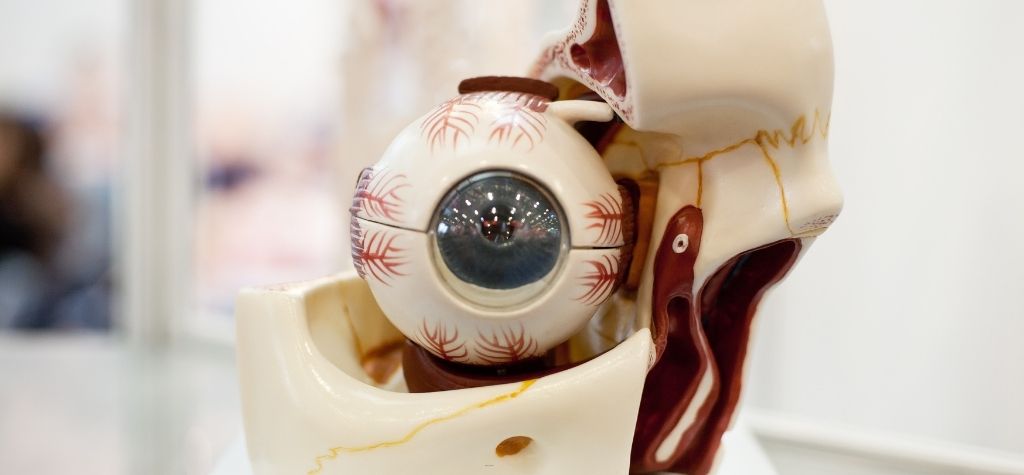
Optic neuritis is an inflammation of the optic nerve that connects your eyes to your brain. Cleveland Clinic data show that over 90 % of people with optic neuritis experience eye pain that worsens when they move their eyes. While the condition primarily affects vision, the intense eye pain can radiate into the forehead and mimic a headache.
Other signs include reduced visual acuity, visual field defects (blind spots) and decreased color vision. Optic neuritis is often linked to multiple sclerosis or other autoimmune diseases.
What to do
Optic neuritis requires prompt medical evaluation. Treatment may include corticosteroid medications to reduce inflammation. Because optic neuritis may signal a neurological disorder, your doctor might recommend brain imaging or neurological consultation.
8. Giant Cell Arteritis (Temporal Arteritis)
When arteries become inflamed
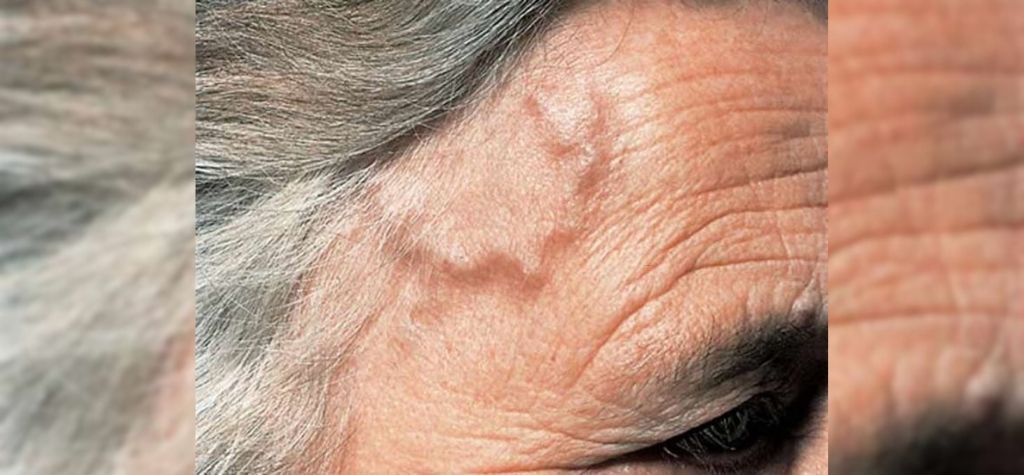
Giant cell arteritis (GCA) is an inflammation of medium and large arteries, especially those near the temples. The American Academy of Ophthalmology explains that many people with GCA develop severe headaches and scalp tenderness around the temples, along with sudden vision loss or double vision. Reduced blood flow can damage the optic nerve, leading to a form of vision loss called ischemic optic neuropathy.
Who is at risk?
GCA usually affects adults over 50. Women and people of northern European descent are at higher risk. GCA often occurs alongside polymyalgia rheumatica (PMR), an inflammatory disorder that causes shoulder and hip pain.
Urgent treatment matters
Untreated GCA can lead to permanent blindness. If you experience a new, persistent headache with scalp tenderness or jaw pain, especially if you’re over 50, seek immediate medical care. Ophthalmologists may prescribe high‑dose steroids to reduce inflammation and preserve vision.
9. Increased Intracranial Pressure (ICP) and Papilledema
When pressure inside your skull rises
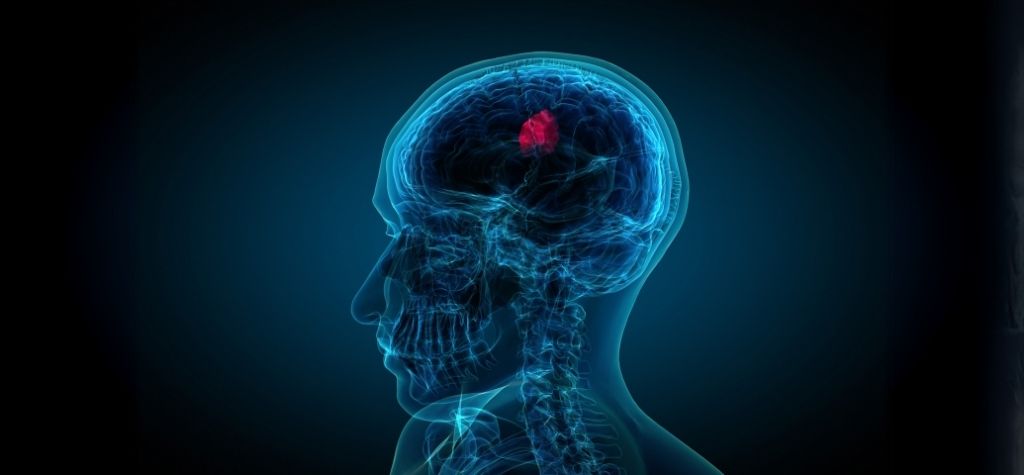
Increased intracranial pressure can occur due to traumatic brain injury, infection or other conditions. The Cleveland Clinic warns that signs of ICP include headaches that are worse in the morning or when lying down, nausea, vomiting and vision changes such as blurred or double vision and light sensitivity. Papilledema, a swelling of the optic disc, is one consequence of increased intracranial pressure.
Why vision is affected
High pressure in the cranial vault compresses the optic nerve and reduces blood flow. This may cause temporary or permanent vision loss. Light sensitivity (photophobia) and double vision are common because the nerves controlling eye movements are affected.
What to do
Increased intracranial pressure is a medical emergency. If you experience severe headaches with vision changes and nausea, seek urgent care. Treatment aims to reduce pressure via medication or surgical interventions.
10. Photophobia (Light Sensitivity)

Light itself can hurt
Photophobia is a condition in which light causes discomfort or pain. The Cleveland Clinic defines photophobia as sensitivity to light that can cause squinting, a desire to avoid bright environments and sometimes eye pain. Photophobia is associated with several eye conditions such as dry eye, albinism, astigmatism and conjunctivitis. Neurologic causes include migraines, meningitis and traumatic brain injuries.
How photophobia leads to headaches
People with photophobia often tense their facial muscles and squint to block out light. This muscular tension can trigger or worsen headaches. Bright light may also exacerbate underlying migraine headaches.
Managing light sensitivity
- Wear sunglasses that block 100 % of UV light when outdoors.
- Use wide‑brimmed hats for additional shade.
- Dim indoor lighting or use amber filters on screens.
- Seek treatment for underlying conditions such as dry eye or migraine.
Conclusion: Know When to See an Eye Doctor
Headaches are complex, and many factors can cause them. But vision problems often fly under the radar. From digital eye strain and refractive errors to serious conditions like giant cell arteritis or angle‑closure glaucoma, your eyes can trigger pain in surprising ways.
Take action today
- Get regular eye exams. Many eye conditions, including glaucoma and refractive errors, can be managed or corrected if caught early.
- Pay attention to new symptoms. Sudden headaches accompanied by vision changes, nausea or vomiting warrant immediate medical care.
- Address screen habits. Simple habits like the 20‑20‑20 rule and proper lighting can prevent digital eye strain.
- Use proper eyewear. Correct prescriptions, protective sunglasses and prism lenses (for BVD) can reduce headache triggers.
By listening to your eyes and seeking appropriate care, you can reduce head pain, protect your vision and improve your quality of life.
