
A Face Shape With Heart
When you look in the mirror, does your face taper from a broad forehead to a narrow chin? If so, you likely have a heart‑shaped face. Selecting glasses for this face shape can feel like a balancing act. You want frames that soften angles, highlight your eyes and avoid overwhelming delicate features. In this guide we’ll demystify heart‑shaped faces, outline the best frame shapes for 2026, discuss materials, colors and lenses and help you find your perfect pair. The goal is to keep the reading level simple (about seventh‑grade) while sharing useful knowledge backed by trusted sources.
What Makes a Heart‑Shaped Face
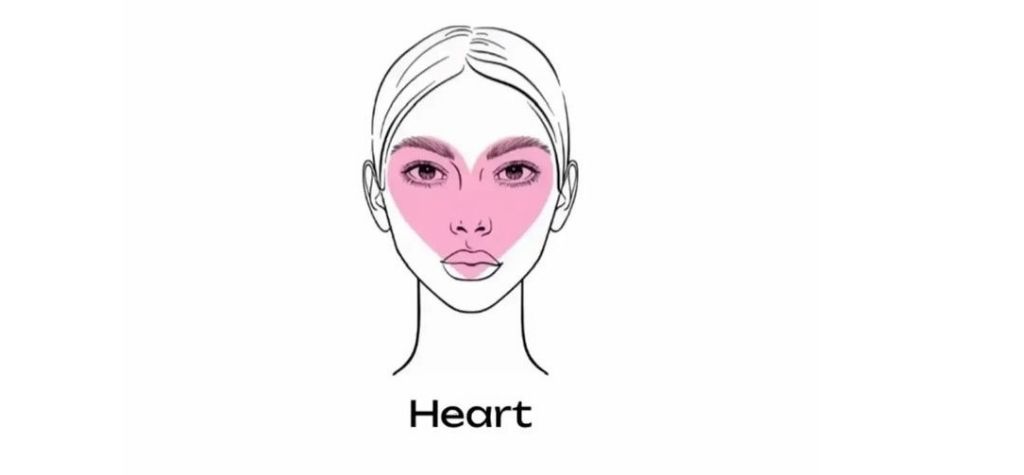
A heart‑shaped face is widest at the forehead and tapers down to a narrow chin. This shape often features high cheekbones and a mix of curved and angled features. Some people fall at the rounder end of the spectrum, while others have a more linear, upside‑down‑triangle look. Recognizing this face shape is the first step in choosing frames that complement rather than compete with your natural features.
Key features of heart‑shaped faces
Broad or wide forehead
High cheekbones
Narrow jawline and delicate chin
The tapered lower half of the face creates visual weight at the top. Your eyewear should therefore bring balance by either drawing attention downward or softening the upper half.
Guidelines From Vision Experts
Eye‑care organizations and optometrists offer simple guidelines for choosing eyewear. Sightsavers, a global eye‑health charity, notes that people with heart‑shaped faces should “keep it slight and simple.” Aviators and Wayfarers look fantastic, as do square styles. Large frames should be avoided because they add too much width to the top of the face. Medical Arts Optical, an optometry practice, advises choosing smaller frame designs without ornate detail and selecting a low‑set temple; rectangular, square and aviator frames work particularly well. Another eye clinic, Associates in Ophthalmology, recommends oval and round frames to provide balance and warns against frames that draw attention to the upper face; rimless styles are highlighted because they keep attention off the top. All About Vision, a well‑known vision‑care resource, agrees that the best frames for heart‑shaped faces are rectangular, oval or Wayfarer styles and suggests selecting light‑colored minimal frames to set off your features.
These guidelines form the backbone of our recommendations. Let’s explore each frame type in detail.
Frame Shapes That Flatter
Oval and Round Frames – Softening Angles
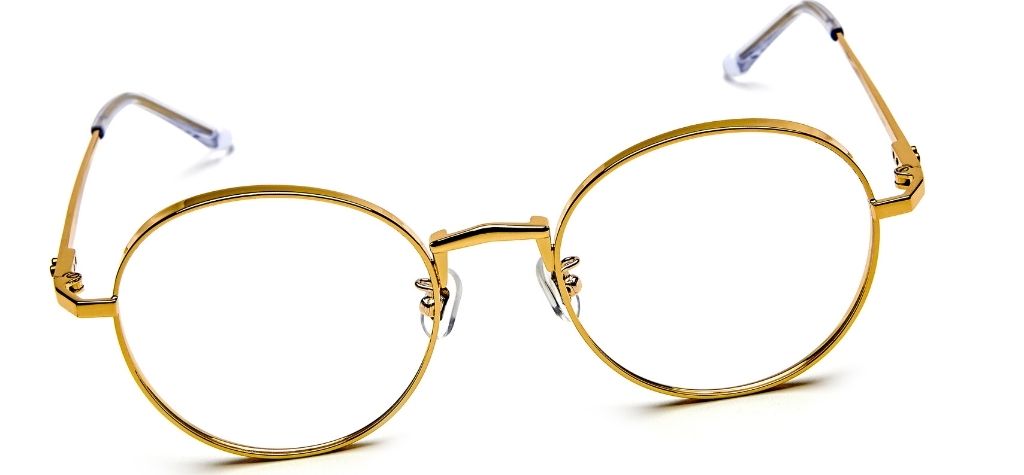
Why they work: Oval and round frames soften the angles of a heart‑shaped face by adding curves where your face narrows. The gentle shape reduces emphasis on the forehead and draws the eye toward the center. The team at Associates in Ophthalmology notes that oval and round shapes provide balance for heart‑shaped faces. All About Vision adds that oval glasses help soften and balance out angles without overemphasizing your cheekbones.
Styling tips:
- Choose small to medium frame sizes rather than oversized designs.
- A tortoiseshell pattern adds classic style without overpowering your features.
- For a modern twist, try translucent acetate or pastel colors; these lighten the look and highlight your eyes without adding bulk.
Wayfarer Frames – Classic Balance

Why they work: Wayfarers have a slightly tapered lens that draws attention away from the cheeks and gives the face a balanced look. Sightsavers recommends Wayfarers because they are simple yet stylish.
Styling tips:
- Traditional black or Havana Wayfarers offer a timeless vibe. For a 2026 twist, choose eco‑friendly materials such as bio‑acetate or recycled plastics.
- Avoid extra‑thick temples or heavy embellishments on top; the goal is subtlety.
- Pair with transition lenses for a versatile day‑to‑night look. For more on transition lenses see our post “Transition Lenses in 2026: The Pros, Cons, and Best Brands.”
Aviator and Pilot Frames – Vintage Flair
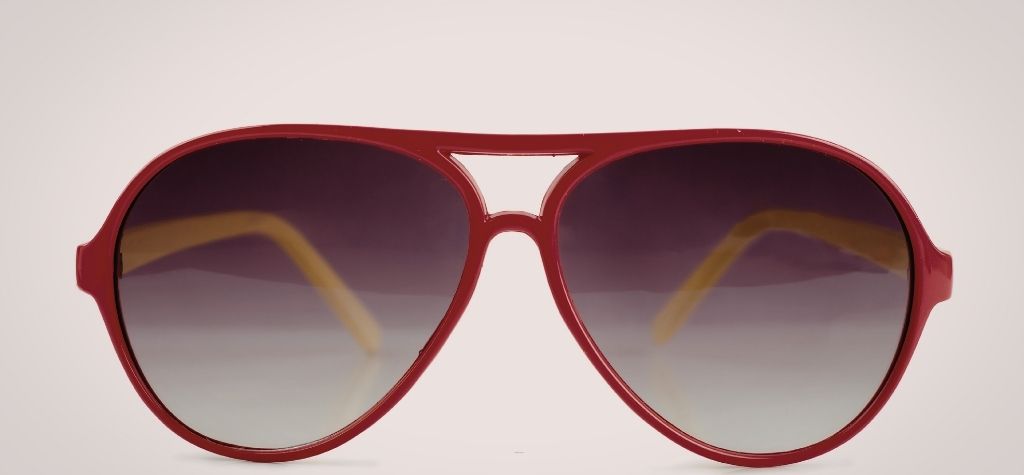
Why they work: Aviators, with their teardrop shape and thin metal rims, create visual length and shift attention downward. Sightsavers lists aviators as flattering on heart‑shaped faces and encourages you to keep frames slight and simple. Medical Arts Optical also highlights aviator frames as a good choice.
Styling tips:
- Opt for lightweight metal or titanium to maintain a minimalist profile.
- Explore 2026 trends like double‑bridge aviators in matte finishes.
- Choose lenses with gradient tints to soften the upper frame line and further balance your forehead.
Rectangular and Square Frames – Structured Balance
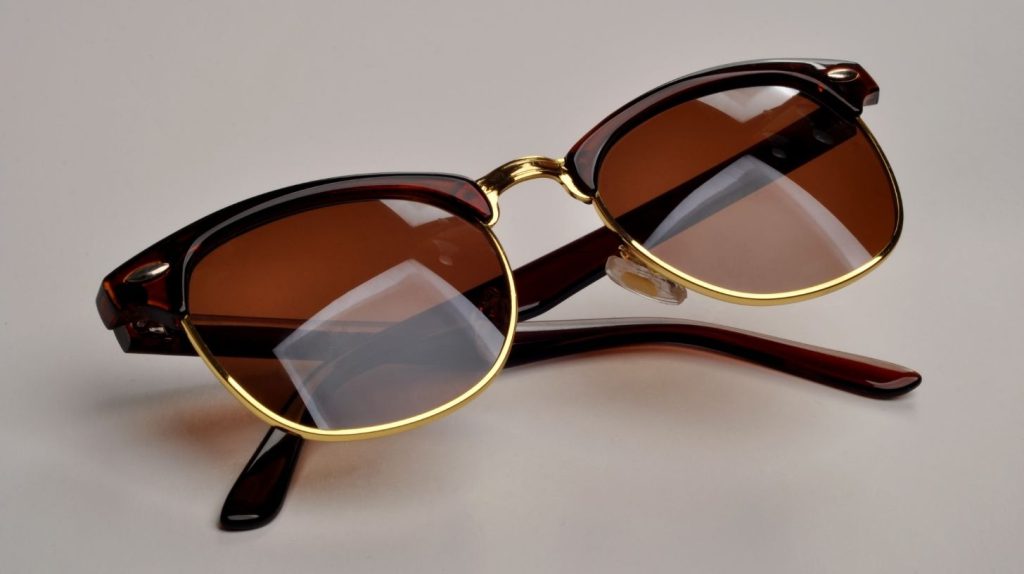
Why they work: Rectangular and square frames provide structure that balances the curves of your face. All About Vision notes that rectangular glasses keep the upper half from looking top‑heavy when they have thin metal frames. Medical Arts Optical lists rectangular and square frames among the most flattering styles.
Styling tips:
- Select frames with gentle corners rather than sharp angles to avoid contrast with your chin.
- Thin metal or acetate frames maintain a lightweight feel.
- Avoid overly wide, boxy frames that may make your forehead look broader.
Rimless and Semi‑Rimless Frames – Minimalist Elegance
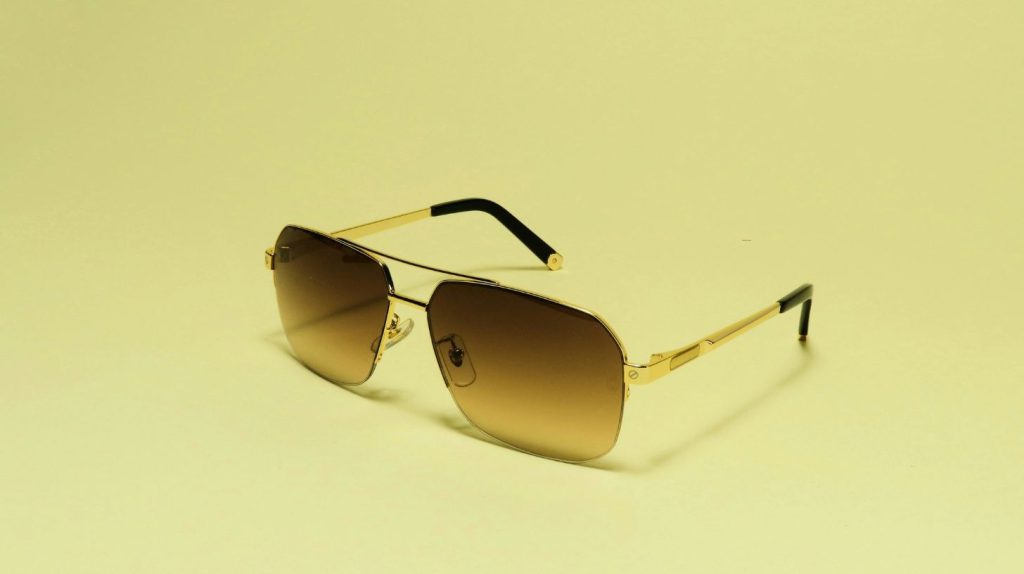
Why they work: Rimless styles keep the focus off the upper face and create a balanced look. Associates in Ophthalmology highlights that rimless frames work well because they don’t draw attention upward. Semi‑rimless frames, which have a thin top rim and no bottom, achieve a similar effect.
Styling tips:
- Choose a subtle top rim color (gold, silver or translucent) for understated elegance.
- For 2026, consider pairing rimless frames with blue‑light filtering lenses to protect against digital eye strain.
- Avoid decorative upper rims or brow bars that add weight.
Cat‑Eye and Browline Frames – Fashion‑Forward Choice

Why they can work: Cat‑eye and browline glasses add width at the temples and can balance a narrow chin. While not mentioned by our sources directly, many stylists recommend these shapes for heart‑shaped faces when chosen carefully. Look for gentle cat‑eye angles rather than dramatic upswept points.
Styling tips:
- Keep the frame size modest to avoid accentuating your forehead.
- Try browline styles with a thin metal lower rim to maintain lightness.
- Play with color on the upper browline to draw attention to your eyes instead of your forehead.
Lens Options and Eye‑Health Features
Selecting the right frame shape is only part of the story; lenses impact comfort and eye health. Here are important lens considerations for heart‑shaped faces in 2026:
Blue‑Light Filtering Lenses
We spend many hours on screens, and blue‑light filtering lenses can reduce digital eye strain. For more on digital lens technology, our post on “7 Differences Between Digital Lenses and Traditional Lenses” offers a deep dive.
Transition or Photochromic Lenses
These lenses darken in sunlight and clear indoors. They add convenience and protect against UV rays. Sightsavers reminds readers that sunglasses are essential for eye health and style. Pairing your heart‑shaped‑friendly frames with transition lenses allows you to reduce the number of glasses you own.
High‑Index and Thin Lenses
If you have a strong prescription, high‑index lenses reduce weight and thickness. Light lenses are especially important for heart‑shaped faces because heavy lenses can add bulk to the top of your face. Ask your optician about lens options to keep your glasses comfortable and balanced.
Anti‑Reflective and Scratch‑Resistant Coatings
These coatings improve visual clarity and durability. Anti‑reflective coatings reduce glare from screens and night driving. Scratch‑resistant coatings extend the life of your lenses, which is crucial if you plan to wear your frames daily.
Materials and Sustainability
Materials influence comfort, durability and environmental impact. In 2026, eco‑friendly options are widely available.
- Acetate and bio‑acetate: Traditional acetate is derived from petroleum, whereas bio‑acetate uses plant‑based plasticizers and decomposes more easily.
- Metal: Titanium, stainless steel and aluminum provide strength and a lightweight feel. Many of the aviator and rectangular styles for heart‑shaped faces are available in metal. Look for nickel‑free options if you have allergies.
- Recycled plastics: Some eyewear brands now use plastics recovered from ocean waste. While not yet standard, these frames reduce environmental impact and align with growing sustainability trends.
Color and Pattern Considerations
Color has a huge impact on how glasses interact with your features.
- Light colors: All About Vision notes that light‑colored, minimal frames set off the features of heart‑shaped faces beautifully.
- Soft neutrals: Beige, champagne, pale gray and pastels keep attention on your eyes rather than the frame.
- Tortoiseshell: A classic pattern that adds warmth without overwhelming the face. It pairs well with oval, Wayfarer and rimless styles.
- Avoid heavy dark frames: Thick black frames can make the upper face appear wider. If you love dark frames, choose thinner profiles or mix dark colors with translucent accents.
Getting the Right Fit
A balanced design won’t matter if the glasses don’t fit correctly. Consider these tips when ordering or trying on frames:
- Bridge width: The bridge should rest comfortably on your nose without pinching or sliding. A too‑wide bridge can cause the frames to slip; a too‑narrow bridge may create pressure marks. Our post “What the Bridge Width on Your Glasses Really Means” explains how to measure bridge size and why it matters.
- Pupillary distance (PD): PD is the distance between your pupils. It ensures that lenses align properly with your eyes. Many online retailers require PD for ordering.
- Temple length: Temples should be long enough to curve around your ears without digging in. A proper fit prevents glasses from sliding down.
- Adjustable nose pads: Metal frames often come with nose pads that can be adjusted for comfort and fit. Consider this feature if you have a low nose bridge.
2026 Eyewear Trends for Heart‑Shaped Faces
Fashion evolves, and 2026 is no exception. Here are some trends that work well for heart‑shaped faces:
- Thin metal frames: Lightweight metals in gold, rose gold and gunmetal create an elegant look without bulk. They pair well with aviators, Wayfarers and round styles.
- Pastel and translucent acetate: Soft pinks, blues and greens lighten the upper face and align with the minimal aesthetic recommended by eye‑care professionals.
- Eco‑friendly materials: Bio‑acetate and recycled plastics are increasingly popular. They appeal to environmentally conscious consumers and often have a premium feel.
- Geometric accents: Subtle geometric details (for example, hexagonal lenses) add interest without overpowering your features. Choose small geometric frames rather than bold oversized ones.
- Gradient lenses: Lenses that fade from dark to light create a balanced look and complement 2026’s vintage‑inspired trends.
Common Mistakes to Avoid
- Oversized frames: Large frames make the upper face look heavier and draw focus away from your eyes. Both Sightsavers and Medical Arts Optical warn against large frames for heart‑shaped faces.
- Heavy top rims: Bold brow bars and heavy decorations draw attention to the forehead. Stick to minimalist or rimless styles.
- Ignoring face proportions: Even within heart‑shaped faces, proportions vary. If your face leans toward an oval heart, you may tolerate slightly wider frames. If your face resembles an upside‑down triangle, prioritize minimalism.
- Poor fit: Frames that slide down or sit too high disrupt the balance you’re trying to achieve. Always consider bridge width, PD and temple length.
Putting It All Together – Creating a Capsule Eyewear Wardrobe
Many people have more than one pair of glasses. A capsule eyewear wardrobe can help you switch styles without buying unnecessary pairs. For a heart‑shaped face, consider these combinations:
- Everyday pair: An oval or round frame in a light color with blue‑light filtering lenses for daily screen use.
- Statement pair: A Wayfarer or aviator in a trendy color (e.g., matte gold) with photochromic lenses for outdoor and indoor versatility.
- Work or study pair: Rimless or semi‑rimless glasses with high‑index lenses for comfort during long reading sessions.
- Fun pair: A gentle cat‑eye or browline frame with gradient lenses for parties or weekends.
By rotating these styles, you can protect your eyes, stay on trend and complement your features in different settings.
Conclusion and Actionable Takeaways
Finding flattering glasses for a heart‑shaped face is less daunting when you understand what makes this face shape unique. Opt for frames that balance a wide forehead and narrow chin, such as oval, round, Wayfarer, aviator and rectangular shapes. Keep designs minimal with thin rims, light colors and subtle details. Consider lens technologies like blue‑light filters and transition lenses for comfort and eye health. Finally, pay attention to fit—proper bridge width, PD and temple length ensure your frames sit correctly and remain comfortable.
Next steps: Try on several of the recommended shapes, experiment with colors and materials, and consult an optician for personalized advice. Use sustainable materials when possible and stay updated on 2026 trends. Your perfect pair is out there—it just takes a little heart‑focused research.
