Have you ever put on a pair of thick glasses and felt like they were weighing down your face? Many people with strong prescriptions know this feeling all too well. Traditional plastic lenses work, but they can be bulky and heavy. That’s why high‑index lenses have become popular. These special lenses promise to make your glasses thinner and lighter, giving you more frame choices and a more natural look. But they also come with a higher price tag. Are they worth it? This guide explains what high‑index lenses are, how they work and helps you decide if they’re the right choice for you.
What Are High‑Index Lenses?
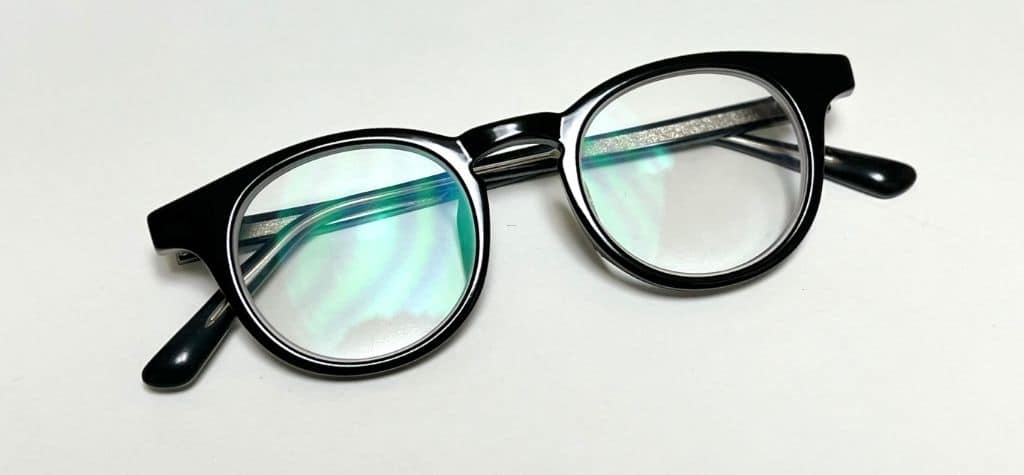
High‑index lenses are a type of eyeglass lens designed to be thinner and lighter than standard plastic lenses. According to optometrists, high‑index lenses bend light more efficiently than regular lenses, which allows them to correct vision with less material. That means a lens with a high refractive index can be much thinner than a lens with the same prescription made from standard plastic. The EyeMed vision care organization describes high‑index lenses as “super thin” and notes that they are more lightweight than polycarbonate, while still offering the same level of visual correction. Because they reduce bulk without sacrificing clarity, eye doctors often recommend high‑index lenses for people with strong prescriptions.
How High‑Index Lenses Work
Every lens material has a refractive index, which tells us how effectively it bends light. Standard CR‑39 plastic has a refractive index of about 1.50. High‑index plastics range from about 1.53 up to 1.74. The higher this number, the less material the lens needs to bend light, and the thinner the lens can be. An optometry guide explains that a high‑index lens with an index of 1.74 could be up to 50 percent thinner than a regular 1.50 plastic lens of the same prescription. High‑index lenses also use an aspheric design, which means the lens surface is flatter and less curved than a traditional lens. This reduces the “bug‑eye” effect in farsighted prescriptions and the minification effect in nearsighted prescriptions, giving you a more natural appearance.
Understanding Lens Index Numbers
When choosing lenses, your eye doctor might mention numbers like 1.61, 1.67 or 1.74. These numbers refer to the refractive index of the lens material. The higher the number, the thinner the lens can be. A detailed chart from the myopia‑education site My Kids Vision compares different materials. It notes that the common CR‑39 plastic (index 1.50) is suitable for prescriptions up to ±2.00D, while a 1.67 high‑index plastic is ideal for prescriptions between ±4.00D and ±6.00D and can be around 45 percent thinner than standard plastic. Ultra‑high‑index plastic at 1.74 is the thinnest and is recommended for prescriptions above ±6.00D. Glass lenses also come in higher indices (1.70–1.90), but they are heavier and more fragile.
Why Thinner Matters
Thick lenses can stick out of the frame, especially at the edges for nearsighted prescriptions or at the center for farsighted prescriptions. They can make your eyes appear smaller or larger than they really are, and they restrict your choice of frames. High‑index materials allow the same prescription to be ground into a slimmer profile, which looks better and fits into rimless or semi‑rimless frames. For example, My Kids Vision explains that higher‑index lenses reduce lens edge thickness for myopic prescriptions and center thickness for hyperopic prescriptions. This reduction not only improves aesthetics but also reduces the overall weight on your nose and ears.
Benefits of High‑Index Lenses
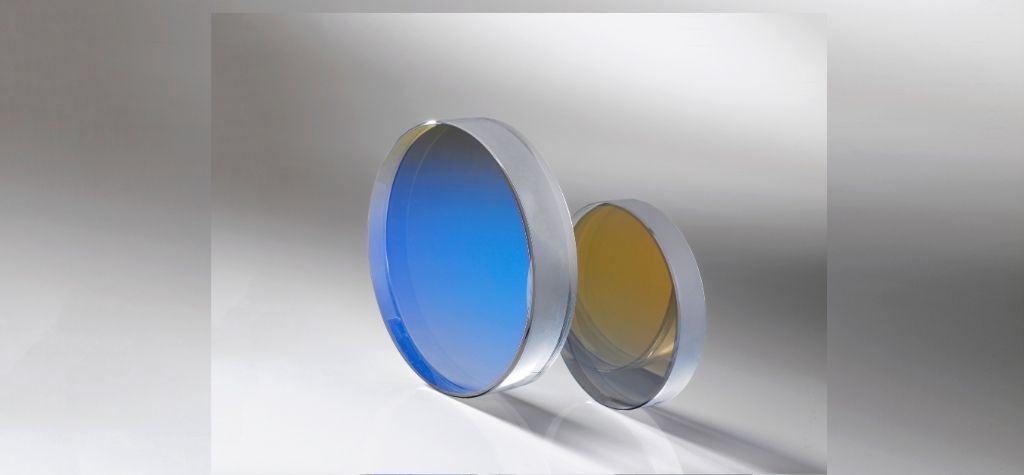
High‑index lenses offer several advantages that can make them an attractive choice, especially for people with stronger prescriptions.
Thinner and Lighter
The most obvious benefit is in the name. High‑index lenses are thinner than standard lenses because they bend light more efficiently. An index of 1.74 can result in lenses up to 50 percent thinner than 1.50 plastic. The EyeMed guide confirms that high‑index lenses are “super thin” and more lightweight than polycarbonate. This reduction in thickness translates to lighter glasses, which feel more comfortable for long periods of wear. Less weight on the bridge of your nose can reduce red marks and soreness.
Better Appearance and Frame Options
Thinner lenses look more attractive. They don’t stick out from the frames as much, which allows you to choose a wider variety of styles, including rimless and semi‑rimless frames. Optometrists note that thicker lenses can limit your frame choices because they may not stay secure in thin frames and can distort the appearance of rimless styles. With high‑index lenses, more fashionable frames become available. The aspheric design also reduces eye magnification or minification. This means your eyes will look more natural behind your glasses, which can boost confidence for people who feel self‑conscious about the “bug‑eye” effect of strong plus lenses or the tiny‑eye appearance of strong minus lenses.
Comfort for Strong Prescriptions
High‑index lenses are generally recommended for moderate to strong prescriptions. The My Kids Vision guide suggests they are best suited for prescriptions stronger than ±3.00D. For those with prescriptions above ±6.00D, the thinnest 1.74 lenses can significantly reduce weight and thickness. High‑index materials ensure that even strong prescriptions can fit comfortably in trendy frames while reducing facial distortion.
Reduced Distortion with Aspheric Design
Traditional lenses have a spherical surface that can cause image distortion near the edges. High‑index lenses are often aspheric, meaning the curvature changes gradually from the center to the edge. This design reduces distortions and provides a flatter profile. Optometrists note that the aspheric shape helps decrease eye magnification for farsighted corrections, giving a more natural look. For nearsighted prescriptions, the flatter profile reduces edge thickness and can improve peripheral vision.
Upgrade Options
Many high‑index lenses can be treated with additional coatings. These include anti‑scratch, anti‑reflective and ultraviolet‑blocking coatings. Anti‑reflective coating is especially important because high‑index materials tend to reflect more light than standard plastics. Anti‑scratch coatings protect the lens surface, and UV coatings block harmful ultraviolet rays. Some lenses incorporate blue‑light filtering to help with digital eye strain, though this is separate from the material itself. EyeMed notes that blue‑light protection may be added to lenses to shield eyes from high‑energy visible light from screens.
Versatility Across Frame Types
Because high‑index lenses are slimmer, they can be used in a wide range of frames, including thin metal frames, large fashionable frames and rimless or semi‑rimless styles. This is particularly helpful for people who like to swap frames often or prefer lighter wire styles that cannot support thick lenses. The My Kids Vision article points out that high‑index materials keep the edges thinner, making them suitable for rimless frames and allowing wearers to choose larger or more fashionable frames.
Disadvantages of High‑Index Lenses

Despite their benefits, high‑index lenses also have drawbacks. Before investing in them, it’s important to understand these potential negatives.
Higher Cost
High‑index lenses are made from premium materials and require more advanced manufacturing. This makes them more expensive than standard CR‑39 or polycarbonate lenses. Consumer Reports estimated that single‑vision high‑index lenses cost around $150, while progressive high‑index lenses can cost about $350. By contrast, standard CR‑39 lenses are usually included in the base price of glasses, and polycarbonate lenses may add a modest fee. My Kids Vision lists higher cost as the first downside, noting that high‑index lenses “generally cost more than standard lenses”. If your budget is tight or your prescription is mild, you may question whether the thinner profile is worth the extra expense.
More Fragile
Another disadvantage is fragility. High‑index lenses are typically made from a harder, more brittle plastic. As My Kids Vision warns, these lenses can be “more fragile” than standard lenses. While adding a scratch‑resistant coating helps, the material itself may chip or crack more easily if dropped. They may not be the best choice for children or people who frequently remove and set down their glasses. For people who need impact resistance—such as children, athletes or those working in hazardous environments—polycarbonate or Trivex lenses might be safer options because they resist shattering.
Increased Reflectivity
High‑index materials reflect more light than standard plastic. This can cause glare and distract you when driving at night or using digital devices. Many eye care professionals recommend adding an anti‑reflective coating to high‑index lenses to reduce glare. Without this coating, reflections may be noticeable, making the lenses less comfortable. Anti‑reflective coatings add additional cost, so consider this when budgeting for new glasses.
Potential Color Fringing (Chromatic Aberration)
Lens materials have a property called the Abbe number, which describes how much they disperse light into its component colors. Lower Abbe numbers can produce a rainbow‑like halo around objects, known as chromatic aberration. My Kids Vision notes that high‑index lenses tend to have a lower Abbe number, meaning they may cause “colour fringing and distortion around the edges of the vision”. Many wearers do not notice this effect, but sensitive individuals may find it bothersome.
Not Necessary for Low Prescriptions
If your prescription is mild (less than ±2.00D or ±3.00D), high‑index lenses may provide little benefit. Standard plastic or polycarbonate lenses will already be fairly thin, and the cost difference may not be justified. Eye doctors often recommend high‑index lenses only when they will significantly reduce thickness or weight.
Cost Comparison: Breaking Down the Price

To decide if high‑index lenses are worth the money, consider both the upfront cost and the long‑term value. As noted above, Consumer Reports found that single‑vision high‑index lenses cost around $150, while progressive high‑index lenses cost about $350. Standard CR‑39 plastic lenses are often the default and may cost little or nothing beyond the cost of frames. Polycarbonate and Trivex lenses cost more than CR‑39 but less than high‑index and offer good impact resistance, making them a middle option.
Remember that the price of high‑index lenses may also include required upgrades. Anti‑reflective and scratch‑resistant coatings are almost essential for high‑index lenses because of their increased reflectivity and fragility. Optometrists warn that coatings will “further increase the overall cost”. When comparing prices, ask your optician what the total cost will be with all recommended coatings. If you opt for progressives, the cost difference between standard and high‑index progressives may be hundreds of dollars. However, if the lenses dramatically reduce thickness and weight and make your glasses more comfortable to wear every day, many find the extra cost worthwhile.
Insurance and Discounts
Vision insurance plans sometimes cover a portion of high‑index lens costs. Check your policy or speak with your eye care provider about discounts. Some vision plans include an allowance for lens materials or offer a discount on premium lens upgrades like high‑index. Promotional sales at optical shops and online retailers can also reduce prices. Before deciding, compare costs at a few different vendors and factor in any insurance benefits you have.
Who Should Consider High‑Index Lenses?
People With Strong Prescriptions
If your prescription is stronger than ±3.00D, high‑index lenses can make a noticeable difference in thickness and weight. For very high prescriptions (above ±6.00D), ultra‑high‑index lenses (1.74) may be the only way to fit lenses comfortably into stylish frames. People with extreme prescriptions who want to avoid the heavy, thick look of standard lenses often find high‑index lenses life‑changing.
Those Who Prefer Rimless or Semi‑Rimless Frames
High‑index materials keep edges thin and less noticeable, making them ideal for frames that expose the lens edge. My Kids Vision notes that rimless and semi‑rimless frames showcase lens edges, and high‑index materials keep those edges thin and neat. If you want a sleek look or a minimalist style, high‑index lenses may be the best option.
People Sensitive to Lens Weight
If your current glasses leave marks on your nose or feel heavy by the end of the day, you may benefit from the weight savings of high‑index lenses. Lighter lenses can increase comfort, reduce slipping and make it easier to wear glasses all day. This can be especially important for children or teenagers who might avoid wearing heavy glasses.
Wearers Seeking a Natural Appearance
High‑index lenses reduce eye magnification for plus prescriptions and minimize minification for minus prescriptions. This makes your eyes appear more natural. For adults self‑conscious about how glasses change the look of their eyes, the more natural appearance of high‑index lenses can be a compelling reason to upgrade.
How to Decide if High‑Index Lenses Are Worth It
Deciding whether to invest in high‑index lenses requires weighing the benefits against the cost and your personal needs. Here are some key questions to consider:
- What is your prescription strength? For mild prescriptions, standard or polycarbonate lenses may be sufficient. For moderate to high prescriptions, high‑index lenses can make a big difference.
- Do you want specific frame styles? If you love rimless or thin metal frames, high‑index lenses may be necessary to achieve the look you want without thick lens edges.
- Is lens weight bothering you? If your current glasses feel heavy or slip down your nose, lighter high‑index lenses can improve comfort.
- What is your budget? Consider the added cost of high‑index lenses plus required coatings. Check if your insurance covers part of the cost or if discounts are available.
- Will you add coatings? Anti‑reflective coatings are recommended to reduce glare on high‑index lenses. Scratch‑resistant coatings increase durability. Factor these upgrades into your decision.
In many cases, people with strong prescriptions decide that high‑index lenses are worth the investment. They enjoy better comfort, more frame choices and a more natural appearance. For those with mild prescriptions or tight budgets, standard or polycarbonate lenses remain a good option.
Alternatives and Related Lens Options
High‑index lenses aren’t the only choices when selecting eyewear. Other lens types may suit your needs depending on lifestyle, budget and vision correction.
Standard Plastic (CR‑39) Lenses
These lenses are the default material for many prescription glasses. They are affordable and provide good optical clarity, but they are thicker for high prescriptions. If your prescription is mild, CR‑39 lenses can be perfectly adequate. Those interested in learning how traditional lenses compare to newer technologies might enjoy reading Daily Eyewear Digest’s article on 7 Differences Between Digital Lenses and Traditional Lenses. You can reference that post when you explore the section of this guide discussing lens materials and manufacturing.
Polycarbonate and Trivex Lenses
Polycarbonate lenses have a refractive index of about 1.59 and are highly impact resistant. They are a good middle ground for prescriptions up to about ±4.00D. Many sports glasses and children’s eyewear use polycarbonate because of its durability. Trivex is similar to polycarbonate but offers slightly better optical clarity with similar impact resistance. For a deep dive into lens performance under different conditions, you can link to Daily Eyewear Digest’s piece on Transition Lenses in 2026: The Pros, Cons, and Best Brands when discussing photochromic options.
Progressive and Multifocal Lenses
Progressive lenses provide multiple viewing zones (distance, intermediate and near) without visible lines. They can be made from standard plastic, polycarbonate or high‑index materials. High‑index progressive lenses will be thinner and lighter than CR‑39 progressives but will cost more. When discussing multifocal options, you might refer readers to Daily Eyewear Digest’s overview of The Best Progressive Lenses in 2026: What’s Changed.
Smart and Digital Lenses
Technology is pushing eyewear into new territory. Smart glasses integrate digital displays, while digital lenses are crafted using precise computer‑controlled surfacing techniques. These lenses can provide better optics and customization than traditional molded lenses. If you’re curious about how new technologies compare to traditional eyewear, check out Daily Eyewear Digest’s Smart Glasses vs. Regular Glasses: A 2026 Buyer’s Comparison. This internal post pairs nicely with the discussion of how high‑index lenses fit within the broader landscape of eyewear technology.
Practical Tips for Getting High‑Index Lenses
- Consult an eye care professional. Your optometrist or ophthalmologist will review your prescription, lifestyle and frame preferences to recommend the best lens material. Never choose high‑index lenses solely because they are advertised as “premium.”
- Ask about the exact index. Some opticians may offer several high‑index options (e.g., 1.61 versus 1.67). Higher indices are thinner but may cost more and have more color fringing.
- Include necessary coatings. Anti‑reflective coatings minimize glare, scratch‑resistant coatings protect the lens and UV coatings block harmful rays. These upgrades are especially important for high‑index lenses due to their reflective nature and fragility.
- Compare prices across vendors. Shop around at optical stores, online retailers and discount programs. Be sure to compare the total price, including coatings and frame costs.
- Consider warranty coverage. Because high‑index lenses may be more fragile, ask about warranty options that protect against scratches or breakage.
Conclusion and Takeaway
High‑index lenses are a modern solution for people who want thinner, lighter and more attractive glasses. They use materials with a higher refractive index to bend light more efficiently, resulting in lenses that can be up to 50 percent thinner than standard plastic. High‑index lenses offer many benefits: a slimmer profile, lighter weight, more frame options and a natural appearance. They are particularly helpful for people with moderate to high prescriptions, those who prefer rimless frames, or anyone sensitive to lens weight.
However, these advantages come with trade‑offs. High‑index lenses are more expensive, may be more fragile, and can reflect more light. Additional coatings are usually necessary, which adds to the cost. If your prescription is mild or budget is a concern, standard or polycarbonate lenses may be a better choice. Before deciding, consult your eye care professional, weigh the pros and cons and consider how important lens thickness, weight and appearance are to you. When chosen thoughtfully, high‑index lenses can enhance comfort and confidence, making them a worthwhile investment for many wearers.