
Glasses haven’t always been chic. For centuries they signaled age, frailty, or bookishness. Schoolchildren whispered “four‑eyes” and political leaders hid their specs to avoid looking weak. Yet walk into any coffee shop today and you’ll see people wearing glasses as fashion accessories – some even without prescriptions. How did corrective lenses make this leap from stigma to status symbol? This article traces the surprising journey of eyewear, explains the cultural forces behind the change and debunks the myth that glasses weaken your eyes.
Early origins: From magnifying stones to wealthy status symbols
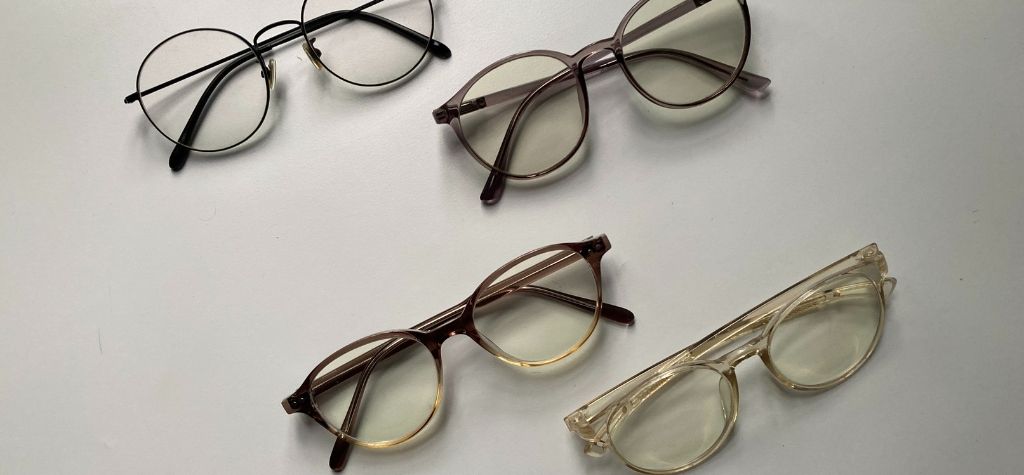
Before glasses existed, people improvised magnification tools. Roman philosopher Seneca reportedly used a glass globe filled with water to enlarge letters on a page. In tenth‑century Europe, monks polished domes of transparent quartz called reading stones so they could illuminate manuscripts. These were single lenses held over the text – not yet wearable, but a precursor to modern spectacles.
The birth of spectacles
By the late 1200s, innovators in northern Italy began fitting two reading stones into a frame that perched on the nose. Several names vie for the title of inventor, but the precise origin remains unknown. These early spectacles corrected presbyopia (difficulty focusing on near objects), enabling monks and scholars to work longer.
Crystal, luxury and exclusivity
The earliest wearable glasses were luxuries. The Orange Park Eye Center notes that the first spectacles were made from expensive crystal, putting them out of reach for most people. Because only the wealthy could afford them, spectacles became status symbols; owning a pair signified literacy, affluence and intellectual pursuits. After the printing press debuted in the 1440s, demand for reading glasses surged and the preferred material shifted from costly crystal to more affordable glass. As prices dropped, spectacles became common – but their status associations lingered.
Frames evolve: From handheld to hands‑free
Early spectacles lacked temples. Users either balanced them on their noses or held them in place with a handle. Over‑the‑ear temples, introduced in the 1700s, allowed glasses to stay on without being held. This design made constant wear practical but also exposed glasses to everyday social scrutiny. Benjamin Franklin’s bifocals and Herman Snellen’s eye chart (invented in 1862) further improved customization. By the late 19th century, glasses were widely available – and with availability came new stereotypes.
Proof of weakness: Stigma in the 18th to early 20th centuries

As spectacles shifted from occasional reading aids to full‑time wear, attitudes darkened. Dr. Neil Handley, curator of the British Optical Association Museum, explains that when constant‑use glasses appeared in the early 18th century, wearers were viewed with suspicion. People asked, “What is this person doing with this device on? Are they trying to capture my soul?”. Because glasses were associated with intensive reading and scholastic work, observers believed heavy readers became weak‑eyed and vulnerable. The term “four‑eyes” emerged, and children wearing glasses were often teased.
Early 20th‑century stereotypes
Despite their availability, glasses carried a social stigma well into the 20th century. A CEENTA (Charlotte Eye Ear Nose & Throat Associates) article notes that wearing glasses was often stigmatized in the early part of the twentieth century. Spectacles were seen as unfashionable and even unattractive. People worried that lenses would hide facial expressions and make them appear aloof or less trustworthy. Politicians avoided being photographed in spectacles to project strength; for example, the Nazi Party censored images of Adolf Hitler wearing reading glasses because leaders feared it would undermine his authority.
Myth: Glasses weaken your eyes
Another misconception held that wearing glasses makes vision worse. According to a health article reviewed by ophthalmologist Dr. Diane Hilal‑Campo, wearing glasses does not weaken your eyes. Corrective lenses reduce eyestrain and help eyes stay comfortable; vision changes over time result from aging or underlying health conditions—not from wearing spectacles. Skipping glasses or wearing an incorrect prescription, however, can cause symptoms like dry eyes, headaches and blurred vision. We’ll revisit this myth later and see how its eventual debunking paved the way for glasses’ acceptance.
Breaking the stigma: Mid‑century design and celebrity influence
By the mid‑1900s, manufacturers realized that design could change perception. The CEENTA article explains that by the 1970s glasses producers began designing frames with fashion and style in mind as much as function. This shift toward aesthetics coincided with cultural changes that made glasses trendy rather than embarrassing.
Celebrity endorsements
Celebrities played a crucial role in normalizing eyewear. The CEENTA article highlights stars like Audrey Hepburn and James Dean whose iconic on‑screen looks featured distinctive glasses. Hepburn’s oversized frames in Breakfast at Tiffany’s and Dean’s tortoiseshell spectacles in Rebel Without a Cause signaled sophistication and rebellion. Elton John pushed eyewear into flamboyant territory with colorful frames and exaggerated shapes. When movie stars and musicians wore glasses proudly, fans followed suit.
Designers embrace fashion
Fashion houses noticed the trend and launched designer eyewear lines. Materials like tortoiseshell, horn and gold turned frames into luxury accessories. Brands such as Ray‑Ban, launched in the 1930s, marketed sunglasses and optical frames to military pilots and Hollywood actors alike. By the 1960s and 1970s, wearing stylish frames signaled you were in the know. The once‑derogatory term “four‑eyes” faded as glasses became aspirational.
Glasses as fashion statements and personal branding
Modern glasses are more than corrective devices; they’re a way to express identity. Fashion psychologists argue that accessories communicate personality before you even speak. The color, shape and thickness of your frames send signals about creativity, professionalism and confidence. Today’s eyewear market caters to diverse tastes, from minimalist wire‑rimmed styles to bold, geometric acetate designs.
The power of frames: What your glasses say about you
- Bold, chunky frames often convey creativity and assertiveness. Think of thick‑rimmed “geek chic” styles popularized by tech entrepreneurs and celebrities.
- Rimless or thin metal frames suggest a professional or understated persona, ideal for those who want their eyes to take center stage.
- Colorful or patterned frames signal playfulness and individuality.
- Vintage‑inspired frames can evoke nostalgia or a love for classic aesthetics.
Retro revivals and sustainable trends
Eyewear trends often look to the past. Cat‑eye frames reminiscent of the 1950s, aviators from the 1970s and oversized 1980s silhouettes cycle back into fashion. Today’s retro revivals benefit from modern materials like lightweight acetate, flexible metal alloys and sustainable bio‑acetates. Designers also cater to eco‑conscious consumers by producing frames from recycled plastics and plant‑based polymers.
Affordable luxury
While high‑end designer frames can cost hundreds or thousands of dollars, fashion‑forward eyewear doesn’t have to break the bank. Daily Eyewear Digest’s “6 Designer Frames Under $150 That Look Expensive” shows how quality construction and stylish design are now accessible to a broader audience. This democratization of style has helped transform glasses from exclusive status symbols to everyday expressions of taste.
Glasses become high‑tech status symbols
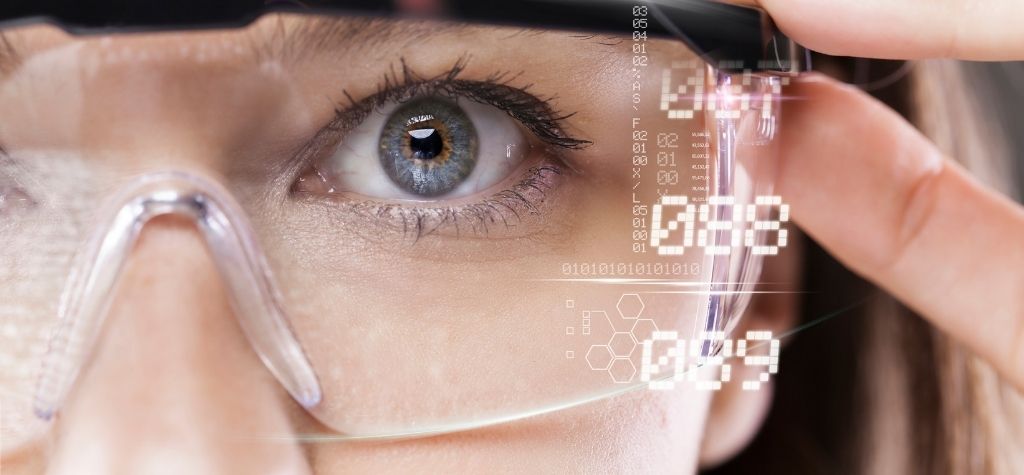
Beyond fashion, modern eyewear incorporates cutting‑edge technology. Smart glasses combine optical lenses with cameras, speakers and augmented‑reality displays. They connect to smartphones and allow wearers to stream information hands‑free. While still niche, smart glasses signal tech‑savvy prestige and command high prices.
High‑index lenses and digital free‑form designs
Advancements in lens technology also contribute to the status of eyewear. High‑index lenses bend light more efficiently, making them thinner and lighter than standard plastic lenses. Digital free‑form lenses are custom carved for each prescription, improving peripheral clarity and reducing distortions. Such innovations show that glasses aren’t just about correcting vision; they’re about optimizing performance and comfort.
Sustainable materials and ethical status
Status symbols increasingly incorporate ethics. Wearing frames made from renewable resources or recycled ocean plastics reflects a commitment to sustainability. Brands highlight ethical sourcing and fair labor practices, turning eyewear into a statement about values as much as style. This trend aligns with consumers who want their purchases to reflect social responsibility.
Debunking myths: Why glasses don’t weaken your eyes
Throughout glasses’ history, one persistent myth was that relying on lenses would “make your eyes lazy.” As noted earlier, wearing glasses does not weaken your vision. Optometrists explain that the perceived worsening of vision after wearing glasses stems from contrast: once you experience clear, sharp vision with corrective lenses, removing them makes your uncorrected sight seem worse by comparison. Vision naturally changes with age and health conditions; glasses simply correct those changes.
Evidence from eye care professionals
- Support for eye health: Dr. Hilal‑Campo notes that wearing the correct prescription reduces eyestrain and keeps eyes more rested. Skipping glasses or wearing the wrong prescription can cause headaches, dryness and eye fatigue.
- No harm in constant wear: Even if you wear glasses all the time, your eyes don’t become weaker. In fact, not wearing glasses when you need them may cause you to squint or strain, potentially leading to discomfort or injuries.
By debunking this myth, eye care professionals removed one barrier to public acceptance of spectacles. When people learned that glasses wouldn’t damage their eyes, they were more willing to adopt them—and designers were free to innovate.
How glasses became status symbols: A synthesis
Looking back, several intertwined factors propelled glasses from a mark of weakness to a symbol of status:
- Scarcity and cost: Early spectacles were made from expensive crystal, conferring wealth and exclusivity.
- Literacy and learning: Reading glasses were associated with education; wearing them signaled intelligence.
- Improved design: Innovations like temples, hinges and bifocals made constant wear practical.
- Celebrity influence: Film stars and musicians popularized distinctive frames. Their endorsement recast glasses as fashionable accessories.
- Designer brands and marketing: Luxury labels and brands like Ray‑Ban turned glasses into premium goods, while affordable fashion lines democratized the look.
- Technological advances: High‑index lenses, digital free‑form designs and smart features add performance and prestige.
- Cultural shifts: Contemporary culture values individuality and self‑expression; glasses provide a visible way to communicate identity.
Practical tips: Choosing glasses that reflect your persona

While eyewear history is fascinating, selecting the right pair remains personal. Here are some pointers:
- Know your prescription: A comprehensive eye exam ensures your glasses correct your vision without causing strain. If you experience headaches or blurred vision, consult your eye doctor.
- Match your frame to your face shape: Round faces may benefit from angular frames; heart‑shaped faces often suit bottom‑heavy frames.
- Consider your lifestyle: Heavy computer users might prefer blue‑light filtering lenses (though the American Academy of Ophthalmology notes that blue‑light glasses aren’t necessary for most people and recommends following the 20‑20‑20 rule), while athletes may opt for impact‑resistant materials.
- Invest in quality lenses: Anti‑reflective coatings, scratch resistance and high‑index materials improve comfort and durability.
- Express yourself: Don’t be afraid to choose bold colors or unique shapes. Glasses are one of the few accessories you wear on your face; let them speak to your personality.
Conclusion: More than vision correction
Glasses have traveled an extraordinary path. From 13th‑century monks polishing reading stones to 21st‑century influencers flaunting luxury frames, spectacles reflect shifting attitudes toward vision, knowledge and fashion. Once seen as proof of weakness, they now communicate status, taste and values. Understanding this evolution helps us appreciate why choosing the right pair matters: it’s not just about seeing clearly; it’s about telling the world who you are.
Today you can pick a pair that matches your personality, fits your lifestyle and even makes a statement about sustainability or technology. So the next time someone calls you a “four‑eyes,” smile—you’re continuing a legacy that transformed an essential medical device into a powerful symbol of style and success.
