
Protect Your Game and Your Vision
Professional athletes and weekend warriors alike know that clear vision is vital for winning. Yet more than 100,000 sports‑related eye injuries are recorded in the United States every year, and nearly one third involve children. Many injuries happen because people aren’t wearing proper protective gear. In fact, the American Academy of Pediatrics notes that ordinary eyeglasses or sunglasses do not provide adequate eye protection and may shatter during impact. The good news is that up to 90 percent of sports‑related eye injuries can be prevented with the right eyewear. This article explains the most important features athletes should look for when choosing performance eyewear, from impact‑resistant lenses to UV protection and fit. By the end, you’ll know how to pick a pair that protects your eyes, enhances your performance and even aligns with your style.
Key stat: Every 13 minutes an emergency room in the United States treats a sports‑related eye injury. Proper eye protection can keep you off that list.
Why Does Performance Eyewear Matter?
Eye injuries don’t just hurt — they can sideline an athlete for months or even end a career. The National Eye Institute’s Sports‑Related Eye Injuries Speaker’s Guide notes that sports injuries are a leading cause of childhood blindness. Contact sports and activities involving flying balls or sticks—basketball, baseball, racquetball and hockey—carry especially high risk. Even non‑contact sports like cycling, skiing or running pose dangers such as UV exposure, wind and debris.
Modern performance eyewear does more than shield eyes from impact. Polycarbonate lenses deliver clear optics while resisting shatter; specialized coatings reduce glare and fog; wraparound frames block dust and light from the sides; and adjustable straps ensure a secure fit even during explosive movement. When chosen wisely, performance glasses become an essential part of an athlete’s gear.
Impact‑Resistant Lens Materials
Choose Polycarbonate or Trivex for Maximum Protection
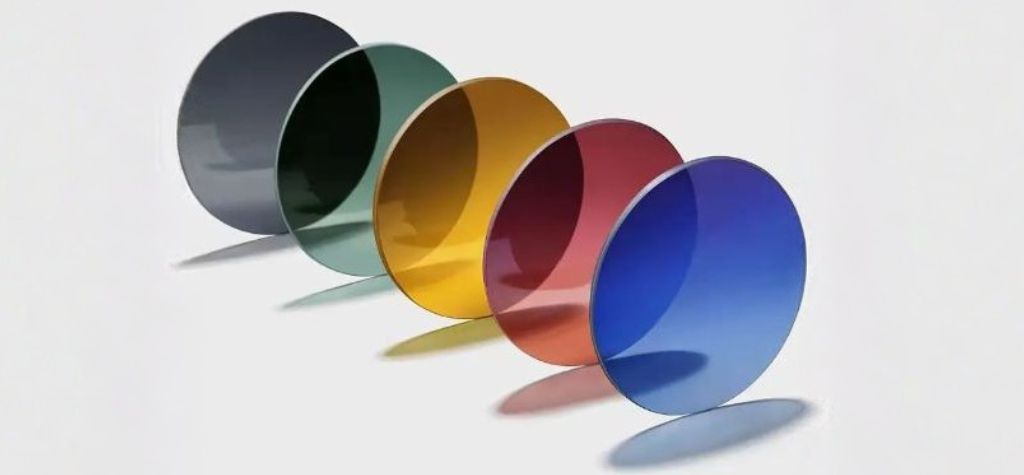
The most important feature of any sports eyewear is the lens material. Polycarbonate lenses are the industry standard for protective eyewear because they are lightweight, thin and highly impact resistant. The American Academy of Ophthalmology (AAO) explains that polycarbonate lenses resist shattering and offer inherent UV protection. In its clinical statement on protective eyewear for young athletes, the AAO calls polycarbonate “the most shatter‑resistant clear lens material” and notes that it should be used for all safety eyewear.
Another option is Trivex, a material offering similar impact protection with slightly less optical distortion. All About Vision, a consumer eye‑health resource, points out that polycarbonate and Trivex lenses are thinner and lighter than regular plastic lenses, making them more comfortable for athletes. Trivex can be a good choice for athletes who need prescription lenses but want maximum clarity.
Verify ASTM or ANSI Certification
Safety isn’t just about material; it also requires adherence to standards. The ASTM F803 standard covers protective eyewear for sports like basketball, baseball, soccer and racquet sports, while other ASTM standards apply to sports such as paintball (F1776) and skiing (F659). Prevent Blindness Texas advises that polycarbonate lenses must be used with protectors that meet the sport‑specific ASTM standard. The group urges athletes to look for the appropriate ASTM label on the product or packaging before buying.
Similarly, the ANSI Z87.1 standard covers safety eyewear for work and general eye hazard protection. The AAO recommends choosing eyewear labeled “ANSI Z87.1” for activities that involve flying debris or projectiles. When in doubt, check with your sport’s governing body or ask your eye‑care provider which standard applies.
Tip: For athletes who already wear glasses, consider an over‑the‑glasses sports eye guard that complies with ASTM F803. The AAO notes this option protects eyes while allowing athletes to keep their prescription lenses.
Ultraviolet (UV) Protection
Look for 99–100 % UVA and UVB Blocking
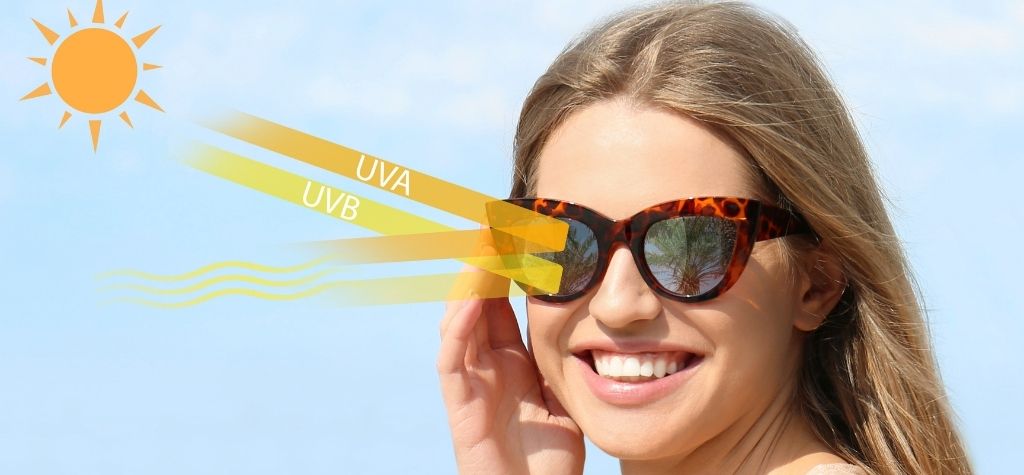
Outdoor athletes are constantly exposed to sunlight, and long‑term UV exposure can lead to cataracts, pterygium (“surfer’s eye”) and even eye cancers. The National Eye Institute recommends choosing sunglasses or goggles that block 99 to 100 percent of UVA and UVB rays (sometimes labeled “UV400”). The agency also warns that price isn’t a reliable indicator of UV protection; always confirm that the eyewear has a UV‑blocking label.
Wraparound Frames Shield Peripheral Vision
Frames that wrap around the head help protect eyes from light coming from the sides. Wraparound designs are especially beneficial in skiing, snowboarding and cycling, where snow or pavement reflects UV rays and wind can dry eyes. The NEI notes that wraparound sunglasses or goggles protect against glare and flying debris. Additionally, Prevent Blindness Texas recommends helmet‑mounted polycarbonate face shields for sports like football and hockey because they offer broad coverage and integrate with headgear.
Lens Coatings and Treatments
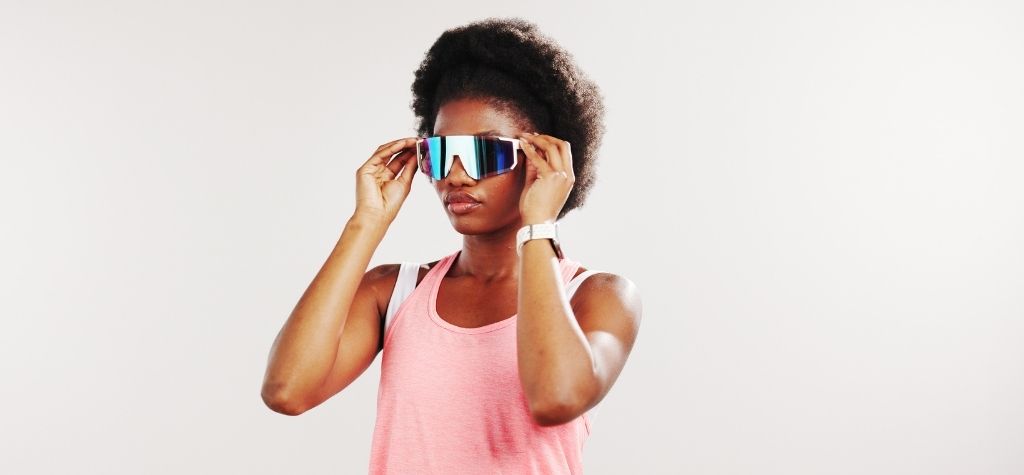
Performance eyewear lenses often incorporate specialized coatings that improve comfort and clarity in different conditions.
Anti‑Fog Coatings
When you’re sprinting down a field or hitting the slopes, fogged lenses can mean the difference between a win and a wipeout. All About Vision highlights anti‑fog coatings and vented goggles as key features for winter sports and activities that involve rapid temperature changes. Lenses may be treated with hydrophilic coatings to disperse moisture, and frames can include dual‑pane lenses or ventilation channels that reduce condensation.
Scratch‑Resistant Coatings
Even the strongest lenses will scratch over time. A scratch‑resistant coating extends the life of your eyewear and maintains clear optics. All About Vision recommends scratch‑resistant treatments for sports eyewear. Look for products labeled “hard‑coated” or “scratch‑resistant.” Keep in mind that while no coating is completely scratch‑proof, these treatments significantly reduce the risk of scuffs.
Anti‑Reflective (AR) Coatings
Anti‑reflective coatings reduce glare from harsh indoor lighting and reflective surfaces. AR coatings also improve clarity by allowing more light to pass through the lens and reducing reflections seen by other players or opponents. They are particularly useful in night sports, indoor courts and under stadium lights. When combined with polarized lenses (see below), AR coatings create crisp visuals in bright sunlight or on water.
Polarized and Photochromic Lenses
Polarized lenses block horizontally reflected light, cutting glare from water, snow and pavement. This feature can help cyclists see small cracks in the road or anglers spot fish. Photochromic lenses darken in bright light and lighten indoors, offering all‑around versatility for athletes who move between different environments. Ensure that photochromic lenses also provide 100 % UV protection.
Tinted Lenses for Sport‑Specific Performance
Different lens colors enhance contrast and depth perception in particular settings. All About Vision notes that amber or yellow tints improve contrast in low‑light conditions (helpful for skiing or shooting), brown or copper tints heighten contrast on green backgrounds (golf or field sports), and gray or green tints preserve true color perception while reducing overall brightness. When selecting a tint, think about the environment and lighting of your sport.
Fit and Comfort
Secure Yet Comfortable Fit
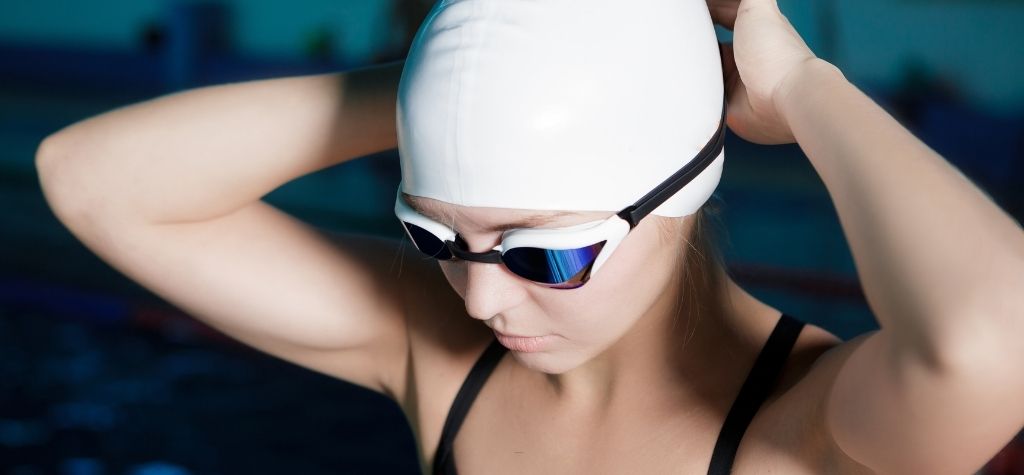
Protective eyewear must stay in place during intense activity without causing pressure points. All About Vision advises athletes to choose frames that fit snugly but not tightly, with adjustable nose pads and straps to keep them secure. Frames that dig into your skin or slide down your nose will distract you and reduce performance.
Adjustable Bridges and Nose Pads
The bridge (the part that rests on your nose) can be padded or made of rubber to enhance comfort. Nationwide Children’s Hospital suggests choosing frames with padded or rubber bridges for added comfort and deep‑grooved eye wires to hold lenses in place. Customizable nose pads help fit a wide range of face shapes and prevent slippage.
Straps and Headbands
A strap or elastic band can secure glasses during vigorous movement, especially for contact sports like basketball and soccer. Nationwide Children’s Hospital recommends headband attachments to keep frames on the head during play. Some goggles integrate adjustable straps that fit around helmets, ensuring that the eyewear stays in place even after hard impacts.
Eyewear Shape for Wide Field of View
Athletes need peripheral vision to track opponents and objects. Deep lens grooves and curved frame shapes provide a wider field of view. Make sure your eyewear doesn’t obstruct peripheral sight; wraparound designs often help, but choose frames that fit your face without blocking vision.
Helmet and Equipment Compatibility
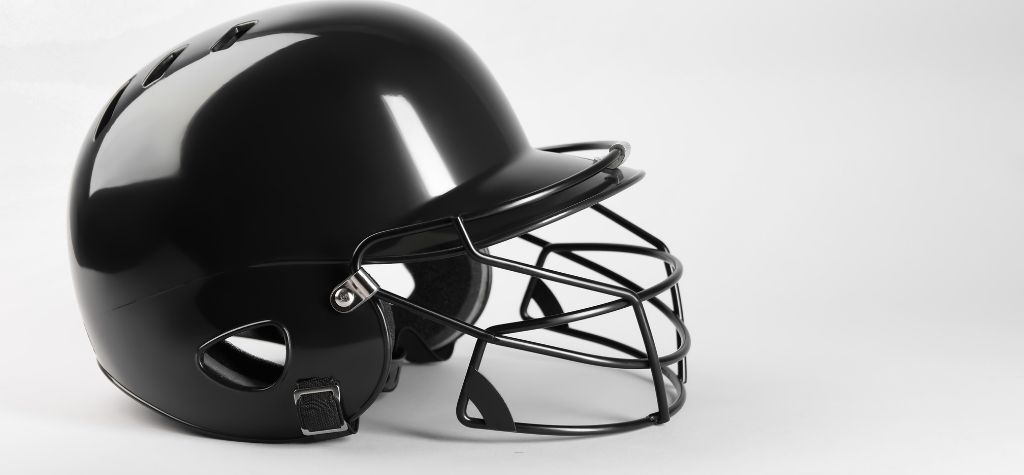
Performance eyewear should integrate seamlessly with helmets, hats or face guards used in your sport.
Face Shields for Contact Sports
In sports like football, ice hockey and lacrosse, helmets often come with face shields. Prevent Blindness Texas notes that helmet‑mounted polycarbonate faceguards or visors provide the highest level of protection for baseball and softball players. For hockey, choose a wire cage or polycarbonate shield certified by the Hockey Equipment Certification Council (HECC). These shields protect without blocking the visual field.
Over‑the‑Helmet Goggles
For skiers, snowboarders and downhill mountain bikers, goggles must fit snugly with a helmet. Many brands now design over‑the‑helmet (OTG) goggles that fit around helmets while accommodating prescription glasses. Anti‑fog coatings and vented designs are especially important in these environments.
Certification and Standards
ASTM, ANSI and CSA Standards
Certification ensures that eyewear has been tested to withstand specific types of impact. Prevent Blindness Texas stresses that athletes should look for the appropriate ASTM standard (e.g., F803 for basketball and racquet sports, F910 for youth baseball batters, F513 for ice hockey). The AAO echoes this advice, recommending certified protectors bearing the Protective Eyewear Certification Council (PECC), Canadian Standards Association (CSA), Hockey Equipment Certification Council (HECC) or National Operating Committee on Standards for Athletic Equipment (NOCSAE) seals.
For work and general safety (not sport‑specific), ensure your eyewear meets ANSI Z87.1 standards. If you engage in shooting sports or other activities with projectiles, the AAO suggests ANSI Z87.1+ rated eyewear or even military‑grade specifications such as MIL‑PRF‑32432.
Prescription Wearers: Options for Protection
Athletes who wear prescription glasses have several choices:
- Prescription sports goggles or frames made of polycarbonate. The AAO describes sports goggles with an elastic band securing them to the head, featuring 3 mm thick polycarbonate lenses.
- Over‑the‑glasses eye guards, which fit over existing prescription glasses and conform to ASTM F803.
- Contact lenses plus protective eyewear. Contacts offer no protection by themselves, so pair them with goggles or shields.
Sport‑Specific Features and Examples
Ball Sports (Basketball, Baseball, Racquet Sports)
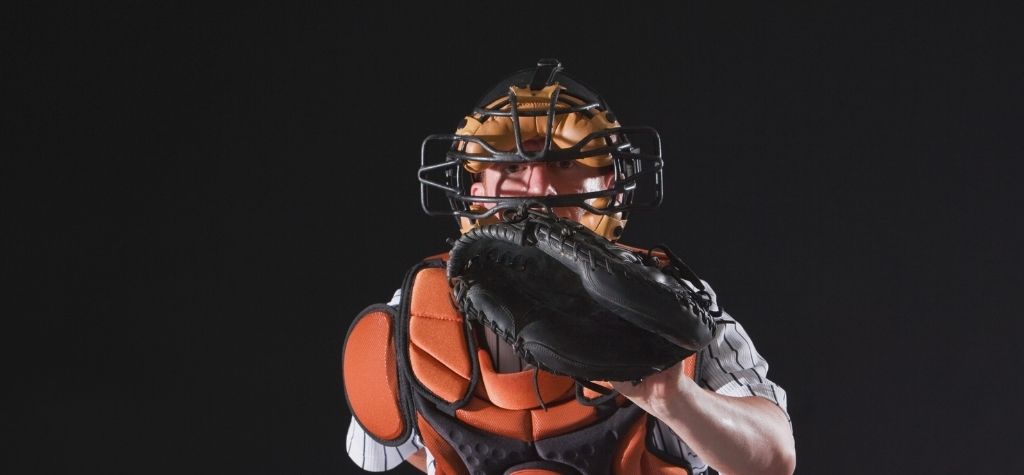
These sports involve high‑velocity balls that can impact the eye at unpredictable angles. Opt for sports goggles or spectacles that are approved for ASTM F803. Prevent Blindness Texas recommends sports eye guards for baseball, softball and basketball. For soccer and racquet sports, similar F803‑approved goggles provide protection without obstructing vision.
For baseball and softball batters, faceguards attached to helmets meet ASTM F910. Fielders can wear F803‑rated sports goggles. Basketball players should wear goggles with adjustable straps and vented frames to prevent fogging. The AAO emphasises that ordinary prescription glasses are not adequate; they can shatter and cause greater injury.
Collision and Contact Sports (Football, Hockey, Lacrosse)
Contact sports require integrated face protection. Use a polycarbonate visor or shield attached to the helmet. Prevent Blindness Texas notes that such visors add UV protection and guard against objects penetrating the helmet grid. In hockey, choose equipment certified by HECC and CSA and ensure the visor does not obstruct the player’s peripheral vision. Women’s lacrosse players should wear goggles meeting ASTM F3077 and carrying the Safety Equipment Institute (SEI) mark.
Snow and Water Sports
Skiers and snowboarders need high‑impact resistant goggles meeting ASTM F659 with UV protection. Anti‑fog coatings and ventilation channels are critical in cold environments. Water skiers and surfers should choose goggles or sunglasses with a strap and floating frames to prevent loss in the water.
Cycling and Running
Cyclists and runners need eyewear that blocks wind, dust and insects while maintaining a wide field of view. Lightweight frames with wraparound lenses and anti‑fog coatings are ideal. Polarized lenses reduce glare from the road, while tinted options like rose or amber improve contrast on cloudy days.
Court Sports and Indoor Activities
Indoor athletes—gymnastics, volleyball, indoor track—should consider clear or lightly tinted lenses with anti‑reflective coatings to reduce glare from overhead lighting. Since UV exposure is minimal indoors, focus on impact resistance and comfortable fit.
Comfort and Aesthetics Matter
Performance eyewear should feel like an extension of your body. All About Vision emphasizes the importance of choosing frames that are not too small vertically—especially for older athletes using multifocal lenses—because larger lenses provide a fuller field of vision and accommodate multifocal prescriptions. While aesthetics are secondary to safety, athletes today can choose from sleek designs and colorways that complement their team uniform or personal style.
Eco‑Friendly and Sustainable Options
Today’s athletes are increasingly conscious of environmental impact. Many brands now offer sustainable performance frames made from bio‑based plastics or recycled materials. For example, Mazzucchelli M49 bioplastic uses wood pulp and vegetable‑derived plasticizers, resulting in a material that is 68 percent natural and biodegradable. Acetate Renew incorporates recycled content and bio‑based polymers. Athletes who care about sustainability can look for frames using these materials and consider companies that offset carbon emissions or partner with environmental organizations. To dive deeper into eco‑eyewear trends, see our guide on Eco‑Eyewear in 2026 (internal link) for a comprehensive review of sustainable frames and materials.
Maintenance and Care Tips
Protective eyewear only works when it’s in good condition. Follow these practices to extend the life of your glasses or goggles:
- Clean lenses regularly with a microfiber cloth and lens cleaner. Avoid using paper towels or shirts that can scratch lenses.
- Store eyewear in a hard case to prevent accidental crushing.
- Inspect frames and straps before each use. Replace eyewear that shows cracks, deep scratches or yellowing.
- Follow manufacturer instructions for replacing anti‑fog inserts or vent plugs.
- Have periodic eye exams. The NEI emphasises that comprehensive eye exams can detect pre‑existing conditions and ensure your prescription is up to date.
For more tips on caring for your glasses and avoiding common mistakes, check out our article “6 Silent Rules Glasses Wearers Follow Without Realizing It” (internal link), which covers cleaning habits, storage and handling.
Conclusion: Choose Wisely, Play Confidently
Choosing performance eyewear is not about wearing any pair of sunglasses or goggles. It’s about finding gear that protects your eyes, enhances your vision and matches your sport’s demands. The statistics speak for themselves: nearly one sports‑related eye injury occurs every 13 minutes, but up to 90 percent of these injuries can be prevented with proper eyewear. Look for polycarbonate or Trivex lenses, verify ASTM/ANSI certification, ensure 99–100 % UV protection, choose tints and coatings that suit your environment, and prioritise fit and comfort. Remember that ordinary glasses offer no protection and may even cause additional injury.
As you prepare for your next game or adventure, invest in eyewear that delivers on safety and performance. Consult your eye‑care professional to find the best combination of features, and don’t forget to explore sustainable options and proper maintenance. With the right gear on your face, you can focus on playing your best—confident that your eyes are protected
