

In our modern world, screens are everywhere. We stare at phones, computers and televisions for hours, and our eyes take the brunt of that constant focus. This often leads to symptoms such as eye strain, headaches, blurred vision or simply tired eyes. While glasses, drops and breaks from screens are important, many people are also curious about gentle, non‑invasive ways to care for their vision. One such practice is acupressure—the art of applying gentle pressure to specific points on the body to encourage balance and relief. Though rooted in Traditional Chinese Medicine, acupressure has gained popularity worldwide as a self‑care tool. This article gives you a complete overview of acupressure points for the eyes, explains what science says about their benefits, and teaches you how to use them safely at home.
Understanding Acupressure
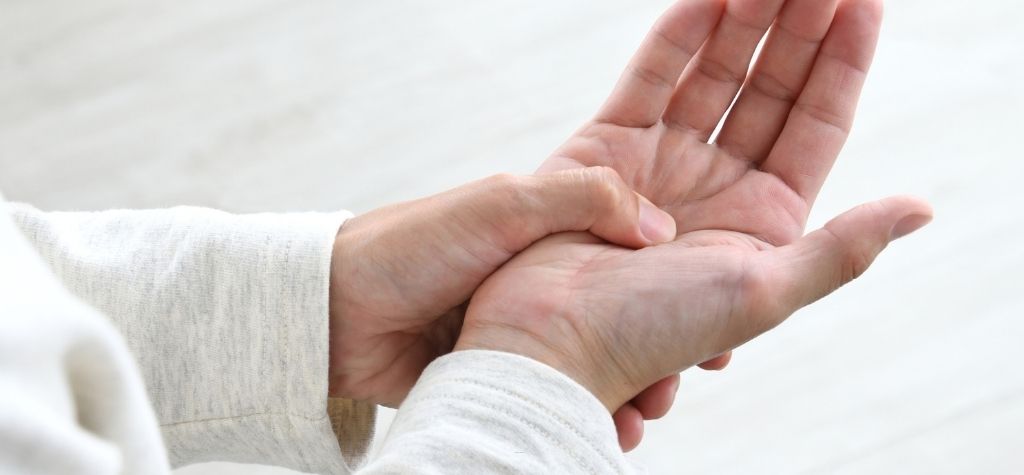
Acupressure is based on the same energetic principles as acupuncture. In Traditional Chinese Medicine (TCM), the body contains channels or meridians through which life energy—called qi—flows. Acupressure points are specific locations along these meridians. When you gently massage or press these points, you may encourage healthy flow of qi and support different organs and functions. Unlike acupuncture, which uses fine needles, acupressure is performed with the fingertips or thumbs. According to a Healthline overview, acupressure points are part of TCM and may promote overall wellness. Massaging these points should create a feeling of firm but comfortable pressure, not pain.
Modern integrative health organizations also describe acupressure as a self‑help technique for managing pain, stress, nausea and fatigue. The Mayo Clinic pain management guide notes that acupressure is one of the world’s oldest therapies and can be used as often as needed, so long as pressure is gentle and not over surgical sites. Because it does not puncture the skin, acupressure is generally safe for self‑care when performed correctly. However, pregnant people should avoid certain points (such as LI‑4), and anyone with a serious eye condition should consult a healthcare professional before starting.
How Eye Strain Develops
Eye strain happens when we overuse the muscles that focus and move our eyes. Staring at close screens reduces blinking, which dries the surface of the eye. The long hours spent indoors can lead to dry eye syndrome—a condition affecting 5 % to 35 % of adults worldwide. Symptoms of dry eye include redness, dryness, itchiness, photophobia and a feeling of sand in the eyes. In addition to dryness, headaches around the temples, mental stress, and even blurry vision can arise from prolonged screen time. When such issues are mild, lifestyle changes and acupressure may provide comfort. Yet severe or sudden changes in vision always warrant medical evaluation.
Evidence for Acupressure and Eye Health
Scientific research on acupressure for eye health is still emerging, but a few studies offer promising insights:
- Dry eye relief. A 2023 systematic review examined seven randomized controlled trials of auricular acupressure—stimulation of ear points—to treat dry eye disease. Compared with artificial tears alone, auricular acupressure significantly improved tear breakup time and Schirmer test scores (measures of tear production), and reduced symptom scores. These benefits were greater when acupressure was combined with artificial tears. No significant improvement in corneal staining was found, so more high‑quality trials are needed.
- Anxiety and stress reduction. The Yintang or “Third Eye” point (also called EX‑HN 3) is located between the eyebrows. In a randomized clinical trial involving patients undergoing coronary angiography, 20 minutes of acupressure at this point reduced anxiety and stress scores and lowered blood pressure and heart rate. A separate review of five RCTs found that acupressure or acupuncture on Yintang consistently reduced preoperative anxiety.
- Eye and headache relief. Licensed acupuncturists report that massaging points around the eye socket can ease tension headaches, eye twitching, and blurred vision. In addition, a University of Minnesota self‑care guide lists the Taiyang point at the temple as helpful for temporal headaches. It is located in the tender depression between the eyebrow and eye, and massaging it may relieve pain in the temples.
Despite these findings, acupressure should not replace medical treatment for serious eye diseases. Instead, consider it a complementary practice that may promote relaxation and comfort. Always seek professional care for persistent eye problems or systemic diseases like glaucoma, macular degeneration or infections.
Safety Tips and Contraindications
Before diving into the specific points, review these safety guidelines:
- Consult your healthcare provider if you have existing eye diseases (e.g., glaucoma, cataracts, macular degeneration) or systemic conditions (e.g., diabetes). Acupressure is complementary, not a replacement for medical care.
- Use clean hands. Wash your hands thoroughly before touching the skin around your eyes to prevent infection.
- Apply gentle pressure. Acupressure should not hurt. Press or massage the point until you feel a firm sensation but no sharp pain.
- Duration and repetition. Hold or massage each point for 10–15 seconds, then release for the same amount of time. Repeat 6–10 times. Breathe slowly and deeply throughout.
- Avoid contraindicated points during pregnancy. Certain points such as LI‑4 (located between the thumb and index finger) are traditionally avoided because they may stimulate uterine contractions.
- Stop if discomfort occurs. If you experience pain, dizziness, worsening of symptoms or swelling around the eyes, discontinue the practice and seek medical advice.
Key Acupressure Points for the Eyes
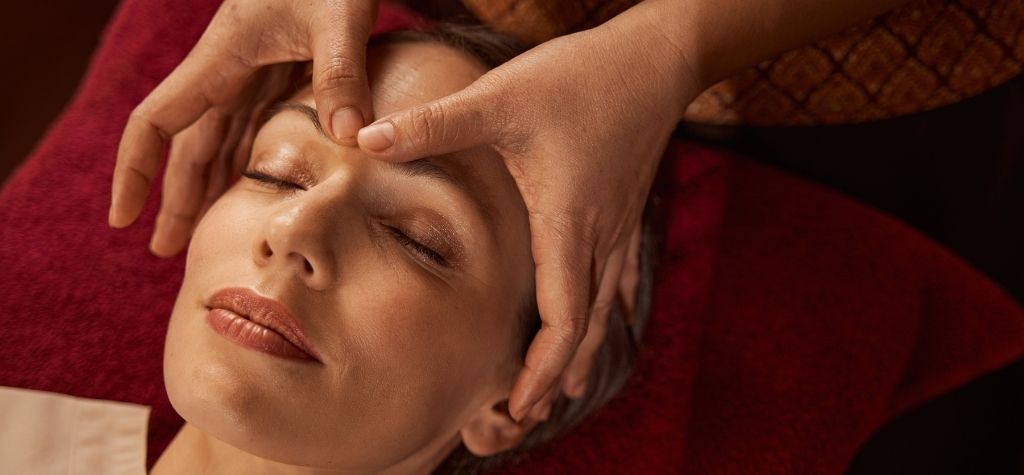
The points below are organized by region: eye area, temple and forehead, hand, ear and other body points that influence vision. Each point name is followed by its TCM channel abbreviation and number, location and common indications. Remember that Chinese medicine names may sound unusual; focus on the location and how to locate each point.
Eye Area Points (Orbit)
Zan Zhu (BL‑2) – Inner Brow Point
- Location: At the inner edge of each eyebrow, in the small depression near the bridge of the nose.
- How to find it: Feel for the notch where the eyebrow meets the nose. Use both index fingers to apply gentle pressure or small circular massage.
- Uses: Commonly used for red, itchy or painful eyes, excessive tearing, allergies and headaches. It also helps relieve sinus pressure.
Si Zhu Kong (SJ‑23) – Outer Brow Point
- Location: At the end of the eyebrow, near the temple.
- Uses: Helpful for headaches and migraine pain associated with eye strain. It can also ease facial tension and jaw tightness.
Cheng Qi (ST‑1) – Under‑Eye Point
- Location: Directly under the center of the eye, on the infraorbital bone.
- Uses: Used to relieve conjunctivitis, eye redness, swelling, pain and twitching. Because it sits close to the eye, be gentle and avoid pressing too hard.
Yang Bai (GB‑14) – Forehead Eye Point
- Location: Above the pupil, about one thumb’s width above the eyebrow.
- Uses: May help relieve headaches, frontal sinus congestion, eye twitching and even support glaucoma management. Always consult a doctor for glaucoma; acupressure is complementary.
Jingming (UB‑1) – Bright Eyes Point
- Location: At the inner corner of the eye where the upper and lower eyelids meet.
- Uses: According to the Pacific College of Health and Science, this point is used for various eye problems, from early‑stage cataracts or glaucoma to sudden vision loss. It is thought to improve blood flow to the retina. Because of its sensitivity, press very gently.
Yuyao – Mid‑Brow Point
- Location: In the hollow at the midpoint of each eyebrow.
- Uses: Traditionally used for eye problems linked to mental strain, worry or excessive study. Massaging this point may ease tension headaches that arise from frowning or reading.
Tongziliao (GB‑1) – Pupil Crevice
- Location: In the depression on the outside corner of each eye socket.
- Uses: Used for conjunctivitis, red sore eyes, photophobia, early‑stage cataracts and blurred vision. It may also relieve lateral headaches around the temples.
Sizhukong (SJ‑23) – Silk Bamboo Hollow
- Location: Same as Si Zhu Kong; at the outer end of the eyebrow.
- Uses: Provides local relief for eye and facial problems.
Qiuhou
- Location: Midway between ST‑1 and GB‑1 along the orbital rim.
- Uses: This secondary point is used in acupuncture for various eye diseases. If you attempt acupressure here, apply extremely gentle pressure and consult a professional first.
Temple and Forehead Points
Taiyang (EX‑HN 5) – Supreme Sun Point
- Location: In the tender depression in the temple between the eyebrow and the outer edge of the eye.
- Uses: Relieves temporal headaches, eye pain and migraines. Because of its position near the temple, massage in slow circles and avoid pressing too hard.
Yintang (EX‑HN 3) – Third Eye Point
- Location: Between the eyebrows, just above the bridge of the nose.
- Uses: Known for its calming effect. Clinical trials show that pressing this point for about 20 minutes can significantly reduce anxiety, stress and heart rate. A review of randomized controlled trials found consistent anxiety reduction when acupressure or acupuncture was applied to Yintang. People also use it to alleviate frontal headaches, insomnia and sinus discomfort.
Hand and Other Body Points Influencing Eye Health
Acupressure theory views the body holistically. Points distant from the eyes can still influence eye health because of meridian pathways.
LI‑4 (Hegu) – Joining Valley
- Location: On the dorsum of the hand, between the thumb and index finger. When you press your thumb and index finger together, LI‑4 is at the highest point of the bulge between them.
- Uses: Used for headaches, facial pain and sinus problems. It is part of many headache acupressure protocols. Caution: avoid this point during pregnancy.
GB‑20 (Fengchi) – Wind Pool
- Location: At the base of the skull, in the hollow on each side of the neck.
- Uses: Helps relieve headaches, neck tension and eye fatigue. Apply gentle pressure with your thumbs while supporting the head with your fingers.
Ear Points (Auricular Acupressure)
Auricular acupressure involves stimulating specific points on the ear with small magnets or seeds. The 2023 systematic review found that auricular acupressure, either alone or combined with artificial tears, improved tear breakup time and Schirmer test scores in dry eye disease. Common ear points for eye health include Eye Region, Shen Men (a calming point) and Liver points. Because the ear contains many nerves, consult a trained acupressure practitioner before attempting auricular methods.
Step‑by‑Step Self‑Acupressure Routine
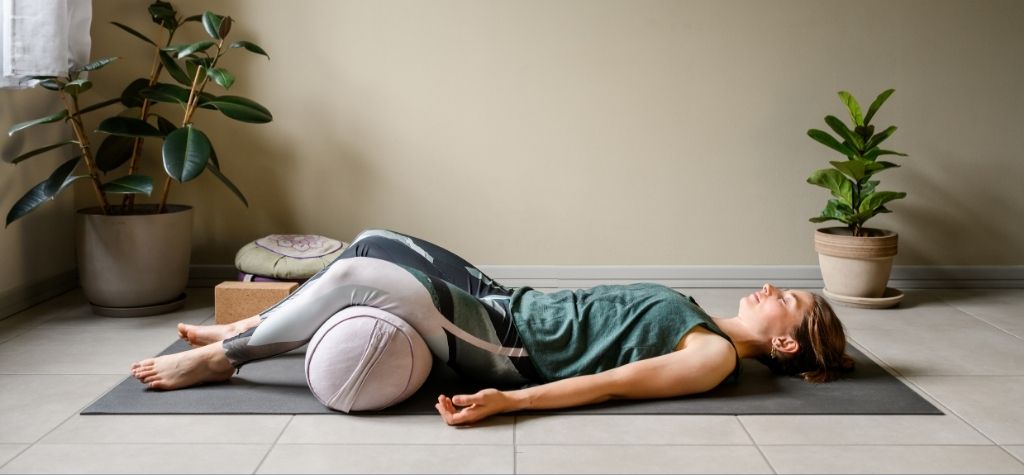
Below is a simple routine you can try at home. Remember to breathe deeply and relax. If any point feels uncomfortable, lighten your touch or skip it altogether.
- Prepare your space. Sit or lie down in a comfortable position. Wash your hands thoroughly and, if desired, apply a drop of lubricating eye drops to reduce dryness.
- Begin with Yintang (Third Eye). Using your index or middle finger, apply gentle circular pressure between your eyebrows for 30 seconds. Take slow breaths. This helps calm the mind and sets the tone for the routine.
- Massage Zan Zhu (BL‑2). With both index fingers, press the inner ends of your eyebrows. Hold for 10 seconds, release for 10 seconds and repeat 6–8 times.
- Move to Yuyao. Massage the midpoint of each eyebrow using small circles. This can ease eye strain from reading.
- Gently press Cheng Qi (ST‑1). Using clean fingers, place pads directly under the center of each eye on the bone. Press lightly for about 10 seconds, release and repeat. Do not press hard or on the eyeball.
- Stimulate Si Zhu Kong (SJ‑23) and Tongziliao (GB‑1). With your fingertips, massage the outer ends of the eyebrows and the outside corners of the eye sockets. These points ease headaches and redness.
- Press Jingming (UB‑1). Carefully press the inner corners of the eyes near the nose. Because this area is sensitive, use a feather‑light touch.
- Finish with Taiyang. Place your ring fingers on the temples (the tender depressions between the eyebrows and the outer edges of the eyes) and massage in small circles for 30 seconds. This can melt away lingering tension.
- Optional: LI‑4 and GB‑20. For general headache relief, squeeze LI‑4 on one hand and then the other for 15 seconds each. To release neck tension and improve circulation to the head, massage GB‑20 at the base of your skull.
- Hydrate and rest. After finishing, drink water and rest your eyes by closing them for several minutes. Consider following the 20‑20‑20 rule: every 20 minutes, look at something 20 feet away for at least 20 seconds.
Frequency and Consistency
You can practice this routine once or twice daily. Some people prefer morning sessions to wake up the eyes, while others use acupressure before bed to reduce digital eye strain. The key is consistency. Over time, regular practice may help train your body to relax more quickly when you begin stimulating the points.
Lifestyle Tips to Support Eye Health

Acupressure works best when paired with healthy habits. To keep your eyes in top shape:
- Take regular screen breaks. Follow the 20‑20‑20 rule to reduce eye fatigue.
- Blink often and fully. Conscious blinking helps keep the eyes lubricated.
- Stay hydrated. Drink plenty of water. Dehydration can contribute to dry eye symptoms.
- Eat nutrient‑rich foods. Vitamins A, C, E, zinc and omega‑3 fatty acids support retinal health. Dark leafy greens, carrots, citrus fruits, nuts and fish are good choices.
- Protect your eyes outdoors. Wear sunglasses that block UVA and UVB rays to prevent sun damage.
- Manage allergies. If you have seasonal allergies, talk to a healthcare provider about treatment. Avoid rubbing your eyes, as this can worsen irritation.
- Get regular eye exams. Eye professionals can detect early signs of disease and ensure that your vision correction is up to date.
- Practice stress management. Since stress contributes to headaches and eye tension, incorporate relaxation techniques like meditation, deep breathing or gentle yoga. Acupressure at Yintang may complement these practices.
Frequently Asked Questions (FAQs)
1. Can acupressure improve eyesight?
Acupressure may relieve tension, dryness and discomfort around the eyes, which can make your vision feel clearer. Some practitioners claim that stimulating points like Jingming (UB‑1) and Tongziliao (GB‑1) can slow the progression of cataracts or improve nearsightedness. However, there is no conclusive scientific evidence that acupressure alone can permanently improve visual acuity. Use it as a relaxing self‑care method rather than a cure.
2. Is acupressure safe for children?
Applying very gentle pressure to a child’s hands (LI‑4) or temples (Taiyang) may help soothe headaches or eye strain from study. Nevertheless, children have delicate tissues, so always consult a pediatrician or licensed acupuncturist before trying acupressure on children. Avoid pressing points near the eyes unless directed by a professional.
3. How quickly will I notice results?
Some people feel immediate relief from tension or dryness after a few minutes of acupressure. For chronic issues like dry eye, regular practice over several weeks may be needed to notice sustained benefits. Research on auricular acupressure in dry eye disease observed improvements after several weeks of daily sessions.
4. Can acupressure replace medication?
No. Acupressure is a complementary practice. For conditions such as glaucoma, cataracts, severe dry eye, infections or systemic diseases, follow your doctor’s treatment plan. Use acupressure to support relaxation and comfort, not as a substitute for medical care.
5. What if pressing points causes pain or dizziness?
Stop immediately and consult a healthcare provider. Pain may indicate that you are pressing too hard or that the area is inflamed. Dizziness can also occur if you hold your breath or press very deeply. Always breathe deeply and apply gentle pressure.
Conclusion and Takeaway
Acupressure offers a simple, drug‑free way to support eye comfort in an age dominated by screens. By understanding where key points are located—such as Zan Zhu at the inner brow, Si Zhu Kong at the outer brow, Cheng Qi under the eye, and the calming Yintang between the eyebrows—you can gently massage your way to relief. Clinical studies show that auricular acupressure can improve dry eye symptoms and that pressing Yintang can reduce stress and lower heart rate. Remember to pair acupressure with healthy habits like regular breaks, hydration, nutrition and protective eyewear. If you have chronic or serious eye conditions, always seek professional care. When practiced mindfully and consistently, acupressure can become a valuable part of your holistic eye‑care routine.
