

Everyone who wears glasses has faced tiny scratches. These marks scatter light and make it hard to see. Luckily, modern lenses can be treated so they resist scratches. Scratch‑resistant lens technology adds thin protective layers that guard against everyday damage. These coatings have improved over decades and even draw on NASA research. In this article you’ll learn how they work, their benefits and what to consider before choosing them.
1. Scratch‑Resistant Lenses Are Not Scratch‑Proof
It’s important to know that no lens is completely scratch‑proof. Glass, plastic and high‑index lenses can all be damaged if dragged across a rough surface. Scratches cause glare, scatter light and shorten the life of your glasses. Scratch‑resistant coatings add a hard layer to the lens surface that makes it much harder to scratch. They help lenses survive daily wear, but deep or sharp impacts can still leave marks. Think of these coatings as armor against minor abrasions, not an indestructible shield.
“While no lens is completely scratch‑proof, scratch‑resistant coatings help protect plastic and other lens materials from everyday abrasions”.
2. The Technology Came From Space
Early scratch‑resistant coatings began with space research. In the 1980s, scientists at NASA’s Lewis Research Center needed a way to protect plastic helmet visors and instruments. They developed a process to deposit a diamond‑like carbon (DLC) film on plastic surfaces. This material is extremely hard and slick, so it resists scratches and sheds water. The technology was later licensed to an optical company and applied to sunglass lenses. Ray‑Ban Survivors® sunglasses used this DiamondHard® coating and were marketed as 10 times more scratch‑resistant than conventional glass lenses. This innovation shows how space exploration can bring benefits back to everyday products.
3. How Scratch‑Resistant Coatings Work
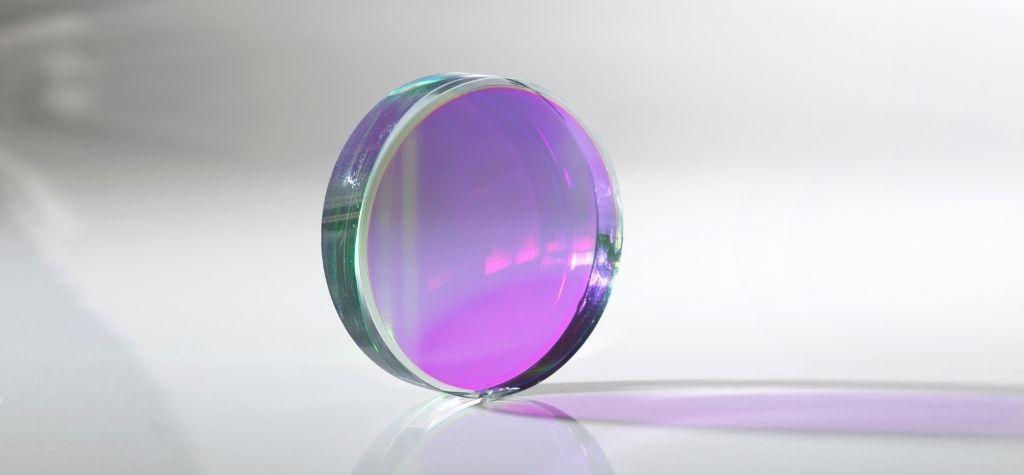
Scratch‑resistant coatings create a tough, clear layer on top of the lens. There are two common application methods:
- Vacuum deposition: A vapor of silicon dioxide or similar material is deposited on the lens in a vacuum chamber. This forms a thin, uniform hard coat.
- Dip or spin coating: Lenses are dipped into or spun through a liquid coating that cures to form a protective film.
Many modern lenses use multi‑layer coatings. A primer improves impact resistance; a hard coat provides scratch protection; an anti‑reflective stack reduces glare; and a top coat adds hydrophobic and oleophobic properties. The hydrophobic layer repels water, while the oleophobic layer resists oils and smudges. Together, these layers protect the lens and make it easier to clean.
4. Lens Materials Matter
Different lens materials have varying natural resistance to scratches, weight and clarity. Understanding these differences helps you choose the right coating.
Glass Lenses
- Glass offers superior optical quality and has the most scratch‑resistant surface.
- Disadvantages include heavy weight and low impact resistance. Tempered glass improves shatter resistance, but this protection is lost if the lens is scratched.
- High‑index glass lenses cannot be tempered and may require a waiver due to breakage risk.
Plastic (CR‑39) Lenses
- Plastic lenses are lighter than glass and have good optical quality.
- Their surface is softer and easier to scratch, so scratch‑resistant coatings are necessary.
- They block about 80 % of ultraviolet light without treatment and can be tinted or coated for more UV protection.
Polycarbonate Lenses
- Polycarbonate lenses are lightweight, thin and have excellent impact resistance.
- They are ideal for children, sports and safety eyewear.
- The downside: polycarbonate is the most easily scratched plastic, so it requires a scratch‑resistant coating.
Trivex Lenses
- Trivex provides high impact resistance and good optical quality.
- It blocks nearly all UV light and is the lightest lens material.
- The material has a low refractive index and therefore needs thicker lenses for high prescriptions. A scratch‑resistant coating is required.
High‑Index Lenses
- High‑index lenses have a refractive index of 1.60 or higher. They bend light more efficiently, so they are thinner and more cosmetically attractive for strong prescriptions.
- The weight, optical quality and impact resistance vary by material.
- These lenses often need coatings to improve durability and reduce reflections. Many high‑index plastics include built‑in scratch resistance but still benefit from an extra hard coat.
5. Benefits of Scratch‑Resistant Coatings

Stronger, Longer‑Lasting Lenses
Adding a scratch‑resistant coating makes lenses tougher against daily wear. According to an eye clinic, the hard layer reduces minor scratches from cleaning, drops or sliding glasses across a surface. With fewer scratches, you don’t need to replace lenses as often, saving money in the long run.
Clearer Vision
Even small scratches scatter light and can create glare, especially at night. A scratch‑resistant coating keeps the lens smooth so light passes through cleanly. This improves visual clarity and reduces eye strain and headaches.
Works on All Lens Types
Scratch‑resistant coatings can be applied to almost any lens material, including plastic, polycarbonate and high‑index lenses. This versatility means you can protect your glasses regardless of your prescription or frame style.
Perfect for Active Lifestyles
Active people and children benefit greatly from scratch‑resistant lenses. The coating helps lenses withstand drops and rough handling. People who work outdoors or play sports appreciate that their lenses stay clear under harsher conditions.
6. Hydrophobic and Oleophobic Layers Keep Lenses Clean
Many modern coatings combine scratch resistance with hydrophobic and oleophobic properties. A hydrophobic layer makes water bead up and roll off the lens, which prevents droplets and fogging. An oleophobic layer resists oils, fingerprints and smudges. These features reduce cleaning time and help your vision stay sharp even in wet or humid conditions.
Hydrophobic coatings are especially useful in rainy climates or when moving between cold and warm environments. Combined with a hard coat, they provide a smooth surface that repels debris and keeps lenses clear.
7. Caring for Scratch‑Resistant Lenses

Even though scratch‑resistant coatings protect your lenses, proper care is still important. Follow these tips to extend the life of your glasses:
- Use a microfiber cloth: Gently wipe your lenses with a clean microfiber cloth. Avoid paper towels, tissues or clothing, which can cause scratches.
- Rinse before wiping: Dust and grit can scratch lenses. Rinse them under lukewarm water before wiping to remove particles.
- Use lens cleaning solution: Spray both sides with a cleaning solution or mild soap to remove oils. Avoid household cleaners containing ammonia.
- Store glasses in a case: Protect your lenses from scratches by keeping them in a protective case when you’re not wearing them.
- Avoid extreme temperatures: Don’t leave glasses in hot cars or near heat sources. Heat can damage coatings and distort frames.
8. Who Should Consider Scratch‑Resistant Lenses?
Scratch‑resistant coatings add value for many wearers. They are particularly beneficial for:
- Children and teens: Kids are rough on their glasses. A scratch‑resistant layer helps their lenses stay clear.
- Active adults: Athletes, construction workers and anyone with an active job get extra durability and clarity.
- High‑index lens users: Thin lenses used for high prescriptions often include built‑in scratch resistance. Adding a hard coat further protects your investment.
- People seeking convenience: If you want lenses that resist scratches, water and smudges, look for multi‑layer coatings with hydrophobic and oleophobic properties.
9. Future Innovations and Trends
Scratch‑resistant technology continues to evolve. Researchers are developing nanocomposite coatings and multi‑stack films that improve hardness and add self‑cleaning functions. The meta‑analysis on ophthalmic lenses notes that combining materials and treatments allows lenses to meet both functional and aesthetic demands. Some key trends include:
- Multi‑function coatings: Combining anti‑reflective, scratch‑resistant, hydrophobic and even blue‑light filtering layers into one thin stack.
- Nanotechnology: Using nanoparticles to create harder surfaces and self‑healing materials. These nanocomposites could repair minor scratches on their own.
- Eco‑friendly processes: Developing sustainable coating methods that reduce environmental impact while maintaining performance.
- Space‑inspired materials: Ongoing research into diamond‑like carbon and other space‑grade coatings could bring even harder and more durable lenses to everyday eyewear.
Conclusion: Protect Your Lenses and See Clearly
Scratches may seem minor, but they can affect your vision and shorten the life of your glasses. Scratch‑resistant lens technology combines hard coatings, hydrophobic layers and modern materials to guard against everyday damage. The technology’s roots in NASA research show how advanced science improves daily life. While no lens is scratch‑proof, choosing the right material and coating can make a big difference in comfort and durability.
If you’re buying new glasses, talk to your eye care provider about scratch‑resistant coatings. Consider your lifestyle, prescription and budget. By investing in protective coatings and caring for your lenses properly, you’ll enjoy clearer vision and longer‑lasting eyewear.
