
We live in a hyper‑connected world where our eyes are constantly engaged. Between glowing screens, environmental stressors and the natural aging process, it’s no wonder more people feel anxious about their eyesight. In 2026, “vision anxiety” has become a common concern, especially as public health campaigns remind us of the importance of eye exams. This article examines ten factors driving this rise in vision‑related worries and offers practical steps to keep your eyes healthy.
1. Digital screen time is exploding
More of our work, learning and entertainment happens on digital devices. A 2022 systematic review and meta‑analysis of 45 studies found that each additional hour of screen time increases the odds of developing myopia (nearsightedness) by 21 percent, and the risk climbs sharply when screen use exceeds four hours a day. The same analysis noted that the odds ratio for myopia rose from 1.05 for one hour of daily screen time to 1.97 for four hours. Spending long stretches at a computer can also cause digital eye strain—symptoms include blurred vision, double vision, dry eyes, headaches and neck pain.
Why this fuels anxiety
- Unclear vision after device use: People may notice their eyes feel dry or their vision blurs after scrolling for hours, prompting worries about long‑term damage.
- Constant notifications: The inability to detach from screens makes it harder for eyes to rest and encourages doom‑scrolling of health‑related news, which can heighten health anxiety.
Tip
Follow the 20‑20‑20 rule: every 20 minutes, look at something 20 feet away for 20 seconds. This simple habit reduces digital eye strain and helps reset focus.
2. Myopia is rising among children and teenagers
Myopia has become a global epidemic. Studies linking increased near work (reading or screen use) and reduced outdoor time to myopia show a clear dose‑response relationship. In children, less exposure to natural sunlight and more time spent on tablets may cause the eye to elongate, leading to nearsightedness.
Evidence
- The meta‑analysis above reported that each additional hour of daily screen time raises myopia risk.
- Exposure to outdoor light is protective—when children spend more time outside, their eyes receive sunlight that helps regulate growth, reducing myopia progression.
Why this fuels anxiety
Parents worry about the long‑term effects of remote learning, streaming and gaming on their kids’ vision. The idea of children needing glasses or contact lenses at ever‑younger ages can be distressing. In addition, awareness of the link between high myopia and sight‑threatening complications such as retinal detachment adds to parental concern.
Tip
Encourage outdoor play for at least two hours a day whenever possible. Outdoor light stimulates dopamine release in the retina, slowing eye elongation.
3. Air pollution and climate change affect eye health

Many people associate air pollution with lung and heart problems, but researchers have linked it to vision issues as well. A study of children in the United Kingdom found that those living in areas with cleaner air had better unaided vision; exposure to fine particulate matter and nitrogen dioxide was associated with worse vision. The authors suggested that air pollution can cause inflammation and oxidative stress in the eyes and may reduce exposure to beneficial outdoor light, which could contribute to myopia. They also described air pollution as a modifiable risk factor, along with genetics and screen time.
Why this fuels anxiety
- Environmental worry: Media reports about wildfires, smog and poor air quality raise fears that pollution could harm eyesight.
- Dry eyes and irritation: Polluted air can make eyes feel gritty or itchy, leading people to worry that something is seriously wrong.
Tip
Check daily air quality reports. On high‑pollution days, limit outdoor activities or wear wraparound sunglasses to protect your eyes from irritants. Use indoor air purifiers and take breaks in green spaces when possible.
4. Artificial light and blue light exposure disrupt sleep and strain eyes
Artificial lighting and energy‑efficient bulbs have transformed our nights. However, blue wavelengths (400–500 nm) can suppress melatonin and disturb sleep. Harvard Health explains that blue light at night can shift our circadian rhythms, leading to poor sleep, and that it suppresses melatonin about twice as long as green light. Devices and LED lights emit high levels of blue light, prolonging exposure after sunset.
Why this fuels anxiety
- Sleep deprivation: Poor sleep can make eyes feel tired and dry, and the combination of grogginess and blurry vision often sparks concern.
- Migraine and photophobia: People with migraines are particularly sensitive to blue light; glare can trigger headaches in 30–60 percent of migraine attacks, and photophobia—intense light sensitivity—occurs in up to 80 percent of migraine attacks. Exposure to blue light may therefore exacerbate discomfort and anxiety.
Tip
Limit screen use one hour before bed and switch devices to night mode to reduce blue light. Consider using glasses with FL‑41 or amber lenses, which filter problematic wavelengths and have been shown to reduce migraine attacks.
5. The global population is aging and presbyopia is becoming universal
Presbyopia—age‑related loss of near vision—typically begins in the early 40s and progresses until the mid‑60s. It results from the eye’s lens losing flexibility, making it harder to focus on close objects. According to Cleveland Clinic, about 1.8 billion people worldwide had presbyopia in 2015, and researchers estimate this number will increase to 2.1 billion by 2030. Uncorrected presbyopia causes near‑vision impairment; a systematic review estimated that 826 million people lacked adequate correction and that 45 percent of presbyopia cases were unmet in 2015.
Why this fuels anxiety
- Sudden need for reading glasses: Many people feel anxious when they can no longer read fine print without help. The sudden change often happens around age 45, leading to worries about aging and independence.
- Fear of permanent decline: Presbyopia is progressive but manageable. Nonetheless, some fear that blurred near vision signals an irreversible decline or a serious disease.
Tip
Regular eye exams can detect presbyopia early and ensure you get appropriate reading glasses or multifocal lenses. Ask your eye care professional about monovision contacts or presbyopia‑correcting surgery if glasses aren’t convenient.
6. Diabetes and other chronic diseases are driving up eye disease rates
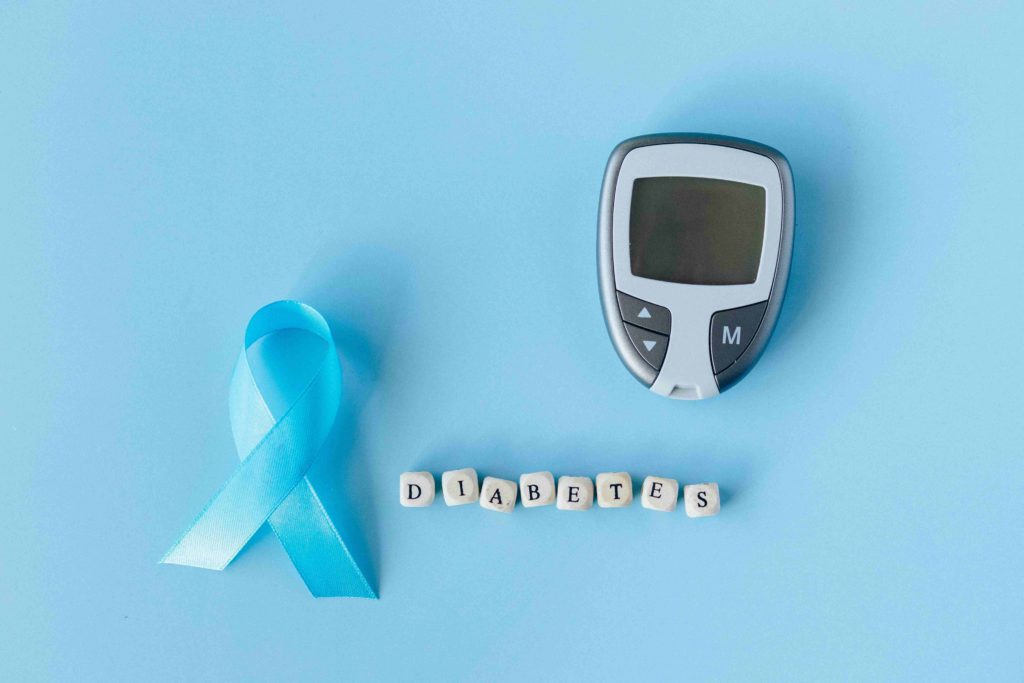
Diabetic retinopathy (DR) is a leading cause of vision impairment. A global analysis of working‑age adults found that from 1990 to 2021, the number of people with DR‑related vision impairment increased 2.8‑fold, reaching 2.85 million prevalent cases and 250,117 years lived with disability in 2021. The study noted that females bore a greater burden than males and predicted that the number of patients and disability from DR will continue to grow by 2035. Rising obesity and diabetes rates are major contributors.
Beyond diabetes, other chronic conditions—including hypertension, cardiovascular disease and autoimmune disorders—can affect eye health by damaging blood vessels or nerves.
Why this fuels anxiety
- Complexity of management: People may already worry about managing blood sugar or blood pressure. Adding eye disease to the list increases the sense of vulnerability.
- Fear of blindness: Awareness campaigns warn that diabetic retinopathy can lead to blindness if untreated. This knowledge, though important, can cause anxiety for those with elevated blood sugar or a family history of diabetes.
Tip
If you have diabetes or hypertension, schedule annual dilated eye exams. Controlling blood sugar, blood pressure and cholesterol can slow or prevent retinopathy. Discuss new screening tools—some clinics now offer retinal photography that quickly assesses eye health.
7. Vision loss affects mental health and vice versa
Vision impairment doesn’t just impact sight; it can also erode mental well‑being. A UnitedHealthcare article summarizing Centers for Disease Control and Prevention (CDC) data reported that one in four adults with vision loss felt depressed or anxious, and younger adults with vision loss had nearly five times the risk of serious anxiety or depression compared with older adults uhc.com. Vision changes can limit independence, making it harder to work, drive or enjoy hobbies. In turn, anxiety and depression can dampen motivation to seek eye care or use assistive devices uhc.com.
Why this fuels anxiety
- Cyclical effect: Anxiety about vision can make people avoid eye appointments, worsening conditions and creating more worry.
- Isolation: Vision loss may lead to social withdrawal, which increases the likelihood of anxiety and depression.
Tip
Talk openly with your eye care provider about any emotional challenges. They can refer you to mental health professionals or support groups. Activities such as regular exercise, managing chronic conditions and engaging in hobbies can improve mood.
8. Photophobia and migraine sensitivity to light
Migraine disorders illustrate how sensitive the eyes can be to light. The Migraine Disorders Association reports that photophobia, or extreme light sensitivity, occurs in up to 80 percent of migraine attacks. Blue light and glare are common triggers; researchers note that 30–60 percent of migraine attacks are provoked by visual stimuli. Studies of specialized FL‑41 lenses found that these rose‑colored filters reduced the frequency of migraines and improved tolerance to light. Similar to migraines, other neurological conditions such as post‑concussion syndrome can heighten light sensitivity.
Why this fuels anxiety
- Dread of triggers: People who have experienced a migraine aura or sudden spike in pain when stepping into bright light may become hyper‑vigilant about lighting conditions.
- Fear of chronic pain: Migraines can be disabling, and concern that everyday activities (reading, watching TV) might provoke an attack adds to stress.
Tip
Work with a neurologist or headache specialist to manage migraines. Wearing tinted lenses, adjusting screen brightness and using blinds or curtains to control natural light can reduce triggers.
9. Information overload and “cyberchondria”
The internet provides a wealth of health information, but endless scrolling and self‑diagnosis can breed anxiety. Searching symptoms online often leads to worst‑case scenarios, a phenomenon sometimes called cyberchondria. Social media further amplifies this issue; algorithms may present alarming stories about vision loss or miracle cures, making it hard to distinguish evidence‑based recommendations from misinformation.
Why this fuels anxiety
- Confirmation bias: People tend to focus on stories that confirm their fears (e.g., rare eye diseases), which heightens distress.
- Unrealistic comparisons: Image‑editing tools and filters create flawless appearances, leading some to worry that their own eyes look abnormal.
Tip
Limit health‑related searches to trustworthy sources—official healthcare websites, government agencies and peer‑reviewed journals. When in doubt, consult an eye care professional rather than relying on online forums. Practicing digital hygiene, such as setting time limits on news and social media apps, can also reduce anxiety.
10. Cost and access barriers amplify worry
While advancements in eye care—like laser surgery, intraocular lenses and retinal imaging—have improved outcomes, they can be costly. The meta‑analysis of presbyopia estimated that almost 45 percent of individuals needing correction lacked adequate near‑vision solutions People living in rural or lower‑income areas are less likely to have access to eye care providers. High prices for prescription glasses, contact lenses and specialty treatments like dry‑eye medications can deter people from seeking care. Insurance coverage varies widely, and out‑of‑pocket expenses create additional stress.
Why this fuels anxiety
- Financial uncertainty: Fear of not being able to afford glasses, surgery or regular exams can be overwhelming.
- Delayed care: People may postpone appointments until they can save enough money, potentially allowing diseases to progress.
Tip
Look for community eye clinics, low‑cost vision screenings or mobile eye‑care vans offered by nonprofits. Many regions provide subsidized services or sliding‑scale fees. Don’t hesitate to ask eye care professionals about payment plans or generic medication options.
Conclusion: Managing vision anxiety in 2026
Vision anxiety in 2026 stems from a complex mix of lifestyle changes, environmental factors, medical conditions and societal pressures. Recognizing these influences can help us take proactive steps to protect our eyes and our mental well‑being. Here are some takeaways:
- Schedule regular eye exams: Early detection of refractive errors, presbyopia or diseases like diabetic retinopathy can prevent serious complications. Comprehensive eye exams are recommended every one to two years, or more frequently if you have risk factors.
- Moderate screen time: Follow the 20‑20‑20 rule and encourage outdoor activities for children to counteract myopia and digital eye strain.
- Protect your eyes from environmental hazards: Wear sunglasses with UV protection and consider wraparound styles on high‑pollution or windy days. Use blue‑light filters at night to maintain healthy circadian rhythms.
- Address chronic conditions: Manage diabetes, hypertension and other systemic diseases through diet, exercise and medication. Keeping these conditions under control will help preserve eye health.
- Nurture mental health: Acknowledge the emotional impact of vision changes. Seek support from mental health professionals, support groups or loved ones when needed.
- Stay informed responsibly: Use reputable sources for health information. Avoid spiraling into worst‑case scenarios and consult eye care professionals for guidance.
By understanding the drivers of vision anxiety and implementing these strategies, you can feel more confident about your eye health. Your vision is a precious sense—taking care of it now will pay dividends in the years to come.
