

Imagine arriving at the slopes in Cortina d’Ampezzo with new skis, only to discover the glare from the snow makes it hard to see. Your eyes water, your vision becomes blurred, and the thrill of the Winter Olympics turns into discomfort. Eye protection isn’t just a fashion statement; it’s a health essential for athletes and spectators at the 2026 Winter Games.
The 2026 Winter Olympics will bring athletes and fans from around the world to northern Italy. While the focus will be on medals and world‑class performances, the unique environment poses hidden risks. High altitude, bright sun reflecting off snow, cold wind and dry air can damage the eyes. This article explores why eye protection is critical in snow sports, describes the risks, and offers practical tips to stay safe and enjoy the games.
Overview of the 2026 Winter Olympics
Dates and venues
The 2026 Winter Olympics, officially known as the Milan–Cortina d’Ampezzo Games, will run from February 6–22, 2026. The 2026 Paralympic Games will follow, running through March 15, 2026. This will be the first Winter Olympics hosted by two cities. Events will take place across several venues in Milan and the alpine resort of Cortina d’Ampezzo, with additional competitions in other Italian towns. The organizing committee expects more than 2,800 athletes and over two million spectators to participate.
Alpine environment of Cortina d’Ampezzo
Cortina d’Ampezzo sits in the Dolomite Mountains at elevations around 1,200 meters (3,900 feet) and higher. Many skiing events at the Winter Games will take place at altitudes above 1,500 meters, with downhill courses starting above 2,300 meters. At these elevations, the atmosphere is thinner. Less air means less absorption of ultraviolet (UV) radiation, so more UV rays reach athletes and spectators. Fresh snow also reflects a large fraction of UV light, increasing exposure even when the sun is at the horizon or behind clouds. Understanding how altitude and snow affect UV radiation is key to appreciating the need for proper eye protection.
How Snow and Altitude Increase UV Exposure
UV radiation basics
Ultraviolet radiation is part of the sun’s energy spectrum. The Earth’s atmosphere absorbs most high‑energy UV rays, but UV‑B radiation still reaches the surface and can damage skin and eyes. According to the U.S. Environmental Protection Agency (EPA), the amount of UV‑B reaching the Earth’s surface depends on latitude, altitude and time of year. UV‑B rays are strongest between 10 a.m. and 4 p.m., even in winter.
Altitude effects
At higher altitudes, there is less atmosphere to absorb UV radiation. The National Environmental Education Foundation (NEEF) explains that UV intensity increases with altitude because air molecules scatter and absorb UV rays; with thinner air, more radiation reaches you. Health Canada quantifies this, noting that UV levels can be 30 percent higher at 2,000 metres than at sea level. For spectators and athletes at Cortina d’Ampezzo, where slopes exceed 2,000 meters, this means significantly more UV exposure.
Snow reflection (albedo)
When UV rays hit snow, much of the energy bounces back. Fresh snow acts like a mirror; government sources estimate that new snow reflects 80–90 percent of UV radiation. Canada’s public health agency notes that fresh white snow reflects up to 85 percent of UV rays, while the World Cancer Report states new snow reflects roughly 80 percent, far more than sand (10–25 percent) or concrete (10 percent). This “albedo effect” means that people on snowy slopes receive radiation from above and below. Even in shaded areas, reflected UV can reach the eyes because it scatters in the environment.
Cold and dry air
High-altitude winter environments are cold and dry. Cold air holds less moisture, and strong winds typical of ski slopes can dry out the eye’s surface. The American Academy of Ophthalmology (AAO) lists cold, dry wind as one of four major factors that put skiers and snowboarders at risk of snow blindness, a painful condition caused by UV exposure. Dryness can also contribute to dry eye disease, making eyes irritated and more vulnerable to injury.
What Is Snow Blindness (Photokeratitis)?
Definition and causes
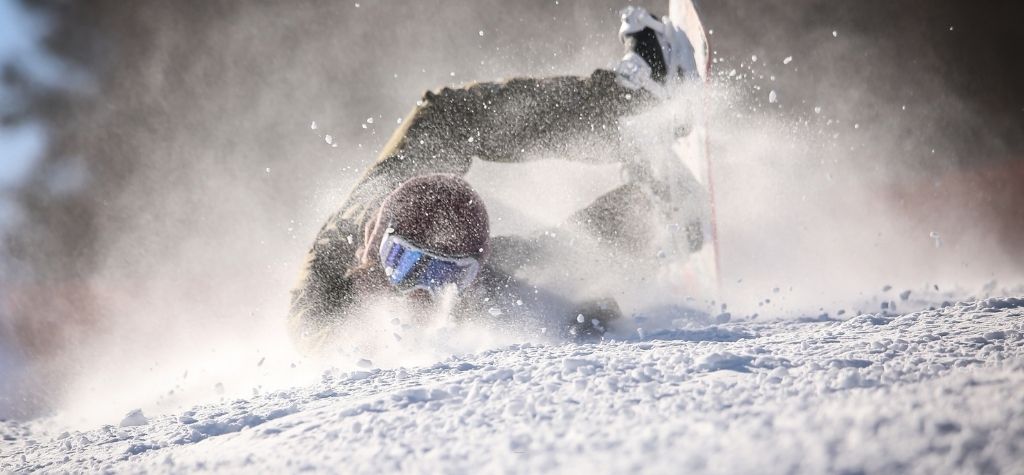
Snow blindness, medically known as photokeratitis, occurs when the cornea and conjunctiva—the clear surfaces covering the front of the eye—are sunburned by UV light. EyeWiki, an educational resource from the AAO, describes photokeratitis as a painful eye injury caused by unprotected exposure to UV rays, often from reflections off snow. The same article notes that fresh snow can reflect up to 90 percent of UV radiation, highlighting the risk of glare and injury.
Symptoms and duration
Photokeratitis usually develops hours after exposure. Symptoms can include:
- Severe eye pain or burning
- Redness and swelling
- Blurry vision or temporary vision loss
- A gritty feeling, as if sand is in the eyes
- Tearing and light sensitivity (photophobia)
While photokeratitis often resolves within 24–48 hours, it can be extremely uncomfortable. In extreme cases, repeated sunburn of the eyes may contribute to long-term problems like pterygium (a growth on the eye’s surface) or cataracts. Protecting your eyes from intense UV radiation helps prevent these conditions.
Snow blindness risk factors
According to the AAO, the risk of snow blindness rises when sunlight reflects off ice and snow at high elevations, when UV levels are high even on overcast days, and when cold, dry wind dries the eye’s surface. People who forget to wear proper eyewear or remove their goggles after cloudy weather passes are especially vulnerable. Even a short midday stroll on a snowy mountain can cause symptoms.
Sports‑Related Eye Injuries: Statistics and Lessons
The scope of the problem
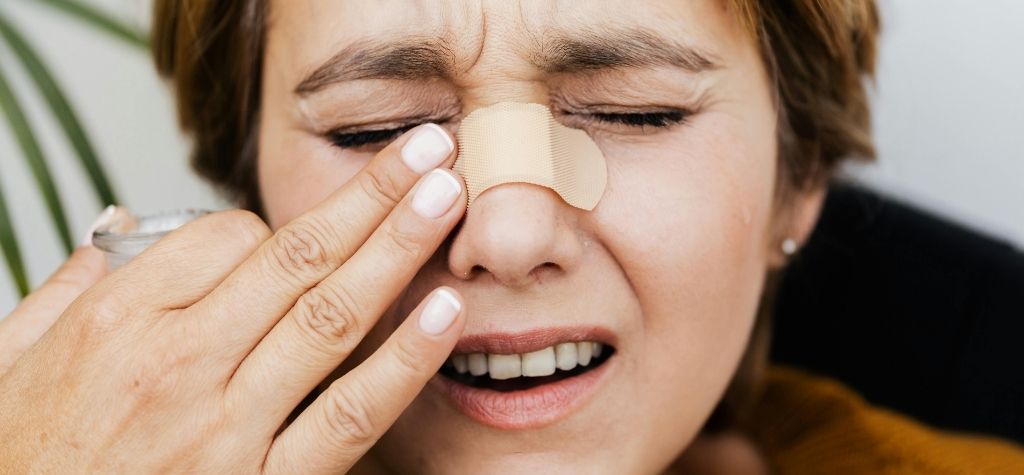
Eye injuries from sports are more common than many realize. The National Eye Institute (NEI) reports that eye injuries are a leading cause of blindness in children. Every 13 minutes, an emergency room in the United States treats a sports‑related eye injury, and more than 100,000 eye injuries annually are linked to sports activities. Over 42,000 of these injuries require an emergency room visit. Notably, one‑third of sports‑related eye injuries involve children.
Other statistics highlight the severity: approximately 13,500 sports‑related eye injuries result in permanent loss of sight. Boys aged 11–15 are up to five times more likely to sustain eye injuries requiring hospital treatment than girls of the same age. These numbers show how vital prevention is for young athletes.
Economic costs
Beyond personal suffering, eye injuries carry a financial burden. The NEI notes that sports‑related eye injuries cost $175–$200 million per year in the United States. Because most of these injuries are preventable, investing in protective gear and proper education yields significant savings. In hockey, face protectors alone have saved society roughly $10 million annually.
Preventable injuries
The good news is that up to 90 percent of sports‑related eye injuries are preventable with proper protective eyewear, according to eye health organizations. The AAO states that more than 40 percent of eye injuries each year are related to sports or recreation and emphasizes that proper protective eyewear greatly reduces the risk. Yet, many athletes do not use adequate eye protection. Educating athletes, coaches, parents and spectators about protective measures is crucial for the 2026 Winter Games and everyday sports activities.
Choosing the Right Eye Protection for Snow Sports
UV protection standards
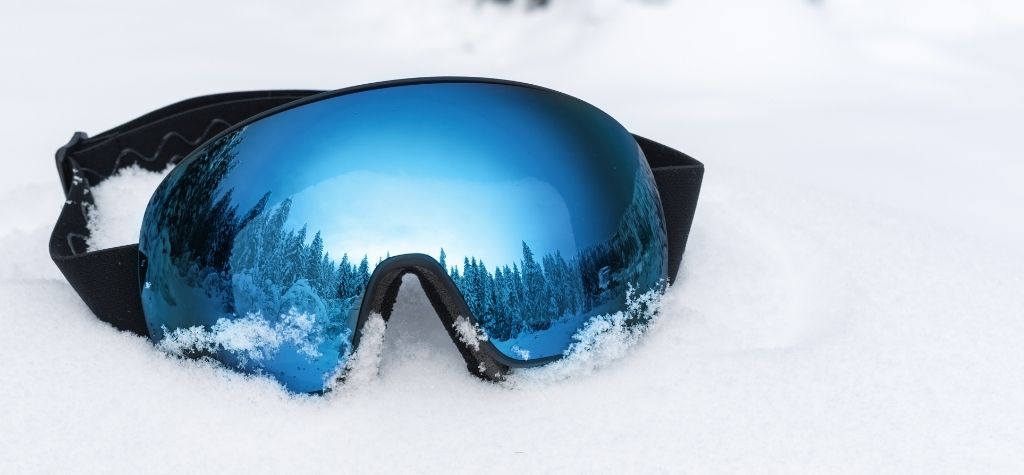
The first rule for snow sports eyewear is to block nearly all UV rays. The AAO recommends wearing sunglasses or goggles that block at least 99 percent of UV rays and protect eyes from wind. The EPA also advises choosing sunglasses that provide 99–100 percent UVA and UVB protection. Government guidelines from Canada add that wrap‑around designs help stop UV from entering from the sides. When shopping for eyewear, look for labels indicating 100 percent UV protection.
Lens materials and impact resistance
Snow sports often involve high speeds and contact with ice, branches or other obstacles. Regular eyeglasses offer little protection; the International Sports Vision Association (ISVA) notes that regular glasses have only 4–5 percent of the impact resistance of polycarbonate lenses. For skiing and snowboarding, eyewear should meet or exceed ASTM standards for impact resistance. Lenses should be made of polycarbonate or Trivex, materials that provide both shatter resistance and 100 percent UV protection.
Goggles versus sunglasses
- Sunglasses: Wrap‑around sunglasses with side shields are ideal for walking around ski villages or watching outdoor events. Off the slopes, they reduce glare and prevent UV from entering from the sides. However, on the slopes, sunglasses may not stay secure during falls or provide enough wind protection.
- Ski goggles: Goggles fit snugly around the face and offer better coverage against wind, snow and debris. The AAO recommends goggles with polycarbonate lenses on the slopes because they offer better side vision and protection than sunglasses. Many goggles have interchangeable lenses to adapt to different light conditions.
Lens colors and tints
Different lens tints improve visibility under varying conditions:
- Amber, copper or rose lenses enhance contrast and depth perception on cloudy days.
- Dark gray or green lenses reduce brightness on sunny days without distorting colors.
- Yellow lenses increase visibility in flat or low light but may not block as much brightness.
- Photochromic lenses automatically adjust tint based on light intensity, a convenient option for changing weather.
It’s essential that tinted lenses still block 100 percent of UV radiation. Polarized lenses reduce glare from reflective surfaces like snow and ice but may reduce depth perception. Some ski goggles have mirrored coatings to further reduce glare.
Fit and comfort
Eyewear should fit securely without pressure points. Helmets and goggles should work together; many modern ski helmets have goggle clips and ventilation channels to reduce fogging. Anti‑fog coatings and adequate ventilation help prevent condensation. For eyeglass wearers, over‑the‑glasses (OTG) goggles accommodate prescription frames. Contact lens wearers should carry lubricating drops and backup glasses because cold, dry air can cause lens discomfort.
Certified labels
Look for labels indicating compliance with ASTM F659, EN 174, or other relevant standards. Certification ensures that eyewear has been tested for impact resistance and optical quality. Also check that lenses are labeled “UV400,” meaning they block wavelengths up to 400 nm (covering UVA and UVB). Avoid products without clear markings or from untrusted retailers.
Additional Protective Measures for Winter Sports
Use sunscreen and lip balm
Sunburn isn’t limited to skin. The Better Health Channel, a public health resource, emphasizes that winter activities like skiing and snowboarding pose a high risk of sunburn, skin and eye damage. It recommends applying broad‑spectrum SPF 50+ sunscreen to exposed skin and reapplying regularly. Don’t forget lip balm with UV protection, as lips can also burn and crack in cold wind.
Cover exposed skin and stay warm
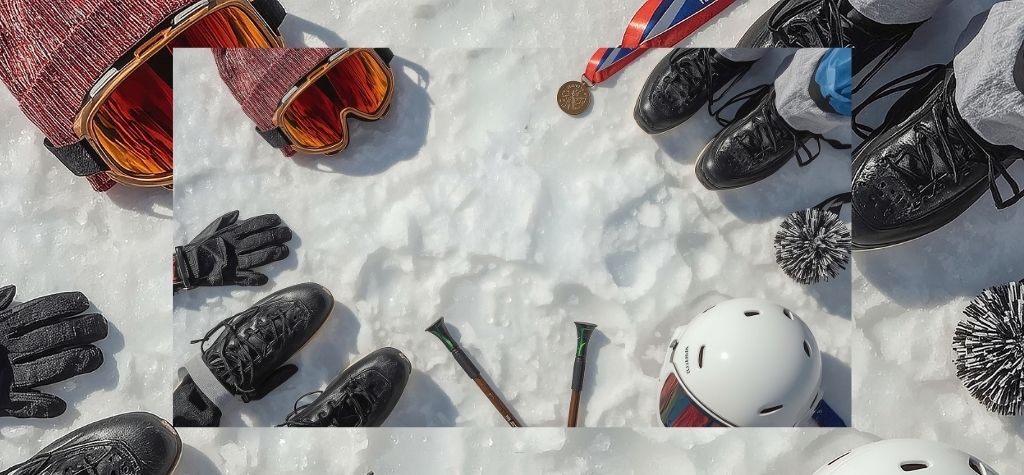
Wear a hat, helmet or headband to protect your scalp. Helmets used in skiing provide head protection and help shield your forehead and temples from the sun. Cold can be deceiving; layers of clothing, including waterproof outerwear and gloves, protect against hypothermia and frostbite. Gloves with wrist guards reduce the risk of injury during falls.
Hydrate and care for your eyes
Dry air at high altitude can cause dry eye syndrome. Drink plenty of water to stay hydrated and use preservative‑free artificial tears if your eyes feel dry or irritated. Avoid rubbing your eyes, which can scratch the cornea or introduce debris. People with existing eye conditions or those prone to dry eyes should consult an eye doctor before traveling to high‑altitude resorts.
Limit exposure during peak hours
The EPA advises limiting time outdoors when UV radiation is strongest—between 10 a.m. and 4 p.m.. While sports competitions may occur during these hours, spectators can seek shade when not watching events, and athletes can choose training runs earlier or later when possible. Take breaks indoors to rest your eyes and warm up.
Protect children’s eyes
Kids are particularly vulnerable to eye damage because their lenses are clearer and allow more UV radiation into the eye. The Better Health Channel recommends ensuring children wear well‑fitting wrap‑around sunglasses or goggles that meet safety standards. Encourage them not to remove goggles when clouds roll in; UV rays penetrate through light cloud cover.
Recognize and respond to symptoms
If you experience sudden eye pain, light sensitivity, or blurred vision, leave the snow immediately and seek shade. Use cold compresses and artificial tears, and avoid rubbing your eyes. Seek medical attention promptly if symptoms persist or worsen.
Eye Protection for Spectators and Volunteers
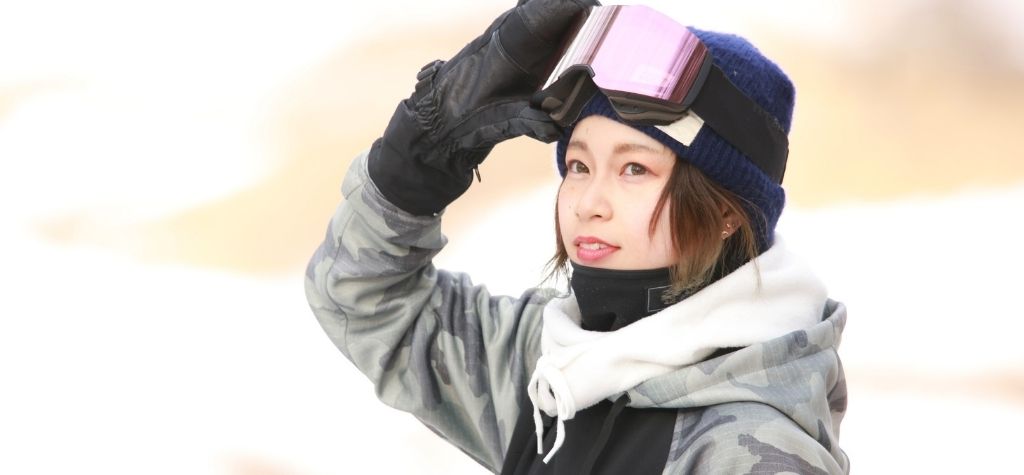
It’s not just athletes who need protection. Spectators, volunteers, coaches and staff will spend hours outdoors watching events. Wearing warm clothing, hats, and UV‑blocking sunglasses or goggles will make the experience more enjoyable. For people attending medal ceremonies or walking between venues, wrap‑around sunglasses offer good protection without the bulk of ski goggles. Bring an extra pair in case one gets lost or damaged. Spectators should also apply sunscreen and carry water to stay hydrated.
How Weather and Conditions Impact Eye Safety
Sunny days
Clear skies at high altitude create intense glare and strong UV exposure. On sunny days, choose dark lenses (grey or mirrored) and ensure goggles fit snugly. Consider wearing a hat with a brim or helmet visor for additional shade.
Cloudy or overcast days
Don’t be fooled by clouds. The AAO notes that UV radiation remains high on cloudy days. Clouds block visible light but allow UV rays to pass through, and snow reflection means you still receive exposure from below. On overcast days, choose lenses that enhance contrast (amber or rose) and maintain 100 percent UV protection.
Low light and flat light
During early mornings, late afternoons, or snowy weather, light can become flat, making it hard to see terrain changes. Yellow lenses increase brightness and contrast but may be too light for midday sun. Photochromic or interchangeable lenses allow you to switch as conditions change.
Wind and temperature extremes
Wind can cause tearing, dryness and decreased visibility. Goggles with foam padding and ventilation protect against windburn. In very cold temperatures, metal frames can freeze to skin or become uncomfortable; choose plastic or composite frames instead. Wearing a face mask or balaclava can shield cheeks and nose from wind and sun.
Eye Health Beyond the Slopes
Regular eye exams
Comprehensive eye exams detect issues such as refractive errors, cataracts, glaucoma and macular degeneration. The NEI emphasizes that eye exams should be part of a regular physical for athletes, as they can reveal pre‑existing conditions that might impair performance or increase injury risk. Even spectators should have their eyes checked regularly to ensure they see clearly and that their eyewear prescription is up to date.
Eye nutrition and lifestyle
Eating a diet rich in omega‑3 fatty acids, vitamin A, vitamin C, vitamin E, lutein and zeaxanthin supports eye health. Foods like leafy greens, carrots, oranges, salmon and nuts provide these nutrients. Hydration remains key. Avoid smoking, which increases the risk of cataracts and macular degeneration. Get adequate sleep to allow eyes to rest and recover.
Taking breaks from digital screens
Many athletes and spectators spend time on smartphones or computers while traveling. Digital screens can cause eye strain, dryness and headaches. Follow the 20‑20‑20 rule: every 20 minutes, look at something 20 feet away for 20 seconds. Blink frequently and adjust screen brightness to match your surroundings. Use artificial tears if your eyes feel dry.
Integrating Eye Protection Into Training and Preparation
Athlete preparation
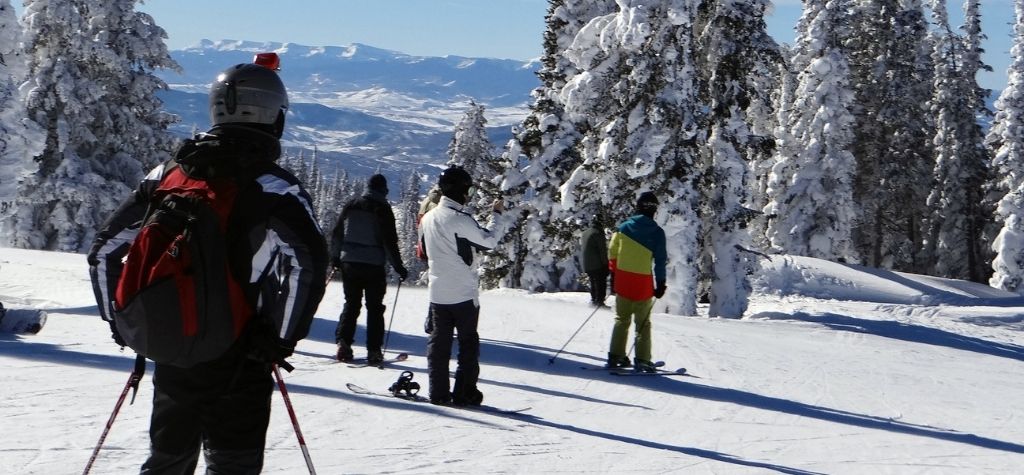
Professional skiers and snowboarders often train in various conditions. They should have multiple pairs of goggles with different tints and anti‑fog features. Helmets must fit properly with goggles; athletes should test the combination before competition. Coaches and trainers must emphasize wearing goggles during practice and not just in competitions. This builds habit and ensures comfort under race conditions.
Team policies and education
Teams and national federations should establish policies requiring protective eyewear during all snow sports training. They can collaborate with eye care professionals to give seminars on UV safety and proper fit. Providing athletes with high‑quality goggles reduces the temptation to use substandard gear. Coaches should model proper eye protection to reinforce the message.
Event organizers’ role
The organizing committee of the 2026 Winter Olympics should include eye safety messages in athlete information packs and spectator guides. Signage at venues can remind spectators to wear eye protection and apply sunscreen. Vendors should be encouraged to sell certified protective eyewear at reasonable prices. Eye care clinics could offer on‑site evaluations and distribute educational pamphlets.
Medical support
Medical teams at the Games should be equipped to treat photokeratitis and other eye injuries. They should carry sterile saline solution, artificial tears, antibiotic ointments and eye patches. Prompt treatment can speed recovery and prevent infections. Eye injuries should be recorded to help improve safety protocols for future events.
Case Studies: Previous Winter Games and Eye Safety Lessons
Past examples of photokeratitis outbreaks
There have been documented cases of photokeratitis among mountaineers and skiers who neglected proper eye protection. For instance, at some high‑altitude races, several athletes developed temporary vision loss after overcast skies cleared and they removed their goggles. While there are no widely reported outbreaks from recent Winter Games, these incidents highlight the constant risk. Skiers and snowboarders often remove goggles during training runs or on lifts, exposing their eyes to harmful rays. This underscores the need for continuous education.
How some teams manage eye safety
Certain national ski teams have dedicated equipment managers who monitor the condition of athletes’ goggles, replace scratched lenses and ensure proper fit. Teams may also provide tinted lens sets for different events (downhill, slalom, cross‑country) and for day and night competitions. Some teams partner with eye health organizations to conduct preseason vision screenings and instruct athletes on lens care.
Learning from high‑altitude expeditions
Mountaineers are aware that improper eye protection can cause snow blindness at extreme altitudes. Expeditions to the Himalayas and Andes often carry multiple pairs of sunglasses and goggles, each with different light transmission levels. Climbers are trained never to remove eyewear above certain altitudes, even on cloudy days. These practices can inspire guidelines for athletes and spectators at the Winter Games.
Frequently Asked Questions About Eye Protection in Snow Sports
Do I need eye protection on cloudy days?
Yes. UV radiation penetrates clouds. The AAO points out that UV levels remain high even on overcast days, especially at high altitude. Snow reflects UV from below, so wearing protective eyewear is essential regardless of cloud cover.
Can regular sunglasses protect my eyes on the slopes?
Not always. Regular sunglasses may not fit securely or block enough wind. They also lack the impact resistance of goggles. For skiing or snowboarding, choose goggles with polycarbonate lenses and certified safety standards.
What is the difference between UVA and UVB protection?
UVA rays penetrate deep into the eye and skin, while UVB rays primarily damage the cornea and lens. Both contribute to eye disorders. Sunglasses and goggles labeled “UV400” or “100 percent UVA/UVB protection” block both types. Always check for these markings.
How do I prevent goggles from fogging up?
Choose goggles with double lenses, anti‑fog coatings and ample ventilation. Keep goggles dry and avoid wiping the inside surface, as this can remove anti‑fog treatment. Use anti‑fog wipes or sprays sparingly and follow the manufacturer’s instructions. Ensure a proper seal between the goggle foam and your face to reduce warm air entering.
What should I do if I get snow blindness?
Seek shade immediately. Remove contact lenses if you wear them. Cover your eyes with dark glasses and apply cold compresses. Do not rub your eyes. Use artificial tears to soothe discomfort. Photokeratitis usually heals in 24–48 hours, but if pain and blurred vision persist, consult a healthcare provider.
Conclusion and Actionable Takeaways
The 2026 Winter Olympics in Milan and Cortina d’Ampezzo will be a celebration of athletic excellence and cultural exchange. However, the high‑altitude alpine environment poses real risks to eye health. Altitude increases UV intensity, and fresh snow reflects up to 90 percent of UV radiation, bathing athletes and spectators in a powerful glare. Without protection, this can lead to snow blindness, long‑term eye damage, and even permanent vision loss.
Protective eyewear is not optional—it’s essential. Choose goggles or sunglasses that block 99–100 percent of UV rays, have polycarbonate lenses for impact resistance, and fit snugly. Follow expert guidance: wear sunscreen, hydrate, take breaks indoors, and never remove your eyewear on the slopes. Encourage children to wear well‑fitting eye protection and set an example by wearing yours. Coaches and event organizers should prioritize eye safety education and supply athletes with appropriate gear. Remember, up to 90 percent of sports‑related eye injuries are preventable.
By taking these simple steps, you can enjoy the thrilling snow sports of the Winter Olympics without compromising your vision. Whether you’re an athlete aiming for a gold medal or a fan cheering from the sidelines, don’t let preventable eye injuries dim your experience. Pack your goggles, apply sunscreen and get ready to witness history in the making.
