
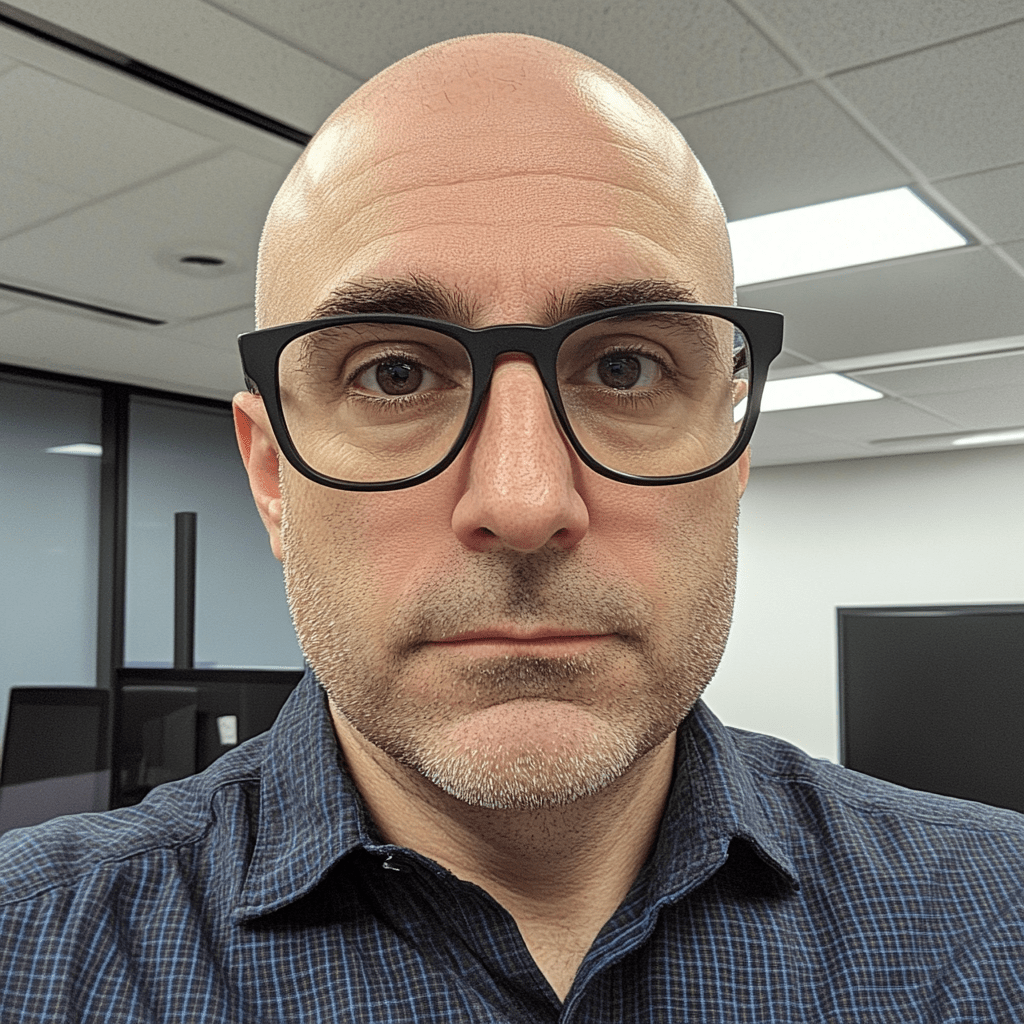
Ordering glasses from a smartphone, measuring your pupil distance with an app and even getting a remote eye exam sound like scenes from science fiction. With so many technological advances, it’s natural to ask whether traditional opticians could be fading away. Are opticians becoming obsolete in 2026? The short answer is no, but the long answer is more interesting. In this article, we will explore what opticians actually do, look at job projections, evaluate the impact of virtual eye care and online glasses, and explain why human expertise remains invaluable.
What Does an Optician Do?
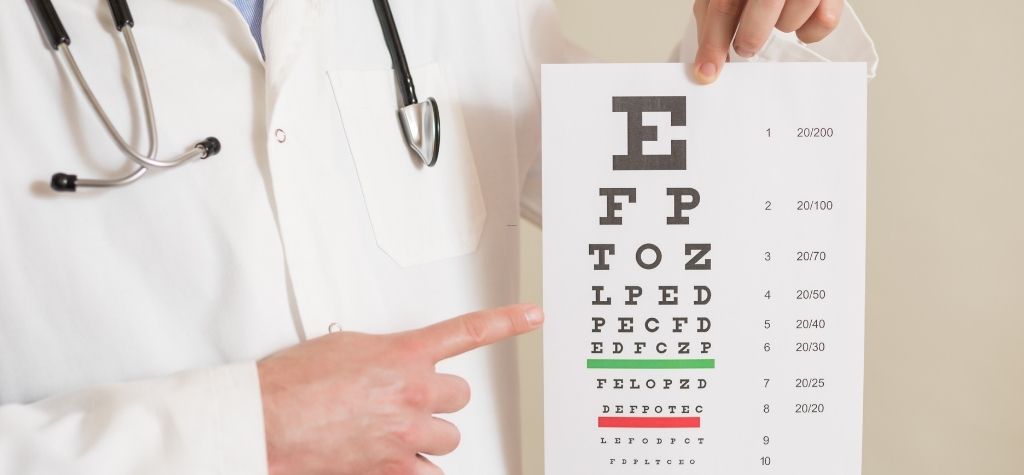
Before considering whether technology will replace opticians, it helps to understand their role. Dispensing opticians are eye‑care professionals who interpret prescriptions written by optometrists or ophthalmologists and help people select and fit eyewear. According to the U.S. Bureau of Labor Statistics (BLS), typical duties include:
- receiving prescriptions for eyeglasses or contact lenses;
- measuring customers’ eyes and faces, such as the distance between pupils;
- helping customers choose frames and lens treatments;
- creating work orders for optical labs;
- adjusting, repairing and replacing eyewear; and
- educating customers about caring for their glasses and lenses.
Opticians also handle administrative tasks such as maintaining sales records, preparing invoices and ordering inventory. While technology can assist with measurements and ordering, face‑to‑face interaction, skilled adjustments and customized counseling remain core parts of the job.
Job Outlook: Are Optician Jobs Declining?
Contrary to fears of disappearance, projections show that opticians will still be needed. The BLS projects that employment of opticians in the United States will grow 3 percent from 2024 to 2034, about as fast as the average for all occupations. This rate is not explosive, but it indicates stability rather than decline. Approximately 6,800 openings for opticians are projected each year, largely due to workers leaving the occupation or retiring.
Several factors support continued demand:
- Aging population and rising refractive errors: Age‑related eye conditions such as presbyopia and cataracts increase the need for corrective lenses. Global vision impairment is estimated to cost $411 billion annually in productivity losses, and roughly 90 percent of vision loss is preventable or treatable. Opticians play a role in ensuring people get proper corrections.
- Growing prevalence of myopia: Near‑work and screen time have been linked to increases in nearsightedness, especially among children. Even without quoting exact numbers, experts note that myopia prevalence has risen substantially in recent decades, and more people will need glasses in coming years.
- Regulatory requirements: Many states require opticians to be licensed, and employers often prefer candidates with certification. These requirements create barriers to entry that slow rapid replacement by unregulated services.
- Customer service expectations: Even as online eyewear grows, customers still value in‑person adjustments, repairs and styling advice. Personalized service is difficult to replicate with a website.
In short, optician employment isn’t booming, but there is no evidence of a steep decline. Instead, the job is evolving alongside technology.
Technology Trends Transforming Vision Care

Tele‑optometry and Remote Exams
Telemedicine exploded during the COVID‑19 pandemic, and eye care was no exception. Tele‑optometry allows optometrists or ophthalmologists to evaluate patients remotely, often with help from in‑clinic technicians. A systematic review summarizing studies of tele‑optometry found that the approach reduces logistical barriers for vulnerable patients and can reduce the need for some in‑person consultations, especially in rural areas. Virtual comanagement between optometrists and ophthalmologists enables remote glaucoma screening and follow‑up appointments. In at least one study, nearly 44 percent of patients using optometrist‑facilitated telehealth were directly booked for surgery.
However, the same review noted significant limitations. Tele‑optometry remains an adjunct rather than a replacement, and there is limited evidence about clinical benefits, safety and cost‑effectiveness. Authors emphasize that more research is needed before widespread adoption. Tele‑optometry is highly acceptable to patients and practitioners, yet it currently works best when complemented by in‑person care and when a technician assists with measurements and equipment.
Tele‑eye Care vs. In‑Person Exams
A 2024 comparison study evaluated a comprehensive tele‑eye care exam against a gold‑standard in‑person exam. It involved 66 participants who underwent both exams, and results showed that tele‑eye care was statistically and clinically non‑inferior to in‑person exams for refraction. This means that remote exams can provide accurate prescriptions. However, the study had a low prevalence of ocular disease, limiting conclusions about ocular health assessment. Importantly, providers and patients reported higher confidence and satisfaction during in‑person exams.
The study’s introduction underscores the broader context. Primary eye care is crucial because vision impairment represents a significant financial burden, yet 90 percent of vision loss is preventable or treatable. Telemedicine is promising for underserved regions, but self‑performed online vision tests are not comprehensive primary eye care. The American Optometric Association warns that direct‑to‑patient eye and vision apps may provide data but do not constitute patient care, and fragmenting a comprehensive exam is deleterious and deceptive to patients. Tele‑optometry requires professional oversight and should not be mistaken for do‑it‑yourself care.
Smartphone Measurements and Virtual Try‑On
Smartphone apps that measure interpupillary distance (IPD) and offer virtual try‑ons have gained popularity. A 2024 clinical study comparing IPD measurements using a pupillometer (gold standard), a PD ruler, an autorefractor and a mobile app concluded that measurement differences among the tools were within acceptable tolerance levels. The mobile app produced slightly smaller IPD measurements, but overall differences induced prism deviations below 0.33 prism diopter (ISO 16034:2002), making the app acceptable for screening in areas with limited services. The authors cautioned that apps may be unreliable in complex cases or for people with misaligned eyes.
The same study notes that mobile apps became normalized during the pandemic and identified 475 Android eye‑care apps, most aimed at the general public. While these apps can provide approximate measurements, accurate fitting still requires professional judgment. Misaligned interpupillary distance can lead to prismatic effects causing visual discomfort, and manual or instrument‑based measurements remain more precise.
Augmented Reality and Smart Glasses
Augmented‑reality (AR) try‑on tools allow customers to see how frames look on their faces before purchasing. They rely on 3D face reconstruction and pose estimation, sometimes using smartphone cameras. While convenient, AR try‑ons depend on accurate IPD measurements and high‑quality face mapping. Inaccurate inputs can lead to poor fit or discomfort when glasses arrive. Because of these limitations, AR tools are better viewed as shopping aids rather than replacements for in‑store fitting.
Smart glasses with built‑in displays, audio and sensors are also entering the market. These devices require precise optical alignment and custom lenses, tasks that currently still involve opticians. As technology evolves, opticians may need to learn how to integrate and adjust smart eyewear, creating new niches rather than eliminating the profession.
Artificial Intelligence in Eye Care
Artificial intelligence (AI) is transforming ophthalmology by assisting with disease detection, image analysis and even surgical training. A 2026 review of AI in ophthalmic education highlights that large language models and computer‑vision systems can help assess theoretical knowledge, provide objective feedback for microsurgical training and improve patient education. AI‑assisted platforms can simulate clinical cases and support diagnostic reasoning. However, the same review underscores ethical concerns such as data bias, privacy and “hallucinations” (incorrect outputs).
In the context of opticians, AI could streamline tasks like lens fabrication and inventory management. It might also power virtual assistants that recommend frames based on face shape or lifestyle. Yet AI systems are not yet able to replicate the subtleties of human interaction, empathic guidance or the tactile adjustments required to ensure comfort and optimal vision.
Online Glasses: Convenience vs. Safety

One of the biggest threats to optician services seems to come from direct‑to‑consumer eyewear sites. These platforms let people upload their prescription or complete an online refraction, pick frames and have glasses shipped to their door. But how safe and accurate are these online orders?
An American Optometric Association (AOA) study published in 2011 (and still widely referenced) examined 200 pairs of glasses ordered online. The findings were sobering:
- Only 154 pairs were actually delivered;
- 44.8 percent of the delivered glasses had incorrect prescriptions or safety issues;
- 29 percent had at least one lens that failed to meet prescription requirements;
- 19 percent of adult lenses and 25 percent of children’s lenses failed impact‑resistance testing.
The study’s authors emphasised that eyeglasses are a health product that must be custom‑fitted to meet prescriptive needs. Without professional fitting, patients risk discomfort, vision problems and even injury. While online retailers have improved since 2011, the study highlights the potential pitfalls of bypassing professional oversight.
Regulatory Landscape
In the United States, the Federal Trade Commission (FTC) enforces the Eyeglass Rule, which requires eye‑care providers to give patients a copy of their prescription. The rule aims to promote competition and allow consumers to shop around. However, the AOA and many opticians argue that unregulated online sales can compromise safety. Some states also require opticians to verify prescriptions and ensure lenses meet impact‑resistance standards. The regulatory environment continues to evolve, balancing consumer convenience with patient protection.
Why Human Opticians Still Matter
Technological advances clearly offer convenience and improved access, but several reasons underscore the continuing importance of human opticians:
- Personalized fitting and adjustments: Properly fitting frames to a person’s facial features requires expertise and hands‑on adjustments. Minor tweaks to nose pads, temple arms or lens alignment can make the difference between comfortable vision and headaches.
- Handling complex prescriptions: High or unusual prescriptions, prisms, bifocals and progressive lenses often require precise measurements and customization. Apps and automated tools may miscalculate or misinterpret such prescriptions.
- Quality control: Opticians inspect lenses for scratches, verify alignment and ensure the glasses meet safety standards. As the AOA study showed, online orders are more likely to have errors.
- Patient education: Opticians teach patients how to care for glasses or contact lenses, explain lens coatings, help choose lenses for specific activities (e.g., computer use or sports) and answer questions. This level of education is difficult to replicate online.
- Integration with eye‑care teams: In tele‑optometry models, opticians often act as the hands of remote optometrists or ophthalmologists, performing measurements and operating equipment while the doctor consults via video. Their role may expand to facilitating virtual clinics in underserved areas.
- Adaptability: The profession has evolved through centuries of technological change, from glass lens grinding to plastic lenses and now to digital lens design. Opticians who embrace new tools and maintain a focus on patient care can thrive even as routine tasks become automated.
The Future of Opticians in 2026 and Beyond
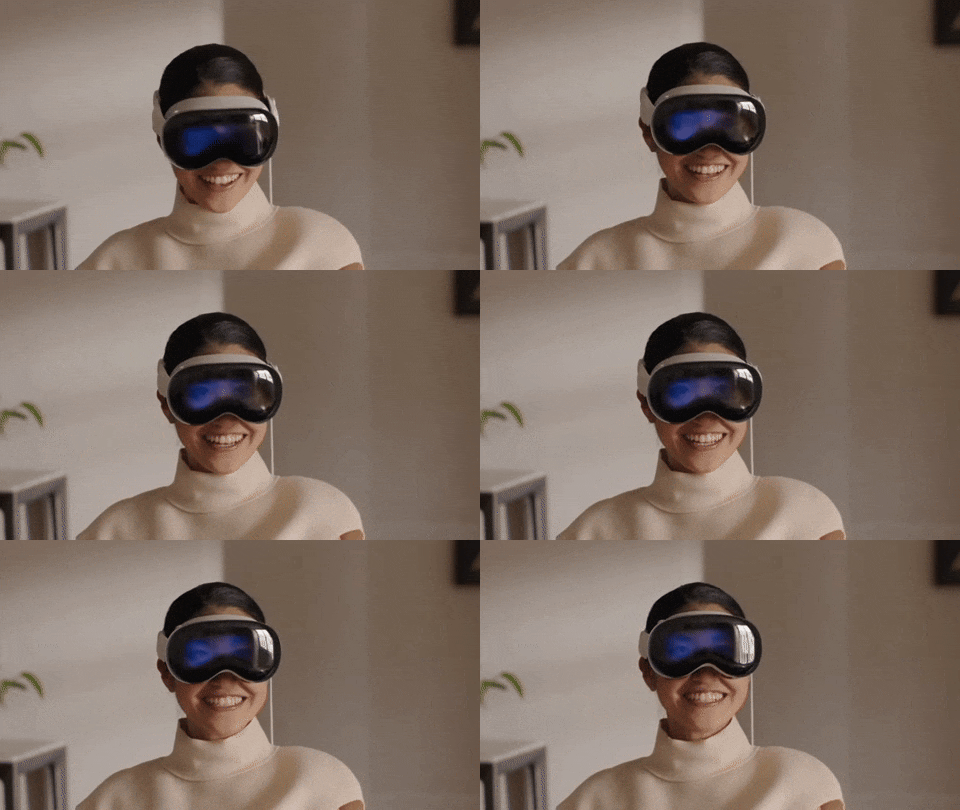
Opticians are not disappearing; they are adapting. Several trends suggest how the profession may evolve:
- Hybrid service models: More practices offer a combination of in‑person and virtual services. Opticians may assist with remote exams, operate digital phoropters and coordinate with remote doctors. This requires new skills in telehealth etiquette and technology.
- Advanced technology training: As AR and smart eyewear become mainstream, opticians will need to understand digital displays, integrated sensors and battery compartments. Aligning these features with the patient’s prescription and physical comfort will be a specialized skill.
- Specialization in preventive care: Given that 90 percent of vision loss is preventable or treatable, opticians may play a larger role in screening for risk factors, educating clients about myopia control and referring patients for early treatment.
- Sustainability and ethics: Eco‑friendly frames and lens materials are gaining popularity. Opticians can help patients choose sustainable options and explain recycling programs, adding an environmental dimension to their services.
- Community outreach: Rural and underserved communities often lack access to eye care. Mobile clinics and community partnerships can bring opticians’ expertise to these areas, sometimes via telehealth for remote consultation.
Skills to Stay Relevant
To thrive in 2026 and beyond, opticians should focus on:
- Continuing education: Stay updated on lens technologies, frame materials and regulatory changes.
- Technological fluency: Become proficient in telehealth platforms, digital measurement tools and AR try‑on systems.
- Customer experience: Cultivate interpersonal skills, empathy and the ability to explain complex concepts in simple terms.
- Networking with eye‑care professionals: Collaborate with optometrists, ophthalmologists and technicians to build integrated care models.
Conclusion: Technology as a Tool, Not a Threat
So, are opticians becoming obsolete in 2026? The evidence suggests otherwise. While tele‑optometry, smartphone measurements and AI are transforming vision care, these innovations are tools that enhance access and accuracy rather than replace human expertise. Employment projections show steady demand, and research highlights the limits of remote exams and online eyewear. Opticians who embrace technology, prioritize patient education and adapt to hybrid service models will continue to be essential members of the eye‑care team.
For patients, the takeaway is clear: enjoy the convenience of digital tools, but don’t underestimate the value of professional fitting and advice. Schedule regular eye exams, ask questions and use online services as supplements, not replacements, for comprehensive eye care.
