When Light Hurts

Have you ever walked outside on a bright day and felt a sharp pain in your eyes? Or perhaps you’ve found yourself squinting and shielding your face from the glare of a computer screen. These reactions are more than simple annoyance. They can be signs of photophobia, a term that literally translates to “fear of light.” In medicine, photophobia describes an abnormal sensitivity to light that causes discomfort or even pain. This symptom appears in many eye and neurological conditions and can significantly affect daily life. Understanding why light hurts and how to manage this sensitivity helps people avoid unnecessary suffering and get proper care.
Photophobia is not a disease on its own—it’s a signal that something else may be happening. Learning about its causes, recognizing its signs, and knowing when to seek medical help can empower you to protect your eyes and overall health. This comprehensive guide explains photophobia in a straightforward, conversational style suitable for anyone curious about light sensitivity. Each section breaks down complex topics into short paragraphs, uses bullet lists for clarity, and incorporates reliable sources from trusted health organizations. By the end, you will understand why photophobia happens, how it is diagnosed and treated, and what you can do to manage or reduce its impact.
What Is Photophobia?
The word photophobia comes from two Greek words: photo, meaning “light,” and phobia, meaning “fear or dread.” Despite its name, photophobia does not mean that someone is afraid of light. Instead, it refers to eyes that are unusually sensitive to light, causing discomfort or pain when exposed to bright or even normal lighting. MedlinePlus defines photophobia simply as eye discomfort in bright light. People with photophobia may experience pain, headaches, watering eyes, or an intense need to close or shield their eyes when light is present.
Physicians sometimes distinguish between direct photophobia (pain in the eye that is exposed to light) and consensual photophobia (pain in the opposite eye when light shines on one eye). In clinical settings, consensual photophobia tends to be more common and is considered “true” photophobia. The symptom can vary widely. Some people only experience discomfort in very bright conditions, while others cannot tolerate normal indoor lighting. In extreme cases, even dim light can trigger pain. Because photophobia is a symptom rather than a disorder, understanding its underlying causes is essential for proper treatment.
Photophobia vs. Photosensitivity
It’s easy to confuse photophobia with photosensitivity, but they are not the same. The Cleveland Clinic notes that photophobia describes eye sensitivity to light, whereas photosensitivity refers to skin sensitivity to sunlight due to an immune system issue or drug reaction. Photosensitivity can cause rashes or burns on skin exposed to sunlight, while photophobia involves the eyes and the nervous system. Recognizing this distinction ensures that people receive appropriate care and advice.
Who Experiences Photophobia?

Photophobia is surprisingly common. MedlinePlus notes that light sensitivity often occurs in three broad categories: (1) eye conditions or injuries, (2) headaches, particularly migraines, and (3) side effects of certain medications. Anyone can develop photophobia, including children and adults. Some people are born with conditions that cause light sensitivity, such as albinism or aniridia, while others develop it later in life due to eye disease, infections, neurological problems, or medication use. The Royal National Institute of Blind People (RNIB) emphasizes that light sensitivity often affects people with underlying eye conditions but can also occur without a specific medical cause. In many cases, reducing the amount of light entering the eye helps relieve symptoms.
Photophobia frequently accompanies migraine headaches, affecting a large majority of migraine sufferers. Research published in the Journal of Neuro‑Ophthalmology notes that photophobia is reported in most forms of migraine and is one of the major criteria for diagnosing migraine. Other neurological conditions such as blepharospasm (involuntary eyelid muscle spasms), progressive supranuclear palsy (a neurodegenerative disorder), and traumatic brain injury may also cause photophobia. Because photophobia arises from diverse conditions, understanding its signs and causes is an important first step in addressing it.
Signs and Symptoms of Photophobia
Photophobia manifests in several recognizable ways. According to the Cleveland Clinic, people with light sensitivity may:
- Squint or blink frequently when exposed to light.
- Shield their eyes with their hands or avoid looking directly at light sources.
- Prefer staying indoors on sunny days or going out only after sunset.
- Seek out dim or dark rooms rather than brightly lit environments.
MedlinePlus adds that photophobia can cause eye pain, even in low light. Some individuals may experience headaches, nausea, dizziness, or blurred vision along with light sensitivity. Eye redness, itching, or swelling may accompany photophobia if it is related to eye inflammation or infection. Because the symptom can range from mild discomfort to severe pain, it’s important to monitor how it affects daily activities.
Glare and Types of Photophobia
Lighting conditions play a significant role in how photophobia feels. The RNIB explains that glare happens when lighting interferes with vision by being too bright or coming from an awkward angle. Glare can cause discomfort or make it harder to see clearly. There are two main types of glare:
- Discomfort glare – A light source is too strong, causing you to squint, shade your eyes, or close them. It doesn’t usually reduce visual clarity but makes you feel uncomfortable.
- Disability glare – A bright light source reduces how well you can see and lowers contrast. Some eye conditions cause disability glare even in normal lighting.
Clinicians also distinguish between direct photophobia, where shining light on one eye causes pain in that eye, and consensual photophobia, where pain occurs in the opposite eye. Consensual photophobia is more common and suggests deeper involvement of neural pathways. Recognizing the type of glare and photophobia helps determine the cause and appropriate management.
Causes of Photophobia
Understanding what causes photophobia is key to effective treatment. Light sensitivity can arise from eye conditions, neurological conditions, systemic illnesses, medications, and environmental factors. Below, we explore these categories in detail.
Eye‑Related Causes
Many eye disorders directly trigger photophobia by irritating the light‑sensitive tissues of the eye. The Cleveland Clinic notes that dry eye syndrome is the most common eye condition associated with photophobia. Other eye‑related causes include:
- Albinism – Lack of pigment in the iris and retina makes the eyes more sensitive to light.
- Aniridia – A congenital condition where the iris (colored part of the eye) is missing.
- Astigmatism – Irregular curvature of the eye’s cornea or lens causes blurred vision and may increase light sensitivity.
- Conjunctivitis (pink eye) – Inflammation of the conjunctiva can make eyes more sensitive.
- Corneal disease, including corneal abrasion and pterygium.
- Exotropia – A condition where one or both eyes turn outward.
- Optic neuritis – Irritation or inflammation of the optic nerve.
- Papilledema – Swelling of the optic disc due to increased pressure around the brain.
- Retinitis pigmentosa – A group of inherited diseases causing retinal degeneration.
- Strabismus (crossed eyes).
- Uveitis – Inflammation inside the eye.
The RNIB also lists several eye diseases that cause light sensitivity and glare, including coloboma, ocular albinism, cataracts, macular degeneration, corneal dystrophies, glaucoma, and keratoconus. Additionally, eye burns, injuries, and post‑surgical recovery (such as cataract surgery or LASIK) can lead to temporary photophobia. Excessive or improper use of contact lenses may irritate the eye and cause light sensitivity.
Neurological Causes
Photophobia is closely linked to several neurological conditions. Migraine headaches are among the most common, and photophobia is part of the diagnostic criteria for migraine. Other neurological causes described by the Cleveland Clinic include:
- Blepharospasm – Involuntary spasms of the eyelid muscles that often occur with light sensitivity.
- Damage to the thalamus – The thalamus relays sensory information; injuries can disrupt light processing.
- Meningitis – Inflammation of the protective membranes around the brain and spinal cord.
- Migraine headaches – Primary headaches that worsen with light, sound, or movement.
- Progressive supranuclear palsy (PSP) – A rare degenerative disorder causing movement and vision problems.
- Subarachnoid hemorrhage – A type of stroke due to bleeding around the brain.
- Traumatic brain injury (TBI) – Head trauma often leads to light sensitivity.
Research on photophobia in neurologic disorders highlights that light sensitivity involves neural pathways beyond the eye. Animal and human studies show that certain intrinsically photosensitive retinal ganglion cells (ipRGCs) contain melanopsin and send signals to the brain’s circadian and pain centers. These pathways connect the eye to the thalamus and trigeminal system, explaining why neurological conditions can trigger photophobia.
Other Medical Causes and Medications
Photophobia can result from general health conditions and the side effects of medications. The Cleveland Clinic lists allergies, chronic fatigue syndrome, fibromyalgia, and autoimmune disorders as potential contributors. Certain psychiatric conditions, such as depression and anxiety, may also heighten light sensitivity.
Several medications are known to cause or worsen photophobia. MedlinePlus warns that eye drops used for pupil dilation, such as cyclopentolate or tropicamide, may temporarily increase light sensitivity. The Cleveland Clinic lists benzodiazepines, chloroquine, haloperidol, lithium, and stimulant medications like methylphenidate as drugs that can contribute to photophobia. Recreational drugs such as cocaine can also induce light sensitivity. Photophobia may appear as a symptom during withdrawal from certain medications.
Glare and Environmental Factors
Sometimes the environment itself triggers light sensitivity. Intense sunlight, glare from reflective surfaces, and bright LED or fluorescent lights can all provoke discomfort. The RNIB notes that glare may arise when light comes from the wrong place, is too bright, or shines directly into the eyes. For some people, glare is merely uncomfortable, but for others it can reduce visual clarity and significantly affect daily activities. Taking steps to control environmental lighting often helps reduce symptoms.
The Science Behind Photophobia
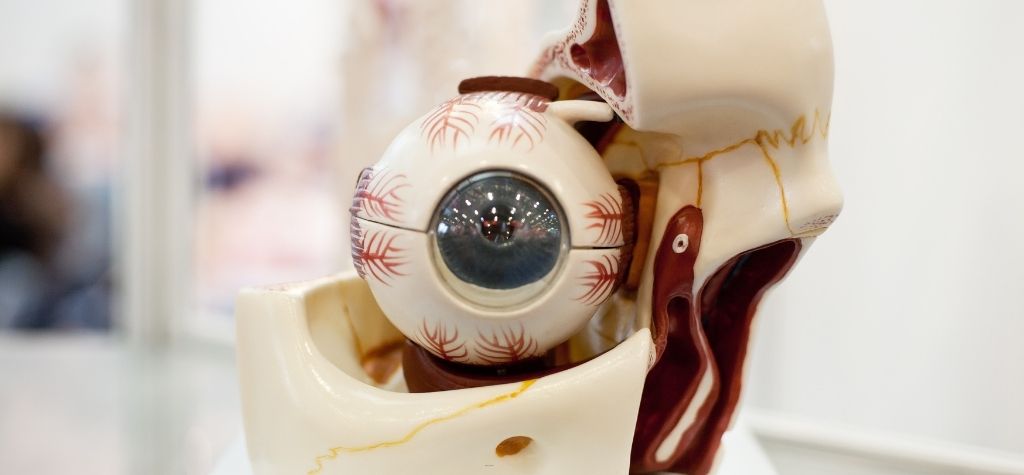
Although light sensitivity seems simple, its underlying biology is complex. Photophobia involves the interaction of ocular structures, light‑sensing cells, and neural pain pathways. A key player is the trigeminal nerve, the main nerve that carries pain sensations from the head. Research shows that photophobia is intimately linked to pain and that trigeminal pathways play a central role. The conjunctiva, cornea, sclera, and uvea—the outer parts of the eye—are densely innervated by trigeminal fibers and are extremely sensitive to pain. Any painful stimulus to these areas, such as corneal abrasion or uveitis, invariably causes photophobia. In contrast, the retina itself has no pain receptors, which is why retinal detachment does not cause eye pain.
Melanopsin and ipRGCs
Our eyes contain specialized light‑sensing cells called intrinsically photosensitive retinal ganglion cells (ipRGCs). These cells are different from the rods and cones that allow us to see images. ipRGCs contain melanopsin, a photopigment that responds strongly to blue light around 480 nanometers. Studies have shown that ipRGCs control non‑image‑forming effects of light, such as circadian rhythms and the pupil light reflex. In animal models, even when rods and cones are absent, ipRGCs can trigger light aversion. This finding explains why some people who have lost vision due to retinal disease still experience photophobia. One study found that blue light (485 nm) triggers a stronger blink reflex in light‑sensitive patients compared with red light (640 nm). This suggests that the melanopsin system is a major contributor to photophobia.
Trigeminal‑Autonomic Pathways
The trigeminal nerve interacts with autonomic (involuntary) nerves in the eye and orbit. When pain fibers from the eye are stimulated, they release chemicals such as calcitonin gene‑related peptide (CGRP) and nitric oxide. These chemicals cause blood vessels in the head to widen, which can trigger a vicious cycle of pain and sensitivity. The trigemino‑vascular and trigemino‑autonomic reflexes also lead to tearing and redness, common signs that accompany photophobia. Blink reflexes, mediated by the seventh cranial nerve, become more active during photophobia, causing frequent blinking and eyelid spasms. While the detailed circuits are complex, the key takeaway is that photophobia involves both sensory (trigeminal) and autonomic pathways, linking light exposure to pain perception and reflexive eye movements.
Diagnosing Photophobia
Because photophobia is a symptom rather than a disease, the goal of diagnosis is to identify the underlying cause. A healthcare provider usually begins by taking a thorough medical history and asking about the onset and severity of light sensitivity. Questions may include:
- When did the light sensitivity begin?
- How severe is the pain? Does it occur constantly or intermittently?
- Do you need to wear dark glasses indoors or stay in dark rooms?
- Were your pupils recently dilated for an eye exam?
- What medications or eye drops are you taking?
- Do you use contact lenses?
- Have you used any chemicals, lotions, or cosmetics near your eyes?
- Does anything make the sensitivity better or worse?
- Have you experienced eye injury?
- What other symptoms do you have (headaches, nausea, dizziness, blurred vision, numbness, changes in hearing)?
After the history, clinicians will perform a physical exam, usually including an eye exam and possibly neurological tests. Diagnostic steps may involve:
- Checking the pupillary response to light and performing pupil dilation.
- Examining the cornea, iris, and retina using a slit-lamp microscope.
- Scraping the cornea for samples if infection is suspected.
- Conducting imaging or neurological tests when brain conditions are suspected.
In some cases, specialized questionnaires help measure the degree of light sensitivity. Researchers have developed tools like the Photosensitivity Assessment Questionnaire and other validated scales to capture how often a person avoids or seeks light. These tools, while primarily used in research, remind clinicians to probe deeper rather than simply ask, “Does light bother you?”.
Treatment Options
Treating photophobia focuses on addressing the underlying cause and relieving symptoms. The Cleveland Clinic stresses that treatment depends on accurately diagnosing what’s provoking the light sensitivity. Once the diagnosis is clear, treatment may include glasses or contact lenses, medications, surgery, avoidance of triggers, and lifestyle adjustments.
Treating Underlying Conditions
Because eye diseases, infections, and neurological disorders often cause photophobia, treating those conditions can reduce or eliminate light sensitivity. For example:
- Anti-inflammatory medications or antibiotics may treat uveitis, conjunctivitis, or corneal ulcers.
- Eye lubricants and other treatments can alleviate dry eye syndrome, the most common eye‑related cause of photophobia.
- Migraine therapy—including preventive medications, triptans, and lifestyle changes—can reduce the frequency and severity of photophobia in migraine sufferers.
- Neurological treatment for conditions like optic neuritis, traumatic brain injury, or progressive supranuclear palsy may include medications, rehabilitation, or surgery as appropriate.
If medications are causing photophobia, adjusting the drug regimen under a doctor’s supervision may resolve the issue. People should never stop prescribed medications without consulting their provider.
Medications, Glasses, and Surgery
Doctors may prescribe or recommend special glasses or contact lenses that filter specific wavelengths of light. For example, lenses that block blue light can reduce melanopsin stimulation and ease discomfort. Photochromic lenses darken in response to bright light, while polarized sunglasses reduce glare. In some cases, tinted lenses designed to filter certain wavelengths prove helpful for migraines or traumatic brain injury.
For severe or chronic cases, medications might include:
- Topical eye drops, such as anti‑inflammatory or steroid drops, to reduce inflammation.
- Oral medications to treat underlying systemic conditions (e.g., migraine preventives, antidepressants).
- Botulinum toxin injections for blepharospasm, which can reduce eyelid spasms and associated photophobia.
Surgery is less common but may be considered when anatomical abnormalities (such as cataracts or severe corneal disease) cause photophobia. Removing or treating the underlying problem often reduces light sensitivity.
Home Care and Lifestyle Changes
Many people can manage mild photophobia at home by reducing light exposure and making practical adjustments. The Cleveland Clinic and RNIB recommend several strategies:
- Wear sunglasses with polarization and a wide-brimmed hat outdoors.
- Use dimmers or adjust light sources to avoid harsh fluorescent lighting.
- Change settings on electronic devices (phones, computers, televisions) to reduce brightness or enable dark mode.
- Apply moisture drops if dry eyes contribute to discomfort.
- Shade your eyes with your hand, hat, umbrella, or parasol when outdoors.
- Wear tinted or specialized glasses to filter specific wavelengths that trigger discomfort.
- Take regular breaks when using screens or reading to reduce eyestrain.
These strategies can be combined with medical treatment. For example, someone recovering from eye surgery can wear dark glasses and avoid bright light while also using doctor‑prescribed medications.
Coping Strategies and Support
Living with photophobia can be challenging, especially if it persists. People may need to adjust daily routines, workplace environments, and social activities. Consider these coping tips:
- Communicate with employers and teachers about light sensitivity. Request adjustments such as lower‑intensity lighting, window shades, or remote work options.
- Plan outdoor activities carefully, choosing times when sunlight is less intense (early morning or late afternoon).
- Stay hydrated and maintain overall health. Dehydration and fatigue can worsen headaches and light sensitivity.
- Join support groups for conditions like migraine, uveitis, or traumatic brain injury. Sharing experiences and coping methods with others can be reassuring.
- Consider counseling or stress management techniques. Chronic pain and discomfort can lead to anxiety or depression. Talking to a mental health professional may help address emotional stress related to photophobia.
Prevention and Risk Reduction
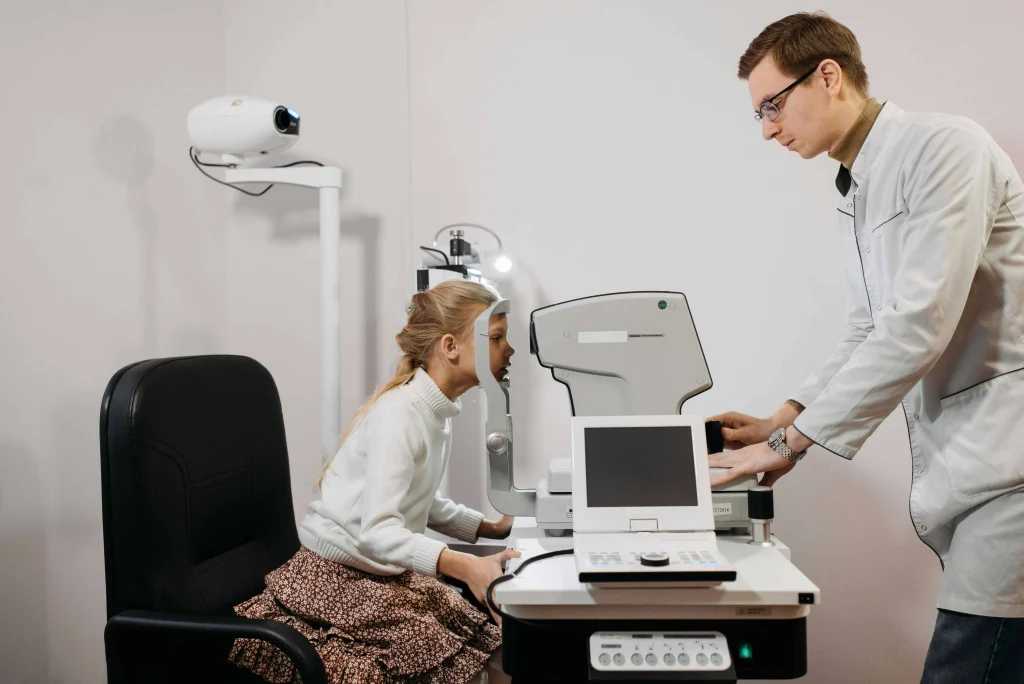
There is no guaranteed way to prevent photophobia, because it often results from underlying conditions. However, regular eye care and healthy habits can reduce the risk or severity of light sensitivity. The Cleveland Clinic advises that keeping your body healthy helps keep your eyes healthy. Here are some preventive measures:
- Schedule routine eye exams to detect early signs of disease. Conditions like cataracts, glaucoma, and macular degeneration can be managed more effectively when detected early.
- Protect your eyes from ultraviolet (UV) light by wearing sunglasses and hats when outdoors. UV radiation can damage eye tissues and increase photophobia risk.
- Use contact lenses properly, following recommended cleaning and replacement schedules. Overuse or poor fit can cause irritation and photophobia.
- Limit exposure to harsh lighting, such as bright LEDs or fluorescent lights. Use curtains, filters, or dimmers to control indoor lighting.
- Maintain a balanced diet and hydration. Nutrients like vitamins A, C, and E support eye health.
- Manage underlying health conditions, such as diabetes, autoimmune diseases, and migraines, through regular medical care.
- Get prompt treatment for infections or injuries. Early care can prevent complications that lead to chronic photophobia.
Photophobia and Migraine
Because migraine is so closely tied to photophobia, prevention strategies often focus on migraine management. These may include identifying and avoiding triggers (certain foods, stress, lack of sleep), following a regular sleep schedule, practicing relaxation techniques, and taking preventive medications as prescribed. When migraine attacks do occur, resting in a dark, quiet room can help relieve both headache and light sensitivity. A healthcare provider can provide a personalized migraine management plan.
Photophobia in Special Conditions
Light sensitivity can appear in various medical contexts. Below are some noteworthy examples.
Eye Conditions and Surgeries
As noted earlier, diseases like uveitis, corneal ulcers, conjunctivitis, cataracts, and keratoconus frequently cause photophobia. Eye surgeries, such as cataract removal or LASIK, often induce temporary light sensitivity during healing. Following post‑operative instructions—including wearing protective eyewear, using prescribed drops, and avoiding bright light—can help manage symptoms.
Neurological Disorders
Conditions affecting the nervous system may produce severe or persistent photophobia. Blepharospasm causes involuntary blinking and can worsen light sensitivity. Progressive supranuclear palsy and traumatic brain injury disrupt brain pathways that process light and pain. Meningitis, a serious infection of the brain’s protective membranes, often presents with sudden photophobia accompanied by fever, stiff neck, and headache. Because meningitis can be life‑threatening, immediate medical evaluation is essential.
Psychiatric and Systemic Conditions
While photophobia is most often associated with eye and neurological issues, psychiatric conditions such as depression and anxiety can exacerbate light sensitivity. Chronic conditions like fibromyalgia, chronic fatigue syndrome, and autoimmune diseases also appear on lists of photophobia causes. These associations underscore the importance of holistic health care; treating the mind and body together can ease photophobia symptoms.
Children and Photophobia
Light sensitivity can affect children, particularly if they have congenital eye conditions like albinism, aniridia, or inherited retinal dystrophies. Parents should watch for signs such as squinting, covering the eyes, or avoiding bright rooms. Because photophobia might signal a serious problem like meningitis or eye disease, any sudden or severe sensitivity warrants prompt medical attention. Pediatric eye specialists can help identify causes and recommend appropriate treatments.
When to See a Doctor
Not all light sensitivity requires urgent care. However, it is important to recognize red flags that indicate a need for professional evaluation. You should contact a healthcare provider if:
- Light sensitivity is severe enough that you need to wear sunglasses indoors or cannot tolerate normal lighting.
- Sensitivity occurs alongside headaches, red eye, blurred vision, or does not improve within a day or two.
- You develop sudden light sensitivity that worsens quickly.
- You experience additional symptoms such as nausea, dizziness, numbness, hearing changes, or fever.
- There has been a recent eye injury, chemical exposure, or use of new medications.
If eye pain is moderate to severe, even in low light, MedlinePlus advises getting medical help right away. These symptoms might signal serious conditions such as meningitis or acute eye disease. Early evaluation and treatment can prevent complications and preserve vision.
Living with Photophobia

For many people, photophobia becomes a long‑term part of daily life. Managing it requires a combination of medical care, lifestyle adjustments, and emotional support. Here are some practical tips for living with light sensitivity:
- Create a personalized lighting plan. Use lamps with adjustable brightness, install dimmer switches, and choose warm‑colored bulbs rather than harsh blue or white lights. Consider using LED bulbs with lower luminosity in work areas. The RNIB suggests limiting the amount of light entering the eyes by shading them and wearing appropriate eyewear.
- Customize your devices. Most smartphones, tablets, and computers allow you to adjust brightness, contrast, and color temperature. Enabling “night mode” or “dark mode” can reduce blue light exposure and ease eye strain.
- Wear suitable eyewear. Polarized sunglasses reduce glare, while tinted lenses may filter specific wavelengths (like blue light) that trigger photophobia. Consult an eye care professional to find the best type of lenses for your condition.
- Plan your environment. Arrange furniture and workspaces to minimize direct light shining into your eyes. Use curtains, blinds, or shades to control natural light. Consider repositioning screens or adjusting seating to avoid glare.
- Practice eye hygiene. Keep your eyes lubricated with doctor‑approved drops, especially if you have dry eye syndrome. Follow proper contact lens care and replace lenses as recommended.
- Stay healthy overall. Eating a balanced diet rich in vitamins A, C, and E supports eye health. Staying hydrated, exercising, and getting enough sleep can reduce headaches and fatigue that worsen light sensitivity.
- Seek support. Light sensitivity can lead to isolation or mood changes. Talk to friends and family about your needs. Support groups for migraines, eye diseases, or chronic pain can provide coping strategies and emotional encouragement.
- Work with professionals. An optometrist or ophthalmologist can recommend specialized lenses or therapies. Neurologists, pain specialists, or mental health professionals may be needed for complex cases. Regular follow‑ups ensure that treatments remain effective.
By integrating these habits and working with healthcare providers, most people can manage photophobia and maintain a good quality of life.
Conclusion
Photophobia is more than a “fear of light.” It is a painful sensitivity to light that signals an underlying problem. Causes range from eye diseases and injuries to neurological disorders, systemic illnesses, medications, and environmental factors. Recognizing common signs—such as squinting, avoiding bright spaces, or experiencing headaches with light—helps individuals seek timely care. Diagnosis involves taking a detailed history, conducting thorough eye and neurological exams, and sometimes using specialized questionnaires or tests. Effective treatment focuses on addressing the root cause while managing symptoms with glasses, medications, surgery, or lifestyle changes. Home strategies, like wearing polarized sunglasses, adjusting lighting, and using eye drops, can make daily life more comfortable.
While there is no foolproof prevention, regular eye exams, healthy habits, and prompt treatment of injuries or infections reduce the risk of developing persistent photophobia. When light sensitivity appears suddenly or severely, especially with other symptoms like fever or vision changes, it is important to seek medical attention immediately. Overall, understanding the causes and mechanisms of photophobia empowers people to manage it effectively, maintain eye health, and enjoy the brightness of life without pain.