

Most of us love sunny days, whether we are driving to work, hitting the beach or hiking a trail. But bright sunlight can also make it hard to see. Have you ever squinted while driving into the sunset or looked at water only to be blinded by a sharp glare? The right sunglasses can make all the difference. Polarized lenses promise to reduce glare, while non‑polarized lenses simply darken the scene. If you’ve ever wondered which type is best for you, this guide will help you decide.
We’ll explain how polarized and non‑polarized sunglasses differ, why ultraviolet (UV) protection matters, and how to pick a pair that fits your lifestyle. By the end, you’ll know seven fast ways to choose the right sunglasses. We’ll keep the language simple and the tone conversational so everyone can follow along.
What Are Polarized and Non‑Polarized Sunglasses?
Non‑Polarized Sunglasses
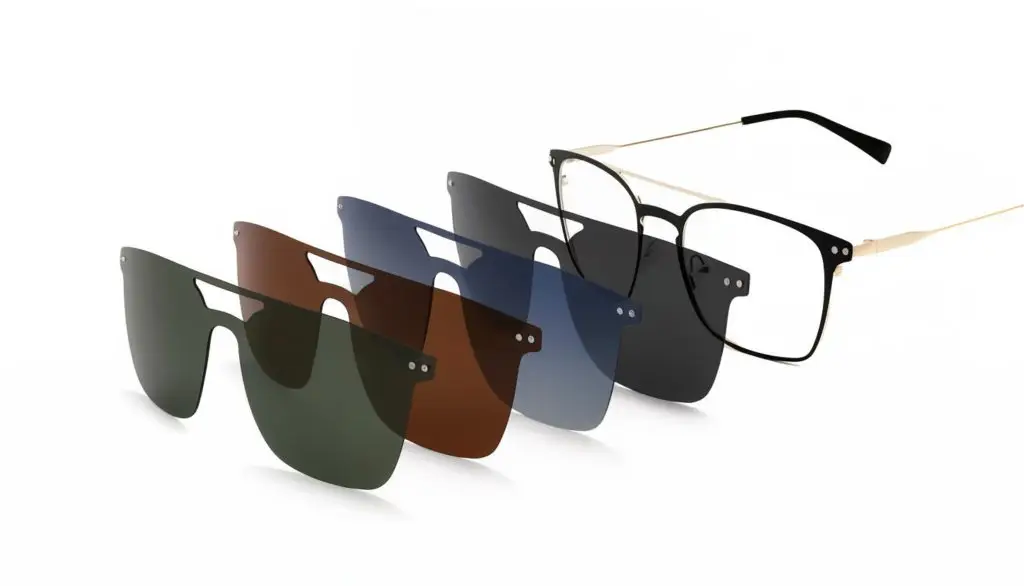
Non‑polarized sunglasses are what most people think of when they picture sunglasses. They have tinted lenses that reduce the amount of light entering the eyes. This tint can make the world look darker, but it does not remove glare. Non‑polarized lenses are good for general use, and they protect your eyes from bright light when combined with UV‑blocking materials. A page on Dean McGee Eye Institute explains that non‑polarized sunglasses use dyes and pigments to block UV rays and reduce overall light intensity, but they do not filter out horizontal light associated with glare. So if you are looking at water or a wet road, non‑polarized lenses will not reduce the shiny reflections.
Polarized Sunglasses
Polarized sunglasses have an additional filter that reduces glare. The American Academy of Ophthalmology (AAO) notes that polarized or anti‑glare lenses reduce light glare and eyestrain, improving vision and safety in bright conditions. They work by blocking horizontal waves of light that cause glare while allowing vertical waves to pass through. A Texas A&M University benefits article describes polarization as a chemical film with molecules aligned to create slots for light. Light waves that come in at other angles cannot fit through the slots, so the glare is blocked.
When light reflects off smooth surfaces like calm water, snow or car hoods, it tends to become horizontally polarized. Polarized lenses filter out this glare, so your view is clearer and less washed out. The AAO article explains that polarized lenses make objects appear crisper and clearer, although the overall image may look a bit darker. Because of this filter, polarized sunglasses can be especially helpful while driving, boating or fishing. On the other hand, they may not be necessary if you rarely encounter reflective glare.
How to Tell If Your Sunglasses Are Polarized
A simple way to test whether your sunglasses are polarized is to hold them in front of a computer or phone screen that uses liquid crystal display (LCD) technology. Rotate the glasses slowly. If the screen appears to darken at certain angles, the lenses are polarized. Many polarized sunglasses also have a label or sticker indicating they are polarized. Keep in mind that polarization alone does not guarantee UV protection — we’ll discuss UV more in a moment.
UV Protection Is Essential for Eye Health

It is easy to focus on glare reduction and forget that the main purpose of sunglasses is to protect your eyes from harmful ultraviolet radiation. The American Academy of Ophthalmology warns that long‑term exposure to UV‑A and UV‑B rays can damage the cornea and lens, increasing the risk of cataracts and macular degeneration. Wearing sunglasses year‑round is important because UV rays can damage your eyes even on cloudy days.
MedlinePlus, a resource from the U.S. National Library of Medicine, emphasizes that everyone is at risk for eye damage from the sun all year and that it’s important to use sunglasses that block at least 99% of UV rays. Similarly, the AAO’s guide to recommended types of sunglasses advises looking for lenses that block 99% or 100% of all UV light; some labels may say “UV absorption up to 400 nm,” which means the same thing. The U.S. Food and Drug Administration (FDA) notes that consumers should choose sunglasses with a UV400 rating or labels that read “100% UV protection.” These lenses block more than 99% of UVA and UVB radiation.
It’s important to understand that lens darkness does not indicate UV protection. The FDA warns not to confuse dark‑tinted sunglasses with UV protection: even light‑colored lenses can offer the same UV protection. For example, green or amber lenses may be fashionable, but without a UV400 rating they may leave your eyes exposed. UV protection is a coating or built‑in property, not a result of how dark the lenses appear.
Wraparound and Large Lenses
Protection also depends on the shape of the glasses. The AAO advises that large lenses and wraparound styles provide more coverage by blocking rays from the sides. The FDA echoes this, recommending wraparound frames for additional UV protection. When sunlight enters from above or the sides, small lenses may let in harmful rays. Oversized frames or wraparound sunglasses help shield your eyes and the delicate skin around them.
How Polarized Lenses Work: A Simple Explanation
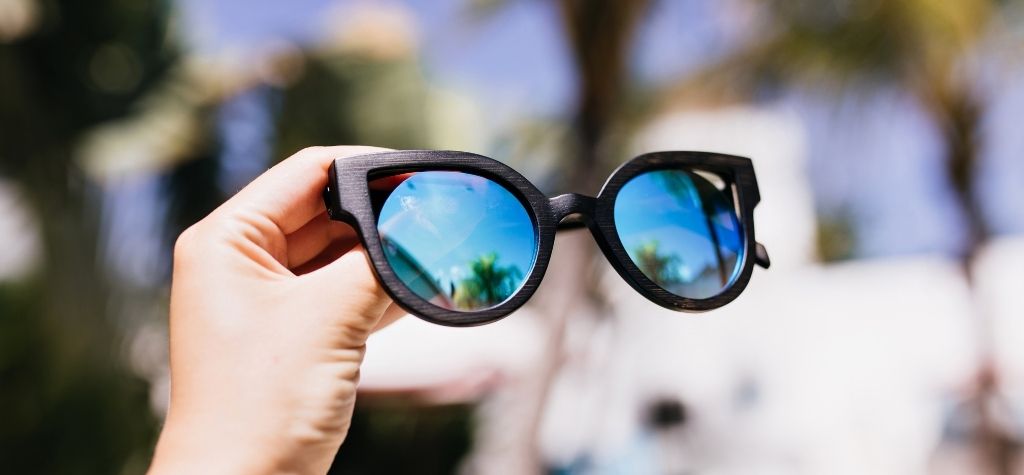
To understand why polarized lenses reduce glare, it helps to know a little about light waves. Light travels in waves that vibrate in many directions. When light reflects off a smooth, flat surface like water or pavement, the waves become aligned horizontally. This horizontal alignment creates the intense glare you see on sunny days.
The AAO describes polarized lenses as having a filter that creates vertical openings for light. Only light that approaches your eyes vertically can pass through, while horizontal waves are blocked. Think of it like a tiny set of blinds on your lenses: vertical slats let certain light through and stop the rest. As a result, the glare disappears, and you see a clearer image.
The Texas A&M article adds that polarized lenses use an embedded chemical film with molecules arranged in a parallel pattern. These molecules block vertically aligned light waves (or horizontal waves, depending on orientation) and allow the rest to pass. Because of this selective filtering, the world viewed through polarized lenses appears slightly darker but less washed out. Many people find that colors look more vibrant, too.
A 2023 study published in the journal Frontiers in Sports and Active Living examined polarized and non‑polarized sunglasses for road sports. Researchers measured the transmission spectra of 10 pairs of sports sunglasses and surveyed athletes. They found that while both types had similar overall transmission, polarized lenses blocked horizontally polarized light reflected by roads, resulting in a darker road appearance and reduced glare. The study concluded that polarized sunglasses increased contrast discrimination of objects against the road and were preferred by athletes. This scientific evidence supports the practical benefits of polarization during outdoor activities.
When Polarized Lenses Help
Polarized lenses are especially useful in certain situations:
- Driving: The Cleveland Clinic notes that polarized lenses do a fantastic job of removing glare on roads and water. When sunlight reflects off asphalt or the hood of your car, polarization reduces that shine, making it easier to see and reducing eyestrain.
- Boating and Fishing: Both the AAO and the Dean McGee Eye Institute highlight how polarized lenses help people see below the surface of water, making them invaluable for fishing and boating. The lenses cut the glare off water and sand, improving clarity.
- Beach and Snow Activities: Sand and snow reflect sunlight strongly. Polarized lenses can make beach days and snowy slopes more comfortable. For winter sports, however, some caution applies (see below).
- Outdoor Sports: The sports study noted above found that polarized lenses improved contrast and were preferred by athletes on the road. Runners, cyclists, and motorcyclists often choose polarized sunglasses to reduce glare and see obstacles more clearly.
When Polarized Lenses Are Not Ideal
Despite their benefits, there are times when polarized lenses might not be the best choice. The AAO and Cleveland Clinic provide a few examples:
- LCD Screens: Polarized lenses can make it difficult to read screens on car dashboards, ATMs, cell phones, or certain watches. If you rely heavily on electronic displays, non‑polarized lenses may be better.
- Pilots and Machine Operators: The Cleveland Clinic warns that pilots and people operating heavy machinery should avoid polarized lenses because they can make it hard to read instruments. Safety should come first.
- Snow and Ice: Skiers and snowboarders sometimes prefer non‑polarized lenses because polarized sunglasses can make it harder to see icy patches. The AAO recommends caution in snowy environments when glare can help you identify ice.
- Night Driving: Polarized sunglasses are not recommended for night driving because they reduce the amount of light entering your eyes. Look for dedicated night‑driving lenses or skip polarization at night.
If you’re unsure whether polarization is right for your activity, consider having two pairs of sunglasses: one polarized for glare‑heavy situations and one non‑polarized for tasks that require reading screens or seeing subtle details like ice.
Benefits of Polarized Sunglasses

Beyond reducing glare, polarized sunglasses offer other advantages.
- Reduced Eyestrain – Glare can cause squinting and fatigue. By cutting glare, polarized lenses reduce eyestrain and make outdoor activities more comfortable. The Cleveland Clinic lists eye strain reduction as a key benefit.
- Improved Contrast and Clarity – The Dean McGee Eye Institute explains that polarized lenses improve clarity and contrast, making images appear more crisp and vivid. Greens look greener and blues look bluer, enhancing your view.
- Better Color Perception – Because glare tends to wash out colors, removing it allows colors to appear more vibrant. Many people find that the world looks richer with polarized lenses. This can make long drives or days at the beach more pleasant.
- Reduced Risk of Glare‑Related Accidents – Intense glare can reduce your ability to see obstacles or other vehicles. The sports study found that polarized lenses increase contrast discrimination. This could help you identify hazards and avoid accidents.
- Comfort in Water Sports – Fishermen and boaters appreciate how polarization allows them to see into the water by removing surface reflections. This can aid in navigation or spotting fish.
- Less Fatigue for Drivers – The Texas A&M article notes that drivers often report reduced fatigue after wearing polarized lenses because they no longer have to battle glare for hours. This can be important during long road trips.
Health Considerations
Although polarized lenses reduce glare, they do not always include UV protection. Without additional filtering, polarized lenses will not protect your eyes from harmful UV rays. The AAO points out that polarization alone does not block UV rays, so always check the label for 100% UV protection. Dean McGee Eye Institute also notes that sunglasses labelled UV400 provide the highest level of UV protection, blocking virtually all harmful UV rays. Combining UV protection with polarization gives you the best of both worlds.
Drawbacks of Polarized Sunglasses
Polarized lenses are not perfect. Here are some limitations to keep in mind:
- Higher Cost: Polarized lenses typically cost more than regular tinted lenses. This is due to the additional filter and manufacturing process. The Texas A&M article mentions that polarized sunglasses can cost more than plain sunglasses, but they are a sound investment in eye comfort and protection.
- Difficulty Reading Screens: As noted earlier, polarization can make LCD screens hard to read. Car dashboards, digital watches, and even some airplane cockpit displays may appear dark or distorted.
- Not Great for Certain Winter Sports: In snowy conditions, glare can sometimes be helpful to see icy patches. Polarized lenses may hide ice, which could be dangerous for skiers or snowboarders.
- Night Driving Problems: Polarized sunglasses should not be used at night because they reduce the overall light entering your eyes.
- May Distort Windscreens: Polarized lenses can reveal stress patterns in tempered glass, such as car windows. Some people find this distracting. Others become accustomed to it.
Despite these drawbacks, many people still prefer polarized lenses for bright daytime activities because the benefits outweigh the limitations.
Benefits of Non‑Polarized Sunglasses
Non‑polarized sunglasses also have advantages:
- Better for Reading Screens: Because they don’t filter out horizontal light, non‑polarized lenses allow you to see electronic displays clearly. This makes them suitable for pilots, machine operators and anyone who needs to read instruments.
- Less Expensive: Non‑polarized sunglasses are usually cheaper than polarized ones. If you only need basic shade and good UV protection, non‑polarized lenses may be a more budget‑friendly option.
- Versatile Tints and Styles: Non‑polarized sunglasses come in a wide range of colors, gradient tints, and mirror finishes. The AAO notes that colored and metallic lenses are largely about style and not necessarily about eye safety. This gives you more choices to match your taste.
- Better for Winter Sports: For skiing or snowboarding, non‑polarized lenses let you see reflections from ice, helping you avoid danger. Some athletes prefer tinted lenses without polarization for this reason.
The right choice depends on your activities and preferences. Many people own both types for different situations.
Lens Colors, Tints and Materials
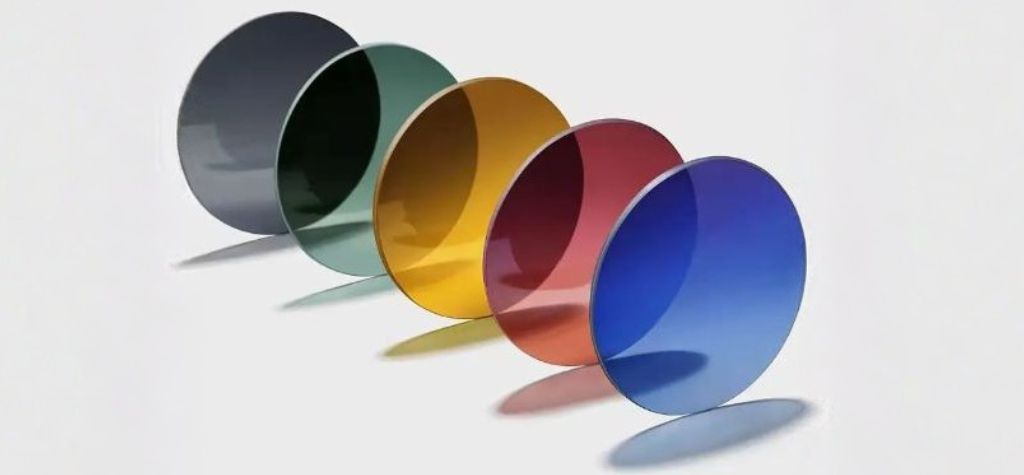
Besides polarization, sunglasses differ in lens color, tint, and material. Understanding these factors will help you choose a pair that meets your needs.
Lens Color and Tint
- Gray Lenses: Gray lenses reduce brightness but do not alter the natural colors of your surroundings. Cleveland Clinic notes that gray lenses provide the least color distortion, making them a good all‑purpose choice.
- Brown or Amber Lenses: Brown lenses increase contrast and depth perception. The AAO explains that brown or rose‑colored lenses provide extra contrast, which is helpful for sports such as golf or baseball. They are also popular for driving because they enhance contrast between the road and the environment.
- Yellow or Gold Lenses: Yellow lenses boost contrast in low‑light conditions but do not block much sunlight. They are sometimes used for shooting sports or foggy driving. However, they are not ideal for bright sunlight.
- Green Lenses: Green lenses balance color perception and contrast. They reduce glare and brighten shadows.
- Blue or Purple Lenses: These are mostly for style, with little functional benefit. Dark blue lenses may distort colors.
- Mirror and Metallic Coatings: Mirror coatings reflect some light, making them darker. Yet the AAO warns that mirror finishes do not guarantee UV protection, so you still need to check the label.
Gradient and Double‑Gradient Lenses
Gradient lenses are shaded from top to bottom. Single gradient lenses cut glare from the sky while letting you see clearly below. They are useful for driving because they do not dim your view of the dashboard. Double‑gradient lenses are dark at the top and bottom but lighter in the middle. They can be better for sports like sailing or skiing, where light reflects up off water or snow. However, double‑gradient lenses are not recommended for driving because they make the dashboard appear dim.
Lens Materials
The material of your sunglasses lenses affects weight, durability and clarity:
- Plastic (CR‑39): Lightweight and affordable. Plastic lenses are common and can provide excellent optical quality. They often include built‑in UV protection. However, they scratch more easily than glass.
- Polycarbonate: Extremely impact‑resistant and lighter than standard plastic. Polycarbonate lenses are recommended for sports and safety glasses because they can withstand impacts and provide good UV protection.
- Trivex: Similar to polycarbonate but with slightly better optical clarity. Trivex lenses meet the same safety standards and are less distorting. They may be a good option for high‑performance sunglasses.
- Glass: Offers the best scratch resistance and optical clarity. Glass lenses are heavier and can break more easily, so they are less common in modern sunglasses. Glass lenses often provide natural UV protection.
- High‑Index Plastic: Thin and lightweight even for strong prescriptions. High‑index lenses are usually used in prescription sunglasses but may be more expensive.
Lens Coatings
Coatings can improve performance:
- Anti‑Reflective Coating: Reduces reflections on the back surface of the lenses. This is helpful when sunlight hits the back of your sunglasses, which can reflect into your eyes.
- Scratch‑Resistant Coating: Protects lenses from minor scratches. Polycarbonate lenses require this because they scratch easily.
- Hydrophobic or Oleophobic Coatings: Repel water, oil and fingerprints. These coatings keep lenses clean and improve visibility during water activities.
- UV Coating: Blocks ultraviolet rays. Always check that your lenses offer 100% UV protection even if they have other coatings.
Frame Styles and Fit

The frame of your sunglasses affects comfort, coverage and style. Consider these factors when choosing frames:
- Size and Coverage: Larger lenses or wraparound styles offer more protection by blocking sunlight from the sides. If you spend lots of time outdoors, choose frames that cover the entire eye socket.
- Material: Plastic frames are lightweight and often cheaper. Metal frames may be sturdier but can be heavier. Some people have skin sensitivities to certain metals. Look for hypoallergenic materials if you have allergies.
- Fit: Sunglasses should sit comfortably on your nose and ears without slipping. Adjustable nose pads can help customize the fit. If possible, try on several frames to see which feel best.
- Style: Choose a style that matches your personality and the activities you enjoy. Aviators, wayfarers, sport styles, and wraparounds all have different looks. Keep in mind that style should not compromise functionality and protection.
- Prescription vs. Non‑Prescription: If you need vision correction, you can get prescription sunglasses. Polarized prescription sunglasses are available and provide glare reduction along with vision correction. Many optical shops, including the Dean McGee Eye Institute, offer prescription polarized lenses.
Seven Fast Ways to Choose the Right Sunglasses
Now that you know the basics of polarization, UV protection, lens colors and frame styles, let’s break down seven quick steps to help you choose the right pair of sunglasses.
1. Decide Whether You Need Polarization
Consider where and how you’ll wear your sunglasses. If you spend a lot of time driving, fishing or near reflective surfaces like water or snow, polarization will reduce glare and improve comfort. If you read screens often, operate machinery or ski, non‑polarized lenses might be better. Some people own both polarized and non‑polarized pairs for different scenarios.
2. Check for 99–100% UV Protection
Do not compromise on UV protection. Look for labels that say “100% UV protection,” “UV400,” or “blocks 99–100% of UVA and UVB”. MedlinePlus reminds us that proper sunglasses should block at least 99% of UV rays. If you’re unsure, ask an eye care professional to check the UV protection level. Remember that lens darkness does not indicate UV protection.
3. Choose the Right Lens Color and Tint
Select a lens color based on your activities:
- Gray for minimal color distortion and everyday use.
- Brown or Amber for enhanced contrast during sports or driving.
- Yellow for foggy or low‑light conditions.
- Green for balanced color and contrast.
- Gradient lenses for driving; single gradient lenses cut glare from above and allow clear dashboard viewing. Double‑gradient lenses may be better for sailing or skiing.
Pick a color that suits your needs, but always ensure the lenses provide UV protection.
4. Evaluate Lens Material
Consider whether you need impact resistance, scratch resistance or light weight:
- Polycarbonate or Trivex lenses are best for sports and active lifestyles because they resist impacts and meet safety standards. They may scratch easily, so look for scratch‑resistant coatings.
- Plastic (CR‑39) lenses are affordable and lightweight; they may be suitable for casual use.
- Glass lenses offer superior optical clarity and scratch resistance but can be heavier and breakable.
- High‑index plastic lenses are thin and light for strong prescriptions.
Your choice will depend on how you plan to use your sunglasses. For children or athletes, polycarbonate or trivex is often recommended.
5. Select a Frame Style That Fits and Protects
Comfort and coverage are essential. Look for frames that fit your face well, do not pinch your nose, and cover your eyes from all angles. Wraparound styles and large frames block sunlight from the sides and top. Adjustable nose pads and temple pieces can improve the fit. Avoid frames that slip when you move your head. Consider your style preferences but prioritize protection and comfort.
6. Consider Your Activities and Environment
Think about where you will use your sunglasses most often:
- Driving and Commuting: Polarized lenses reduce glare from roads and car hoods. Gray or brown lenses work well. Single‑gradient or uniform tints are suitable because they do not distort dashboard controls.
- Water Sports: Polarized lenses are almost essential. They cut reflections off water, helping you see beneath the surface and reducing fatigue.
- Winter Sports: Consider non‑polarized or double‑gradient lenses. Some skiers find it helpful to see the glare from icy patches.
- Outdoor Athletics: Activities like running, cycling or golf benefit from polarization because it increases contrast and reduces glare. Brown or amber lenses enhance contrast on the field.
- Fashion and Casual Wear: If style is your priority and you are mostly in the shade or city, non‑polarized lenses with good UV protection may suffice. Choose colors and frames that match your outfits.
7. Test Lens Quality and Comfort Before Buying
Don’t settle for the first pair you try. Follow the AAO’s simple test for lens quality: look at a rectangular pattern through the lenses (like a tiled floor) and move the glasses side to side. If the lines stay straight, the lenses are fine; if they wobble, choose another pair. Also, try wearing the sunglasses outside if possible. Assess whether they reduce glare, keep colors natural, and fit comfortably. Wear them for a few minutes to see if they cause headaches or discomfort.
If you shop online, order from retailers that allow returns. Many companies offer home try‑on services. When you receive the glasses, perform the same quality and fit tests. For prescription sunglasses, visit an optician to ensure the lenses are correctly made and aligned.
Additional Considerations When Buying Sunglasses
Price vs. Quality
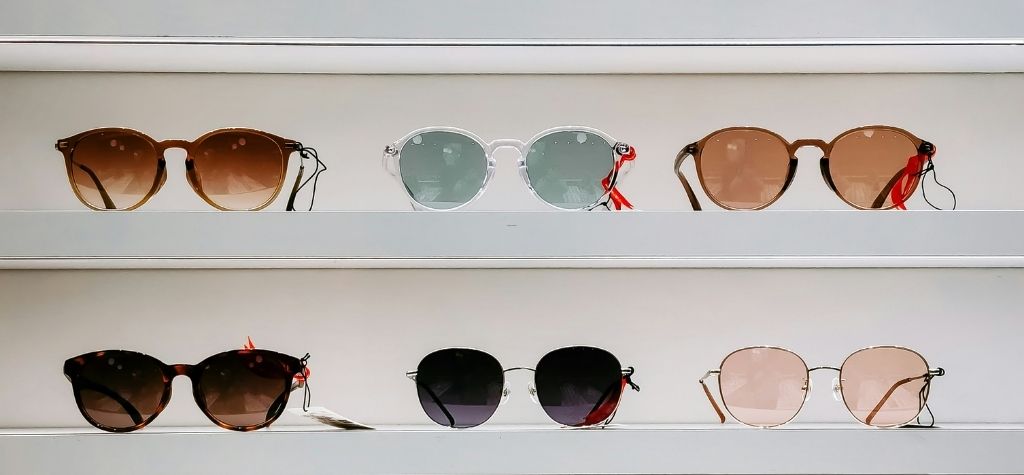
Higher price does not always mean better protection. The AAO points out that expensive sunglasses aren’t always safer; drugstore sunglasses labeled as 100% UV‑blocking can be a better choice than designer frames with no protection. The FDA agrees, noting that pricier sunglasses don’t ensure greater UV protection. Pay for features that matter — UV protection, polarization if needed, durable materials — rather than brand names.
Prescription Sunglasses
If you wear glasses or contact lenses for vision correction, consider prescription sunglasses. They allow you to see clearly without switching between glasses and regular sunglasses. Many opticians offer prescription polarized lenses. Ask your eye doctor about options like progressive lenses, single‑vision sunglasses, or clip‑on polarized lenses that attach to your regular glasses.
Maintenance and Care
To keep your sunglasses effective and durable:
- Store them in a protective case to prevent scratches.
- Clean them with microfiber cloths and lens cleaner. Avoid using clothing or paper towels because they may scratch the lenses.
- Avoid leaving them in hot cars. Extreme heat can warp plastic frames and damage coatings.
- Rinse after saltwater exposure. If you wear them while boating or swimming, rinse them with clean water to remove salt that can corrode metals or leave residue.
- Replace when necessary. If lenses become scratched or the UV coating wears off, it’s time for a new pair. You can ask an eye care professional to test your lenses for UV protection.
Eye Exams and Eye Health
Regular eye exams are important, even if you wear sunglasses. The Texas A&M article reminds readers that eye exams help detect systemic diseases like diabetes and hypertension. An eye doctor can also check that your sunglasses fit your prescription and provide adequate protection. Make eye health a priority by scheduling exams as recommended by your healthcare provider.
Conclusion: Protect Your Eyes and Enjoy the Sun
Choosing between polarized and non‑polarized sunglasses doesn’t have to be confusing. Polarized lenses have a special filter that reduces glare, making them perfect for driving, fishing, and many outdoor activities. They improve clarity and contrast, reduce eyestrain, and help you stay comfortable in bright sunlight. Non‑polarized sunglasses still offer vital UV protection and are often better for reading screens, skiing or other tasks where glare can be helpful.
Regardless of polarization, the most important factor is UV protection. Always choose sunglasses that block 99–100% of UVA and UVB rays. Remember that lens darkness or price does not guarantee UV protection. Consider lens color, material, and frame style based on your activities and comfort. Test the fit and quality before you buy, and maintain your sunglasses properly.
By following the seven steps outlined here — deciding on polarization, checking UV protection, selecting lens color, evaluating materials, choosing a protective frame, considering your environment, and testing quality — you’ll find the perfect pair of sunglasses for your needs. Your eyes will thank you as you enjoy clearer vision, reduced glare and long‑term protection. Whether you’re driving into the sunset, casting a line into shimmering water or simply taking a walk on a bright afternoon, the right sunglasses will help you see the world more comfortably and safely.
