

The Carrot Myth and a Wartime Tale
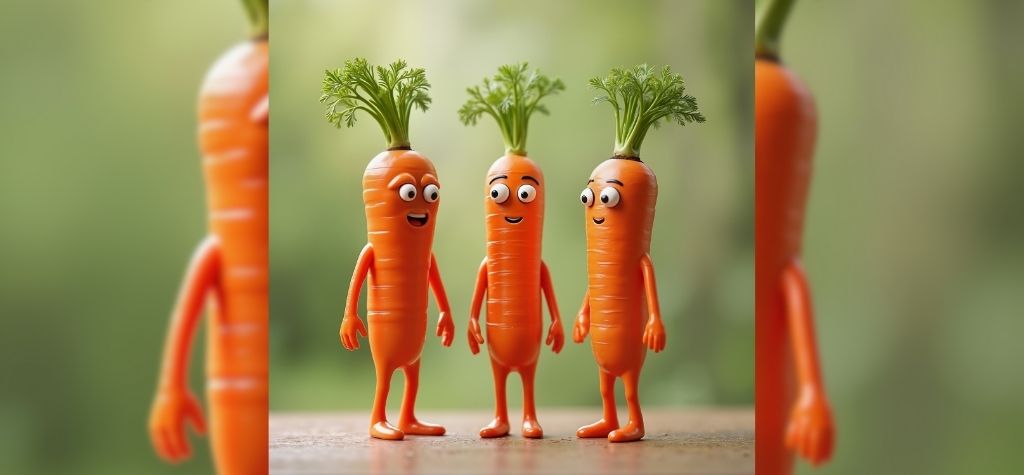
“Eat your carrots so you can see in the dark.” Many of us grew up hearing this advice, often delivered in loving earnest by parents or grandparents. The idea that carrots magically sharpen vision has become part of cultural folklore. During World War II the British Royal Air Force even credited their pilots’ success to eating carrots, a story that was partly a propaganda tool to disguise their use of radar. While this wartime tale helped promote carrot consumption, the question remains: can carrots really improve eyesight?
In this article we’ll explore the science behind carrots and eye health. We’ll look at how beta‑carotene and vitamin A affect your vision, discuss the realities of vitamin A deficiency, and consider why a balanced diet matters more than any single vegetable. You’ll also get tips on eye‑friendly foods and habits. All information is presented in simple, conversational language suitable for a middle‑school reader.
How Carrots Got Their Reputation
Carrots are rich in a pigment called beta‑carotene, which gives them their bright orange color. Your body uses beta‑carotene to make vitamin A. Vitamin A is crucial for making rhodopsin, the light‑sensitive protein in the retina that helps us see in low‑light conditions. Without enough vitamin A, the cells in your eye cannot function properly. This link between beta‑carotene, vitamin A and night vision is the reason carrots gained a reputation as a “vision food.”
The myth gained momentum during World War II. The British Ministry of Food promoted carrots as a way to improve night vision, encouraging civilians to eat them during blackouts. While carrots did provide valuable nutrients, the real reason pilots could see so well in the dark was radar technology. Still, the story highlighted a genuine scientific fact: vitamin A is needed for night vision.
Beta‑Carotene, Vitamin A and Your Eyes

How Your Body Uses Beta‑Carotene
Beta‑carotene belongs to a family of plant pigments called carotenoids. When you eat carotenoid‑rich foods like carrots, your digestive system converts some of the beta‑carotene into vitamin A. This conversion happens in the intestine through an enzyme called beta‑carotene monooxygenase. The newly formed vitamin A is then transported to the liver and stored as retinyl esters. When needed, it travels to the eye, where it becomes retinal and combines with opsin to form rhodopsin.
Vitamin A is essential for vision because it supports two critical functions:
- Light detection: Vitamin A is part of rhodopsin, which allows the retina to respond to light. Without enough vitamin A, rhodopsin levels drop and you may struggle to see in dim light.
- Eye surface health: Vitamin A also supports the normal differentiation of the conjunctival membranes and cornea. These tissues help lubricate the eye and keep it clear. Deficiency can lead to dry eyes and even corneal damage.
What Happens When You Lack Vitamin A
Vitamin A deficiency is rare in high‑income countries but remains a serious problem in parts of Africa and Asia, where access to animal foods and orange‑colored fruits and vegetables may be limited. The most common eye‑related sign of deficiency is xerophthalmia, which starts with night blindness—difficulty seeing in low light because rhodopsin levels are low. Without intervention, deficiency damages the cornea and can lead to permanent blindness. Worldwide, vitamin A deficiency is one of the leading causes of preventable blindness in children.
In undernourished populations, vitamin A supplements or beta‑carotene‑rich foods can restore night vision. A study in a developing country found that eating about 4.5 ounces of cooked carrots six days a week improved night blindness in pregnant women. However, many other factors—including overall nutrition and health—also play a role.
Carrots Are Good, but They Aren’t Magic
Moderate Amounts Matter
It’s true that eating carrots contributes to healthy eyes. Carrots provide beta‑carotene, which your body converts into vitamin A. According to Duke ophthalmologist Jill Koury, there is a connection between eating carrots and maintaining good eyesight. Vitamin A in normal, recommended quantities is essential for keeping vision healthy. If a person is deprived of vitamin A for too long, the photoreceptors in the eye begin to deteriorate, and restoring vitamin A intake can help restore vision.
However, moderation is key. The same article notes that overdosing on carrots won’t improve vision and can even turn your skin yellow. This yellowing comes from excess beta‑carotene accumulating in the body. While harmless, it shows that your body regulates vitamin A conversion and will not endlessly turn beta‑carotene into active vitamin A. Once you have enough vitamin A, your body stops converting beta‑carotene to avoid toxic levels. For most people, eating carrots occasionally is sufficient.
Efficiency of Beta‑Carotene Conversion
Research suggests that converting beta‑carotene into vitamin A is not very efficient. Estimates show that 12 to 21 molecules of beta‑carotene are needed to make just one molecule of vitamin A. Genetic differences may also influence how well your body performs this conversion. Therefore, depending solely on carrots for vitamin A might not meet your needs, especially if you have limited ability to convert beta‑carotene.
Carrots Alone Can’t Fix Most Vision Problems
Many eye problems are caused by genetics, aging or diseases like diabetes, and cannot be cured by eating carrots. While vitamin A helps maintain eye health, it won’t reverse myopia (nearsightedness), presbyopia (age‑related focus loss) or conditions like glaucoma or cataracts. In other words, carrots are helpful for preventing deficiency but not a miracle cure.
Beyond Carrots: Other Eye‑Healthy Nutrients
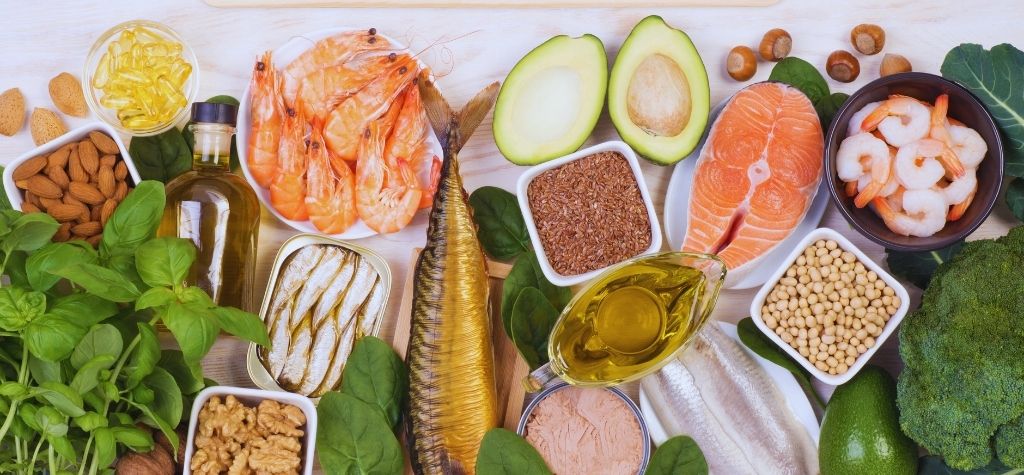
Scientists studying eye health have discovered that multiple nutrients, not just vitamin A, protect the eyes. The Age‑Related Eye Disease Studies (AREDS 1 and 2) found that a combination of vitamin C, vitamin E, beta‑carotene, zinc, lutein and zeaxanthin could slow the progression of age‑related macular degeneration (AMD). However, these high‑dose supplements were beneficial mainly for people with moderate or advanced AMD; people without AMD did not need high‑dose supplements.
Vitamin C and Vitamin E
Vitamin C is a powerful antioxidant that helps repair and grow new tissue. The American Academy of Ophthalmology notes that vitamin C protects cells from damage and may help prevent or delay cataracts and AMD. You can get vitamin C from citrus fruits, strawberries, tomatoes and red bell peppers. Vitamin E, found in almonds, avocados and sunflower seeds, helps keep cells healthy.
Lutein and Zeaxanthin
Lutein and zeaxanthin are carotenoids found in leafy green vegetables like kale, spinach and collard greens. These compounds are concentrated in the macula, the part of the retina responsible for detailed vision. They help filter high‑energy light and protect the retina. The American Academy of Ophthalmology recommends eating greens such as kale, spinach, romaine lettuce, broccoli and peas, as well as eggs, which also supply these nutrients.
Omega‑3 Fatty Acids and Zinc
Omega‑3 fatty acids support retinal health and may reduce dry eye symptoms. Good sources include salmon, tuna, mackerel and sardines, as well as plant‑based sources like flax and chia seeds. Zinc is another important mineral; it helps maintain the retina and may protect against light damage. You can find zinc in beans, legumes, oysters, lean meat and poultry.
Building an Eye‑Healthy Diet
Carrots are one piece of the eye‑health puzzle. To truly support your vision, consider a varied and balanced diet. Here’s how to build one:
Eat the Rainbow
Dr. Paul Bernstein, principal investigator in the AREDS studies, advises eating a “rainbow” of fruits and vegetables. University of Utah Health explains that carrots are a super source of beta‑carotene—but it takes many colors to protect your irreplaceable vision. That means including orange foods like sweet potatoes and apricots, green vegetables like spinach and kale, red foods like tomatoes and strawberries, and even purple or blue foods like berries.
Focus on Whole Foods
Omega‑3 fatty acids support retinal health and may reduce dry eye symptoms. Good sources include salmon, tuna, mackerel and sardines, as well as plant‑based sources like flax and chia seedshealthcare.utah.edu. Zinc is another important mineral; it helps maintain the retina and may protect against light damageaao.org. You can find zinc in beans, legumes, oysters, lean meat and poultryaao.org.
Balance With Healthy Fats and Proteins
In addition to fruits and vegetables, include sources of omega‑3 fats (e.g., fish and nuts), lean proteins like beans and poultry, and whole grains. These foods support overall health and keep the small arteries that feed the eyes healthy. Avoid excessive processed foods and trans fats, which may contribute to inflammation.
Stay Hydrated and Protect Your Eyes
Drinking enough water helps maintain tear production and prevents dry eyes. Protect your eyes from ultraviolet (UV) radiation by wearing UV‑blocking sunglasses and hats. University of Utah Health also reminds us to get regular dilated eye exams, exercise, and avoid rubbing your eyes. Good habits matter as much as good nutrition when it comes to healthy vision.
A Balanced Perspective: Truths and Misconceptions

Truth: Carrots Support Eye Health
Carrots are a nutritious vegetable. They provide beta‑carotene, fiber and other antioxidants. In populations where vitamin A deficiency is common, beta‑carotene from carrots can improve night vision and prevent blindness. Eating carrots regularly as part of a varied diet helps ensure you meet your vitamin A needs.
Myth: Carrots Alone Will Fix Vision Problems
Carrots cannot correct refractive errors like nearsightedness or presbyopia. They also will not reverse diabetic eye disease or genetic conditions. Even though there is a connection between eating carrots and maintaining good eyesight, overdosing on carrots will not sharpen your vision. Vision problems typically involve structural or genetic factors that nutrition alone cannot overcome.
Truth: Vitamin A Plays a Key Role in Night Vision
The retina needs vitamin A to make rhodopsin. When vitamin A levels are low, people experience night blindness. Restoring vitamin A intake through foods or supplements improves night vision in deficient individuals. However, once you have adequate vitamin A, extra carotene does not produce “super vision.”
Myth: More Beta‑Carotene Means Better Eyesight
Your body regulates how much beta‑carotene it converts. Consuming large amounts of carrots or supplements will not keep raising vitamin A levels indefinitely. In fact, high doses of vitamin A supplements can be toxic. It is safer to meet your vitamin A requirement through food, including carrots, sweet potatoes, spinach and fortified dairy products.
Practical Tips for Including Carrots and Eye‑Healthy Foods
- Add carrots to meals: Chop raw carrots into salads, blend them into smoothies, or roast them as a side dish. Their sweetness pairs well with herbs and spices.
- Switch to sweet potatoes: Sweet potatoes contain even more beta‑carotene than carrots and can be baked, mashed or made into fries.
- Eat leafy greens daily: Include spinach or kale in omelets, smoothies and soups to get lutein and zeaxanthin.
- Enjoy colorful fruits: Snack on apricots, cantaloupe and mangoes for vitamin A. Berries add vitamin C and antioxidants.
- Choose healthy proteins: Opt for fish like salmon or tuna for omega‑3 fats. Beans and legumes supply zinc and fiber.
- Stay hydrated: Drinking water and eating water‑rich fruits and vegetables, such as cucumbers and melons, supports tear production.
- Protect your eyes: Wear UV‑blocking sunglasses and hats when outdoors, and avoid smoking, which generates free radicals.
- Get regular eye check‑ups: Visit your eye doctor every two years (or more often if you have a family history of eye disease) to catch problems early.
Conclusion: The Whole Picture on Carrots and Vision
So, can carrots actually improve your eyesight? The truth is nuanced. Carrots are a valuable source of beta‑carotene, and vitamin A is essential for night vision and eye surface health. In populations where vitamin A deficiency is common, carrots can help prevent blindness. However, eating carrots alone will not transform or restore vision for people whose eyesight issues stem from genetics, aging or diseases. The body tightly controls how much beta‑carotene converts to vitamin A, and excess intake offers no extra benefit.
For optimal eye health, focus on balance and variety. A diet rich in colorful fruits and vegetables, healthy fats, lean proteins and whole grains provides a spectrum of nutrients—vitamin A, C, E, lutein, zeaxanthin, omega‑3s and zinc—that work together to protect your eyes. Pair good nutrition with protective habits: wear sunglasses, get regular eye exams and maintain a healthy lifestyle. Carrots are a tasty part of this bigger picture, but they are not the sole answer
