

If you’re a teenager or a parent of one, you might think the biggest danger to teen eyes is video gaming. After all, many parents spend hours reminding their children to put down the game controller. While gaming has its own risks, 2026 brings bigger threats to teen vision. Teens now use screens for schoolwork, social media, streaming, virtual reality, and almost every daily task. These devices aren’t inherently bad, but how and how long they’re used can strain growing eyes and spur vision problems.
In this article, we’ll explore six reasons teen vision is at risk — and none of them are gaming. We’ll look at the latest research on digital eye strain, smartphone use, lack of outdoor time, environmental factors, sleep habits, and nutrition. We’ll also share practical steps to help protect young eyes from these modern threats.
1. Excessive Smartphone and Tablet Use
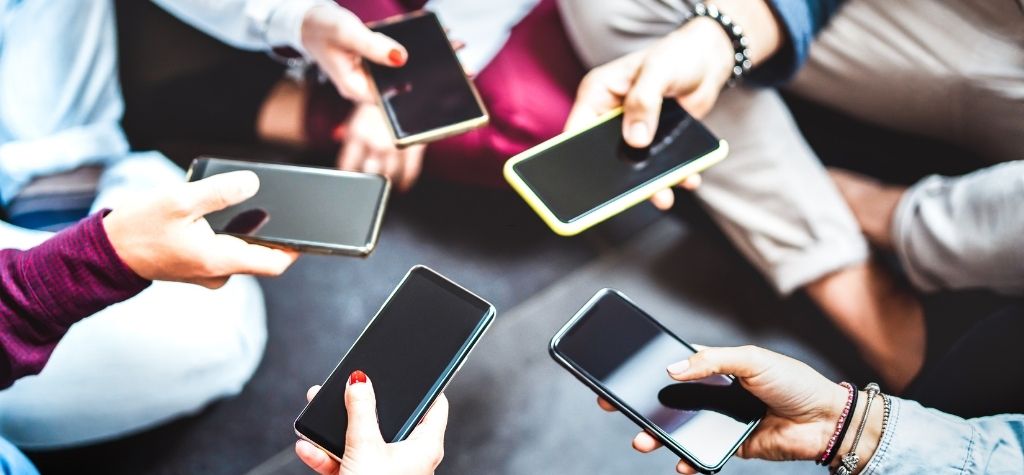
Smartphones as the new “near work”
Video games are still popular, but smartphones and tablets occupy far more hours of a teen’s day. Teens use them for social media, messaging, homework, streaming videos, and even reading. Multiple studies show that hand‑held devices pose a higher risk to eye health than larger screens. A review of digital eye strain literature noted that smartphone use is more commonly associated with dry‑eye disease because these devices encourage close viewing distances and reduce blinking. In a case‑control study among school children, continuous smartphone use correlated with a 71 % prevalence of dry‑eye symptoms.
A comprehensive meta‑analysis of screen time and myopia found that each additional hour of daily digital screen time increases the odds of myopia by 21 %. The risk rises most steeply between 1 and 4 hours of daily use. Another review found that smartphone screen time alone increases the risk of myopia by 26 %, and the combined use of smartphones and computers increases the risk by 77 %.
Why small screens strain eyes
Smartphones and tablets are held much closer to the eyes than books or larger screens. Reading at a distance closer than 20 cm or for more than 45 minutes without a break can accelerate myopia progression. Holding screens close forces the eye’s focusing muscles to work continuously, leading to fatigue and temporary blurred vision. The MyKidsVision resource explains that digital devices are often held closer than printed material, increasing visual demand and causing higher rates of eye strain.
Continuous focusing also reduces blinking. A child’s natural blink rate is about 14–16 times per minute, but when staring at a screen it can drop to 4–6 blinks per minute. Blinking spreads tears across the eye surface; fewer blinks mean tears evaporate quickly, causing dryness, burning, and a gritty feeling.
Digital eye strain symptoms
Digital eye strain (DES), sometimes called computer vision syndrome, describes a cluster of temporary symptoms caused by prolonged digital device use. In adolescents, a cross‑sectional study of 512 participants found that 63.7 % experienced DES, with headache (71.9 %), tearing (59.8 %), and blurred vision (59.4 %) being the most common symptoms. Risk factors for DES include:
- Daily digital media use of more than 2–4 hours: Adolescents using digital media for 2–4 hours a day were 3.3 times more likely to experience DES; those using screens more than 4 hours were 4.2 times more likely.
- Short breaks: Teens who took breaks of less than 20 minutes were 2.4 times more likely to experience DES.
- Increased screen use after the pandemic: Digital media use often increased by over an hour per day after the pandemic, doubling DES risk.
- Poor sleep quality: Teens with poor sleep were 4.1 times more likely to have DES.
What parents and teens can do
- Limit daily hand‑held screen time. Aim for less than 2 hours of recreational use; academic tasks may add more but still require breaks. Remember that risk rises significantly above 2 hours.
- Practice the 20‑20‑20 rule. Every 20 minutes, look at something 20 feet away for at least 20 seconds to relax focusing muscles.
- Increase the viewing distance. Encourage teens to hold devices at least 30 cm away and not closer than an elbow’s length.
- Blink often. Remind your child to consciously blink while reading or watching videos to keep the eye surface moist.
- Use night‑mode or blue‑light filters. While evidence on blue‑light harm is evolving, reducing screen brightness and blue light can make viewing more comfortable.
2. Round‑the‑Clock Digital Media & Social Media

Teens today aren’t just gaming — they’re streaming, messaging, and scrolling late into the night. Constant connectivity means that screen time often extends well beyond schoolwork. The digital media use and sleep study found that adolescents who used digital media for more than four hours daily were 1.6 times more likely to have poor sleep quality. Using a device within an hour of bedtime increased the odds of poor sleep by 1.6 times.
Social media’s “infinite scroll”
Apps designed to keep users engaged encourage long viewing sessions. Teens often check notifications, respond to messages and browse content repeatedly throughout the day. This intermittent but prolonged use keeps the focusing system constantly active and prevents eyes from fully relaxing. In the digital media study, over 51 % of adolescents used digital media for more than four hours daily, which correlated strongly with digital eye strain.
Impact on mental and physical health
Heavy digital media use isn’t only about the eyes. Research notes that excessive screen time is linked to unhealthy diet choices, reduced physical activity, anxiety and social isolation. These lifestyle factors can indirectly affect vision — lack of exercise reduces time outdoors (a protective factor against myopia), while poor nutrition can impact tear production and eye surface health.
Practical recommendations
- Establish screen‑free zones. Make bedrooms a screen‑free space to encourage better sleep and reduce nighttime scrolling.
- Set device curfews. Encourage teens to stop using screens at least one hour before bedtime to allow melatonin production and avoid sleep disruption.
- Monitor social media habits. Use app timers or built‑in digital wellbeing tools to track daily use and set alerts when time limits are reached.
- Encourage offline hobbies. Reading printed books, playing sports, or pursuing art provides rest for the eyes and engages different parts of the brain.
3. Lack of Outdoor Time & Natural Light
The protective power of sunlight
One of the strongest protective factors against myopia is time spent outdoors. Sunlight stimulates dopamine release in the retina, which slows eyeball elongation. In a long‑term cohort study (ALSPAC), children who spent more time outdoors between ages 3 and 9 were less likely to become myopic by ages 10 to 15. The hazard ratio for myopia decreased from 0.90 at age 3 to 0.86 at age 9 for each standard deviation increase in daily outdoor time. Importantly, this protective effect persisted independent of near‑work activities and parental myopia.
A separate systematic review summarised 18 studies and concluded that high use of screen devices is associated with the risk of developing myopia, and computers and smartphones are more harmful than television. The evidence suggests that more time outdoors and less near‑work is essential for healthy eye growth.
Outdoor time recommendations
- Aim for at least two hours of outdoor play daily. Some experts suggest 76 minutes or more may cut myopia risk by half.
- Engage in daylight activities. Daylight, even on cloudy days, provides more lux than indoor lighting.
- Combine outdoor time with physical exercise. Sports and active play benefit eye coordination and overall health.
The role of schools and parents
Schools can schedule outdoor recess and incorporate outdoor learning when possible. Parents should prioritise weekend family outings, encourage walking or cycling to school, and support outdoor hobbies. Outdoor play should not be cancelled because of mild weather, since even moderate light exposure contributes to eye health.
4. Environmental Factors: Air Pollution & UV Exposure
Polluted air and myopia
Environmental factors are often overlooked in eye health discussions. A 2025 news release from the University of Birmingham reported that primary school students exposed to lower levels of air pollutants, such as nitrogen dioxide (NO₂) and fine particulate matter (PM₂.5), had better uncorrected visual acuity. The researchers noted that while genetics and screen time are known contributors to myopia, air pollution emerged as a meaningful and modifiable risk factor. The study suggests that cleaner air could slow myopia progression, especially in young children. Polluted air can cause eye inflammation, reduce sunlight exposure and trigger chemical changes in the eye that lead to structural elongation.
Ultra‑violet (UV) radiation
Sunlight, while protective against myopia, also carries ultraviolet (UV) radiation that can damage the eyes. According to the National Eye Institute (NEI), UV light penetrates eye tissues more easily than visible light and prolonged exposure modifies lens proteins, leading to cataract formation. UV exposure is also linked to growths on the eye surface (pinguecula and pterygium), cancers of the eyelid, and possibly age‑related macular degeneration. Children’s eyes are more susceptible because their lenses allow more UV to reach the retina.
Protecting eyes from environmental threats
- Advocate for clean‑air initiatives. Support policies that reduce vehicle emissions, create clean‑air zones around schools and encourage planting of trees near playgrounds. Cleaner air benefits both respiratory and visual health.
- Use air purifiers indoors. For families in urban areas or with allergies, HEPA filters can reduce indoor pollutants and allergens that irritate eyes.
- Wear UV‑protective eyewear. Choose sunglasses that block 99–100 % of UVA and UVB or have a UV400 rating, as recommended by the NEI. A wide‑brimmed hat also reduces glare and protects the face.
- Avoid midday sun (10 a.m. to 4 p.m.) when UV is strongest, and encourage outdoor play earlier or later in the day.
5. Sleep Deprivation and Poor Visual Hygiene
The eye–sleep connection
Sleep is essential for repairing tissues throughout the body, including the eyes. The digital media and sleep study found that adolescents with poor sleep quality were 4.1 times more likely to experience digital eye strain. Using digital devices within one hour of bedtime increased the likelihood of poor sleep and consequently eye strain.
Chronic sleep deprivation reduces tear production, leaving the eyes dry, itchy, and irritated. Insufficient sleep can also exacerbate existing refractive errors and cause eye spasms or twitching. While specific research on teens is limited, clinicians note that children experiencing poor sleep are about 50 % more likely to develop dry eye disease, according to modern optometry reports (citations to be included in final article where possible). This relationship likely stems from inflammation and reduced tear secretion.
Nighttime screen habits
Many teens use phones right before bed to check social media, watch videos or chat with friends. Blue‑light exposure delays melatonin release, making it harder to fall asleep. Even “night‑shift” modes only partially reduce blue light. In addition, the cognitive stimulation from reading messages or watching intense content makes the brain more alert.
Building healthier sleep habits
- Set consistent bedtimes and aim for 8–10 hours of sleep for teenagers. A regular schedule helps regulate the body’s internal clock.
- Create a bedtime routine that does not involve screens — reading a printed book, gentle stretching, or listening to calming music.
- Remove devices from bedrooms. Charge phones and tablets outside the bedroom to eliminate the temptation to check them during the night.
- Encourage morning sunlight exposure. Early daylight helps set the circadian rhythm and may reinforce the protective effects of time outdoors against myopia.
6. Nutritional Gaps and Eye Health
The role of vitamins and diet
Many teens follow diets high in processed foods and low in nutrients. While severe vitamin deficiencies are rare in developed countries, poor nutrition can still affect eye surface health. Vitamin A is essential for the regeneration of visual pigments and maintenance of mucosal membranes. According to a StatPearls review on vitamin A deficiency, ocular symptoms develop when serum retinol levels fall below 10 µg/dL. Night blindness and dryness of the conjunctiva (xerophthalmia) are early signs. Persistent deficiency can lead to corneal ulceration and irreversible blindness.
Teens on restrictive diets (e.g., extreme vegan without supplements), those with eating disorders, or individuals with malabsorption conditions may not consume enough vitamin A, zinc, omega‑3 fatty acids, or lutein — nutrients vital for eye health. Omega‑3s support tear production; lutein and zeaxanthin protect retinal cells; and zinc aids vitamin A metabolism.
Encouraging eye‑friendly eating
- Include colorful fruits and vegetables. Carrots, sweet potatoes, spinach, kale, and bell peppers provide beta‑carotene and lutein.
- Eat fatty fish, such as salmon and sardines, or plant sources like flaxseed and walnuts for omega‑3s.
- Choose lean proteins and dairy for zinc and vitamin A.
- Limit processed snacks high in sugar and refined carbohydrates, which can worsen blood sugar control and indirectly affect eye health.
Teens should learn that balanced nutrition isn’t just about weight; it supports their vision, mental clarity, and energy levels.
Conclusion: Building Habits for Healthy Eyes in 2026 and Beyond
The picture of teen vision in 2026 is more complex than the simple assumption that gaming harms the eyes. Smartphones and tablets, long hours of digital media use, limited outdoor time, environmental pollutants, sleep deprivation, and nutritional gaps pose greater risks to today’s teens. Research highlights that each extra hour of screen time increases the odds of myopia, that adolescents who use screens over four hours daily are up to 4.2 times more likely to experience digital eye strain, and that time spent outdoors significantly reduces the likelihood of developing myopia. Environmental factors like air pollution and UV radiation further complicate the picture.
Protecting teen vision requires balanced screen habits, regular outdoor exposure, environmental awareness, healthy sleep patterns, and nutritious eating. Parents and teens should collaborate to establish screen time rules, embrace outdoor activities, lobby for cleaner air and safe playgrounds, implement device‑free bedtime routines, and ensure diets rich in eye‑supporting nutrients. By understanding these diverse threats and taking proactive steps, teens can enjoy the benefits of technology and modern life without sacrificing their sight.
