

Millions of people around the world rely on contact lenses for clear vision. These thin, curved discs rest directly on the surface of the eye and can be convenient alternatives to eyeglasses. Yet with convenience comes responsibility. Researchers have found that almost every contact‑lens wearer breaks at least one hygiene or wear rule, with some studies showing that only 0.4 % of users follow all recommended practices. That means more than 99 % of wearers do something that increases their risk of eye infections, irritation or vision loss.
Why do so many of us ignore the rules? Busy schedules, misinformation and simple forgetfulness all play a role. But understanding the risks and adopting simple habits can keep your eyes healthy and comfortable. This article explains the rules most often broken, why they matter and how you can easily follow them. By the end, you’ll know whether you’re part of the 93 % (or more!) who overlook an essential rule, and what to do about it.
The Hidden Dangers of Poor Contact‑Lens Hygiene

Contact lenses are medical devices that sit directly on the cornea. When lenses are not worn, cleaned or stored properly, bacteria and fungi can grow on them or in the lens case. These germs can cause microbial keratitis, a painful infection that may lead to scarring or even blindness. According to the Centers for Disease Control and Prevention (CDC), contact‑lens wearers must follow strict hygiene and wear practices to avoid eye infections.
Researchers at the University of Texas Southwestern Medical Center surveyed hundreds of contact‑lens wearers. They found that 85 % of people thought they were compliant with care guidelines, yet only 2 % demonstrated “good” compliance, and just 0.4 % followed every rule. In other words, virtually all contact‑lens wearers break one or more rules. The most common problems were:
- Water exposure – showering or swimming while wearing lenses, or rinsing lenses/cases with tap water.
- Sleeping in lenses – even short naps in lenses can increase the risk of infection; roughly one‑third of lens wearers admit to sleeping in their contacts.
- Stretching replacement schedules – wearing lenses longer than recommended or failing to replace the lens case on time.
- Poor hand hygiene and solution misuse – not washing hands before handling lenses, reusing solution or topping off old solution instead of discarding it.
Each of these behaviors might seem harmless in the moment, but together they can create a breeding ground for microbes and deprive the eye of oxygen, leading to irritation, corneal ulcers or vision‑threatening infections.
Why People Ignore the Rules
Busy Lifestyles and Forgetfulness
Many wearers leave their lenses in longer than recommended because they simply forget to remove them, fall asleep on the couch or don’t want to carry lens solution when traveling. Adolescents and young adults tend to have poorer habits. In a CDC survey, 85 % of adolescents and 81 % of young adults reported at least one risky behavior, such as sleeping in contacts or topping off solution. Older adults fared only slightly better, with 88 % admitting similar mistakes.
Misconceptions About Safety
Some lenses are approved for extended wear, but that doesn’t mean sleeping in them is safe. The CDC explains that sleeping in contact lenses increases the risk of infection six‑ to eight‑fold. Yet marketing terms like “extended wear” can mislead users into thinking overnight wear is harmless. Others assume tap water is sterile or that a quick rinse is enough. In reality, tap water can contain Acanthamoeba and other microbes that cling to lenses and cause severe infections.
Cost‑Saving Strategies
Replacing lenses or cases can feel wasteful when they still look clean. Some users try to stretch monthly lenses for six weeks or refill their case with fresh solution while leaving old solution inside—a practice known as “topping off.” This can contaminate the entire case. In the University of Texas study, almost half of patients reported never replacing their lens case or only doing so when their eye doctor handed them a new one. But reusing old cases increases the chance of biofilm formation, making cleaning less effective.
The Rules Many Contact‑Lens Wearers Break
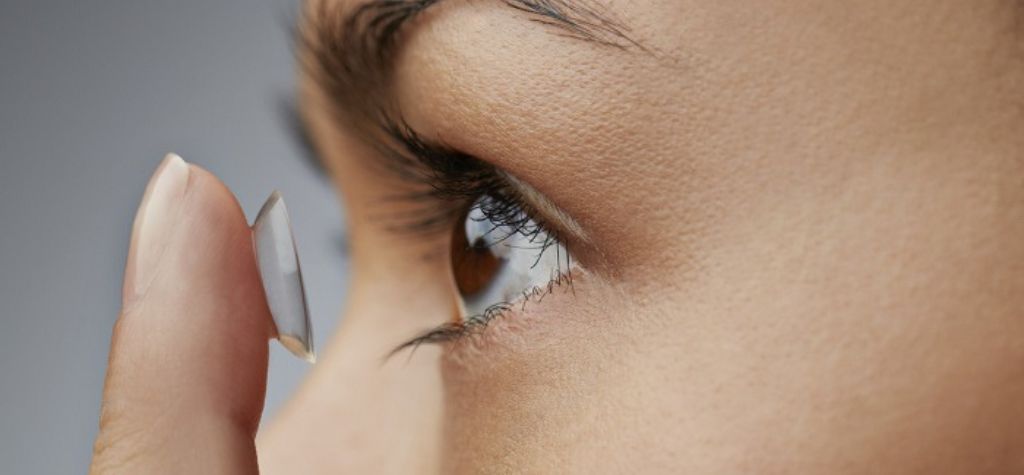
Below are the most important rules for safe contact‑lens use. The CDC and the American Academy of Ophthalmology (AAO) provide clear guidance on each point. Review them carefully and see which ones you’ve been neglecting.
1. Don’t Sleep or Nap in Your Lenses
Sleeping in contacts—even for a nap—deprives the cornea of oxygen and creates a warm, moist environment where bacteria thrive. The CDC reports that sleeping in lenses increases the risk of a contact‑lens–related infection six to eight times. About one‑third of wearers admit to sleeping or napping in lenses.
Actionable tip: Always remove your contacts before going to bed or napping, unless your eye‑care provider has specifically prescribed lenses designed for overnight wear. Even then, ask whether occasional breaks could reduce your risk.
2. Wash and Dry Your Hands First
Germs from your fingers can transfer to lenses and into your eye. The CDC stresses washing hands thoroughly with soap and water and drying with a clean cloth before touching lenses. The AAO echoes this advice.
Actionable tip: Make handwashing part of your lens routine. Use a mild soap, rinse well and dry with a lint‑free towel to avoid transferring oils or fibers.
3. Keep Lenses Away from Water
Tap water, pool water and shower water all contain microorganisms that can cause infections. The CDC advises removing lenses before swimming or showering. The AAO emphasizes never rinsing or storing lenses in water and never putting contacts in your mouth.
Actionable tip: Use only sterile, commercially prepared contact‑lens solution for cleaning and storage. Carry backup glasses so you can remove lenses before swimming or showering.
4. Use the “Rub and Rinse” Method
Even if your solution is labeled “no‑rub,” rubbing each lens gently between your fingers helps remove deposits. Both the CDC and AAO recommend rubbing and rinsing lenses with fresh solution.
Actionable tip: After washing your hands, place the lens in your palm, apply solution, gently rub the lens for several seconds, then rinse with more solution before soaking.
5. Don’t “Top Off” Old Solution
Mixing fresh solution with leftover solution reduces disinfecting strength and encourages biofilm growth. The CDC warns against mixing old and new solution. The AAO advises using new solution each time and never transferring solution to another bottle.
Actionable tip: Empty the lens case completely, rinse with fresh solution, let it air‑dry, then refill with new solution before storing lenses.
6. Replace Your Lens Case at Least Every Three Months
Over time, lens cases develop scratches and biofilms that harbor bacteria. The CDC says to replace your case every three months. The AAO agrees and notes to replace it sooner if it becomes cracked or damaged. In the Texas study, 47 % of patients replaced their case only when given a new one by their eye‑care provider.
Actionable tip: Mark your calendar or set reminders on your phone for every three months. Consider writing the date on a new case when you start using it.
7. Follow Replacement Schedules for Lenses
Daily disposable lenses should be discarded after one use, while bi‑weekly and monthly lenses have specific replacement times. Stretching wear beyond these limits increases the risk of irritation and infection. The AAO says to keep the schedule your doctor gives you for wearing and replacing your lenses.
Actionable tip: Don’t let convenience or cost tempt you to wear lenses longer. If cost is an issue, discuss more affordable options with your eye‑care provider.
8. Don’t Use Saliva or Homemade Solutions
Saliva is not sterile. Using spit or homemade saline to wet or store lenses introduces bacteria and does not disinfect the lenses. The AAO clearly warns against putting contacts in your mouth or using homemade saline.
Actionable tip: Always carry a travel‑size bottle of sterile solution. If your lenses dry out and you don’t have solution, remove them and wear glasses instead.
9. Attend Regular Eye Exams
Contact‑lens prescriptions expire because your eyes change over time. Poorly fitting lenses can scratch the cornea, restrict oxygen or cause blood vessels to grow into the cornea. Regular exams allow your doctor to check the fit and catch early signs of problems. In the CDC survey, failing to visit the eye doctor annually was a common risk behavior among adolescents.
Actionable tip: Schedule an eye exam at least once a year or as recommended by your provider. Bring your lenses and case so your provider can evaluate your wear and care practices.
10. Remove Lenses When Your Eyes Are Irritated
Redness, pain, blurred vision, discharge or light sensitivity can signal infection. Leaving lenses in during irritation can worsen the problem. Remove your lenses and contact your eye‑care professional immediately if you experience these symptoms.
Actionable tip: Never try to “push through” discomfort. Keep backup glasses handy so you can remove lenses at the first sign of trouble.
The Science Behind the Rules

Microbial Keratitis and Biofilms
Microbial keratitis is an infection of the cornea by bacteria, fungi or amoebae. Water exposure plays a major role. Acanthamoeba, a microscopic amoeba found in tap water and lakes, can attach to contact lenses and invade the cornea. These infections are rare but can be devastating and often result in vision loss. The CDC lists avoiding water exposure and properly cleaning lenses and cases as key prevention steps.
Biofilms form when bacteria adhere to surfaces and produce protective layers of slime. Lens cases older than nine months have the highest contamination rates. Biofilms reduce the effectiveness of multipurpose disinfecting solutions. By replacing the case every three months, you greatly reduce the risk of biofilm formation.
Oxygen and Eye Health
The cornea receives oxygen primarily from the air. Contact lenses act as barriers, and oxygen transmissibility varies by lens material. Sleeping in lenses dramatically reduces oxygen supply. Research shows that overnight wear increases infection risk by six to eight times. Hypoxia (lack of oxygen) can lead to corneal swelling, blurred vision and growth of blood vessels into the cornea.
Behavioral Non‑Compliance
Despite knowing the rules, most people don’t follow them. The University of Texas study found that the average contact‑lens wearer followed only about half of the recommended behaviors. Awareness of risk factors alone does not lead to compliance; many participants could identify proper practices yet still ignored them. This underscores the importance of making healthy habits effortless. Setting reminders, using daily disposable lenses and keeping travel‑size solution bottles on hand can make compliance easier.
How to Build Better Habits
The good news is that proper contact‑lens care doesn’t have to be complicated. Here are practical steps to incorporate healthy habits into your routine:
- Create a routine – Put your lens case and solution in a visible place next to your toothbrush so you always remember to clean and store lenses before bed.
- Set reminders – Use phone reminders for replacing your case every three months and changing lenses according to schedule.
- Carry backup glasses – Keep glasses in your bag or locker. Removing lenses during naps, swimming or when eyes feel irritated is easier when you have an alternative.
- Use travel‑size supplies – Keep a small bottle of solution and a spare case in your backpack or purse to avoid using water when you’re away from home.
- Choose daily disposables – If compliance is challenging, talk to your provider about daily disposable lenses. They eliminate the need for cleaning and storing, reducing infection risk. A small survey found that when given the option, most patients preferred daily disposables for convenience.
- Educate yourself – Read instructions from your eye‑care provider, contact‑lens manufacturer and solution manufacturer. Follow them exactly. Avoid internet “hacks” or homemade cleaning methods.
When to See a Doctor
If you experience any of the following symptoms, remove your contacts immediately and contact an eye‑care professional:
- Persistent redness or pain
- Blurry vision that doesn’t improve after removing lenses
- Sensitivity to light
- Discharge (pus or mucus) from the eye
- Excessive tearing or feeling like something is in your eye
Prompt treatment can prevent serious complications. Never try to self‑treat an eye infection or continue wearing lenses when symptoms appear. Remember, your sight is precious.
Conclusion and Takeaway
It’s easy to assume that you’re taking good care of your contact lenses, but studies show that almost all wearers ignore at least one essential rule. Sleeping in lenses, exposing them to water, stretching replacement schedules and topping off old solution might seem like minor shortcuts, but they collectively increase your risk of painful infections, corneal scarring and vision loss. The CDC and AAO provide clear, science‑backed guidelines for safe lens wear. Following these rules—wash your hands, keep lenses away from water, replace lenses and cases on schedule, and avoid sleeping in contacts—can reduce your risk dramatically.
Ask yourself: Which of these rules have you broken in the past week? If the answer is more than one, you’re not alone. The important thing is to recognize the risks and commit to better habits. Your eyes will thank you.
