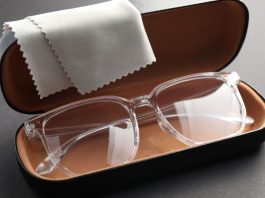

Have you ever been distracted by reflections on your glasses while trying to read, drive or watch TV? Bright lights bouncing off the front and back of lenses can create halos, glare and eye strain. Anti‑reflective (AR) coatings offer a simple solution. These thin layers added to eyeglass lenses reduce reflections and improve light transmission, giving you a clearer and more comfortable view of the world. This article explores seven powerful benefits of AR coatings and explains why they’re worth considering for your next pair of glasses.
Definition: An anti‑reflective coating is a multi‑layer treatment applied to the surfaces of a lens. It reduces reflections and allows more light to pass through the lens. The result is clearer vision and less glare.
What Are Anti‑Reflective Coatings?

An anti‑reflective coating is made up of microscopic layers of metal oxides that are deposited on both sides of an eyeglass lens. The layers are designed so that reflected light waves interfere with each other and cancel out. When less light reflects off the lens surface, more light passes through and the wearer sees a clearer image. According to the Michigan College of Optometry, modern AR coatings are tougher, cleaner and clearer than ever. They have hydrophobic (water‑repellent) and oleophobic (oil‑repellent) properties and allow about 99 % of light to pass through the lens. This greater light transmission reduces ghost images and halos around lights at night.
A Short History
AR coatings were originally developed for cameras and microscopes. As lens technology improved, optometrists realized that similar coatings could improve eyeglass performance. Today, many premium lenses include AR coatings by default. Some coatings are bundled with scratch‑resistant or blue‑light‑filtering treatments, while others are sold separately.
1. Reduced Glare and Reflections
One of the biggest complaints about glasses is glare — those bright spots that bounce off the lens surfaces. Glare can come from overhead lights, car headlights, computer screens or even the sun reflecting off pavement. By cancelling out reflections, AR coatings reduce glare and reflections from light sources.
Why Glare Matters
Glare doesn’t just look annoying; it can obscure your vision and cause you to squint. The American Academy of Ophthalmology notes that people with age‑related macular degeneration often experience heightened sensitivity to glare. For them, an anti‑reflective coating can reduce glare and improve clarity, especially when driving or spending time outdoors. Even if you don’t have an eye disease, reducing glare makes night driving safer and more comfortable.
Everyday Benefits
- Driving at night: Car headlights and street lights can create halos around uncoated lenses. AR coatings minimize these halos, making lane markers and road signs easier to see.
- Working under fluorescent lights: Overhead office lights can cause annoying reflections that interfere with reading or computer work. AR coatings reduce these reflections and help your eyes stay relaxed.
- Photography and presentations: When you’re in front of an audience or a camera, reflections can hide your eyes. Anti‑reflective coatings eliminate those reflections, making eye contact easier and your appearance more polished.
Fun fact: Some AR coatings are so effective that they make lenses appear almost invisible. This is why professional photographers and television hosts often insist on anti‑reflective glasses.
2. Better Visual Clarity and Contrast

Because AR coatings reduce reflected light, more useful light enters your eyes. The Michigan College of Optometry reports that allowing 99 % of light to pass through improves visual clarity and contrast sensitivity. When more light reaches your retina, you can detect finer details and subtle differences between similar colors.
Enhanced Contrast Sensitivity
Contrast sensitivity is the ability to see differences in brightness between objects and their background. It plays a key role when reading small print, driving in fog, or spotting objects in low light. A meta‑analysis of lens materials found that AR coatings reduce glare and reflections, which improves visual clarity. This is particularly helpful for night driving, computer work and other situations with significant overhead lighting.
Seeing Fine Details
The American Academy of Ophthalmology explains that anti‑reflective coatings let more light through, improving your ability to see small patterns and letters. People who work with tiny text or intricate designs — such as students, knitters or mechanics — may find AR coatings boost precision. The enhanced clarity is also useful for anyone who enjoys reading, puzzles or crafts.
3. Less Eye Strain and Fatigue
Staring at bright screens or reading under harsh lights can make your eyes tired. When you’re squinting to overcome glare, your eye muscles work harder. AR coatings help by minimizing reflections and allowing more comfortable vision. They reduce halos around lights and lower eye strain under fluorescent lighting.
Screen Time Relief
Modern life involves a lot of screen time. Phones, tablets and computers all emit light that can bounce off uncoated lenses. The meta‑analysis notes that blue‑light filtering and anti‑reflective coatings reduce glare and enhance contrast, potentially improving comfort for users who spend extended hours in front of screens. While AR coatings don’t block blue light on their own, many coatings combine anti‑reflective and blue‑light‑filtering layers.
Subtle Benefits
Reduced eye strain might not be immediately obvious, but over time it makes a difference. People who wear AR‑coated lenses often report fewer headaches and a more relaxed visual experience. Students studying late at night or professionals working long hours on computers may notice their eyes feel less tired.
Tip: Even with AR coatings, it’s important to practice the 20‑20‑20 rule: every 20 minutes, look at something 20 feet away for at least 20 seconds. This gives your eyes a chance to relax.
4. Improved Appearance and Eye Contact

Glasses aren’t just tools; they’re part of your personal style. Reflections on uncoated lenses can distract others and hide your eyes in photographs. Anti‑reflective coatings make lenses look almost invisible, allowing people to see your eyes clearly. The meta‑analysis highlights that AR coatings improve cosmetic appearance by making the eyes more visible through the lenses.
Professional Situations
During job interviews, presentations or video calls, eye contact matters. Reflections can reduce connection and make it harder for others to read your expressions. AR coatings eliminate those reflections, helping you appear confident and attentive. Photographers and media professionals often insist on AR coatings because they reduce lens flare on camera.
Everyday Confidence
Even outside professional settings, many wearers appreciate how AR‑coated lenses look. Friends and family can see your eyes instead of bright spots on your glasses. If you wear makeup, AR coatings also prevent reflections that can distort colors around your eyes.
5. Greater Durability and Easier Cleaning
Modern AR coatings aren’t just about reducing reflections; they also make lenses easier to live with. According to the Michigan College of Optometry, today’s AR coatings offer exceptional hydrophobic and oleophobic properties. That means water and oil are less likely to stick to the lens surface, so fingerprints, smudges and rain drops wipe away easily.
Multi‑Layer Protection
Many AR coatings are paired with scratch‑resistant layers. While no lens is completely scratch‑proof, these coatings help protect plastic and other lens materials from everyday abrasions. Some coatings also include ultraviolet (UV) protection or blue‑light filtering. Coatings with hard, hydrophobic surfaces are widely used on optical devices and even solar panels.
Self‑Cleaning Properties
Hydrophobic coatings repel water, so rain or condensation forms small droplets that roll off the lens instead of spreading across it. Oleophobic coatings repel oils, so greasy fingerprints are easier to wipe away. This makes maintenance simpler and helps lenses stay clear throughout the day.
Image idea: A side‑by‑side comparison of a lens with and without AR coating. On the coated lens, water droplets bead up and slide off, while on the uncoated lens they smear.
6. Enhanced Safety for Night Driving

Driving at night presents unique challenges. Glare from oncoming headlights can make it hard to see lane markings or obstacles. The meta‑analysis emphasizes that AR coatings reduce glare and reflections, which is particularly beneficial for night driving. By allowing more light through and minimizing halos, these coatings help drivers see the road more clearly and react faster.
High‑Index Lenses
High‑index lenses are thinner and lighter than standard plastic lenses, but they also reflect more light. AR coatings are especially important for high‑index lenses because they prevent reflections that would otherwise detract from their clarity. If you have a strong prescription and choose high‑index lenses to make your glasses lighter, adding an AR coating ensures you don’t sacrifice visual quality.
People with Eye Conditions
For people with conditions like macular degeneration, glare can be especially troublesome. The American Academy of Ophthalmology advises that an anti‑reflective coating can reduce glare and improve clarity for those with heightened light sensitivity. AR coatings are therefore a practical addition for anyone concerned about safety while driving at night or managing glare‑related discomfort.
7. A Better Digital Experience
From smartphones to gaming consoles, digital screens dominate our daily lives. Uncoated lenses can reflect blue light emitted by screens, contributing to eye strain. While AR coatings alone don’t block blue light, they are often combined with blue‑light‑filtering layers that reduce high‑energy visible (HEV) light. The meta‑analysis notes that coatings that include blue‑light filtering can reduce glare and enhance contrast, which potentially improves comfort during prolonged screen use.
Balanced Blue‑Light Protection
It’s worth noting that the American Academy of Ophthalmology does not recommend special blue‑light glasses for everyone. Instead, they suggest making simple habit changes like taking regular breaks and reducing screen time before bed. However, if you already suffer from digital eye strain, choosing lenses with both anti‑reflective and blue‑light‑filtering coatings might provide additional relief.
Quote: “Anti‑reflective coatings reduce glare. This makes eye contact easier, prevents eyestrain, and improves your ability to see small patterns and letters.” — American Academy of Ophthalmology
Are There Any Drawbacks?
While AR coatings offer many benefits, they aren’t perfect. The American Academy of Ophthalmology’s Q&A notes that lower‑cost coatings can make lenses harder to keep clean. Cheaper coatings may attract dust or smudges more easily. Additionally, some people find that AR coatings scratch more easily than uncoated lenses if they’re not paired with a scratch‑resistant layer. Finally, anti‑reflective coatings reduce reflections but don’t provide strong glare protection on their own. For bright sunlight or intense glare (such as reflected light off water or snow), you may still need polarized sunglasses.
Choosing the Right Coating
Not all AR coatings are equal. Premium coatings often include multiple layers: scratch resistance, hydrophobic and oleophobic protection, UV blocking and even blue‑light filters. Cheaper coatings may only address reflections. When buying glasses, ask your optician about the specific benefits of each coating and choose one that fits your lifestyle.
Tips for Caring for AR‑Coated Lenses

- Clean with a microfiber cloth: To avoid scratches, wipe your lenses gently with a clean microfiber cloth. Avoid paper towels or clothing.
- Use lens cleaning spray: Special lens cleaners remove oils without damaging the coating. Don’t use household glass cleaners, as they can strip coatings.
- Store glasses safely: Keep your glasses in a case when not in use. This protects the lenses from dust and accidental scratching.
- Avoid extreme heat: High temperatures (such as leaving glasses on a car dashboard) can damage coatings. Try to store your eyewear in a cool place.
Conclusion and Takeaway
Anti‑reflective coatings may seem like a small upgrade, but their benefits are significant. They reduce glare and reflections, improve clarity and contrast, decrease eye strain, enhance appearance, increase durability, improve night‑time safety and make digital screens easier on your eyes. Modern coatings also offer hydrophobic and oleophobic properties that simplify cleaning. Though there are minor drawbacks — such as varying quality and the need for proper care — most wearers find that AR coatings greatly enhance their visual experience.
If you’re considering new glasses, talk to your optician about anti‑reflective coatings. Ask which coatings pair well with your prescription and lifestyle. With clearer vision and reduced eye strain, you’ll likely wonder why you didn’t upgrade sooner
Actionable takeaway: The next time you buy eyeglasses, ask your eye care professional about adding a high‑quality anti‑reflective coating. It’s a small investment that can lead to clearer vision, less glare and greater comfort in your daily life.