A Louder Time in Fashion
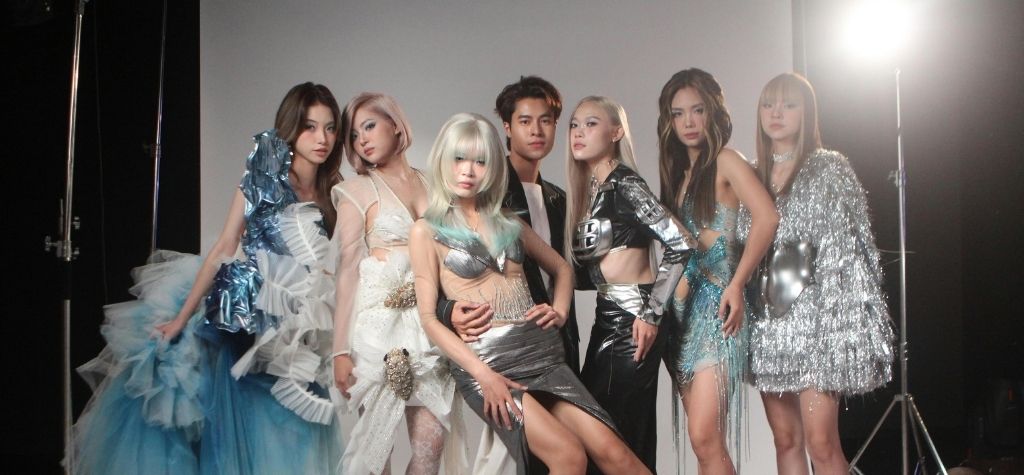
In 2016 the fashion world loved loud statements. Oversized glasses with bold colors and quirky shapes were everywhere. People used their frames as a way to express personality rather than to blend into the background. Celebrities were photographed in “geek” glasses and chunky tortoiseshell frames. Stores filled their shelves with rounds, browlines, cat‑eyes and fun colors. Even subtle trends leaned toward drama; exaggerated c2026 is the new 2016at‑eye frames in bright pink showed up on designer runways and in boutiques. Glasses were not just vision aids; they were confidence boosters and conversation starters.
Today, in 2026, many of us are nostalgic for that energy. After years of minimalism and the rise of quiet luxury, the pendulum seems to be swinging back. This article explores why 2026 feels like the new 2016, focusing on eyewear fashion, cultural shifts and our desire to be seen. We’ll look at the bold frames that defined mid‑2010s style, discuss what drove the quiet‑luxury movement, and examine why a new generation longs for visual comfort and authenticity. Along the way, we’ll include tips for choosing frames and suggestions for further reading.
Revisiting 2016 Eyewear Energy
Bold Frames and Statement Shapes
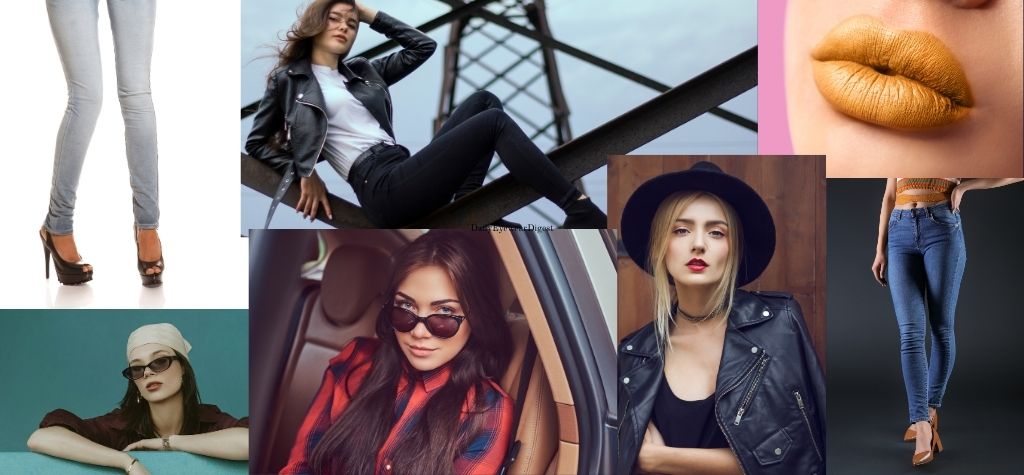
When you think back to 2016, you may recall celebrities like Kanye West or Victoria Beckham wearing thick, dark frames known as “geek” or “nerdy” glasses. These bold plastic shapes came in round, square and cat‑eye designs. Vision By Design Optometry notes that the frames often featured brow bars or semi‑rimless designs and were available in multiple colors, including clear. They complemented casual outfits and added personality to even the simplest jeans‑and‑T‑shirt look.
Besides “geek” glasses, oversized tortoiseshell frames and double‑bar aviators were popular. The same Vision By Design article highlights aviator styles with tear‑drop lenses and pastel accents, revived from their 1970s origins. Funky geometric rims took shape as hearts, flowers and octagons, encouraging wearers to stand out. Colored and mirrored lenses offered a playful twist, adding personality while still providing UV protection.
Calm Colors and Pastel Palettes
Even within bold shapes, 2016 eyewear embraced soft colors. Eye Elegance’s report on 2016 designer trends notes a shift from bright, bold hues to natural, minimalist colors inspired by nature such as pale blue, forest green and soft pastels like lavender and pink. I Heart Eyewear’s spring 2016 article echoes this, citing pale blues, muted greys and dusty taupes as “calm and natural colors” that evoke comfort. Delicate pastels were associated with femininity and freedom and were popular among celebrities like Taylor Swift and Gwen Stefani.
Browlines, Round Lenses and Cat‑Eyes
Retro‑futuristic styles thrived in 2016. Browline frames, popular in the 1950s, returned with modern twists—metallic details, layered textures and architectural designs. James Franco and Ryan Gosling wore these designs confidently. Rounded lenses also made a comeback, with round aviators and rimless reading glasses appearing on runways and red carpets. Clear frames and exaggerated cat‑eyes offered minimalist alternatives while still making statements; cat‑eyes grew oversized with dramatic points and bright colors like hot pink.
“Main Character” Styling
The common thread running through these trends was the desire to be the “main character.” People weren’t afraid to take up space with their accessories. Glasses were conversation pieces. I Heart Eyewear describes how designers gave aviators a “new look and feel” by combining round lenses, metal bridges and see‑through plastic frames to create retro yet futuristic styles. Browlines embraced bold colors and metallic accents, inviting wearers to celebrate individuality. 2016 embodied a spirit of experimentation and self‑expression that many feel has been missing in recent years.
Cultural Pivot: Why 2026 Looks Back
Digital Fatigue and Over‑Curated Aesthetics
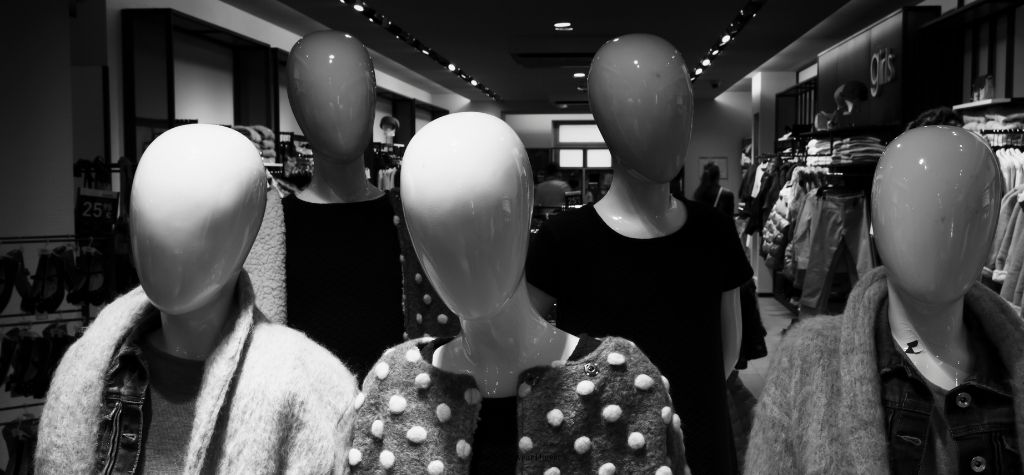
After the 2010s, our digital lives exploded. Smartphones, tablets, laptops and smart TVs became omnipresent. A 2023 survey by Deloitte found that 41 % of consumers dislike managing their devices, citing frustration with software updates, security problems and the sheer number of devices. Nearly one‑third of respondents said they were overwhelmed by the subscriptions and gadgets they needed to manage. Adults aged 18–40 felt more overwhelmed, managing an average of 26 household devices compared to 18 for older generations.
Screen time also skyrocketed. The same Deloitte report notes that one third of respondents worry that digital device use negatively impacts their physical or emotional well‑being, citing eye strain, disturbed sleep, and mental health concerns. Among those who struggle to limit screen time, six in ten worry about their well‑being. Digital fatigue leads to a longing for tactile experiences and more meaningful self‑expression.
Rise of Quiet Luxury
As digital fatigue grew, fashion responded with quiet luxury, also known as “stealth wealth.” Brands like The Row, Khaite and Loro Piana embraced understated designs, muted colors and premium materials. A report from fashion technology firm Lectra notes that quiet luxury embodies the “less is more” and “if you know, you know” concepts. Loud logos and maximalist patterns declined as brands targeted high‑income consumers and focused on exclusivity. Retviews data cited in the same report shows that quiet‑luxury labels use muted color palettes and premium fabrics more often than maximalist brands.
This shift towards minimalism affected eyewear, too. Brands prioritized thin metal frames, neutral colors and subtle logos. While elegant, this aesthetic sometimes felt austere, particularly during a period of economic uncertainty and global crises. For many consumers, quiet luxury’s understated style lacked the joyful self‑expression that defined earlier years.
Nostalgia as Visual Comfort
Why are people now proclaiming that “2026 is the new 2016”? The answer lies partly in nostalgia’s power to soothe anxiety. Psychologists have found that reminiscing helps people cope with crises. A study reported in Science News explains that nostalgia can act as an antidote to loneliness, making people feel happier when they recall positive memories. Researchers surveyed over 3,700 participants across the United States, United Kingdom and China and discovered that lonely individuals who reminisced about pre‑pandemic times felt happier than those who did not. This suggests that nostalgia offers emotional comfort during uncertainty.
The pandemic and economic disruptions of the early 2020s triggered a surge in nostalgic design and fashion. Monotype’s report on nostalgia in design observes that designers and brands turned to vintage styles for comfort, drawing inspiration from heritage logos, thrifted furniture and retro fonts. Fashion trends are cyclical, but the pandemic accelerated this cycle. Thrifting and resale boomed: the U.S. secondhand apparel market reached about $56 billion in 2025, up 14.3 % from the previous year. Secondhand sales are projected to grow around 9 % annually through 2029, with 83 % of Gen Z consumers buying or considering secondhand clothing. This movement toward vintage and thrifted goods reflects a desire for unique pieces with history and character.
Nostalgia also invites us to critique the past. Monotype’s creative director notes that nostalgia can tempt us to overlook historical inequities. Yet when used thoughtfully, it can celebrate diversity and storytelling. Understanding this complexity helps us borrow the confidence of 2016 without repeating its mistakes.
What It Says About How We Want to Be Seen
Borrowing Confidence Without Copying
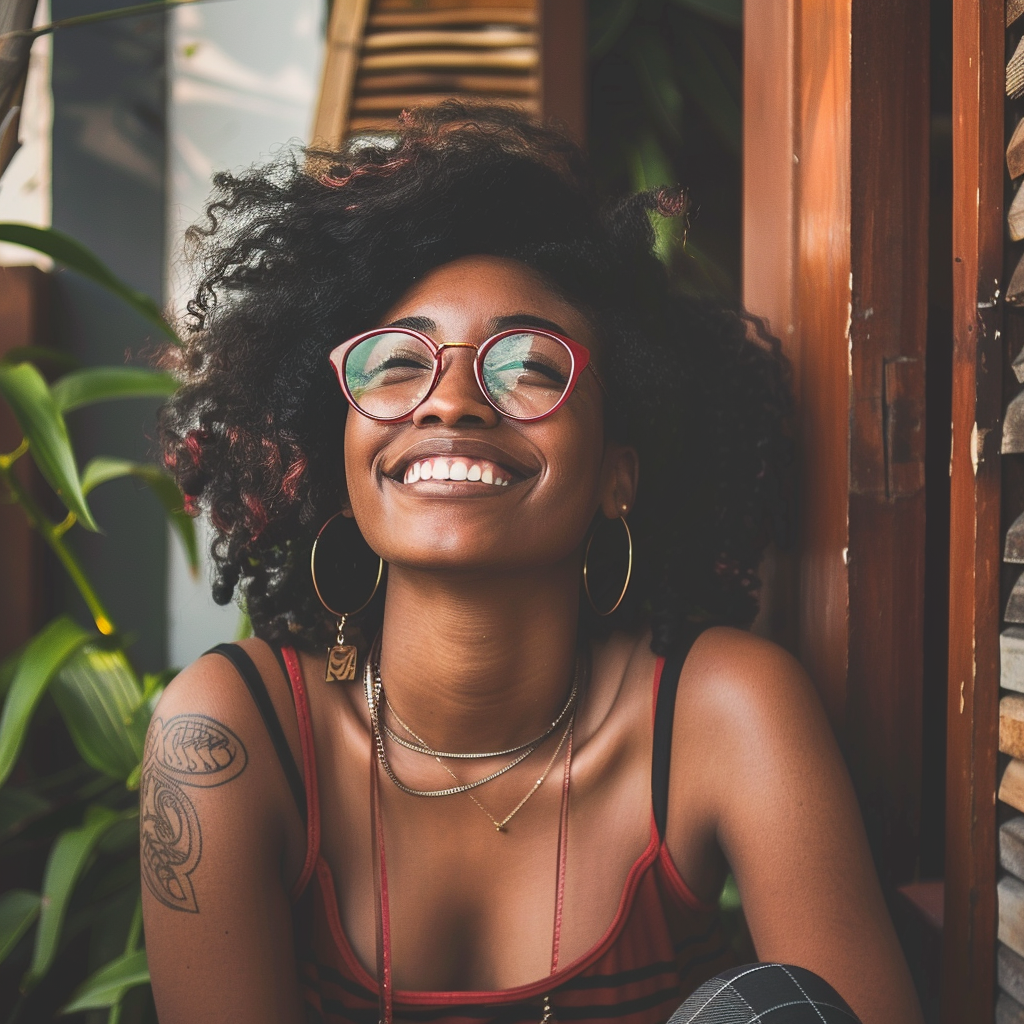
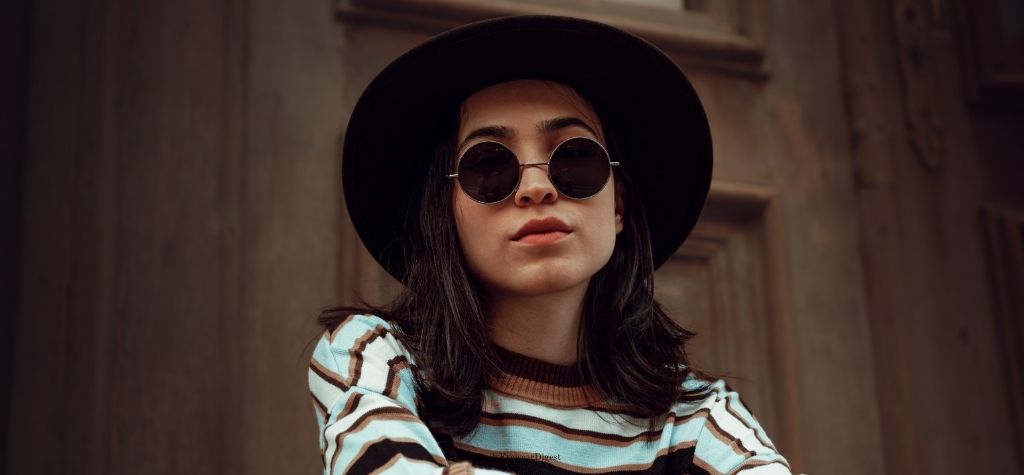
The conversation about “2026 is the new 2016” doesn’t mean we will copy mid‑2010s fashion verbatim. Instead, it signals a desire to reclaim the confidence and joy of that era. After years of curated feeds and neutral wardrobes, people crave individuality. Oversized glasses in bright colors are making a comeback in 2026, but they may be paired with modern materials or sustainable practices. Designers might update cat‑eyes with eco‑acetate or integrate tinted lenses that protect against blue light.
The success of thrifting and resale suggests that consumers want pieces with stories. Choosing vintage frames or bold upcycled designs allows wearers to express themselves while participating in circular fashion. Combining past and present fosters authenticity.
How We Want to Be Seen Now
The renewed interest in loud eyewear reflects deeper desires:
- Authentic expression: People want to show who they are. Unique frames and vibrant colors let them communicate mood and personality without words.
- Resilience: After challenging years, there is empowerment in choosing eye‑catching accessories that defy gloom. Bold frames become small acts of rebellion against monotony.
- Community and connection: Nostalgic styles remind us of earlier social moments. Wearing a vintage‑inspired pair can spark conversations with friends or strangers who share similar memories.
- Sustainability: Thrifting and vintage shopping offer environmentally friendly ways to participate in trends. Wearing secondhand frames reduces waste and supports a circular economy.
Actionable Takeaways
- Experiment with shape and color. Try frames that you wouldn’t normally consider—oversized squares, heart‑shaped rims or bright translucent hues. Even a subtle pastel can brighten your look.
- Shop vintage or thrifted eyewear. Local thrift shops and online resale platforms often have one‑of‑a‑kind frames from past decades. Make sure to replace old lenses with your current prescription.
- Balance bold frames with modern simplicity. Pair statement glasses with neutral clothing or minimal makeup for a sophisticated contrast.
- Prioritize comfort and fit. While expressive eyewear is fun, ensure the frames fit your face and lifestyle. Look for adjustable nose pads and lightweight materials.
- Reflect on why you’re drawn to a style. Nostalgia can be comforting, but consider the social context of past trends. Choose designs that make you feel confident without perpetuating outdated norms.
Conclusion
In 2016, loud eyewear reflected a cultural mood of self‑expression and optimism. Frames were large, colorful and unapologetically playful. Over the past decade, quiet luxury and digital overload pushed style toward minimalism, but 2026 reveals a longing for the joy of years past. The phrase “2026 is the new 2016” captures this sentiment—not as a call to replicate old trends, but as an invitation to borrow their confidence. By embracing bold frames, shopping sustainably and balancing nostalgia with modern sensibilities, we can express ourselves authentically in an increasingly curated world.
