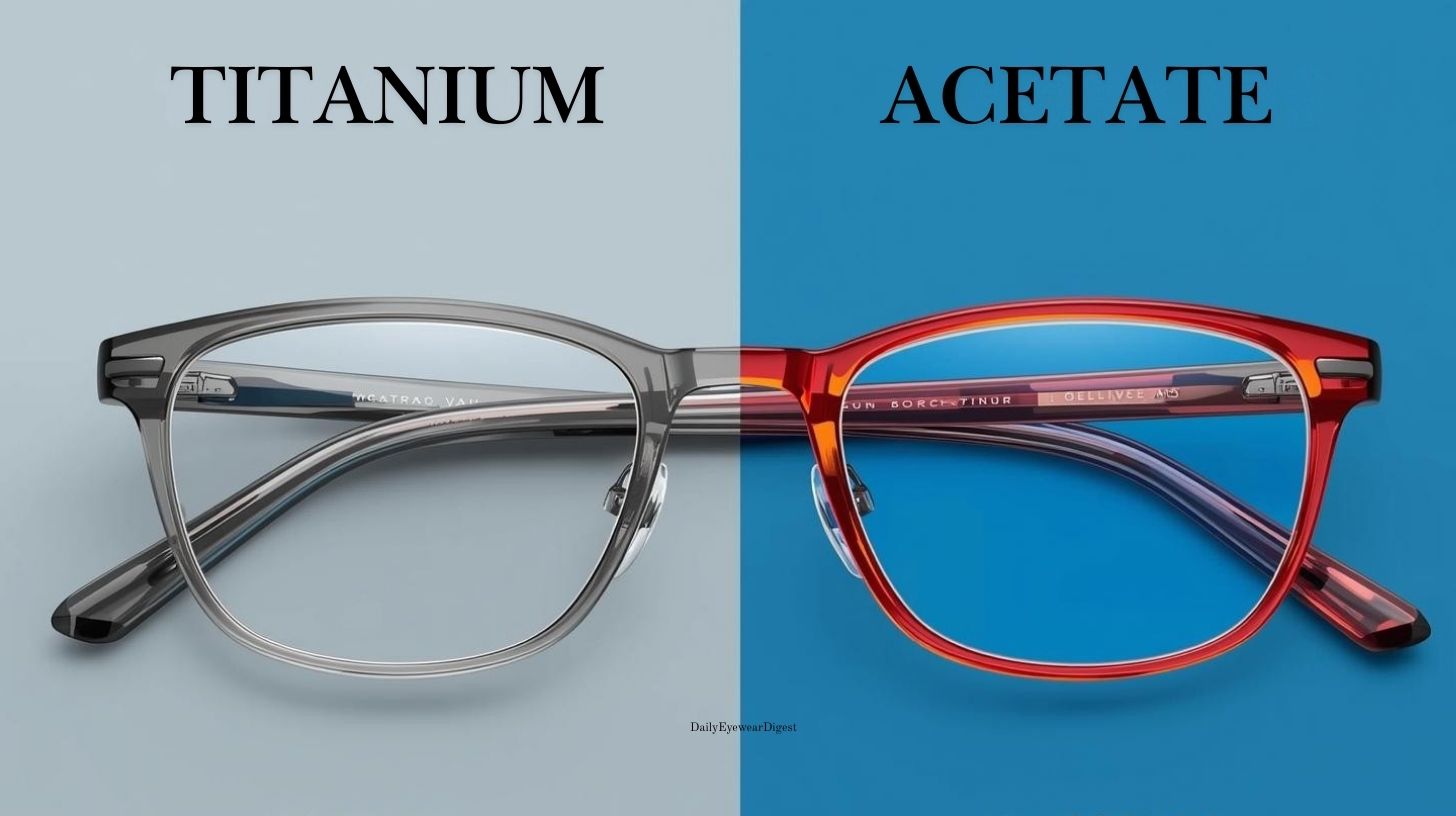
Choosing the right eyeglass frames is about more than just style—it’s also about durability, comfort, and how long your investment will last. Two of the most popular materials for premium eyewear are titanium and acetate. Both have devoted fans, but which holds up better over time? This comprehensive guide compares titanium and acetate frames in terms of strength, longevity, comfort, aesthetics and environmental impact.
The Allure of Titanium and Acetate
Frame material affects not just how your glasses look but how they perform in daily life. Titanium and acetate have emerged as leaders because they combine comfort with style. Yet they are very different materials, each with its own strengths and weaknesses.
- Titanium is a metal prized for its strength‑to‑weight ratio, corrosion resistance and hypoallergenic properties. The U.S. Geological Survey notes that titanium is “highly resistant to corrosion” and is as strong as steel but 45 percent lighter. Kobe Steel further highlights that titanium is lightweight, strong and able to resist rust even under seawater.
- Acetate is a plant‑based composite plastic derived from wood pulp and cotton. The Precision Eyewear Lab (PEL) explains that acetate frames offer vibrant colours, flexibility and durability, making them less prone to breakage than ordinary plastic. Unlike petroleum‑based plastics, cellulose acetate is more environmentally friendly and hypoallergenic.
Understanding these materials is the first step toward deciding which will last longer for your lifestyle.
What Makes Titanium Frames Stand Out?
Strength and Corrosion Resistance
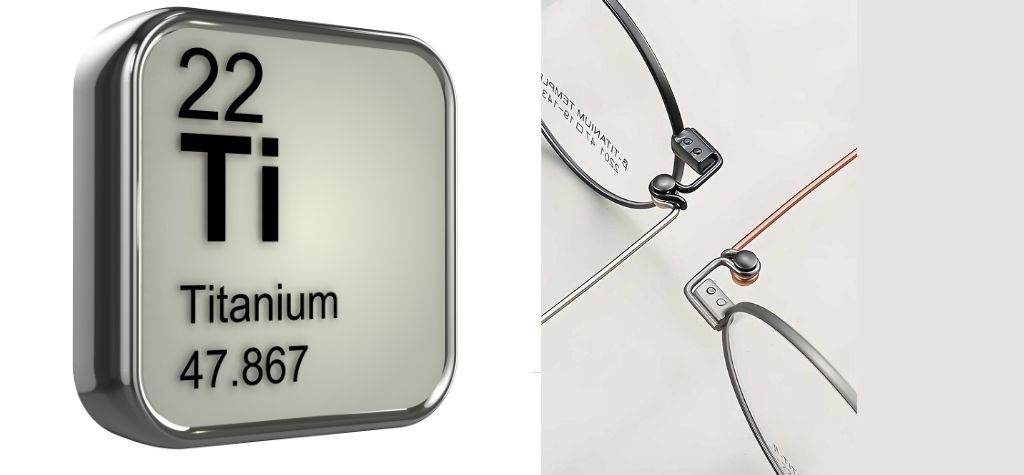
Titanium’s main claim to fame is its exceptional strength relative to weight. According to the USGS, titanium is as strong as steel yet almost half as heavy. Kobe Steel’s materials guide adds that titanium’s density is about half that of iron while maintaining comparable strength. This means titanium frames can withstand bending, twisting and pressure without deforming.
Titanium is also highly resistant to corrosion. It forms a natural oxide layer that shields it from sweat, salt air and humidity. The result is a frame that doesn’t rust or tarnish, even if you live in a humid climate or engage in outdoor activities. These properties are why titanium is used in aerospace and medical implants—industries that demand resilience.
Lightweight Comfort and Hypoallergenic Nature
Weight plays a huge role in everyday comfort. Titanium frames are extremely light—about 30 % lighter than acetate frames in many designs. Their feather‑light feel reduces pressure behind the ears and on the bridge of your nose. If you wear glasses all day, that lightness translates to less fatigue.
Another advantage is hypoallergenic performance. Many people experience skin irritation with nickel or other metals. Titanium’s biocompatibility makes it safe for sensitive skin; the material is commonly used in medical implants. iDoctor’s blog notes that titanium frames are hypoallergenic and ideal for people with metal allergies.
Longevity
How long do titanium frames last? Vuezen’s durability comparison reports that titanium frames often last 8–10 years or more with proper care. iDoctor echoes this, stating that titanium frames can last a decade or longer when they receive regular adjustments. The material’s resistance to bending, corrosion and heat contributes to this longevity.
Considerations
No material is perfect. Titanium frames can be more expensive due to the cost of raw materials and precision manufacturing. They also have a minimalist look that might not appeal to those who prefer bold colours or patterns. However, for maximum durability, lightweight comfort and hypoallergenic qualities, titanium is hard to beat.
The Appeal of Acetate Frames

Vibrant Style and Design Flexibility
Acetate frames are beloved for their rich colours and patterns. Instead of being painted, the colour runs through the material itself. PEL notes that acetate frames allow for vibrant colours and unique patterns that don’t fade easily. Designers can craft bold, translucent or layered looks that simply aren’t possible with metal frames.
The material is also highly adjustable and flexible. It can be heated and reshaped by an optician to fit your face perfectly. This adjustability enhances comfort and reduces pressure points.
Durability and Everyday Wear
While acetate is technically a plastic, it is more durable and flexible than standard petroleum‑based plastics. PEL explains that acetate frames offer superior durability and flexibility, making them less prone to breakage. The material can withstand normal wear and tear and holds up well in everyday use.
Vuezen describes acetate’s durability as “solid” for daily wear. Acetate frames resist everyday wear and tear and can last many years if cared for properly. However, they have some limits: they are less impact‑resistant than titanium and can warp when exposed to high temperatures. iDoctor notes that acetate can warp if left in high heat (above 140 °F).
Comfort and Fit
Acetate is heavier than titanium but still considered lightweight for many users. It provides a warm, substantial feel on the face, which some wearers prefer. Because acetate can be easily adjusted with heat, opticians can fine‑tune the fit for comfort.
Longevity
Acetate frames typically last 4–7 years with care. iDoctor suggests that high‑quality acetate holds up well for 5–7 years, especially when frames are adjusted periodically. Regular maintenance—cleaning, occasional adjustments and avoiding extreme heat—extends their lifespan.
Considerations
Acetate frames are less suited to rugged or highly active lifestyles because they are more susceptible to cracking or warping under extreme conditions. They are heavier than titanium and may cause more pressure on the nose and ears. Nevertheless, their vibrant style and customisable fit make them attractive for fashion‑focused users.
Titanium vs. Acetate: Head‑to‑Head Comparison
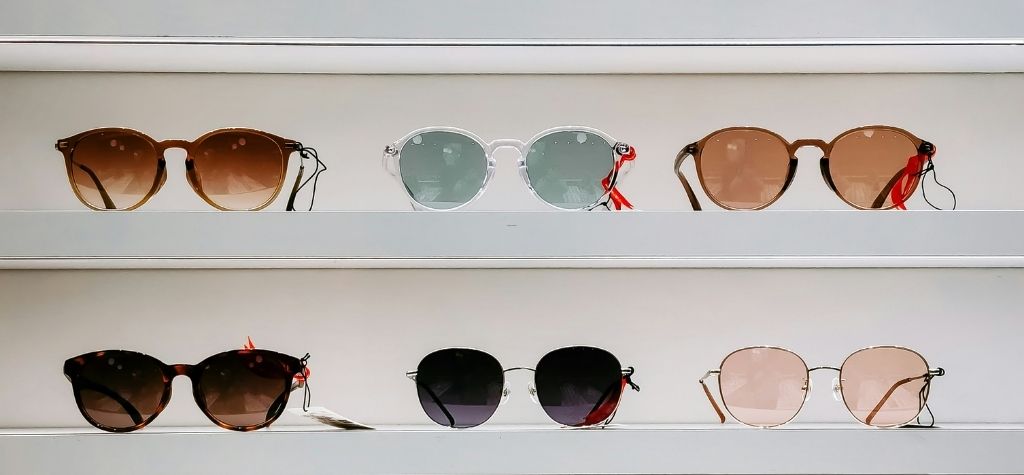
To decide which material lasts longer for your lifestyle, it’s helpful to compare them across key factors.
Durability
| Factor | Titanium | Acetate |
|---|---|---|
| Impact resistance | Very high; titanium frames withstand bending and force without deforming | Moderate; acetate can crack under excessive bending |
| Corrosion resistance | Excellent; natural oxide layer resists sweat and humidity | Good but not equal to titanium |
| Heat stability | Excellent; titanium holds shape across temperature extremes | Weak; acetate is sensitive to heat and can warp |
| Longevity (with care) | 8–10+ years | 4–7 years |
Winner: Titanium. Its high strength, corrosion resistance and temperature stability make it the more durable option. It holds up under stress and extreme conditions better than acetate.
Comfort and Weight
| Factor | Titanium | Acetate |
|---|---|---|
| Weight | Extremely light; 30 % lighter than typical acetate frames | Moderately light but heavier than titanium |
| Feel on face | Feels almost weightless, reducing pressure behind ears and nose | Warm, substantial feel; some people prefer its presence |
| Hypoallergenic | Yes; ideal for sensitive skin | Generally hypoallergenic but may contain additives that cause reactions |
| Adjustability | Titanium often features adjustable nose pads and flexible temples for fine adjustments | Highly adjustable with heat; opticians can mould acetate for perfect fit |
Winner: Tie. Titanium wins on weight and hypoallergenic properties, but acetate offers excellent adjustability and some people prefer its heft.
Style and Aesthetics
| Factor | Titanium | Acetate |
|---|---|---|
| Colour options | Limited to metallic shades and anodised finishes | Wide range of colours, patterns and translucent effects |
| Design versatility | Sleek, minimalist designs; often thin profiles | Bold shapes, thicknesses and patterns provide more expressive styles |
| Finish durability | Maintains finish; doesn’t tarnish or chip easily | Colour is embedded in material and doesn’t fade easily |
Winner: Acetate for style variety. For those wanting expressive colours and patterns, acetate stands out. Titanium is better for understated elegance.
Cost and Value
Titanium frames are generally more expensive than acetate because of material costs and precision manufacturing. However, their longer lifespan (often twice as long) and lower maintenance may make them a better value over time. Acetate frames are usually more affordable up front but may need replacement sooner.
Environmental and Health Considerations
Titanium is a recyclable metal; it is also non‑toxic and safe for use in the human body. The USGS points out that titanium is chemically inert, making it safe for those with metal sensitivities. Recycling titanium reduces environmental impact and conserves resources.
Acetate is made from renewable resources (wood pulp and cotton), making it more sustainable than petroleum‑based plastics. Its hypoallergenic nature means fewer skin reactions. However, some additives or polishes used on acetate can cause allergic reactions, so it’s important to choose frames from reputable manufacturers.
Maintenance Tips to Maximise Longevity
Regardless of the material you choose, proper care extends the life of your frames:
- Store frames in a hard case when not in use to protect them from scratches and bending.
- Clean regularly with mild soap and water or lens cleaner to remove skin oils and dirt.
- Avoid high heat; don’t leave your glasses in a hot car or near radiators. Acetate can warp and even titanium frames may experience stress under extreme heat.
- Schedule regular adjustments with your optician. Loose screws or misaligned temples can cause frames to sit poorly and wear out faster.
- Use both hands when putting on or taking off your glasses to prevent stress on the hinges.
Which Material Lasts Longer?
When it comes to raw durability and lifespan, titanium is the clear winner. In lab tests, titanium frames retain their shape after repeated stress and offer superior corrosion and heat resistance. Vuezen summarises that titanium frames last 8–10+ years with care, compared with 4–7 years for acetate. iDoctor agrees that titanium frames can last a decade or more, while high‑quality acetate frames typically last 5–7 years.
However, longevity isn’t the only factor. Many people value the expressive colours and adjustability of acetate frames. If you enjoy changing your look frequently or prioritise style variety, acetate might be a better choice—even if it doesn’t last as long. For those who want a long‑term investment that withstands daily wear and varied environments, titanium is hard to beat.
Making Your Choice: Lifestyle and Preferences
Consider the following scenarios:
- You’re active or work outdoors: Choose titanium. Its strength, corrosion resistance and lightweight comfort make it ideal for outdoor or physically demanding jobs.
- You prioritise fashion and self‑expression: Choose acetate. It offers a vast array of colours, patterns and shapes to match your personal style.
- You have sensitive skin or allergies: Titanium’s hypoallergenic nature and biocompatibility make it a safer option.
- You’re eco‑conscious: Both materials have environmental benefits. Titanium is recyclable and long‑lasting, while acetate is made from renewable materials.
- Budget is a factor: Acetate frames tend to be less expensive upfront, though they may need replacing sooner. Titanium frames cost more but offer greater long‑term value.
Conclusion and Takeaway
Both titanium and acetate frames have their merits. Titanium wins on durability, longevity, and hypoallergenic comfort, making it ideal for long‑term investment and active lifestyles. Acetate shines in style variety, adjustability and eco‑friendly appeal, even though it generally lasts fewer years. When choosing between them, think about how often you wear your glasses, your style preferences, and your budget.
The key is to select a frame material that fits your lifestyle. Proper care—regular cleaning, safe storage and timely adjustments—will maximise the lifespan of whichever material you choose. With the right frames and maintenance, you can enjoy clear vision and confidence without the constant worry of replacing your glasses.