

Feeling a strange pressure behind your eyes can be alarming. Some people describe it as a dull ache, others as a tight band squeezing the face. This sensation is not a disease itself, but a symptom that can arise from many different conditions. While most causes are not vision‑threatening, ignoring persistent or severe pressure could delay treatment for serious eye or health problems. In this guide, you’ll learn what could be behind that pressure, how to recognize associated symptoms, and what you can do to feel better.
Why Do My Eyes Feel Pressured?

The term “pressure behind the eyes” usually refers to discomfort around or behind your eyes rather than elevated intra‑ocular pressure. Intra‑ocular pressure (IOP) is the fluid pressure inside your eyeball. High IOP can lead to glaucoma, but most people can’t feel it because glaucoma often develops silently. The sensation of pressure is typically caused by inflammation, swelling or tension in tissues around the eyes—sinuses, muscles, nerves or connective tissue. Understanding these triggers can help you decide whether you can manage the problem at home or need medical attention.
Common Causes of Pressure Behind Your Eyes
1. Sinus Infections and Sinusitis
Your sinuses are air‑filled pockets behind the forehead, cheeks, nasal bones and eyes. Normally mucus drains freely through small openings. Sinusitis happens when these passages become blocked or inflamed—often after a cold or seasonal allergies—allowing fluid and germs to build up. The inflammation can cause facial pain or pressure, headaches and congestion, sometimes radiating to the eyes and tooth roots. Key points about sinusitis include:
- Symptoms: runny or stuffy nose, post‑nasal drip, sore throat, cough, facial pain/pressure and headache. Adults may feel pressure-like pain behind the eyes, toothache or tenderness of the face.
- Causes: viruses cause most sinus infections; bacteria or fungi cause some. Risk factors include previous colds, allergies, smoking, structural problems like nasal polyps or a deviated septum, and a weak immune system.
- When to see a doctor: seek medical care if symptoms are severe, last more than 10 days or worsen after initial improvement. A fever beyond three days, multiple infections in a year or facial swelling also warrant evaluation.
Self‑care tips: To relieve sinus pressure at home, the Centers for Disease Control and Prevention (CDC) recommends placing a warm compress over your nose and forehead, using a decongestant or saline spray, breathing steam from a hot shower, and asking your healthcare provider about over‑the‑counter medicines. The Cleveland Clinic adds that keeping your nasal passages moist (with saline sprays or neti pots) and gently massaging pressure points around the eyebrows, temples and nose can ease discomfort. Always use sterile or distilled water for nasal irrigation to avoid infection.
2. Migraines and Headache Disorders
A migraine is a type of headache that may involve nausea, vomiting and sensitivity to light or sound. Many people experience throbbing pain on one side of the head with discomfort behind the eye or in the back of the head and neck. Although the exact mechanism is unclear, abnormal brain activity and changes in blood flow in the brain and surrounding tissues appear to trigger the pain.
Migraine triggers range from hormonal changes, caffeine withdrawal and stress to bright lights, odors, certain foods (e.g., chocolate, aged cheese, processed meats) and irregular sleep. Migraines may also be accompanied by an aura—temporary visual disturbances such as blurred vision, colored spots or flashing lights. During an attack, people may feel pressure or pain behind one eye and sometimes experience visual disturbances, yawning, dizziness or neck pain.
Other primary headaches can mimic sinus pressure:
Cluster headaches
- Description: an uncommon but severe type of headache characterized by one‑sided head pain, often with tearing of the eyes, a droopy eyelid and a stuffy nose. Attacks last 15 minutes to three hours and may recur daily for weeks or months.
- Causes: unknown; may involve sudden release of histamine or serotonin near the trigeminal nerve. Alcohol, smoking, high altitudes, bright light and certain foods can trigger attacks.
- When to seek help: cluster headaches can be debilitating. A doctor can prescribe treatments such as oxygen therapy or triptan injections.
Tension headaches
Tension headaches are the most common type of headache. They occur when neck and scalp muscles become tense—often due to stress, depression or poor posture. The pain is usually described as a dull, pressure-like sensation or a tight band around the head. Unlike migraines, tension headaches typically affect both sides of the head and do not cause nausea or vomiting. Activities that keep your head in one position—such as computer work or reading—can trigger them.
3. Glaucoma: Elevated Intra‑ocular Pressure
Glaucoma refers to a group of eye diseases that damage the optic nerve and can lead to vision loss. According to the National Eye Institute (NEI), glaucoma symptoms usually develop slowly and may not be noticed until vision is affected. High eye pressure (intra‑ocular pressure) is a major risk factor; research shows that elevated pressure increases the risk of glaucoma because it can damage the optic nerve.
Types of glaucoma and symptoms:
- Open‑angle glaucoma: the most common form. It progresses gradually and often has no early symptoms. Only a comprehensive dilated eye exam can detect optic nerve damage.
- Angle‑closure (closed‑angle) glaucoma: rarer but more acute. When eye pressure rises suddenly, people may experience eye pain, headache, nausea and vomiting, and blurred vision. This is a medical emergency—vision loss can occur quickly if not treated.
Prevention and diagnosis: Because glaucoma often presents without symptoms, regular eye exams are essential, especially if you have risk factors such as age over 60, family history of glaucoma, African or Asian ancestry, diabetes or high blood pressure. Treatment may include prescription eye drops, laser therapy or surgery to lower eye pressure and protect the optic nerve.
4. Graves’ Eye Disease (Thyroid Eye Disease)
Graves’ disease is an autoimmune disorder that causes the thyroid to produce too much hormone. In about one‑third of people with Graves’ disease, the immune system also attacks the muscles and tissues around the eyes, leading to Graves’ eye disease (Graves’ ophthalmopathy). Swelling behind the eye sockets makes the eyes bulge (proptosis). Besides bulging eyes, symptoms may include:
- Dry, gritty, red or irritated eyes; puffy eyelids; eyelids that pull back or don’t close fully.
- Double vision, sensitivity to light and eye pain or pressure.
- Trouble moving your eyes, which can make it hard to look around.
Graves’ eye disease is usually mild and may improve on its own. However, in rare cases, swelling can press on the optic nerve and cause vision loss. Smoking increases the risk and severity of eye problems. Treatment focuses on controlling thyroid hormone levels and relieving eye symptoms with lubricating drops, corticosteroids or surgery.
5. Optic Neuritis and Other Inflammatory Eye Conditions
Your optic nerve carries visual information from your eye to your brain. When this nerve becomes swollen or inflamed—a condition called optic neuritis—people may experience sudden loss of vision in one eye, pain when moving the eye and loss of color vision. Optic neuritis often develops in young adults and is associated with autoimmune disorders such as multiple sclerosis. Vision usually returns within a few weeks, but corticosteroids or other medications may speed recovery. Sudden vision loss with eye pain warrants immediate medical evaluation.
Scleritis is another inflammatory condition that causes swelling of the white outer layer of the eye (sclera). It is often linked to autoimmune diseases like rheumatoid arthritis or lupus. Symptoms include severe eye pain and tenderness, blurred vision, red patches on the white of the eye, light sensitivity and tearing. Scleritis requires prompt treatment with anti‑inflammatory or immune‑suppressing medications to prevent complications like vision loss.
6. Eye Strain and Digital Fatigue
Long periods of focusing on near tasks—such as reading, driving or staring at screens—can lead to eyestrain. Johns Hopkins Medicine explains that when you look at something close, the lens in your eye contracts. Prolonged focusing keeps the lens from relaxing and reduces blinking, which leads to tear‑film evaporation and blurred vision. Symptoms of eyestrain include red, watery or irritated eyes; aching eyelids; blurred vision; and mild headaches. You may also have muscle spasms of the eye or eyelid and trouble keeping your eyes open.
How to relieve or prevent eye strain:
- Follow the 20‑20‑20 rule: every 20 minutes, look at an object at least 20 feet away for 20 seconds.
- Blink frequently and use artificial tears to keep the eyes moist.
- Position screens properly: keep your monitor slightly below eye level and clean to reduce glare.
- Adjust lighting: minimize reflections and consider using glare‑reducing screen protectors.
- Talk to an eye care professional; you may need prescription glasses or computer lenses.
7. Less Common Causes
While the above are the most frequent culprits, other conditions can produce a feeling of pressure behind the eyes:
- Dental issues or tooth infections: pain can radiate from the upper teeth to the area around the eyes because of shared nerve pathways. For instance, toothaches may occur due to cavities, abscesses, jaw injuries or referred pain from an earache or sinus infection. A dentist can diagnose the source of dental pain and recommend treatment.
- Eye injuries and foreign bodies: trauma to the eye socket, orbital cellulitis (an infection of tissues around the eye) or foreign objects can cause swelling, redness, vision changes and severe pain. These conditions require urgent medical care.
- Thyroid problems other than Graves’ disease: hypothyroidism or hyperthyroidism can sometimes cause facial swelling and discomfort.
- Tumors or aneurysms: rare but serious, tumors behind the eye or in the brain, as well as aneurysms, can cause pressure sensations, vision changes and headaches. Prompt evaluation is critical if symptoms are sudden, severe or worsening.
- Medication side effects: certain medications, such as corticosteroids, can increase intra‑ocular pressure in susceptible individuals. Always discuss side effects with your physician.
Diagnosis: When to Seek Medical Advice

Because pressure behind the eyes can stem from many causes, diagnosis often requires a thorough medical history, physical and eye exam. Your healthcare provider may:
- Ask about the timing, severity and triggers of your symptoms (e.g., colds, allergies, headaches or visual disturbances).
- Examine your eyes, nasal passages and teeth to look for signs of infection, inflammation or structural problems.
- Order imaging tests, such as a CT or MRI scan of the sinuses or brain, to rule out structural issues. For suspected optic nerve problems, an MRI of the brain focusing on the optic nerve is useful.
- Conduct blood tests to check thyroid function or autoimmune markers, especially if Graves’ disease or scleritis is suspected.
Seek emergency care immediately if you experience sudden vision loss, severe eye pain, double vision, nausea, vomiting or a headache described as “the worst headache of your life.” These could indicate acute angle‑closure glaucoma, intracranial bleeding or other medical emergencies.
How to Relieve Pressure Behind Your Eyes at Home
For mild symptoms not associated with significant vision changes, several self‑care strategies can help. Remember that these tips do not replace professional medical advice; they may provide temporary relief while you wait for evaluation.
Manage Sinus and Allergy Symptoms
- Stay hydrated: drink plenty of water to thin mucus and promote drainage.
- Use saline sprays or neti pots to rinse the nasal passages and reduce irritation.
- Apply warm compresses over the nose, cheeks and forehead to improve sinus circulation.
- Try over‑the‑counter decongestants or antihistamines to reduce swelling, but follow package instructions and consult a healthcare provider if you have underlying conditions.
Ease Headache‑related Pressure
- Identify and avoid triggers: keep a headache diary to track foods, stressors or activities that precede your symptoms.
- Rest in a quiet, dark room and apply a cool cloth to your forehead during a migraine attack.
- Practice relaxation techniques such as deep breathing, meditation or gentle stretching to relieve muscle tension.
- Consider over‑the‑counter pain relievers for occasional headaches (e.g., acetaminophen, ibuprofen). Be careful not to overuse these medicines; taking them more than three days a week can cause rebound headaches.
Protect Your Eyes and Prevent Strain
- Follow the 20‑20‑20 rule when using screens.
- Blink often and use artificial tears to combat dryness.
- Adjust your workspace: ensure good lighting, reduce glare and position screens slightly below eye level.
- Wear proper corrective lenses if prescribed. A comprehensive eye exam will determine your prescription and screen‑specific needs.
Support General Eye and Sinus Health
- Quit smoking: smoking increases the risk of Graves’ eye disease and sinus infections.
- Manage allergies and asthma: take medications as prescribed and reduce exposure to allergens like pollen and dust.
- Maintain good dental hygiene: brush and floss regularly to prevent tooth decay and infections that can cause referred facial pain.
- Stay up‑to‑date with vaccinations: the CDC notes that vaccines like the flu and pneumococcal shots can reduce your risk of upper respiratory infections that lead to sinusitis.
Preventing Eye Pressure Problems in the Future
While not all causes of pressure behind your eyes are preventable, several lifestyle habits can reduce your risk:
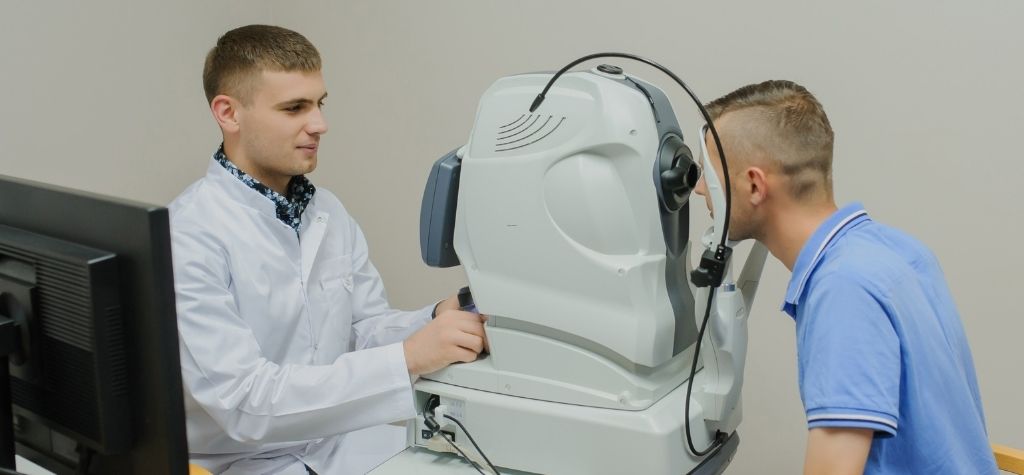
- Schedule regular eye exams. A comprehensive dilated exam is the only way to detect glaucoma early. People over 40 or with risk factors should have an eye exam every one to two years.
- Keep your immune system strong. Eating a balanced diet rich in fruits and vegetables, getting regular exercise, adequate sleep and practicing good hand hygiene can lower the chance of infections like sinusitis.
- Manage chronic conditions. If you have diabetes, high blood pressure or thyroid disease, work with your healthcare provider to control these issues and follow up with specialists as needed.
- Protect your eyes. Wear safety goggles during activities that pose a risk of eye injury. When outdoors, protect your eyes from UV light by wearing sunglasses with UV protection.
- Watch your screen time. Set limits on digital device use, especially for children. Encourage breaks and outdoor activities to give the eyes variety in focus distance.
Frequently Asked Questions
Is pressure behind the eyes a sign of high eye pressure (glaucoma)?
Not necessarily. Most people cannot feel elevated intra‑ocular pressure. Glaucoma often develops silently and is detected through routine eye exams. If you have persistent eye discomfort, get checked, but don’t assume it’s glaucoma.
Can sinus infections cause vision problems?
Sinusitis typically causes pain or pressure, but if infection spreads to the eye socket (orbital cellulitis) it can lead to swelling, double vision or vision loss. See a doctor promptly if you notice eye swelling, redness or vision changes alongside sinus symptoms.
When should I worry about pressure behind my eyes?
Contact a healthcare provider if you have:
- Persistent pressure or pain that lasts more than a few days or keeps returning.
- Severe headache, fever, nausea or vomiting.
- Vision changes, double vision or sudden loss of vision.
- Eye redness, swelling or bulging.
- Pain when moving your eyes.
These may indicate serious conditions such as acute glaucoma, optic neuritis, cluster headaches or infections.
What specialist should I see for pressure behind my eyes?
Start with your primary care doctor or an ophthalmologist (eye specialist). They can evaluate your symptoms and refer you to an ear, nose and throat (ENT) specialist for sinus problems, a neurologist for headaches, or an endocrinologist for thyroid‑related issues.
Conclusion
Feeling pressure behind your eyes is uncomfortable and sometimes frightening. While the sensation is often related to benign issues like sinusitis, headaches or eye strain, it can also signal more serious conditions such as glaucoma, Graves’ eye disease or optic neuritis. Knowing the most common causes and associated symptoms helps you decide when home care is appropriate and when to seek professional evaluation. Don’t ignore persistent or severe pressure, especially if you experience vision changes, severe pain or other alarming symptoms. Regular eye exams, a healthy lifestyle, and prompt medical attention when needed are the best ways to protect your sight and overall well‑being.
