
Our eyes work like tiny cameras: they focus light, convert it into electrical signals, and send those signals to our brain for interpretation. They are delicate, energy‑hungry organs that rely on a constant supply of nutrients and oxygen. Unfortunately, the modern diet often provides an excess of calories and unhealthy fats but lacks the antioxidants and nutrients needed to keep our eyes healthy. This article digs into the worst foods for your eyes, explains why they are harmful, and offers healthier alternatives.
Diet and Eye Health: Why Food Matters
The retina and retinal pigment epithelium (RPE) are metabolically active tissues with high lipid content and continuous exposure to oxidative stress. Scientific reviews note that diets high in unhealthy fats lead to cholesterol accumulation and disruptions in lipid metabolism within the retina and ocular blood vessels. This buildup activates inflammatory and oxidative stress pathways, damaging retinal structure and function. Other studies show that blood‑sugar spikes from high‑glycemic foods contribute to age‑related macular degeneration (AMD), while excess salt increases retinal venular tortuosity and may harm microcirculation in the eye.
To better understand how everyday foods influence eye health, let’s examine five dietary culprits.
1. High‑Fat Diets – Saturated and Trans Fats
Why Fat Matters
Fats are essential for the formation of cell membranes and the absorption of fat‑soluble vitamins. However, the type and amount of fat you consume are crucial. A 2025 systematic review in Nutrients found that high‑fat diets elevate cholesterol levels in the retina, RPE, liver and serum and disturb cholesterol‑metabolism‑related genes. The excess lipids trigger inflammation and oxidative stress, leading to structural damage in ocular tissues. The harmful effects of saturated fatty acids (SFAs) are linked to the buildup of diacylglycerol and ceramides, activation of inflammatory signaling (NF‑κB and protein kinase C) and reduced fat‑oxidation capacity. These changes can contribute to dry eye syndrome, cataracts, glaucoma and age‑related macular degeneration.
Foods to Watch
- Deep‑fried foods (e.g., french fries, fried chicken). Frying in oils high in saturated or trans fats adds unhealthy fats that accumulate in eye tissues.
- Processed meats like bacon, sausage and hot dogs. These products often contain saturated fat and nitrates.
- Full‑fat dairy products such as whole milk, cheese, butter and ice cream.
- Baked goods with trans fats, including pastries, doughnuts and certain cookies.
- Highly marbled red meat (steaks, ribs) eaten frequently.
What happens to your eyes?
The retina is full of photoreceptor cells and is highly sensitive to oxidative stress. High‑fat diets promote lipid oxidation and inflammation, which damage photoreceptors and the RPE. Over time this can lead to plaque formation and stiffening of blood vessels in the eye, increasing the risk of macular degeneration and glaucoma. Additionally, high‑fat meals reduce tear film quality and contribute to dry eye syndrome.
Healthier Choices
Swap saturated fats for unsaturated fats and omega‑3 fatty acids. Choose baked or grilled options instead of fried. Incorporate sources of healthy fat such as salmon, sardines, flaxseeds, chia seeds and walnuts. Omega‑3 supplements can improve tear film stability and support intraocular pressure regulation.
2. High‑Glycemic Foods and Sugary Treats
The Glycemic Index Connection
High‑glycemic foods cause rapid spikes in blood sugar. When blood sugar spikes repeatedly, harmful by‑products such as advanced glycation end products (AGEs) accumulate, damaging tissues throughout the body—including the retina. A Tufts University study on mice reported that a high‑glycemic diet, similar to diets rich in white bread and refined starches, led to AMD‑like changes: loss of retinal pigment epithelial cells and photoreceptors. Crucially, switching those mice to a low‑glycemic diet stopped further damage and even reversed retinal changes. This suggests that controlling dietary glycemic load can protect against age‑related eye diseases.
Sugary drinks also pose a risk. The U.S. Centers for Disease Control and Prevention (CDC) warns that high blood sugar damages blood vessels in the retina, leading to diabetic retinopathy and vision loss. Even if you do not have diabetes, frequent consumption of sugary beverages can promote insulin resistance and inflammation.
Foods to Avoid
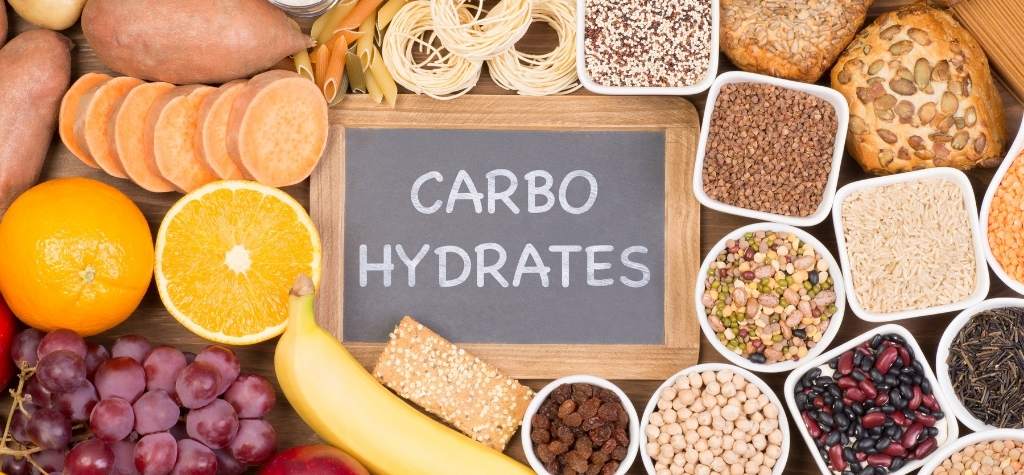
- Refined carbohydrates such as white bread, white rice, and sugary cereals.
- Soda, sweet tea, energy drinks, lemonade and fruit juices with added sugar.
- Candy, cakes and pastries packed with refined sugar and flour.
- Sugary breakfast bars and processed snacks.
Better Alternatives
Opt for low‑glycemic carbohydrates like oats, barley, quinoa and brown rice. Choose whole fruits instead of fruit juice; the fiber slows sugar absorption. Replace sugary drinks with water, sparkling water or herbal tea. Including cinnamon, fenugreek or vinegar in meals can modestly lower glycemic impact. If you do consume carbohydrates, pair them with fiber, protein and healthy fats to slow down sugar absorption.
Stat check: A Tufts University study found that mice on a high‑glycemic diet developed AMD features, including retinal pigment epithelial atrophy and photoreceptor loss, whereas those switched to a low‑glycemic diet showed arrested retinal damage and improved retinal structure.
3. Too Much Salt (Sodium)
How Salt Hurts the Eyes
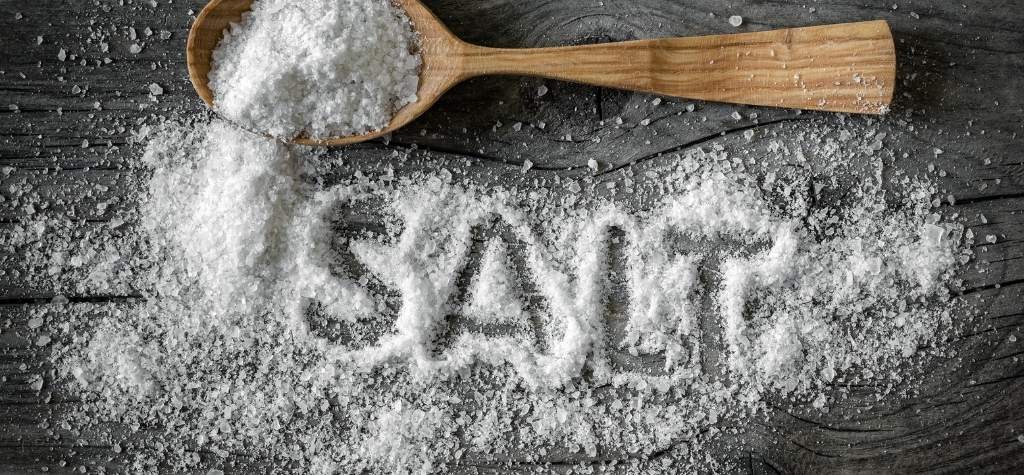
The link between salt and eye health goes beyond high blood pressure. In a randomized cross‑over trial of healthy men, participants followed a two‑week high‑salt diet (>17 g of salt/day) and a two‑week low‑salt diet (<3 g/day). The high‑salt diet increased retinal venular tortuosity by about 12 percent, a sign of “twisted” veins. Changes in arteriolar tortuosity correlated with changes in systolic blood pressure. Retinal venular tortuosity is associated with hypertension and cardiovascular risk. Over time, increased venular tortuosity may impede blood flow and lead to retinal ischemia.
High‑Sodium Offenders
- Processed meats like deli slices, sausages and jerky.
- Canned soups and instant noodles with flavor packets.
- Packaged snacks: potato chips, salted nuts, crackers and pretzels.
- Frozen meals and fast foods (pizza, burgers and fries).
- Condiments and sauces (soy sauce, ketchup, salad dressings, pickles) often contain hidden sodium.
What You Can Do
- Read labels: Look for “low sodium” or “no salt added.”
- Cook at home: Use herbs, spices, citrus and vinegar to add flavor instead of salt.
- Limit processed foods: Choose fresh vegetables, fruits, lean proteins and whole grains.
- Stay hydrated: Adequate water intake helps maintain balanced fluid levels in the eyes.
Over time, reducing sodium intake benefits not only blood pressure but also microcirculation. Maintaining healthy blood pressure protects small vessels in the eye from damage.
4. Sweetened Drinks and Liquid Sugars
Soft drinks and sweet teas may seem harmless compared with desserts, but they deliver large amounts of sugar in a short time. The CDC explains that high blood sugar damages the tiny blood vessels in the retina, causing them to swell and leak; over time this leads to diabetic retinopathy and vision loss. Diabetic retinopathy is the leading cause of blindness in working‑age adults. Even in people without diabetes, consuming multiple sugary drinks each day raises the risk of insulin resistance and inflammation, both risk factors for eye disease.
What to Limit
- Soda and colas (regular or flavored).
- Energy drinks and sports drinks with added sugar.
- Sweetened iced coffee drinks, milkshakes, and bubble tea loaded with syrups.
- Fruit juices with added sugars or concentrates.
- Sweet tea or lemonade with high sugar content.
Healthier Hydration
- Choose water, plain or infused with lemon, cucumber or berries.
- Herbal teas (unsweetened) provide flavor without sugar.
- Sparkling water or seltzer with a splash of pure fruit juice.
- When craving sweetness, dilute juice with water or use stevia/monk fruit sweeteners sparingly.
Avoiding sugary drinks helps stabilize blood sugar and lowers the risk of diabetic eye disease.
5. Unhealthy Condiments, Toppings and Highly Processed Dressings
The Hidden Sugars and Fats
Condiments and toppings can secretly contribute large amounts of saturated fat, sodium and sugar. Many commercial salad dressings, mayonnaise, ketchup and spreads contain unhealthy fats or trans fats. These trans fats can oxidize and trigger inflammation that damages cell membranes, including those in the retina. Additionally, condiments like barbecue sauce, teriyaki and ketchup can contain more sugar per tablespoon than a cookie.
Sneaky Culprits
- Mayonnaise, creamy dressings, and cheese‑based dips high in saturated fat.
- Flavored coffee creamers containing hydrogenated oils and added sugar.
- Ketchup, barbecue sauce, and sweet chilli sauce full of sugar and sodium.
- “Fat‑free” dressings that replace fat with high‑fructose corn syrup.
- Whipped cream, caramel drizzle and chocolate syrup loaded with sugar and fat.
Better Options
- Make your own salad dressing with olive oil, lemon juice, vinegar and herbs.
- Use plain Greek yogurt as a base for creamy dips instead of mayonnaise.
- Swap ketchup for homemade salsa or diced tomatoes.
- Choose mustard or hot sauce, which are typically lower in sugar.
- When eating out, ask for dressings on the side and use sparingly.
What Should You Eat for Healthy Eyes?

While avoiding harmful foods is important, focusing on nutrient‑rich choices helps your eyes thrive. Consider incorporating the following foods into your diet:
- Dark leafy greens (spinach, kale, collard greens) rich in lutein and zeaxanthin, antioxidants that protect the retina.
- Orange and yellow vegetables like carrots, sweet potatoes and bell peppers, which provide beta‑carotene (vitamin A).
- Citrus fruits and berries high in vitamin C (protects blood vessels in the eye).
- Nuts and seeds (almonds, flaxseeds, chia seeds) containing vitamin E and omega‑3s.
- Fatty fish such as salmon, mackerel and sardines for omega‑3s.
- Whole grains and legumes that keep blood sugar steady.
- Water to maintain adequate tear production and prevent dry eyes.
Lifestyle Tips
- Regular eye exams: Early detection of eye diseases like AMD and diabetic retinopathy can prevent vision loss.
- Manage blood sugar and blood pressure: Keep your levels within recommended ranges.
- Wear protective eyewear: Sunglasses that block UVA/UVB rays reduce cumulative damage from sunlight.
- Quit smoking: Smoking increases oxidative stress and constricts blood vessels in the eye.
- Exercise regularly: Physical activity supports healthy circulation and helps control weight, blood sugar and blood pressure.
Conclusion: Small Changes, Big Rewards
Our diet can either nourish our eyes or quietly harm them. High‑fat meals, high‑glycemic foods, excessive salt, sugary drinks and unhealthy condiments are five major culprits that can damage your eyes. Research shows that high‑fat diets disrupt lipid metabolism and trigger inflammation in the retina, high‑glycemic foods promote AMD features but can be reversed by switching to low‑glycemic options, high‑salt intake alters retinal microcirculation, and chronically high blood sugar damages retinal blood vessels. By reading labels, choosing whole foods over processed ones, and prioritizing colorful fruits and vegetables, you can significantly reduce your risk of vision loss.
Actionable takeaway: Start by replacing one unhealthy item—such as soda or processed meats—with a healthier alternative. Over time, small, consistent changes will protect not only your eyes but your overall well‑being.
