

When Heatwaves Strike, Your Eyes Feel It First
Heatwaves grab headlines for causing power outages and heatstroke, but your eyes are on the front line too. Have you ever stepped outside on a scorching day and immediately felt your eyes sting or tear? High temperatures, intense sunlight and dry winds can upset the delicate balance that keeps your eyes comfortable. Yet, most people focus on sunscreen while forgetting that eyes also burn, dry out and get infected in extreme heat. This article unpacks the hidden effects of heatwaves on your eyes, explains why climate change is making eye problems more common, and offers practical tips to protect your vision.
Tear Film Trouble: How Heat Evaporation Dries Out Your Eyes
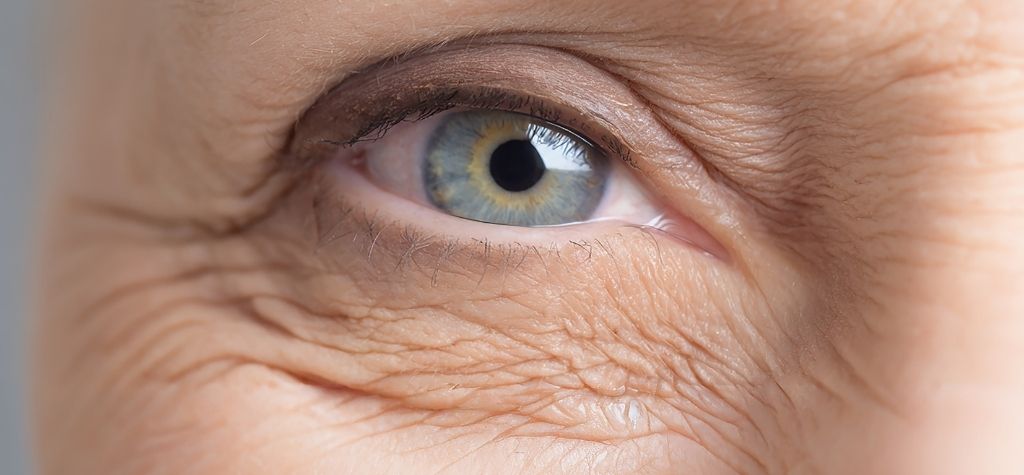
Tears Evaporate Faster in High Heat
Your tear film is a three-layer shield that protects and lubricates the surface of your eye. Hot, dry air causes this film to evaporate quickly, leading to dry eye symptoms such as redness, irritation, burning and tearing. Dr. Franklin Bui of the State University of New York College of Optometry notes that high temperature can cause the tear film of the eye to evaporate quickly, resulting in dry eyes. When the protective layer evaporates, the eye’s surface becomes exposed, creating that scratchy, gritty sensation many people experience on hot, windy days.
Low Humidity and Heatwaves Exacerbate Dry Eye Disease
Heatwaves are often accompanied by drops in relative humidity, which amplifies tear evaporation. A systematic review on climate change and ocular health found that heatwaves and sudden shifts in humidity exacerbate tear film instability. The authors explain that high ambient temperatures and low humidity accelerate tear film breakup, aggravating dry eye symptoms and ocular surface inflammation. Vulnerable groups include outdoor workers, older adults and people living in polluted areas. As heatwaves become more frequent due to climate change, dry eye flare‑ups may increase.
Tear Film Evaporation Increases With Temperature
Controlled chamber studies show that tear evaporation rates rise as the air warms. In research summarised in the environmental dry eye review, evaporation increased from 0.06 μL/min at 5 °C to 0.17 μL/min at 25 °C. While the relationship between temperature and dry eye is complex, the finding underscores that warm air can destabilise the tear film and lead to irritation. These studies support the everyday experience of eyes feeling dry and gritty in hot weather.
The Sun’s Hidden Dangers: Photokeratitis and UV Damage
Sunburn of the Eye: Photokeratitis
Most people know their skin can sunburn, but the cornea can burn too. Excessive UV exposure over a short period can cause photokeratitis, a painful “sunburn of the eye.” The American Optometric Association explains that photokeratitis occurs when your eyes are exposed to too much ultraviolet radiation; symptoms include red eyes, a gritty sensation, extreme sensitivity to light and excessive tearing. While the pain is temporary, it can make you keep your eyes closed for hours and disrupt daily activities.
Long‑Term UV Exposure: Cataracts, Macular Degeneration and Pterygium
Short bursts of UV radiation can burn the cornea, and long‑term exposure increases the risk of serious eye diseases. The AOA notes that prolonged UV exposure can lead to cataracts, eye cancer, pterygium (a growth on the whites of the eyes) and macular degeneration. A travel health chapter from the U.S. Centers for Disease Control and Prevention (CDC) echoes these concerns. It warns that UV A and UV B rays penetrate clouds and haze, and intense UVB exposure can cause corneal sunburn; long‑term UV exposure contributes to cataracts, age‑related macular degeneration, and growths like pterygium and pinguecula. Because UV radiation reflects off water, sand and snow, your eyes can receive a double dose during summer activities.
Not All Sunglasses Protect You Equally
Choosing the right sunglasses is critical for blocking harmful rays. According to the CDC, quality sunglasses should wrap around the face and block nearly 100% of UV radiation (look for labels like UV 400 or ANSI Z80.3). The AOA adds that proper sunglasses should screen out 75 % – 90 % of visible light and have lenses that are perfectly matched in color and free of distortion. The tint color doesn’t affect protection; gray lenses provide true color recognition. Wearing a wide‑brimmed hat and UV‑blocking contacts can offer additional protection. Importantly, inexpensive sunglasses rated UV 400 can be as effective as designer brands.
Heat‑Related Eye Conditions Beyond Dry Eye

Eye Allergies and Airborne Irritants
Heatwaves often come with high levels of pollutants, allergens and dust. SUNY Optometry notes that eye allergies become more common in hot weather, causing redness, itching and burning. This is because hot air and pollutants can irritate the conjunctiva. Similarly, the Barraquer Eye Hospital points out that allergens like mold and seeds are abundant during the warmer months and can increase dryness, itching and burning sensations. Wearing wrap‑around sunglasses and limiting time outdoors on days with high pollen or pollution can reduce exposure.
Conjunctivitis and Styes Thrive in Summer
Hot weather fosters bacteria and viruses that cause conjunctivitis. Dr. Bui explains that conjunctivitis is more common in summer; it causes redness, discharge, watery eyes and a foreign body sensation. Conjunctivitis spreads easily through shared towels, pillowcases or cosmetics. Styes — painful infections of the eyelid — are also more common during the summer because bacteria flourish with heat and sweat. To reduce risk, avoid sharing personal items and wash your hands frequently.
Pterygium and Pinguecula: Surfer’s Eye
Chronic exposure to UV rays and wind can cause tissue to grow on the whites of the eyes, known as pinguecula and pterygium. These growths are more common in people who spend a lot of time outdoors without adequate sun protection. They can interfere with vision if they grow over the cornea, and treatment may require surgery. Wearing sunglasses that block UV rays and wrap around the face reduces risk.
Photokeratitis in Snow and Water Environments
Photokeratitis isn’t limited to beaches. The CDC explains that snow blindness occurs when UV rays reflect off snow and nearly double the amount of UVB reaching the eyes. Similarly, sunlight reflecting off water or sand can intensify UV exposure. Symptoms include tearing, a gritty sensation and severe light sensitivity. People should wear wrap‑around sunglasses and hats on the slopes and at the beach year‑round.
Eye Infections in Swimming Pools and Lakes
Swimming in pools or lakes during a heatwave increases the risk of eye infections. Bacteria like Acanthamoeba thrive in warm water and can cause severe corneal infections. Barraquer Eye Hospital warns that contact lens wearers should never bathe or swim in contact lenses because lenses can trap pathogens against the eye. Wearing swimming goggles or a diving mask and removing contacts before swimming reduces your risk. Rinse your eyes with clean water after swimming to remove irritants.
Climate Change, Air Quality and Eye Health
Heatwaves Are Becoming More Frequent
Climate change is increasing the frequency and intensity of heatwaves and lowering humidity in many regions. The systematic review on ocular health states that heatwaves and humidity drops, once rare, are now regular occurrences that exacerbate tear film instability and trigger inflammatory responses on the eye’s surface. This means episodes of dry eye flare‑ups will likely rise as global temperatures climb.
Air Pollution Compounds Eye Problems
Air pollution — particularly fine particulate matter like PM2.5 and pollutants such as nitrogen dioxide and ozone — destabilizes the tear film and promotes inflammation. Pollutants can irritate the eyes directly and contribute to conditions like dry eye disease and allergic conjunctivitis. Combined with heat and low humidity, polluted air becomes even more detrimental. People living in urban or industrial areas should pay extra attention to eye protection on poor air quality days.
UV Radiation and Climate Change
Ozone layer depletion and shifting weather patterns influence UV levels at Earth’s surface. Increased UV‑B radiation has been linked to higher cataract risk. The CDC warns that UVA damages the macula and UVB damages the cornea and lens. As climate change alters cloud cover and air pollution, UV exposure may fluctuate. Tracking the daily Ultraviolet Index (UVI) — available from the National Weather Service and the World Health Organization — can help you plan outdoor activities around safer times.
Hydration: Quenching Your Eyes From the Inside Out

Dehydration Reduces Tear Production
During a heatwave, your body sweats to cool down, leading to fluid loss. If you don’t replenish fluids, you risk dehydration, which lowers tear production and worsens dry eye. While the National Eye Institute (NEI) emphasises that dry eye happens when tears dry up too fast or don’t work properly, hydration plays a key role in tear volume. Drinking enough water helps keep your tear film stable and reduces the chance of dryness. Aim for at least eight glasses of water a day, more if you spend time outdoors or exercise in heat.
Avoid Direct Air Flow From Fans and Air Conditioners
It’s tempting to stand in front of a fan or air conditioner when the mercury soars, but direct air currents can accelerate tear evaporation. Dr. Bui advises people to avoid directing air conditioning units or fans toward their eyes. Instead, set your fan to oscillate or direct the airflow above eye level. Use a humidifier indoors to maintain comfortable humidity levels, especially in air‑conditioned spaces.
Essential Protection Tips for Your Eyes During a Heatwave
1. Wear Proper Sunglasses
- Look for sunglasses that block 100% of UVA and UVB rays. The CDC recommends wrap‑around styles that prevent light from entering at the sides.
- Ensure the lenses are free of distortion and match in color. The AOA suggests gray lenses for accurate color recognition.
- Consider impact‑resistant materials like polycarbonate or Trivex, especially for outdoor sports. For more on material choices, see Daily Eyewear Digest’s post “Trivex vs. Polycarbonate Lenses: Which Should You Pick?” (internal link).
2. Shield Yourself With Hats and Shade
A wide‑brimmed hat reduces UV exposure by blocking sunlight from above and around your face. Seek shade or use umbrellas during peak sunlight hours. As the CDC notes, UV radiation can penetrate clouds and haze, so protection is needed even on overcast days.
3. Stay Hydrated
- Drink water consistently throughout the day. Don’t wait until you feel thirsty.
- Include hydrating foods such as cucumbers, watermelon and citrus fruits.
- Limit diuretics like caffeine and alcohol, which can contribute to dehydration.
4. Use Lubricating Eye Drops
Artificial tears or lubricating eye drops help replenish moisture. Barraquer Eye Hospital likens lubricating drops to moisturising cream for the hands and recommends using them on demand. Keep a bottle handy when traveling or spending time outdoors.
5. Practice Good Hygiene
- Wash hands frequently and avoid touching your eyes.
- Do not share towels, pillowcases or cosmetics, which can spread conjunctivitis.
- Remove makeup each night and replace mascara or eyeliner regularly to prevent bacterial growth.
6. Mind Your Contact Lenses
- Never swim or bathe while wearing contact lenses; this increases risk of severe infections.
- Replace lenses as directed and clean them with appropriate solutions.
- Consider daily disposable lenses during summer to reduce contamination.
7. Check the Ultraviolet Index (UVI)
Plan outdoor activities when the UVI is lower. Avoid midday sun (10 a.m. to 4 p.m.) when UVB intensity peaks. Smartphone apps and weather reports provide daily UVI values.
8. Schedule Regular Eye Exams
Heatwaves may highlight discomfort, but underlying issues could be lurking. Comprehensive eye exams detect problems early. The NEI emphasises that severe untreated dry eye can damage the cornea. Regular exams ensure your eyes remain healthy and allow your doctor to adjust your care plan to changing environmental conditions.
Conclusion: Don’t Let the Heat Sneak Up on Your Sight
Heatwaves are more than just uncomfortable — they pose real risks to your eyes. High temperatures and low humidity accelerate tear evaporation, leading to dry eye symptoms. Intense UV exposure can burn your cornea and, over time, cause cataracts, macular degeneration and pterygium. Warm weather also fosters allergens, infections and painful conditions like photokeratitis. Climate change is making heatwaves and humidity swings more common, meaning these eye threats will likely grow. Fortunately, simple steps — staying hydrated, wearing proper sunglasses, practising good hygiene, avoiding direct air currents and scheduling regular eye exams — can help safeguard your sight. The next time a heatwave hits, remember that taking care of your eyes is just as important as staying cool. Don’t wait until discomfort sets in; proactive protection today keeps your vision healthy tomorrow.
